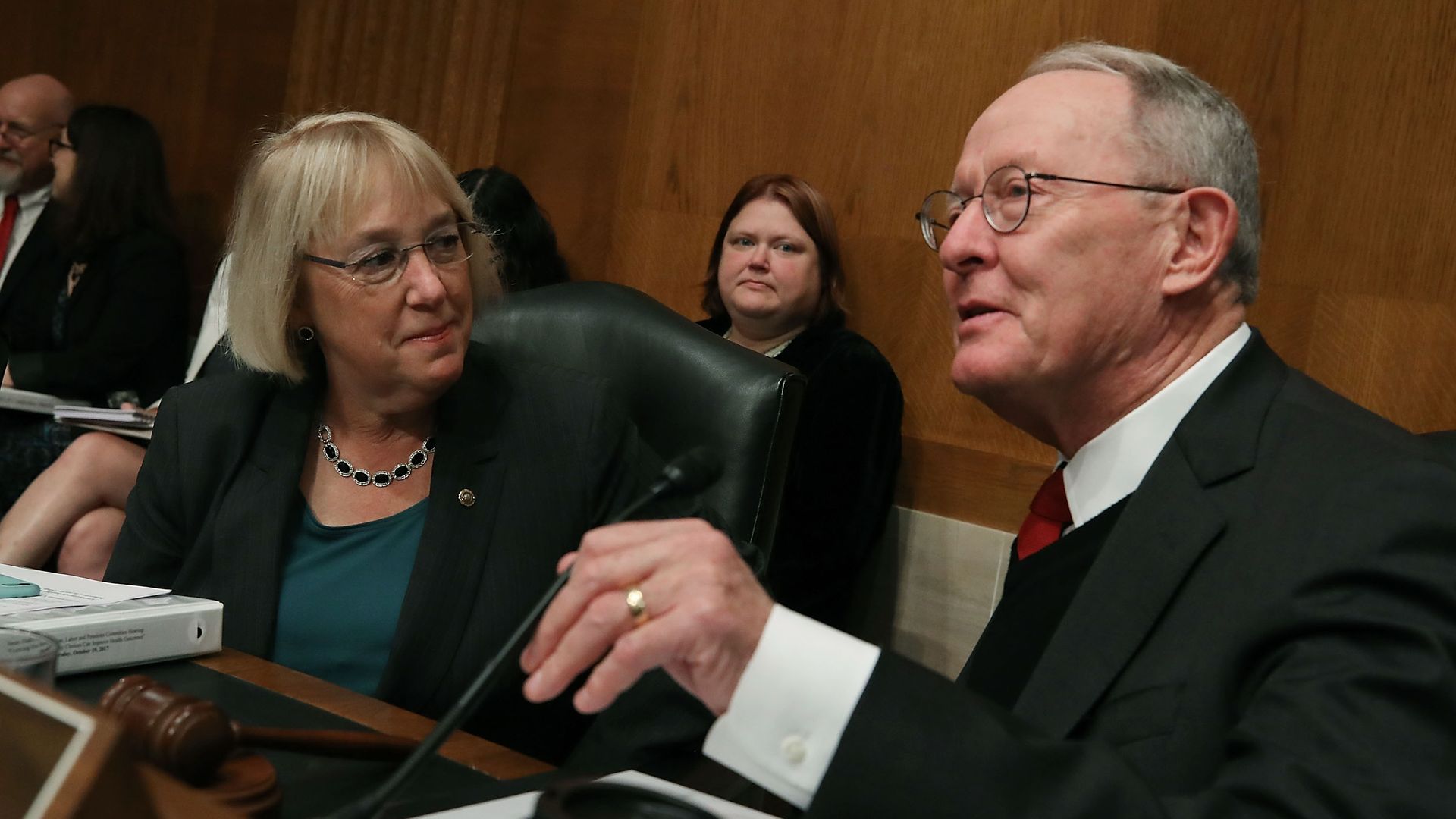
Senators from both parties are taking another look at efforts to stabilize the Affordable Care Act's individual market. Democrats are reassessing the initial bipartisan proposal, while Republicans seem increasingly open to new federal spending they once opposed.
Why it matters: Experts say a fresh review is a good thing, if members want their legislation to actually bring down premiums. The health care landscape has changed a lot since the stabilization bill was introduced last year , and it's just common sense to take that into account.
Groups representing drug companies heavily increased their federal lobbying in President Trump's first year, according to a review of lobbying records. No health care lobbying group splurged more than the Pharmaceutical Research and Manufacturers of America, which spent $25.4 million in 2017 — a 30% jump from 2016.
Intermountain Healthcare, a large hospital system in Utah, has acquired a $20 million minority stake in R1 RCM, a medical billing and collections company. R1 used to be Accretive Health, a name that was soiled after Minnesota officials said the company used tactics that amounted to a "financial shakedown of patients."
Between the lines: Ascension, another large system that is working with Intermountain on a separate idea to manufacturer generic drugs, also owns part of R1. Hospitals are increasingly acquiring companies that collect debt from patients in high-deductible plans. But consumer groups are concerned collections companies are still too aggressive.
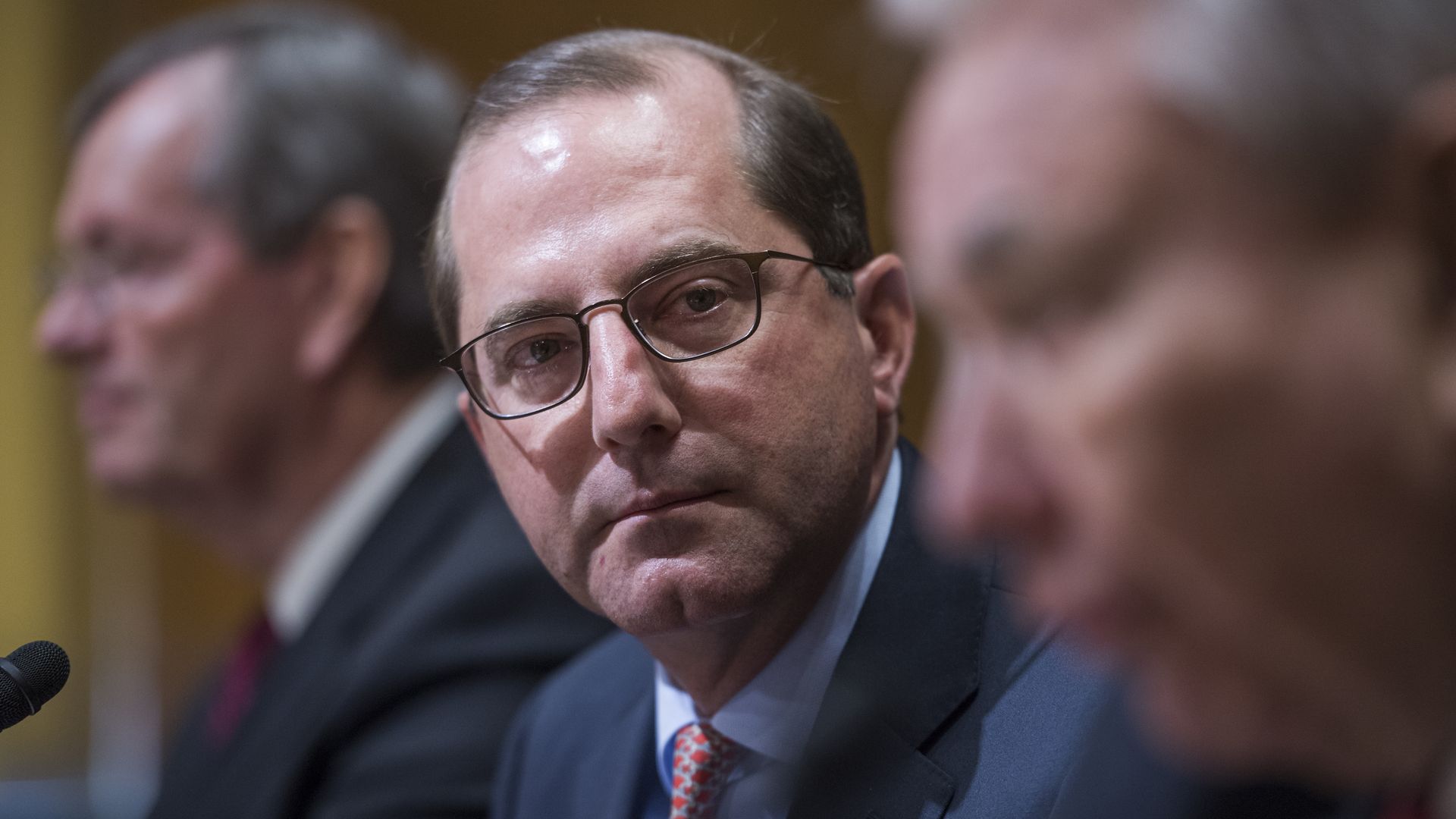
The Department of Health and Human Services is about to have a permanent leader for the first time since September. The Senate has confirmed Alex Azar, a former pharmaceutical executive, to be the next HHS secretary. He'll replace Tom Price, who resigned in September under heavy criticism for his frequent use of private planes.
What's next: He's not a fan of the Affordable Care Act, so don't expect HHS to enforce it more enthusiastically now that Price is gone. Don't look for an aggressive crackdown on rising drug prices, either. But Azar may be more open to other health care policies that Price opposed, like mandatory pilot programs, as Axios' Sam Baker has pointed out.
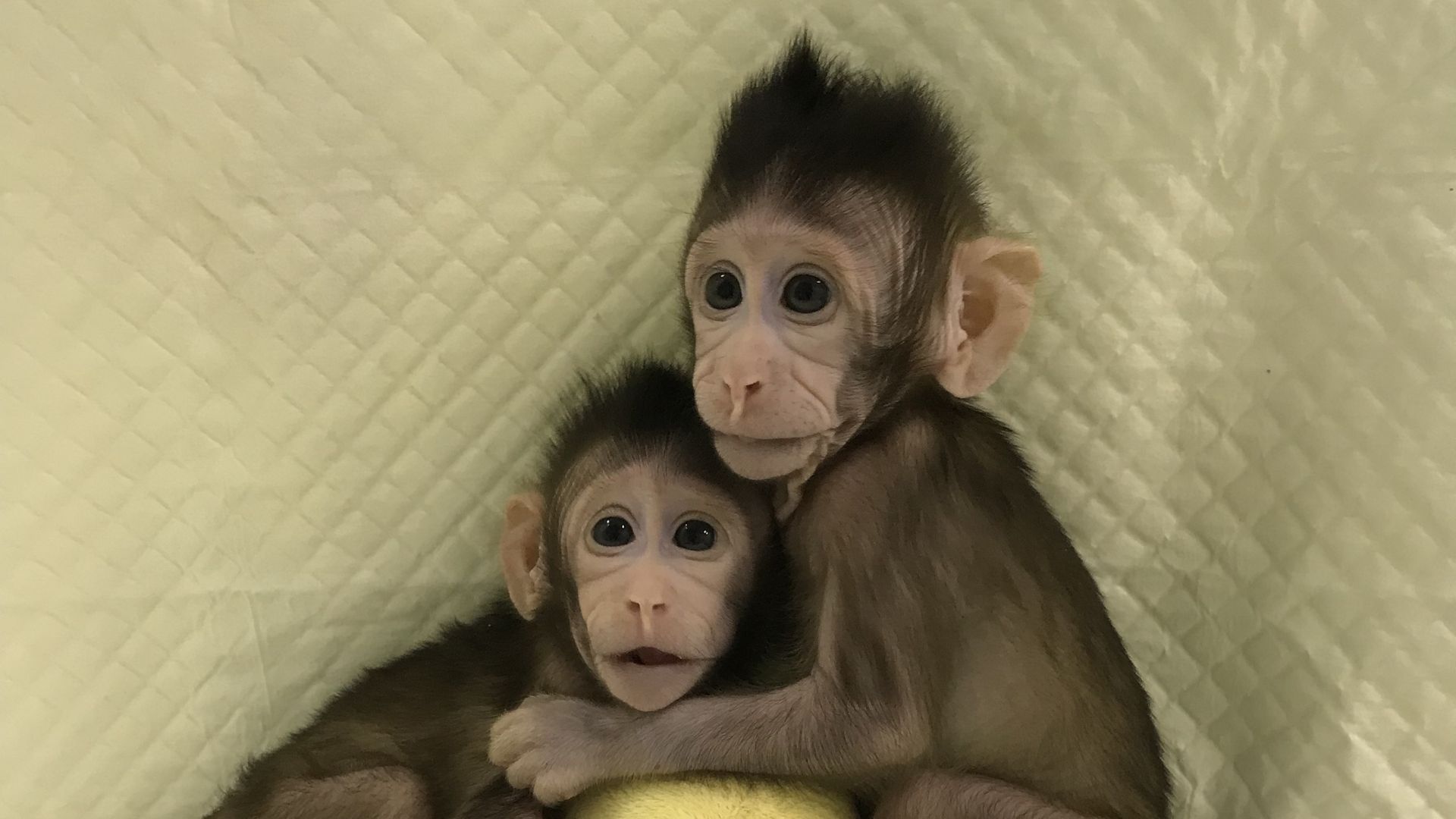
Scientists at China's Institute of Neuroscience today announced the birth of two macaque clones. The monkeys aren't the first primates to be cloned, but they are the first to be created using a technique — the same that produced Dolly the sheep — that allows researchers to create a larger number of clones than other methods.
Why it matters: Genetically identical animals can be used to study the precise effect of a drug or a gene being altered through disease or editing. So far, researchers have struggled to come up with a way to clone close primate relatives of humans for research.
Now that Congress has passed a bill funding the Children's Health Insurance Program — more than three months after funding expired — the clock is ticking as lawmakers work at putting together a package to stabilize the individual insurance market.
The bottom line: Congress and the Trump administration have taken several steps that will likely cause big premiums spikes for people who buy insurance on their own. If lawmakers want to mitigate some of that sticker shock, they need to act relatively fast.