Sutter Health, a California-based network of hospitals and doctors, knowingly destroyed massive amounts of evidence that were relevant to a lawsuit that accuses the not-for-profit system of anticompetitive practices and price-gouging, Chad Terhune reports for California Healthline. Sutter said it made a "mistake," but a judge said Sutter was, at best, "grossly reckless."
Why it matters: It's a damning revelation against a large hospital system, and it's worth watching to see if there will be any penalties. Hospitals and doctors have consolidated rapidly over the past decade, which experts say has contributed to rising health care costs.
The GOP may be heading for more trouble with its legislative agenda — this time with an unpopular tax bill. A compilation by Chris Warshaw of George Washington University of various polls shows that the plans to rewrite the tax code are only slightly more popular than the Affordable Care Act bills that narrowly failed — and both are among the least popular legislative proposals of the last three decades.
Reproduced from a chart by Chris Warshaw, assistant professor of political science at George Washington University; Chart: Axios Visuals
The federal government unveiled a new proposal late Thursday that would make some rather large changes to Medicare Advantage and the Part D drug program in 2019. The 713-page rule covers a lot, but there are two nuggets worth highlighting.
The Senate Finance Committee's markup of the tax bill yesterday fixated on new tables from the Joint Committee on Taxation showing that, even before the lower individual rates expire, people with lower incomes would pay higher taxes.
Data: The Joint Committee on Taxation; Note: Nov. 9 proposal didn't include a repeal of the individual mandate or sunsets of the individual rates. Nov. 14 proposal included both. Chart: Andrew Witherspoon / Axios
You've probably seen a lot of headlines saying Affordable Care Act enrollment is going well. But after the most recent update, released yesterday, we should probably all recalibrate our math. And when we do, enrollment won't look so hot.
Parts of the Senate's tax bill — like the repeal of the Affordable Care Act's individual mandate and the sunset of the individual and small business tax cuts despite a permanent corporate tax cut — are endangering its passage.
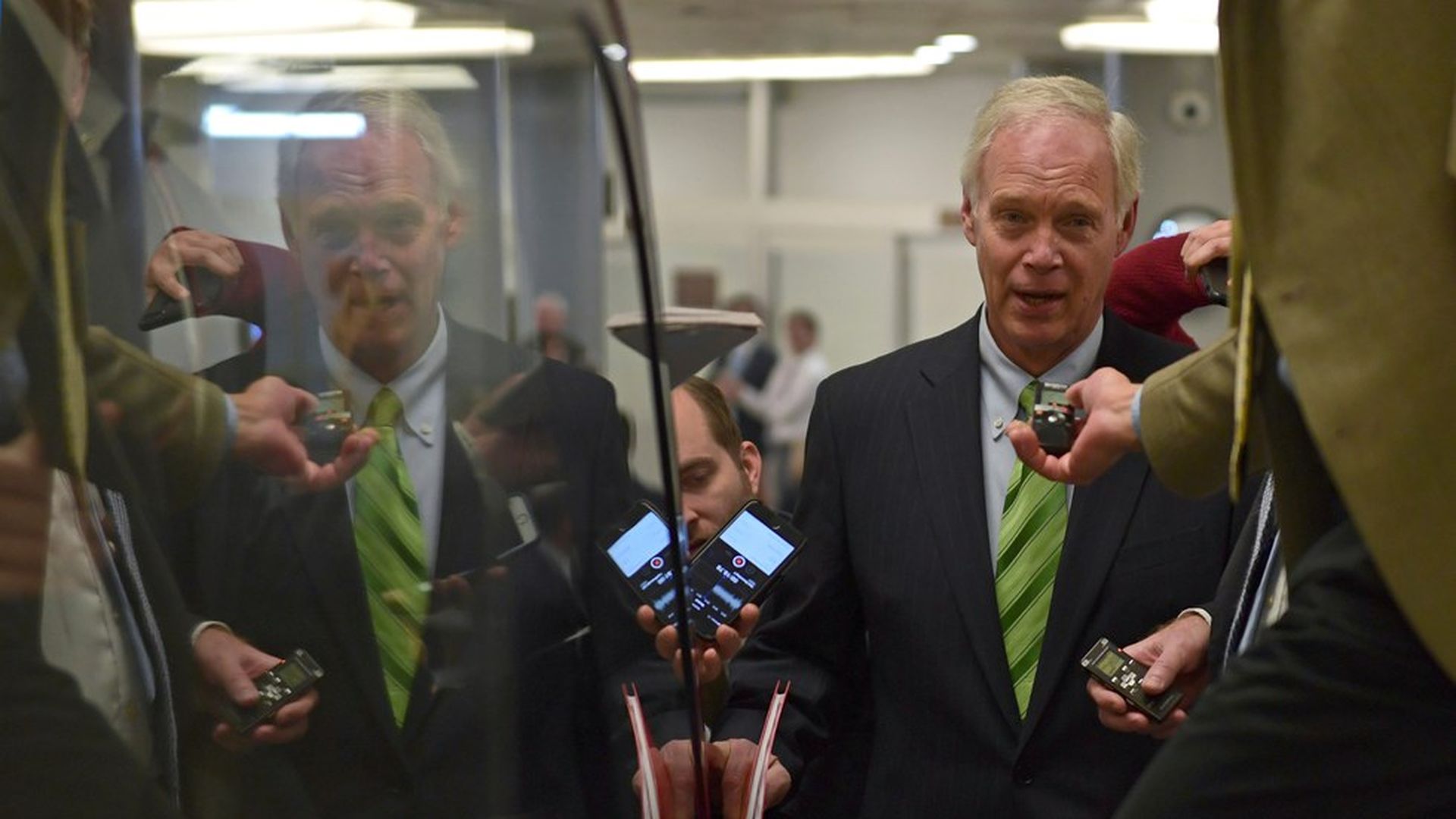
Our thought bubble: Sen. Ron Johnson's declared opposition and the sudden prospect that the GOP could lose a Senate race in Alabama next month giving them only one vote to spare if the tax bill takes longer than a few weeks, have increased the odds of the tax bill's success. Driving Republicans forward is the intense pressure they face for a legislative victory.