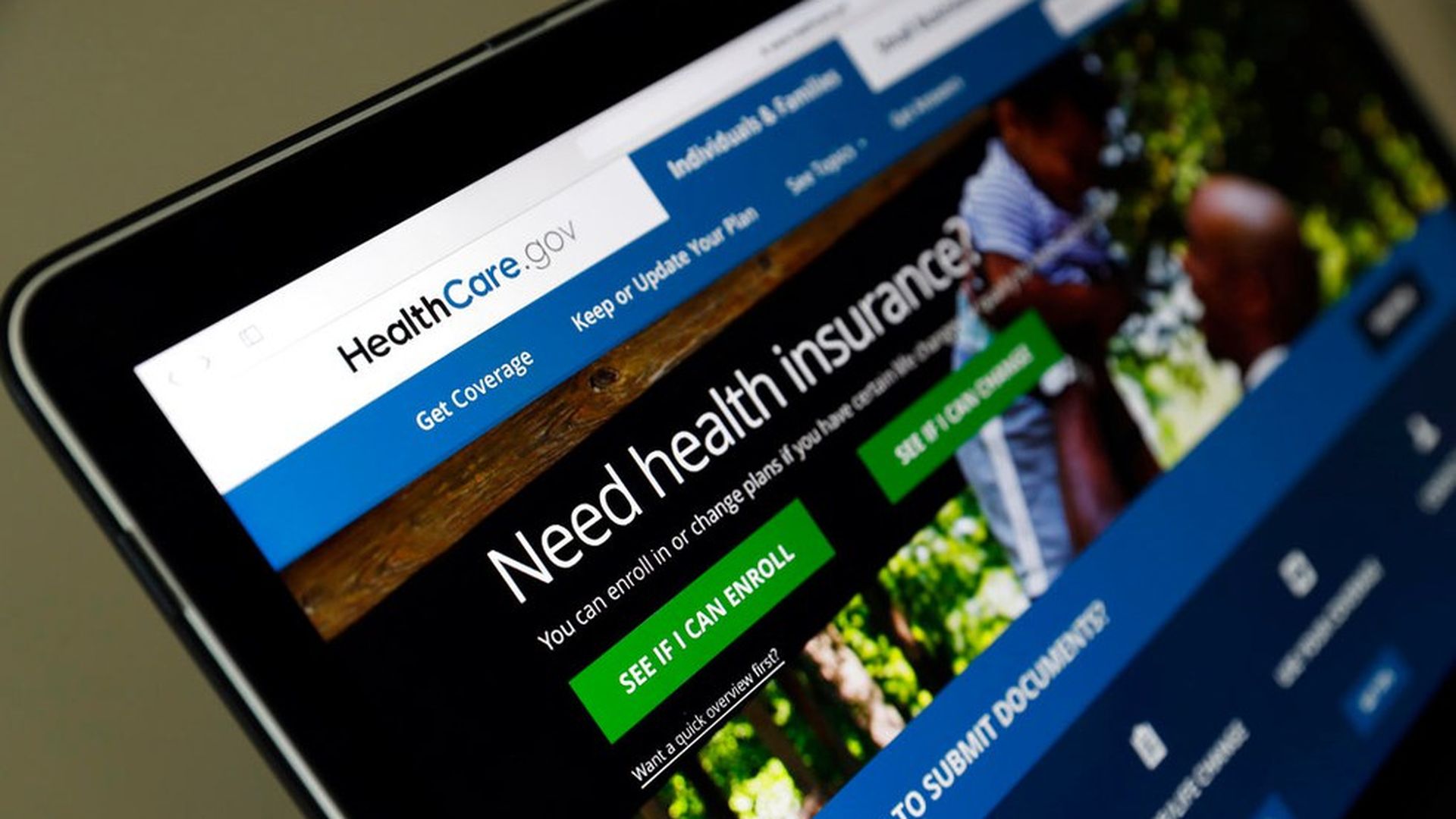
You've probably seen a lot of headlines saying Affordable Care Act enrollment is going well. But after the most recent update, released yesterday, we should probably all recalibrate our math. And when we do, enrollment won't look so hot.
Parts of the Senate's tax bill — like the repeal of the Affordable Care Act's individual mandate and the sunset of the individual and small business tax cuts despite a permanent corporate tax cut — are endangering its passage.
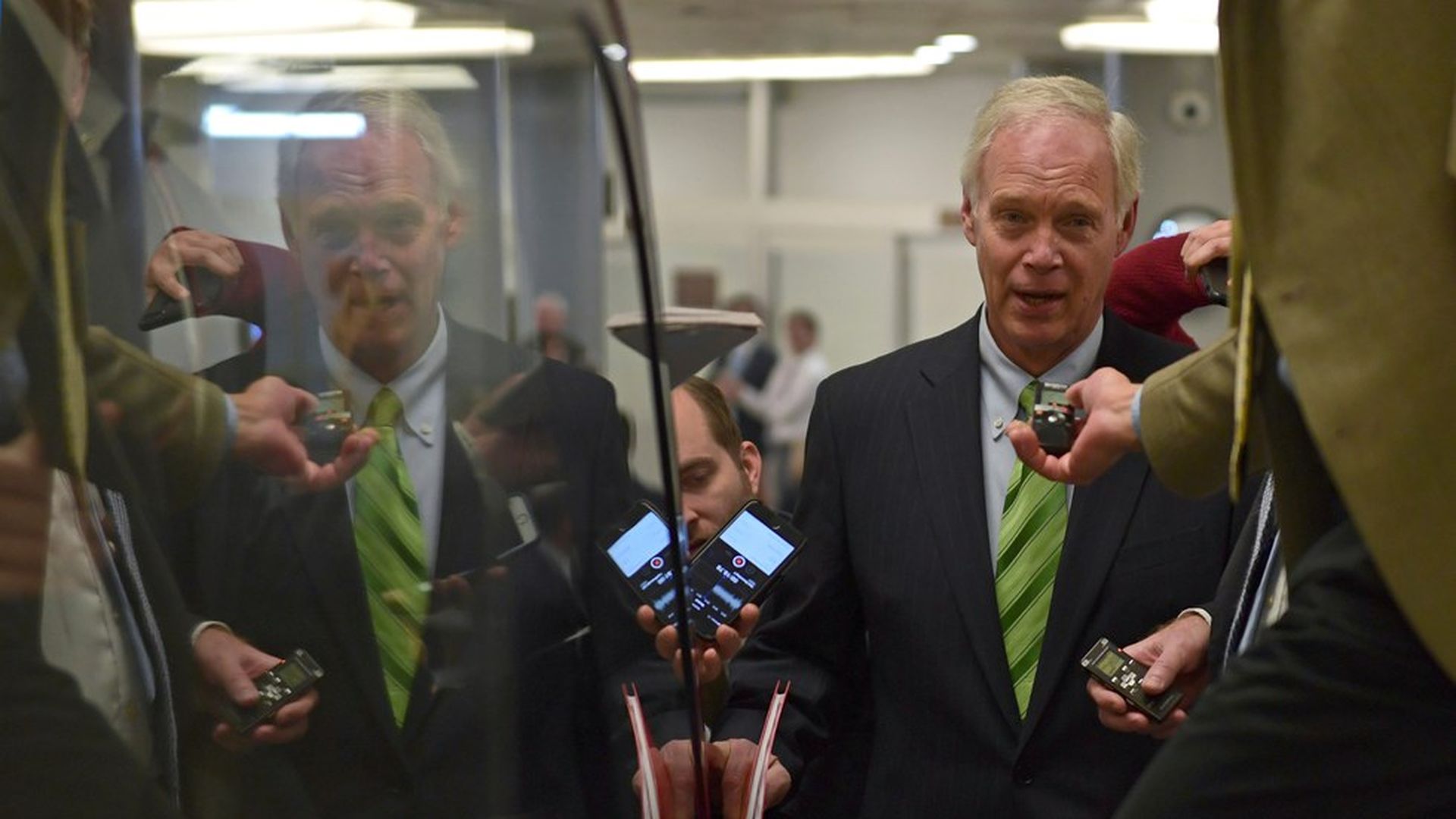
Our thought bubble: Sen. Ron Johnson's declared opposition and the sudden prospect that the GOP could lose a Senate race in Alabama next month giving them only one vote to spare if the tax bill takes longer than a few weeks, have increased the odds of the tax bill's success. Driving Republicans forward is the intense pressure they face for a legislative victory.
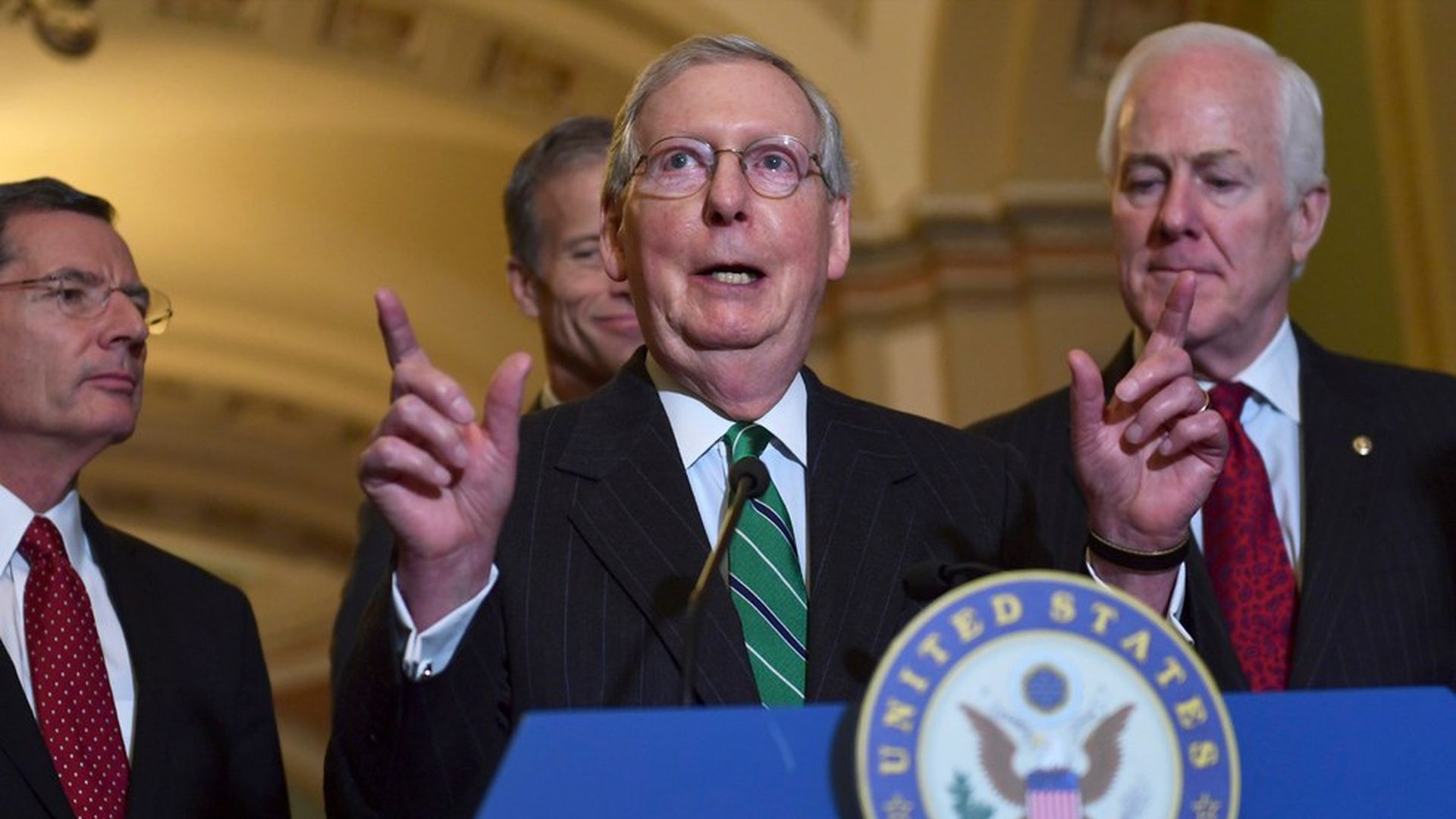
Senate Republicans' latest tax proposal includes a proposal to repeal the Affordable Care Act's individual mandate. It's a risky maneuver, but one that GOP leaders waded into with at least an outward projection of confidence, saying they believed they had 50 votes for the overall tax package.
The big picture: Remember "skinny repeal"? The repeal bill that all but three Senate Republicans voted for on the express condition that it not become law? Because, as Sen. Lindsey Graham put it, "the skinny bill as policy is a disaster"? The policy is basically the same this time around.
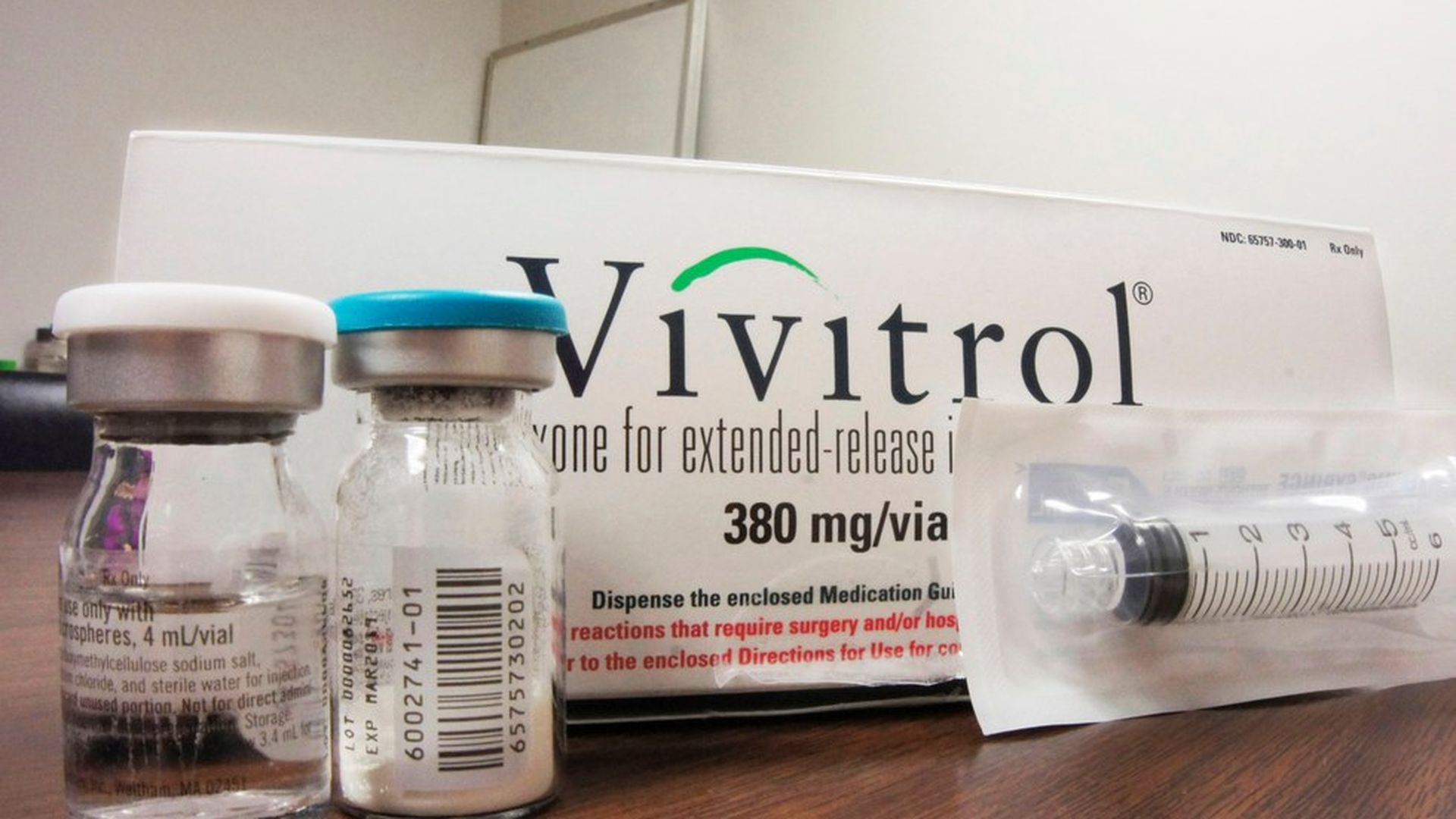
The first study in the U.S. to directly compare two medications to treat opioid addiction — one injected monthly, one given daily as a film placed under the tongue — found the treatments are equally effective, according to research published in the Lancet on Tuesday.
Yes but: Naltrexone (or Vivitrol) injections can't begin until someone has detoxed, typically after a few days. In the study, 28 percent of the participants who were to receive naltrexone didn't detox and couldn't begin the treatment.