Thursday's health stories
Uproar builds over secret doctor panel that influences Medicare
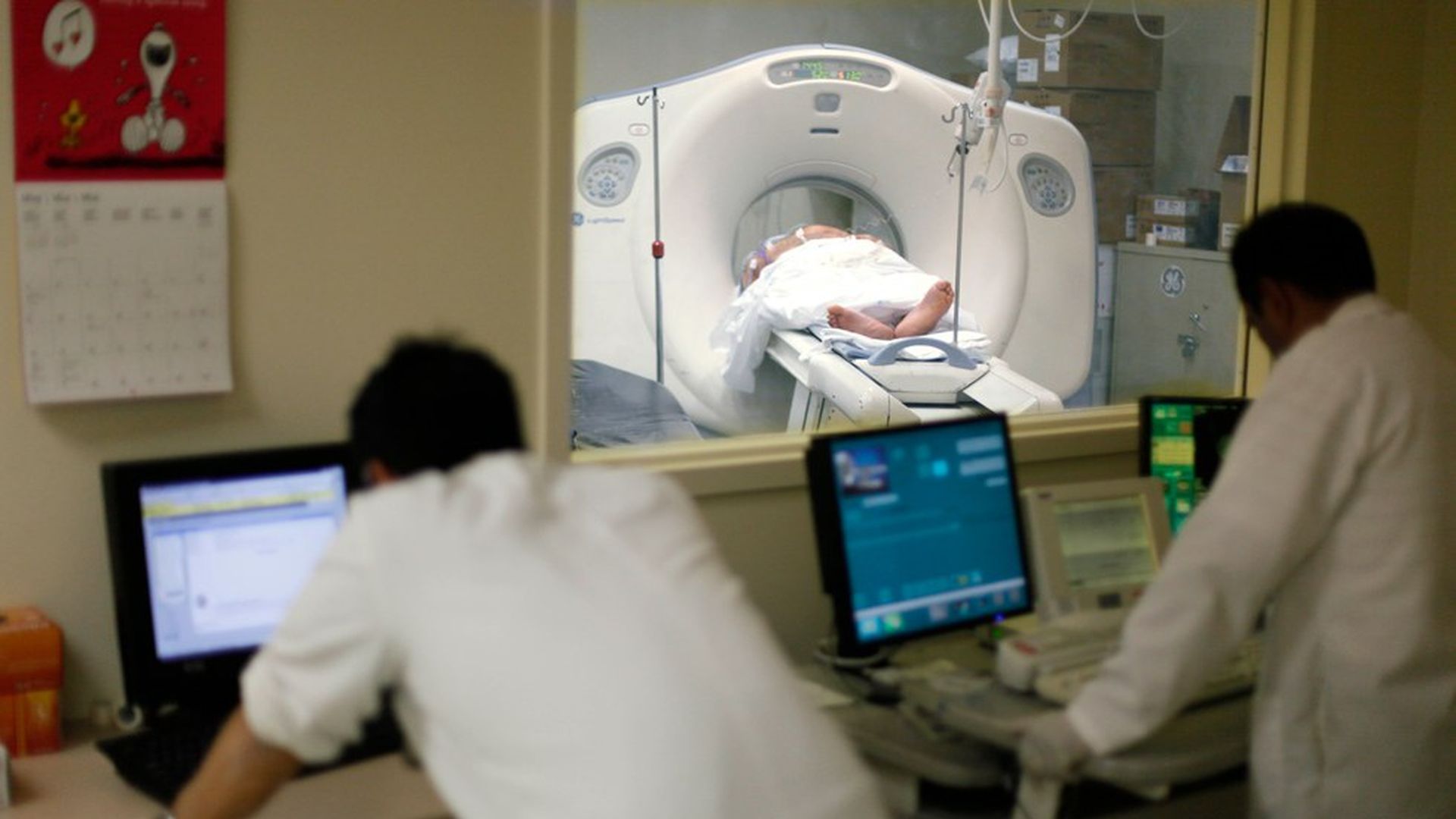
Medicare has signaled it will rubber-stamp almost every 2018 payment proposal made by the American Medical Association's clandestine panel of doctors — raising the ire of numerous advocacy groups and primary-care doctors, who believe the federal government is bending to the will of the powerful medical lobby.
The big picture: Critics believe Medicare's deference to the AMA panel creates a conflict of interest and steers federal spending toward more expensive procedures. And if the AMA panel distorts Medicare rates in favor of certain medical specialties, "that carries over into the private sector," said Frederick Isasi, executive director of the consumer group Families USA.

How Bernie might pay for "Medicare for All"
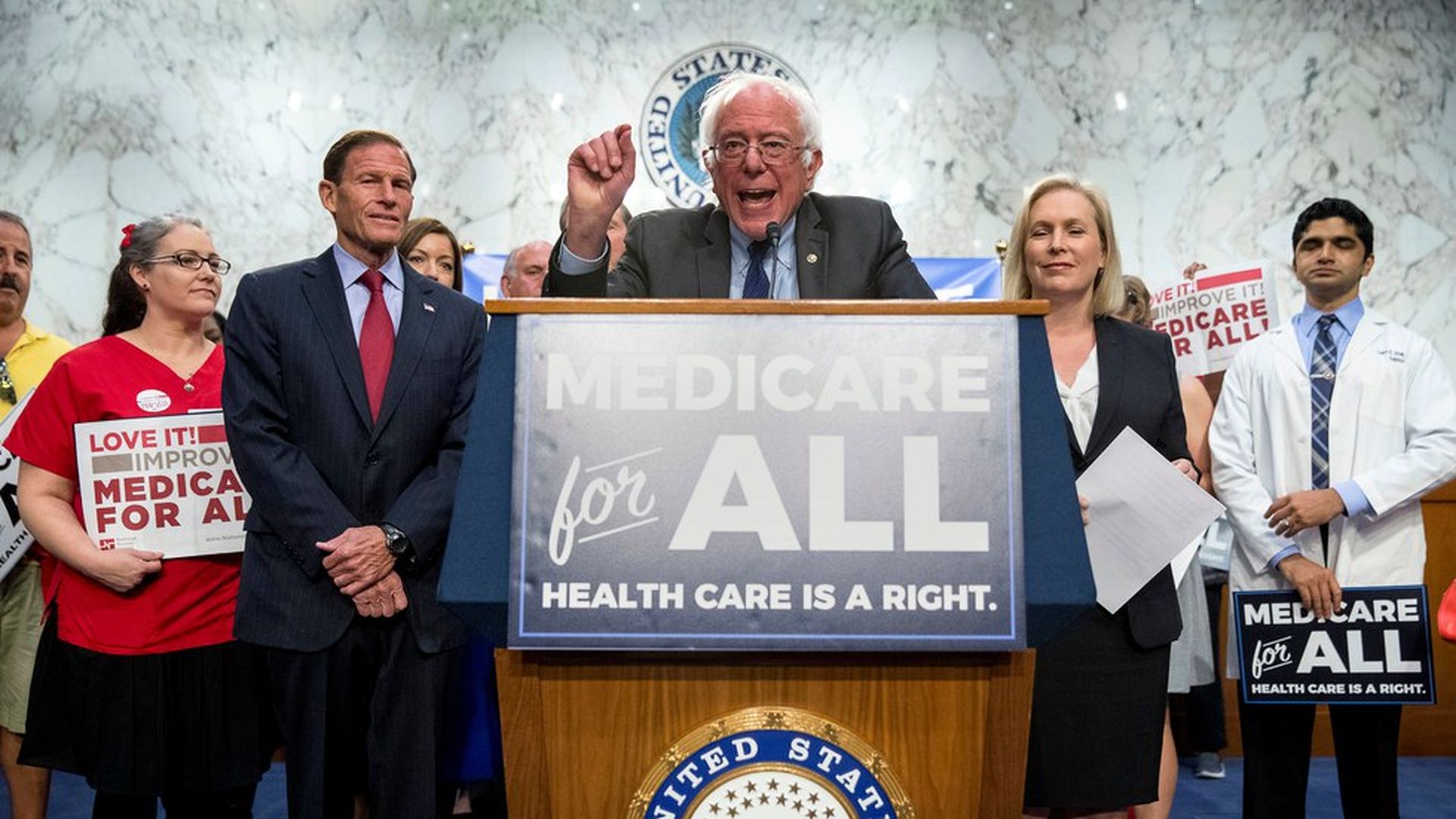
Sen. Bernie Sanders introduced his "Medicare for All" bill Wednesday afternoon, alongside a group of 16 cosponsors that includes some of the party's leading contenders for 2020.
The biggest obstacle facing Sanders' proposal is that it would be a big revenue suck. Sanders suggested that "there needs to be vigorous debate" about how to raise revenue to back it, "unlike the Republican leadership in Congress which held no hearings on their disastrous bill" that didn't pass through Congress.

GOP Senators' pitch for block grant health care funding
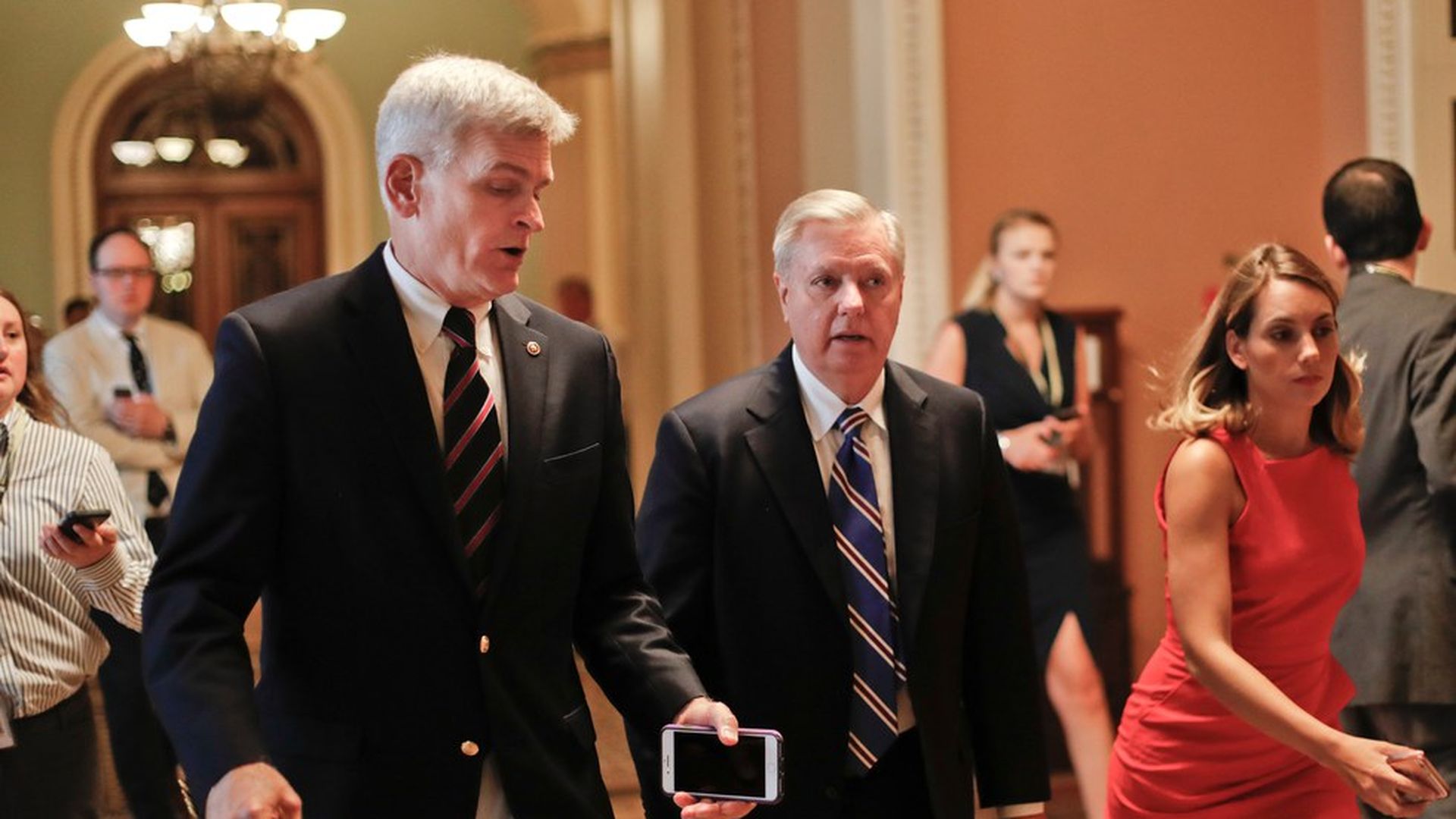
Sens. Lindsey Graham and Bill Cassidy pitched legislation Wednesday to block grant federal health care spending, rolling Medicaid and Affordable Care Act money into a fixed payment to each state. Graham said this would allow people to make their own decisions about their health care "instead of some bureaucrat in Washington."
"If you want a single health payer system, this is your worst nightmare. Bernie, this ends your dream," Graham said, referring to Senator Bernie Sanders' "Medicare for All" proposal.
Be smart: This is Republicans' last-ditch effort to repeal and replace the ACA before the clock runs out at the end of this month. So there's going to be a lot of chatter over the next few weeks about this, but it is almost certainly not going anywhere. Leadership isn't talking seriously about it, and it's very doubtful it has the 50 votes needed to pass.

The effect of Medicaid expansion on the uninsured
In 2012, the Supreme Court ruled the Affordable Care Act could not mandate each state to expand Medicaid eligibility. That decision, in effect, created a nationwide experiment to see how uninsured rates would change when states opened up the program to more low-income people.
The bottom line: States that didn't expand Medicaid have much higher uninsured rates compared with states that expanded Medicaid, according to the latest Census Bureau data. Hospitals and doctors in Medicaid expansion states consequently recorded more patient visits, although that has tapered off.
Newsworthy: Texas and Florida, states that did not expand Medicaid and are grappling with the aftermath of two massive hurricanes, have two of the highest uninsured rates in the country (16.6% in Texas and 12.5% in Florida).
Trump meeting with more moderates tomorrow
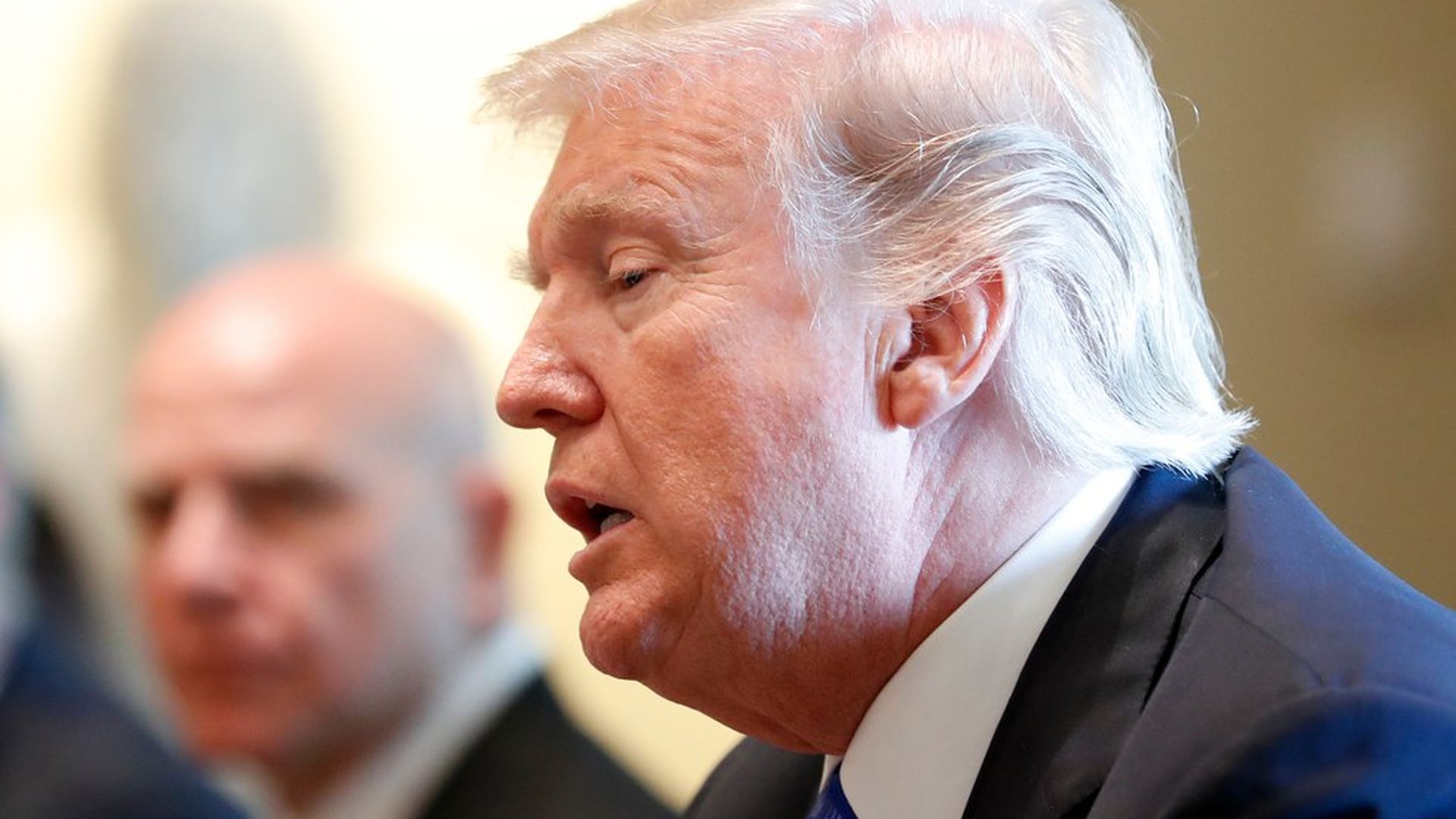
Trump will be meeting with Rep. Tom Reed (R-NY) and Josh Gottheimer (D-NJ), co-chairmen of the bipartisan Problem Solvers Caucus, in addition to nearly 10 more bipartisan members of Congress to talk DACA and tax reform, Politico reports. USAToday first reported on the meeting, also noting infrastructure and health care would be on the table, citing congressional sources familiar with the meeting.
Trump is also meeting with a group of bipartisan senators tonight, including Democrats Joe Manchin of West Virginia, Heidi Heitkamp of North Dakota, and Joe Donnelly of Indiana, per Bloomberg.
Why it matters: Both these meetings reflect Trump's recent willingness to buddy up with Dems and moderates, not just Republicans, as he begins his push on tax reform.