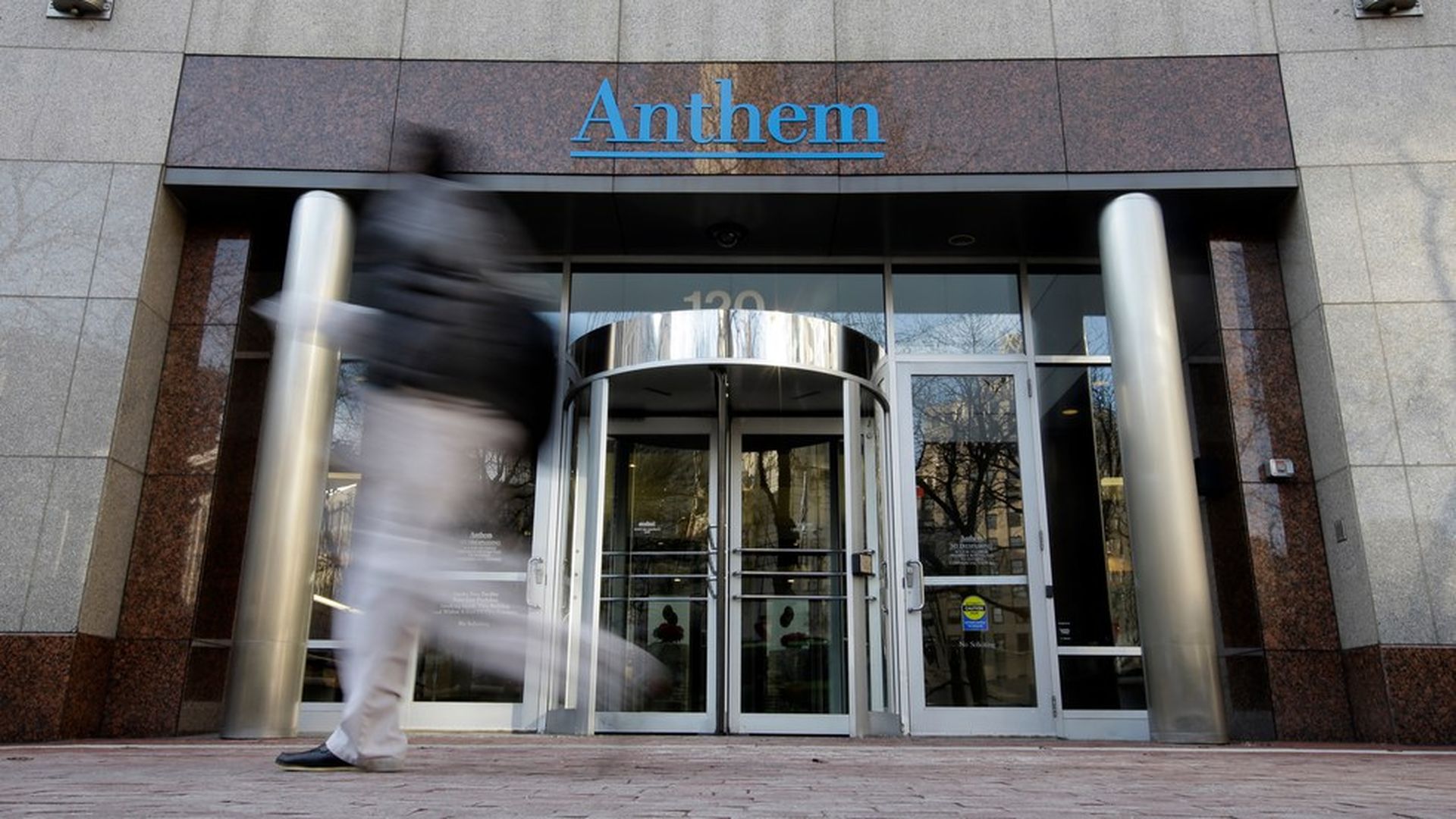
Anthem said Friday it will offer Affordable Care Act exchange plans in the 63 Virginia counties and cities that were at risk of having no choices next year after a smaller regional insurer, Optima, scaled back its expansion.
The upshot: There are officially no more counties with zero ACA options for 2018 (again). But don't read this as a benevolent move by Anthem, which withdrew its ACA plans in Virginia just a month ago. Anthem has made its ACA strategy clear: It will play where it has a monopoly, and leave where there could be competition.
New Mexico Health Connections, a not-for-profit insurance co-op funded through the Affordable Care Act, is a month overdue in filing its second-quarter financial paperwork. And the co-op's most recent documents, as well as federal ACA documents, show potentially large financial problems that could force New Mexico to shut the company down.
Why it matters: It's an ominous sign when a health insurer can't close its books, although a spokeswoman for NMHC said the state granted a filing extension. But the ACA's open enrollment for 2018 is not far away. This also could be another potential black eye for the ACA's co-op program, in which 19 of 23 companies have already gone under.
Medicare has signaled it will rubber-stamp almost every 2018 payment proposal made by the American Medical Association's clandestine panel of doctors — raising the ire of numerous advocacy groups and primary-care doctors, who believe the federal government is bending to the will of the powerful medical lobby.
The big picture: Critics believe Medicare's deference to the AMA panel creates a conflict of interest and steers federal spending toward more expensive procedures. And if the AMA panel distorts Medicare rates in favor of certain medical specialties, "that carries over into the private sector," said Frederick Isasi, executive director of the consumer group Families USA.