Thursday's health stories

FDA approves AbbVie's new, cheaper hepatitis C drug

The Food and Drug Administration gave the green light Thursday to Mavyret, a hepatitis C drug made by AbbVie. Mavyret's list price is $26,400 for an eight-week treatment, the most common, and $39,600 for 12 weeks, an AbbVie spokesperson told Axios.
Why it matters: AbbVie's latest hepatitis C drug is a lot cheaper than Harvoni, the dominant hepatitis C medication made by Gilead Sciences. Harvoni retails for about $63,000 for eight weeks, although Gilead gets only about half of that after rebates and discounts. Even still, the lower-cost Mavyret could force pharmacy benefit managers and health insurers to consider putting it on their preferred drug lists in addition to, or instead of, Gilead's drugs.
Aetna adds to thriving health insurance earnings season
Aetna's stock traded higher Thursday after the health insurer raked in immense second-quarter profits and raised expectations for the rest of the year.
Aetna's Q2 numbers: Net profit climbed 52% year over year to $1.2 billion. Revenue dropped slightly to $15.5 billion. Aetna also collected more premiums from Medicare, Medicaid and other government programs than commercial, job-based programs for the second straight quarter.
The big picture: UnitedHealth Group, Anthem, Humana and now Aetna each blew away Wall Street's profit projections this quarter, providing further proof that the largest health insurance companies are arguably the strongest they've ever been. It's also worth noting that those four insurers either exited or scaled back participation in the Affordable Care Act exchanges, and they benefited from the suspension of the ACA's health insurance tax.
Humana's profit engine: Medicare
Humana's stock jumped 4.5% Wednesday after the health insurance company more than doubled its second-quarter earnings to $650 million. Profit in the first half of the year was almost $1.8 billion, thanks in part to the termination fee Humana received from Aetna following their failed merger. Humana's market cap is now around $35 billion, which would make it harder for a competing insurer to buy it.
The bottom line: Humana's profit is growing like gangbusters because its primary health plan business, Medicare Advantage, coincides with the rapid aging of the country's baby boomers. Humana has almost 3.3 million people in one of its Medicare Advantage plans and another 5.2 million in its Medicare prescription drug plans.
Worth noting: Humana is ditching the Affordable Care Act's individual exchanges, but the company collected a $118 million profit from ACA plans in the second quarter.
Molina posts huge loss, will exit two states' ACA markets
Molina Healthcare lost $230 million in the second quarter this year — catching investors, who expected a slim profit, off guard. The Affordable Care Act exchanges wreaked havoc on the health insurer, which is pulling out of Utah and Wisconsin, pruning its participation in other states and laying off 7% of its workforce. Most of Molina's business is in Medicaid contracts with states.
The numbers: $230 million net loss, compared with a $33 million profit in the same period a year ago. Revenue increased 15% to $5 billion. Molina will cut expenses by up to $400 million by the end of next year — $55 million has already come from layoffs and restructuring.
Centene hires former HealthCare.gov chief
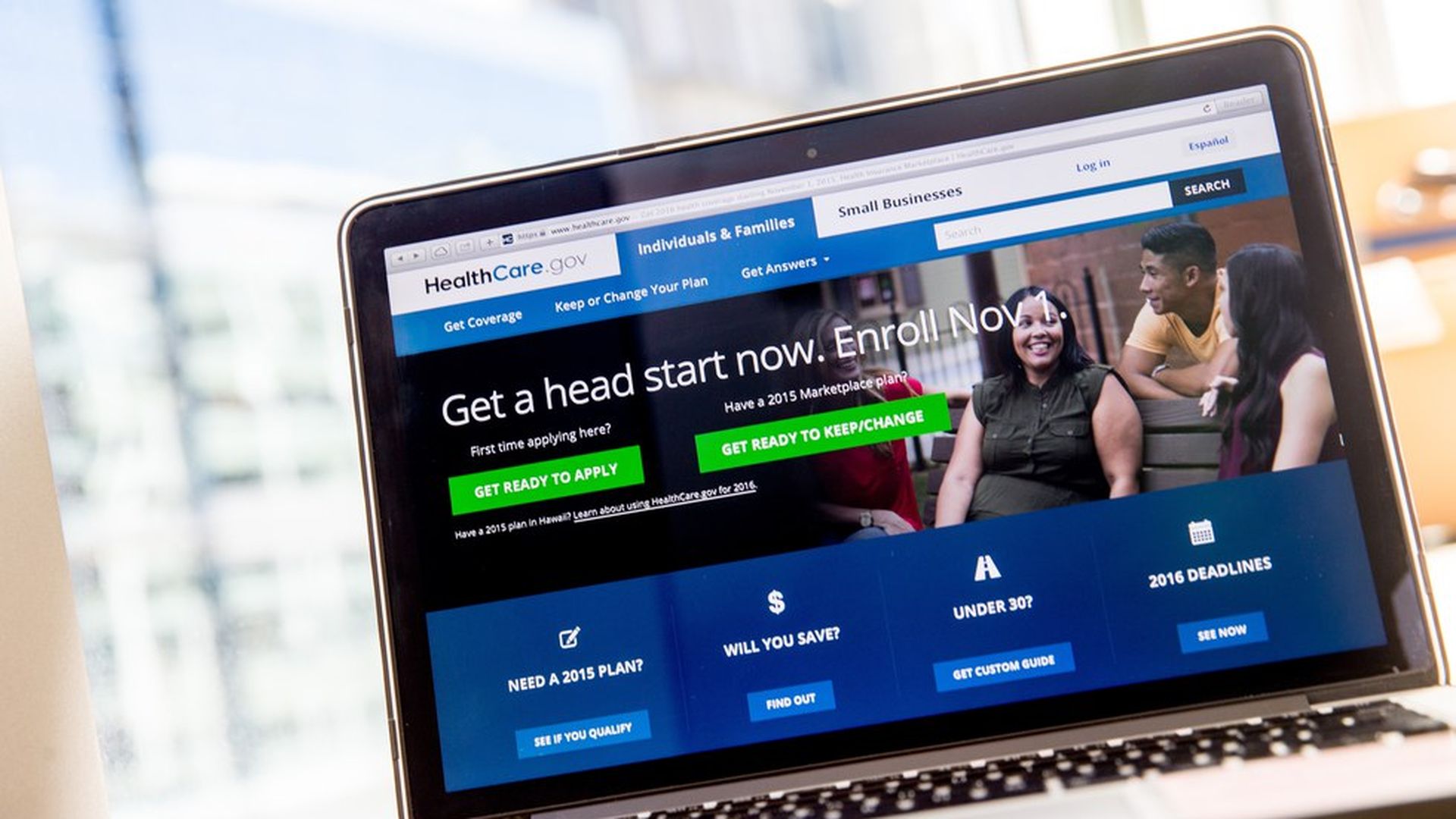
Kevin Counihan, the former head of the federal HealthCare.gov insurance exchange, has joined Centene, Vox reports. He will oversee Centene's health plans in the Midwest.
Why it matters: Counihan was an important Obama administration official — HealthCare.gov serves as the individual health insurance hub for 39 states that did not set up their own exchange. And now he's moving to Centene, which is mostly known for its Medicaid plans but has also embraced the ACA markets and is making a profit on those plans.
BCBS of North Carolina lowers ACA rate increases
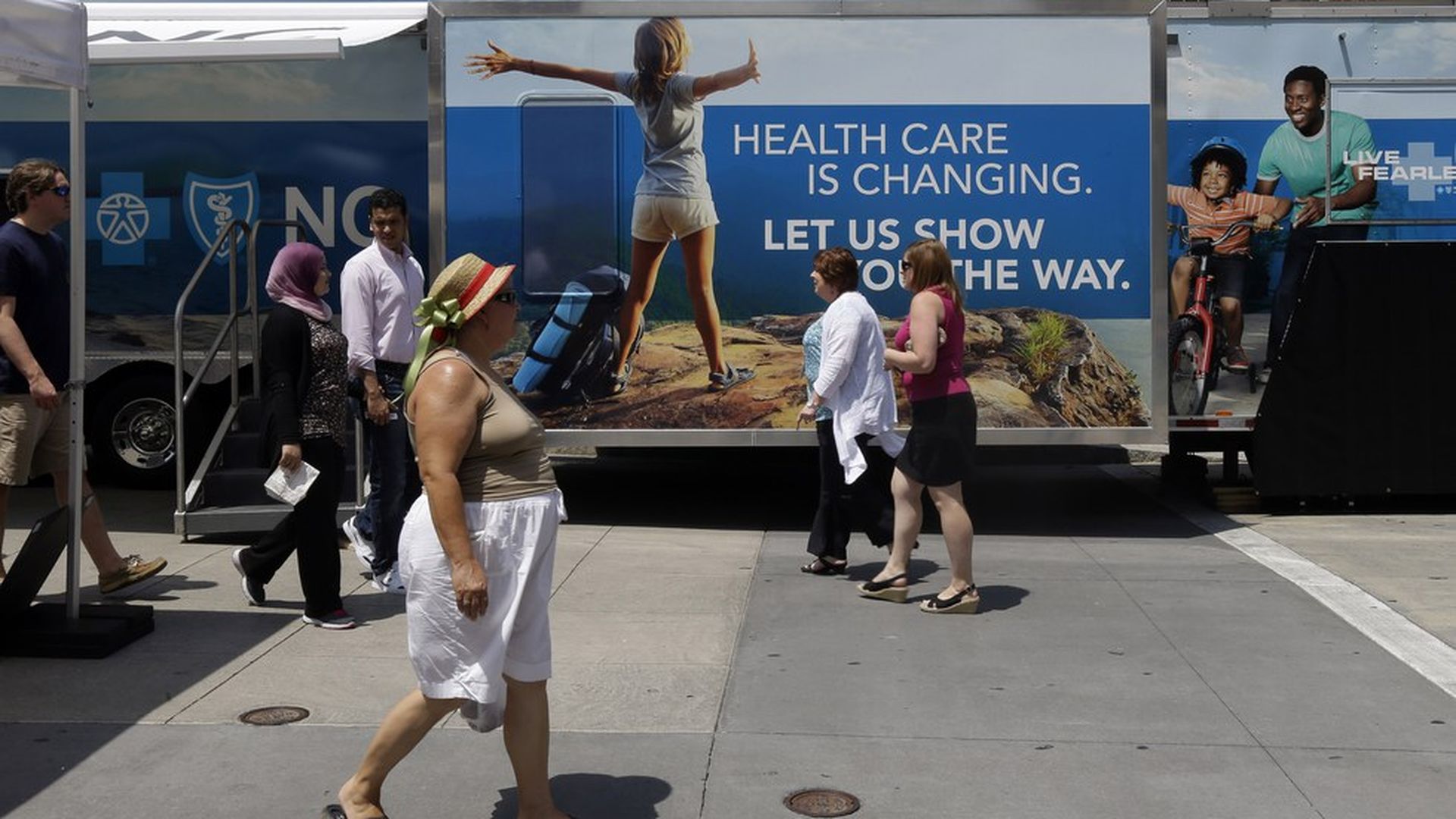
Blue Cross Blue Shield of North Carolina will lower its average proposed rate hike on individual Affordable Care Act plans from 23% to 14%, the insurer said Wednesday. The medical costs of people in the ACA market are not expected to be as high, although uncertainty still remains around the law's cost-sharing reduction subsidies.
Key quote: "The individual market in North Carolina has become less volatile."
Go deeper: Many Blue Cross Blue Shield plans have started making money on ACA plans this year, as health insurance companies have finally gotten a grip on how to predict costs for this market. However, middle-income people who don't qualify for subsidies and buy outside the exchange are struggling with higher premiums.