Monday's health stories

Researchers discover biological link for chronic fatigue syndrome

Researchers at Stanford University have discovered a possible biological indicator behind chronic fatigue syndrome, a disorder doctors have struggled to identify as psychological or biological, per STAT.
The mechanism: The researchers found that people with chronic fatigue syndrome had levels of 17 kinds of cytokines in their blood that varied with the severity of the disease. Cytokines are molecules used by the body to signal an immune response.
Worth noting: Elevated cytokine levels aren't necessarily the cause of the disorder, but they are clearly associated with it — and help to validate patients' complaints.
Why it matters: If chronic fatigue syndrome isn't just in patients' heads, there is hope for a clinical test in order to quickly and easily diagnose it.
Opioid commission tells Trump to declare national emergency
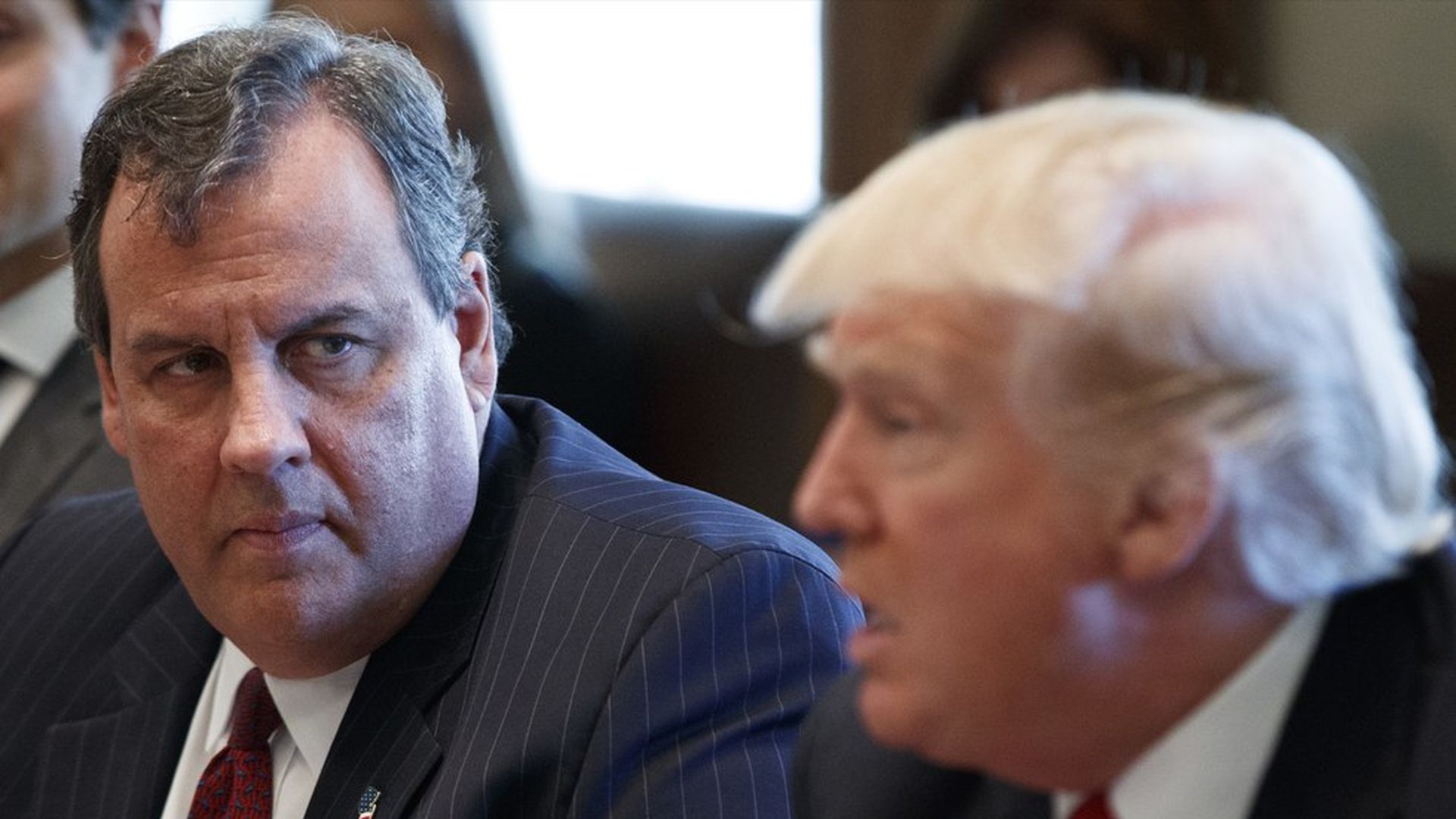
The White House's Commission on Combating Drug Addiction and the Opioid Crisis — created by executive order in March and chaired by Chris Christie — issued an interim report today with a big recommendation to President Trump: declare a national emergency to respond to the country's opioid crisis, per STAT.
The big picture: Florida, Arizona, and Maryland, have each already declared a state of emergency at the state level in order to more effectively respond to the opioid crisis.
Why it matters: The Senate's plan to repeal and replace the Affordable Care Act had included billions of dollars directly targeted at combating the opioid crisis, but with GOP health reform dead in the water, the White House might need to undertake its own strategy on the issue.

Ohio health insurers will fill in most empty ACA counties

Five health insurance companies have agreed to sell individual Affordable Care Act plans in 19 of the 20 counties that were at risk of having no options next year, the Ohio Department of Insurance said Monday. Ohio is still looking to find a willing company to fill the 20th county, Paulding County in the northwestern part of the state.
What it means: Thousands of Ohioans who buy health coverage on the ACA exchange now will have at least one carrier for next year after Anthem, the large for-profit Blue Cross Blue Shield company, pulled its Ohio ACA plans in June.
The companies entering Ohio's bare counties: Buckeye Health Plan (owned by Centene), CareSource, Medical Mutual of Ohio, Molina Healthcare and Paramount Health Care (owned by not-for-profit hospital system ProMedica).

Bernie's middle America themes: death and despair
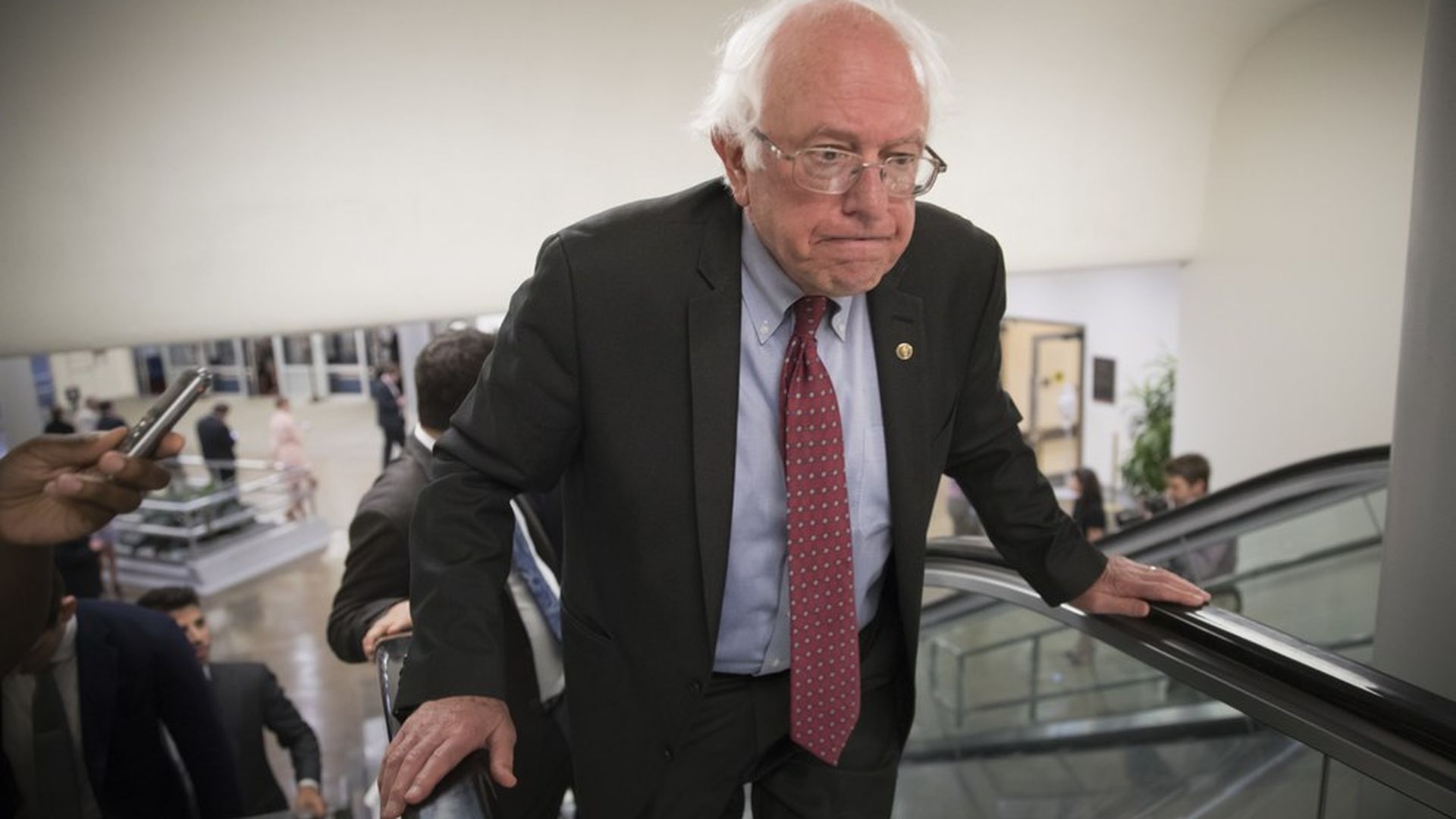
The New Yorker's Benjamin Wallace-Wells writes of "Bernie Sanders's not-quite-finished campaign:"
"Death and despair have been Sanders's themes since he launched his Presidential campaign. … His speeches, blunt and workmanlike, depend upon dramatizing social statistics."
From West Virginia, he headed to Covington, Kentucky, in an area where the opioid epidemic has been particularly devastating. What had gone so badly in people's lives that they were turning to heroin and opioids? 'There is something going on in West Virginia and Kentucky which is unbelievable, which is what sociologists call the illnesses of despair,' Sanders told me.
He had been to parts of West Virginia where there were very few jobs, 'fewer that pay a living wage,' and there was a steep psychic cost. "There is a lot of pain. And we've got to understand that reality. And then tell these people that their problems are not caused by some Mexican making eight dollars an hour picking strawberries.
Why the ACA markets could actually collapse — with Trump's help

Health insurers are getting awfully close to hitting the panic button. Now that the Republican push to partially repeal the Affordable Care Act has fallen apart, industry groups desperately hope Congress can move quickly to patch the problems in the ACA marketplaces. The highest priority, by far, is funding the law's cost-sharing subsidies — the payments to insurers that help reduce deductibles and other out-of-pocket costs for low-income people.
The overhanging problem: President Trump threatened to cut off those subsidies yet again over the weekend, which experts say would force insurers to leave and would lead to an immediate collapse of the individual markets. And now, in the wake of the Republican repeal blunder, the industry is worried Trump will be more impulsive and follow through on his latest warning.