Friday's health stories

Scientists piece together extinct poxvirus

Researchers have re-created the extinct horsepox virus, which is closely related to smallpox, by cobbling together a patchwork of remaining pieces of DNA. The Canadian team's methods haven't been published but were reported in the news section of the journal Science on Thursday. Horsepox is harmless to humans, but scientists say this research means that smallpox may not be as extinct as previously thought.
"No question. If it's possible with horsepox, it's possible with smallpox," virologist Gerd Sutter of Ludwig Maximilians University in Munich, Germany, told Science. A World Health Organization report on the research says that recreating viruses this way takes little time, money or skill.
Why it matters: Smallpox plagued humans for thousands of years, before it was eradicated in 1977. The disease was horrific: before the smallpox vaccination was created, 1 out of 10 children in France and 1 in 7 children in Russia would die from the virus.

World's largest online illegal drug marketplace goes dark

AlphaBay, the largest online marketplace for drugs, has been out of commission for the past two days, prompting users to question the reasons behind its outage, per the New York Times.
- Possibility #1: The site has been seized by federal investigators, much like the Silk Road in 2013.
- Possibility #2: The site's operators have shut it down in an "exit scam," making off with users' deposited cash — no small sum since AlphaBay routinely cleared $600,000 to $800,000 daily.
- Possibility #3: The site is simply down for maintenance, as one of its administrators claimed in a post on Reddit.
Why it matters: With the opioid epidemic raging, dark web drug sites are a big source of illegal drugs — but even if the federal government managed to shut down AlphaBay, there are already plenty of competitors ready to take its place.

Breaking through the brain's barrier
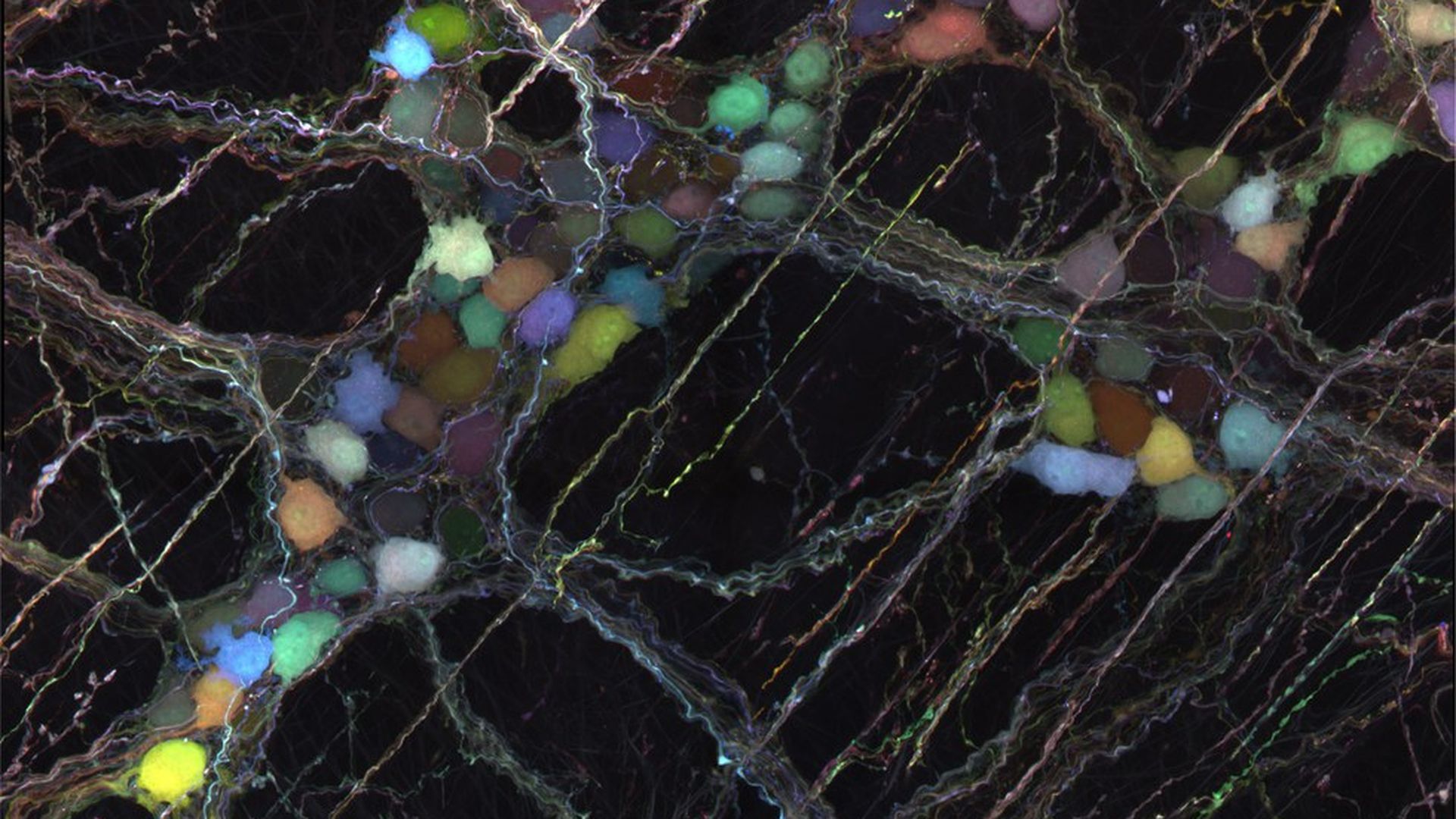
A strong defense system allows what the brain needs in and keeps out toxins and pathogens. It's a vital function that also stops promising drugs from reaching their target (think: a tumor) and prevents neuroscientists from probing how the brain works. Scientists at Caltech have now engineered viruses that can bypass this barrier in mice and deliver genes to many different types of cells.
Why it matters: In the past few decades, a wealth of tools have been created to study the brain — neurons can be individually labeled and imaged, genes can conceivably be edited, and the brain's cells can be manipulated with light in order to see what effect it has on functions like memory. But that all hinges on getting into the brain. This new work opens up the brain's intricacies for unprecedented study and possibly treatment of neural disorders (like Parkinson's and Huntington's diseases), brain cancers, and Friedreich's ataxia and other peripheral nervous system diseases.

Drug company pulls powerful opioid off the market
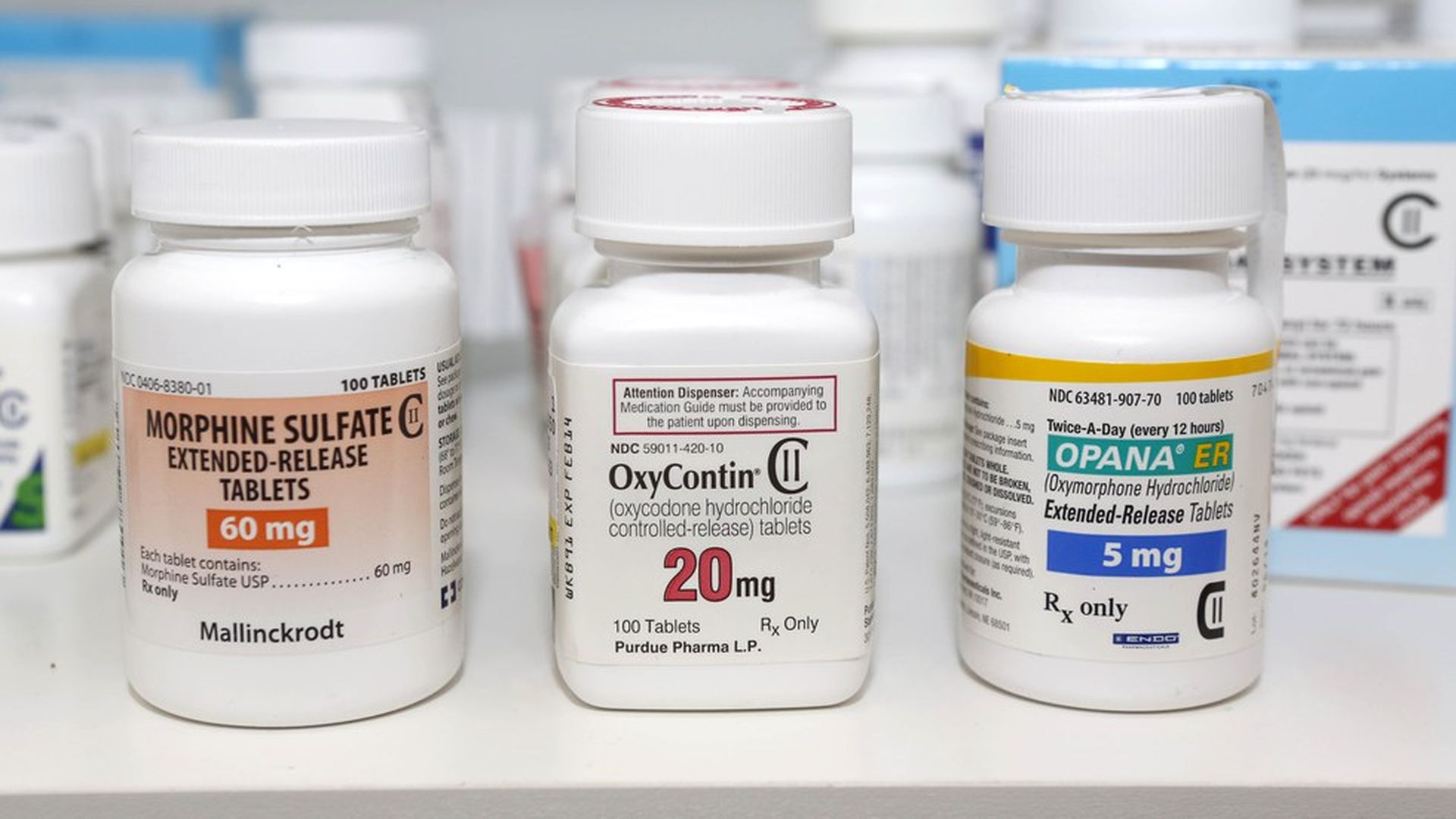
Pharmaceutical company Endo International is removing Opana, a powerful painkiller, from the market. Endo's decision comes a month after Scott Gottlieb, commissioner of the Food and Drug Administration, pressured Endo to pull Opana off the market in light of the widespread opioid crisis that has led to record deaths.
The removal will cost Endo a one-time charge of $20 million, the company said Thursday. Opana brought in $159 million in sales for Endo last year.

Ibuprofen revival as surgery doctors turn on opioids
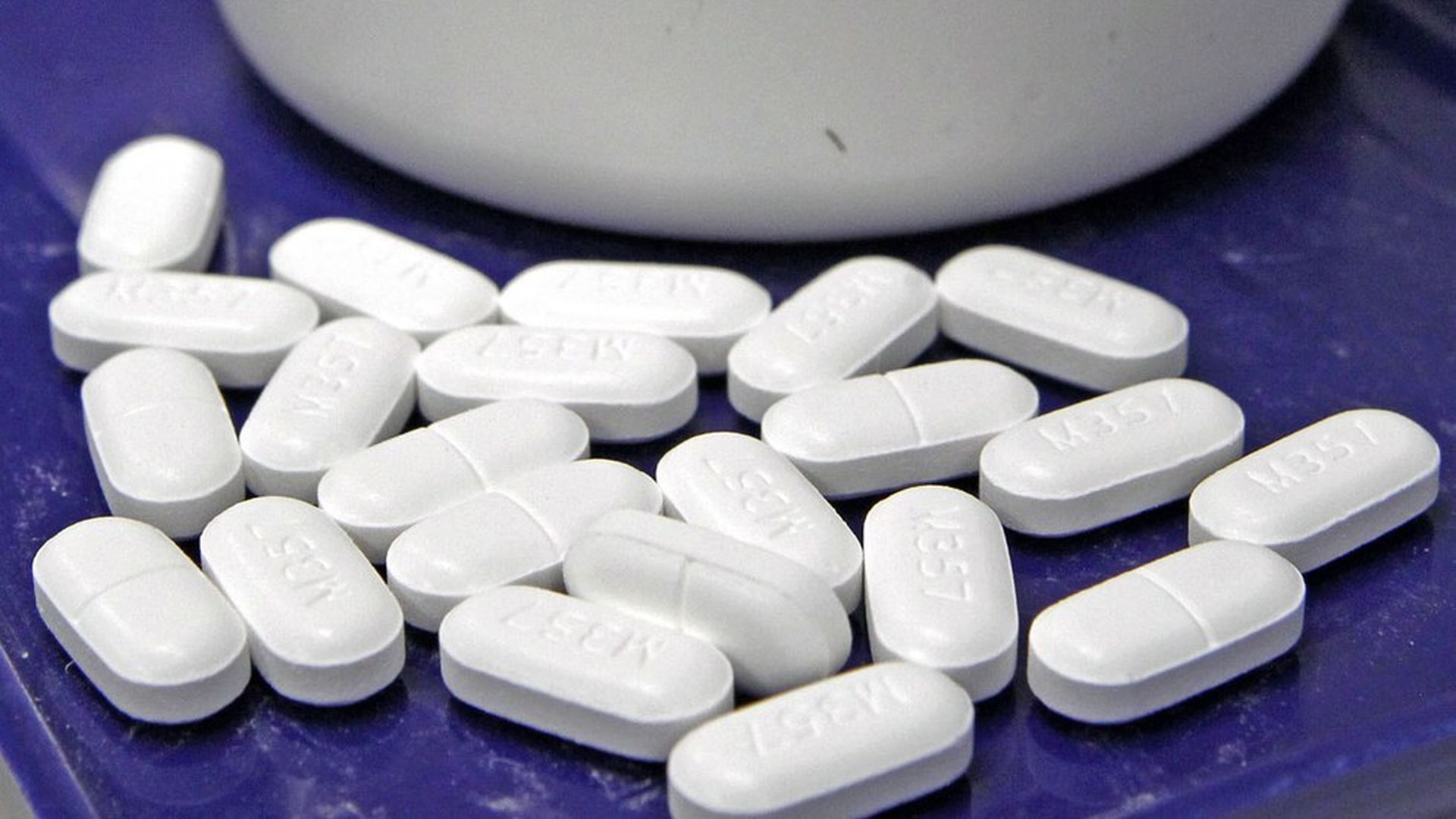
In the wake of the dangerous opioid epidemic that is currently plaguing the United States, some doctors have decided to forgo prescribing opioids and are instead turning to long-established drugs like Novocain and ibuprofen to perform surgeries, Bloomberg reports. They're also increasingly advising patients to seek massage and mediation treatments to supplement pain medication.
"Opioids are being shunned," said Lynn Webster, an anesthesiologist and vice president at PRA Health Sciences Inc. "Physicians are avoiding prescribing them for fear of losing their licenses."
Their reasoning: Drug overdoses are now the leading cause of death among Americans under 50, and the numbers are expected to worsen in 2017, according to the NY Times. Meanwhile, doctors are still writing hundreds of millions opioid prescriptions every year. This leaves doctors vulnerable to malpractice and other criminal charges. The alternative drug push is key to protecting doctors from losing their licenses, and patients from getting hooked.