Tuesday's health stories

Major Blue Cross Blue Shield insurer reverses ACA losses
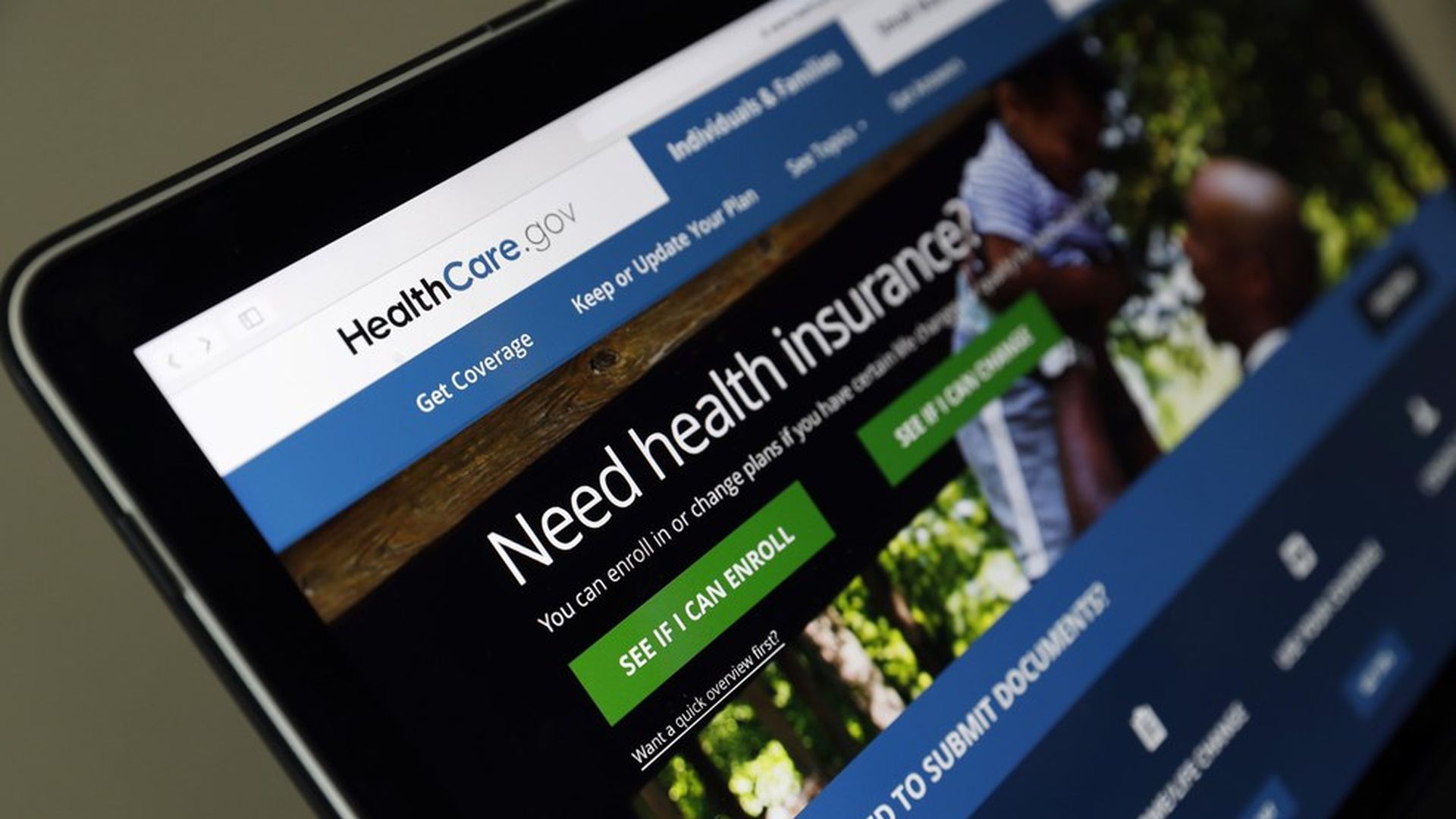
Health Care Service Corp. — the parent company of the Blue Cross and Blue Shield affiliates in Illinois, Montana, New Mexico, Oklahoma and Texas — recorded an $869 million profit in the first quarter of 2017, according to the company's latest financial documents. That was a $1.3 billion turnaround after HCSC lost $442 million in the first quarter of 2016.
How to interpret this: The Affordable Care Act exchanges in some areas are hurting, but overall are not imploding. Many insurance companies continue to do well (like Florida Blue) or are turning things around (like HCSC). And HCSC carries a lot of weight, since it covers nearly 1.1 million people in ACA plans and is the largest Blue Cross and Blue Shield company after Anthem.
Trump's budget doesn't touch drug pricing
Even though President Trump has said pharmaceutical companies are "getting away with murder," his first budget for the Department of Health and Human Services does nothing to change how prescription drugs are priced.
The budget is usually just a political wish list, which makes it surprising that Trump didn't include ideas he mentioned on the campaign trail, like allowing Medicare to negotiate drug prices. There's also no mention of mandating Medicaid-type rebates for low-income people on Medicare.
What they're saying: "The lack of any mention in the budget makes us question whether this is truly an issue of importance to the administration." — Spencer Perlman, managing partner at Veda Partners
People don't really use health care price transparency tools
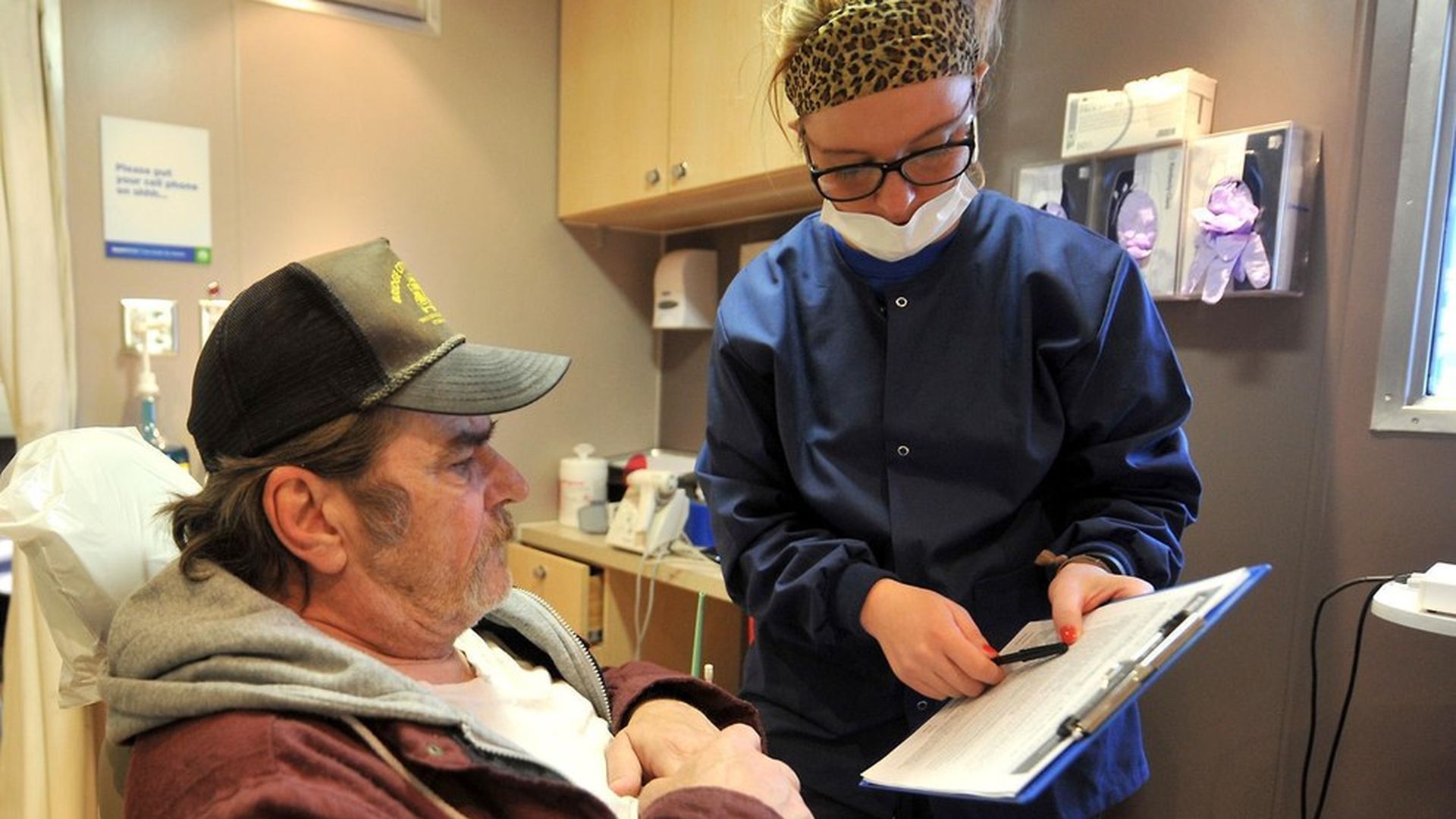
Few people take advantage of resources that allow them to research the prices of health care services from doctors and hospitals, according to a new study in the Journal of Health Care Organization, Provision, and Financing.
Only 11% of families who had access to the price transparency tools used them at least once in the year that was studied. Younger, more affluent workers with high deductibles were most likely to use the tools.
Why this matters: Many experts believe price transparency is the golden ticket to lower health care spending. But this study adds to the evidence that people don't flock to these kinds of tools when they are made available. In addition, since people can't shop around for a deal during a heart attack or other expensive emergencies, price transparency tools would have only a modest effect on "shoppable" health care procedures.

First-class travel, hotel suites: WHO spending under scrutiny
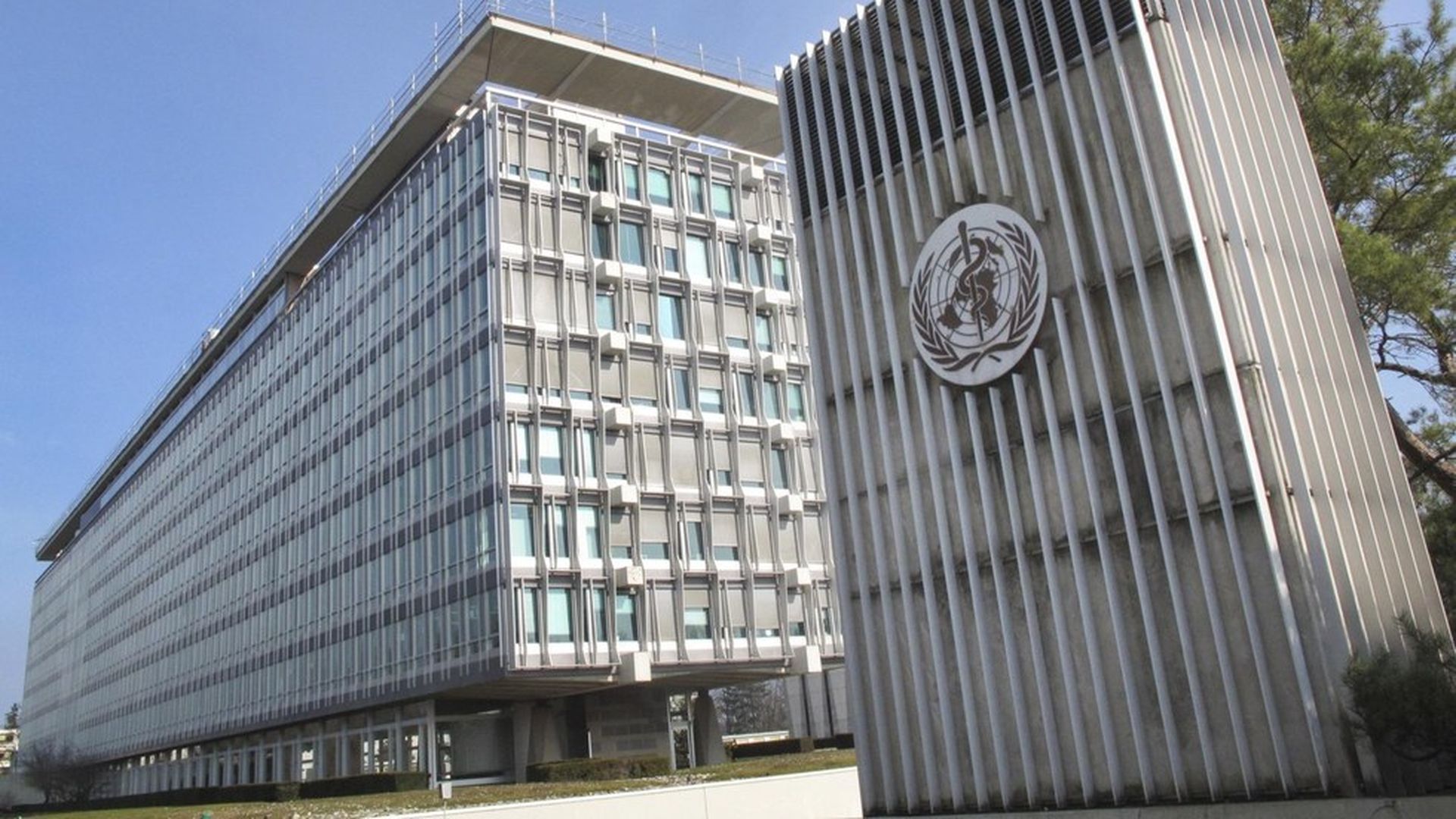
The World Health Organization nearly spent more on travel for its 7,000 staffers in 2016 — $201 million — than its combined programs for AIDS, hepatitis, malaria, tuberculosis, mental health, and substance abuse, which total $213.5 million, per the AP.
- How it happened: Lax rules surrounding first-class travel and hotel bookings allowed WHO employees to ignore official travel policy. For example, the agency's Ebola head spent nearly $400,000 in West Africa during the crisis, often opting for helicopter travel.
- Comparisons: Doctors Without Borders spent $43 million on travel for its 37,000 aid workers; UNICEF spent $140 million for its 13,000 staffers.
- Worth noting: The agency's polio expenditures hit $450 million last year.