Monday's health stories

People don't really use health care price transparency tools
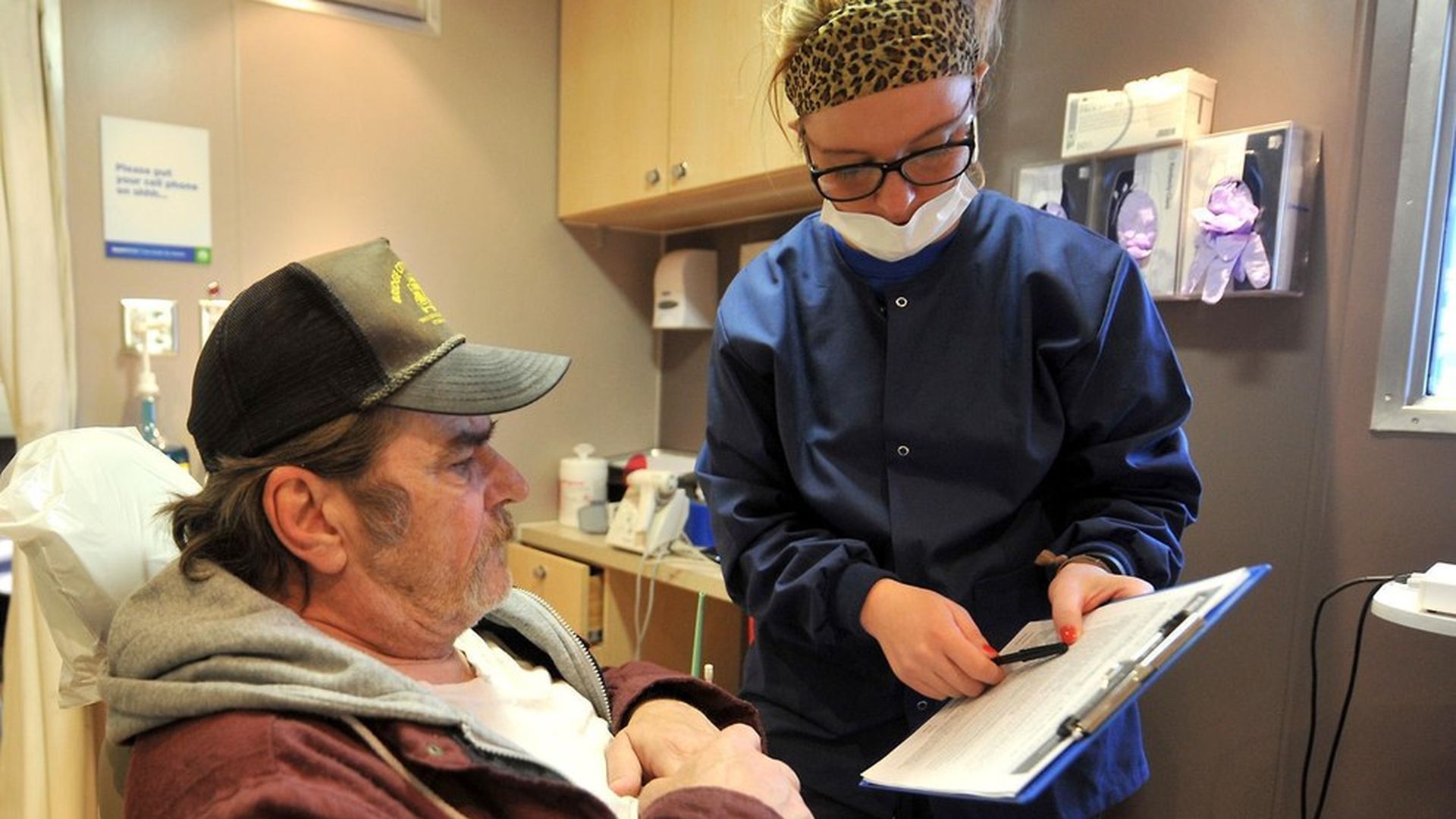
Few people take advantage of resources that allow them to research the prices of health care services from doctors and hospitals, according to a new study in the Journal of Health Care Organization, Provision, and Financing.
Only 11% of families who had access to the price transparency tools used them at least once in the year that was studied. Younger, more affluent workers with high deductibles were most likely to use the tools.
Why this matters: Many experts believe price transparency is the golden ticket to lower health care spending. But this study adds to the evidence that people don't flock to these kinds of tools when they are made available. In addition, since people can't shop around for a deal during a heart attack or other expensive emergencies, price transparency tools would have only a modest effect on "shoppable" health care procedures.

First-class travel, hotel suites: WHO spending under scrutiny
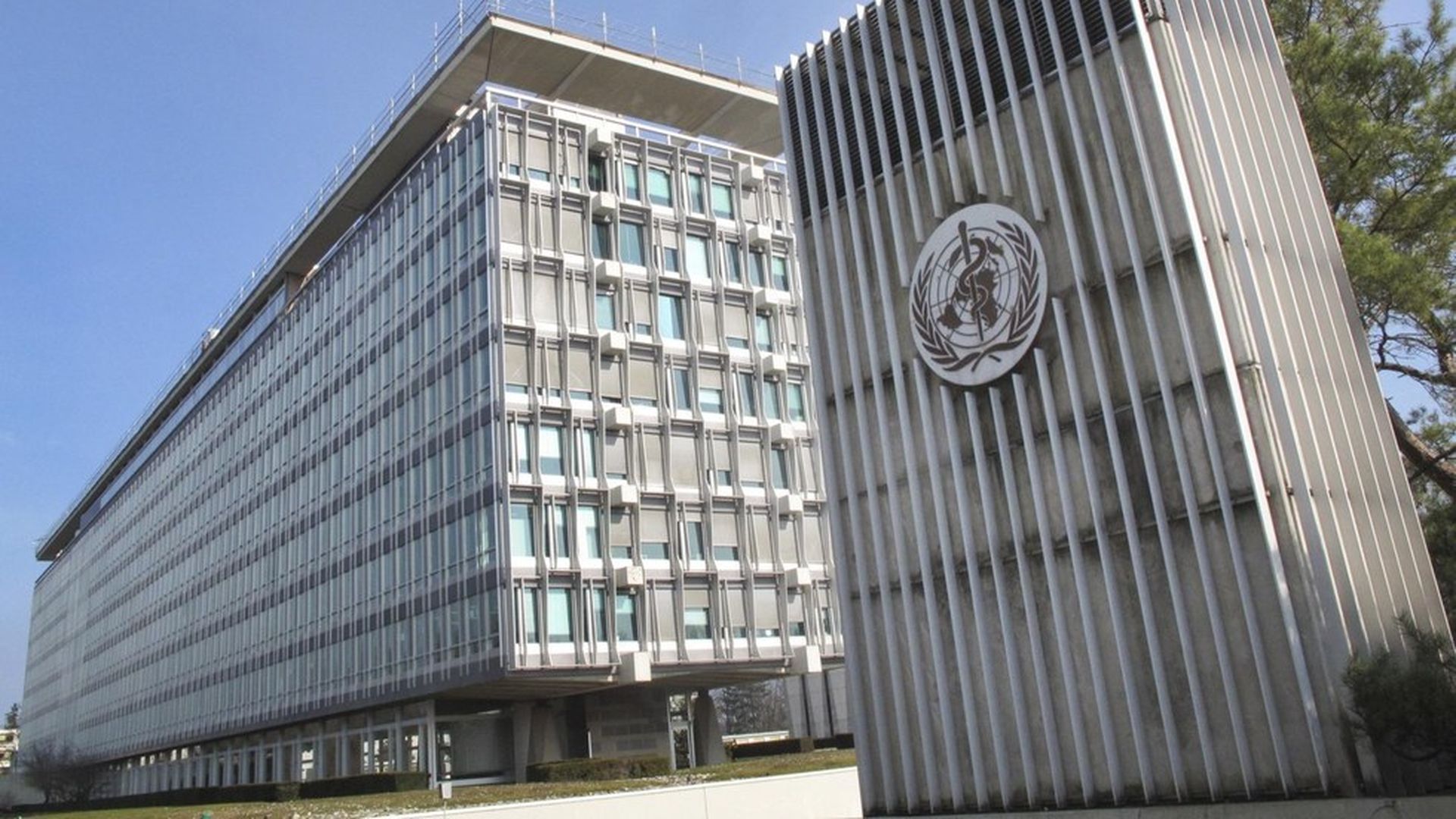
The World Health Organization nearly spent more on travel for its 7,000 staffers in 2016 — $201 million — than its combined programs for AIDS, hepatitis, malaria, tuberculosis, mental health, and substance abuse, which total $213.5 million, per the AP.
- How it happened: Lax rules surrounding first-class travel and hotel bookings allowed WHO employees to ignore official travel policy. For example, the agency's Ebola head spent nearly $400,000 in West Africa during the crisis, often opting for helicopter travel.
- Comparisons: Doctors Without Borders spent $43 million on travel for its 37,000 aid workers; UNICEF spent $140 million for its 13,000 staffers.
- Worth noting: The agency's polio expenditures hit $450 million last year.