Thursday's health stories

New drug for rare pediatric disease will cost $702k per year
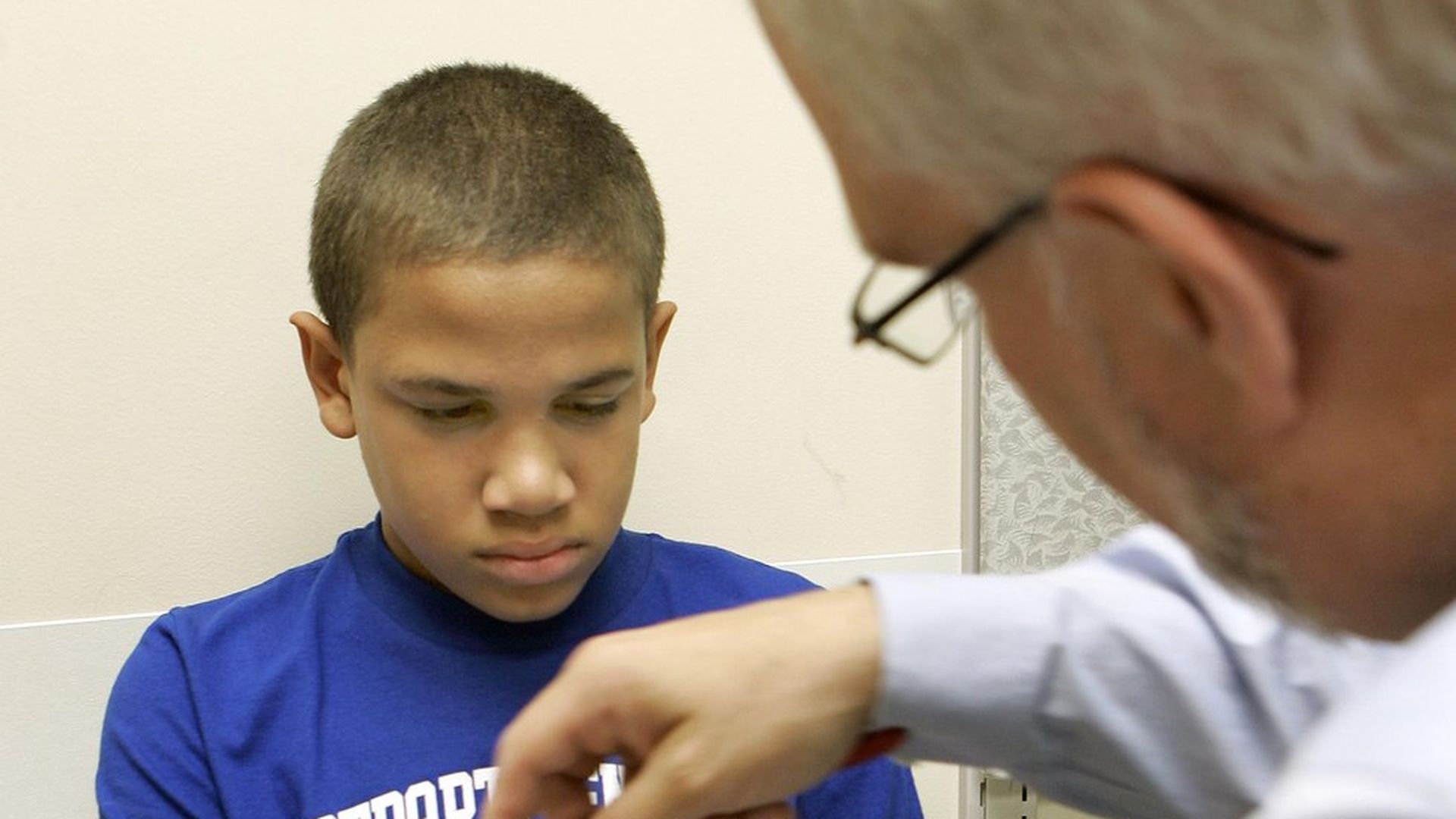
The FDA approved Brineura on Thursday, the first drug to treat a rare, fatal nervous system disorder called Batten disease that affects children. BioMarin Pharmaceutical makes the so-called orphan drug and will charge $27,000 for treatment every two weeks, or $702,000 per year, executives said Thursday. That does not include discounts from Medicaid or other discount programs.
That's a huge price tag, but that's not all: BioMarin secured another priority review voucher, which allows a company to get a speedier drug review from the FDA. BioMarin sold its first voucher in 2014 for $67.5 million.
Molina will exit exchanges if ACA payments aren't made
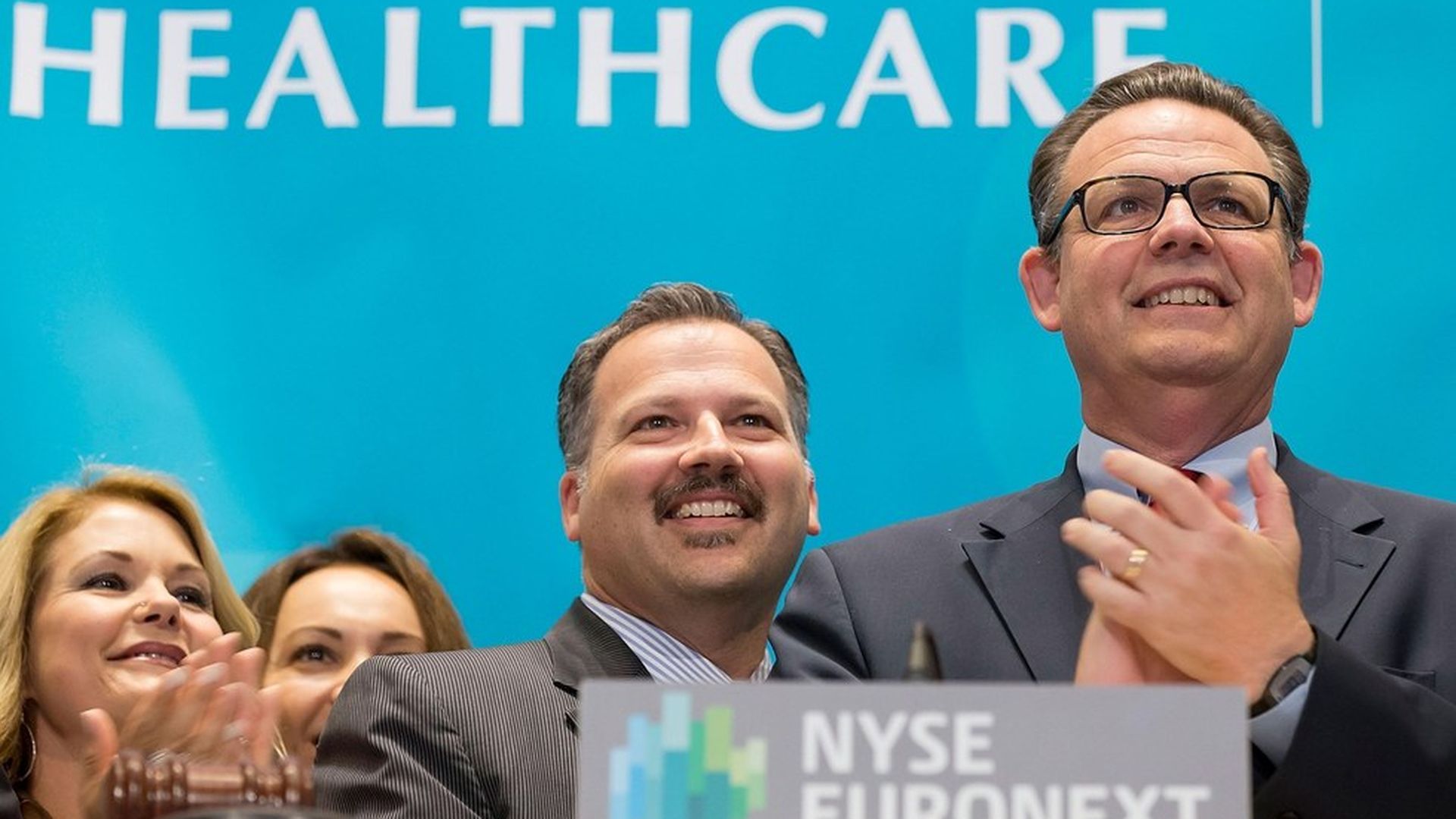
Dr. J. Mario Molina, CEO of health insurer Molina Healthcare, sent a warning Thursday to Republicans in Congress and the Trump administration: If the Affordable Care Act cost-sharing reduction subsidies are not funded, Molina will "withdraw from the marketplace immediately." Molina's letter — addressed to Paul Ryan, Mitch McConnell, Nancy Pelosi and Chuck Schumer — said the company has priced the subsidies into next year's premiums and that they are "not a bailout or windfall."
Why this matters: Molina — a Medicaid-based insurer that has thrived in the exchanges — is threatening to throw people off of their health coverage this year and also refuse to participate next year. Roughly 1 million people have a Molina ACA plan. Molina's letter adds a fresh sense of urgency and embodies what the entire health care industry wants: certainty that funding will continue.

Senate Dems stonefaced on ACA insurer subsidies
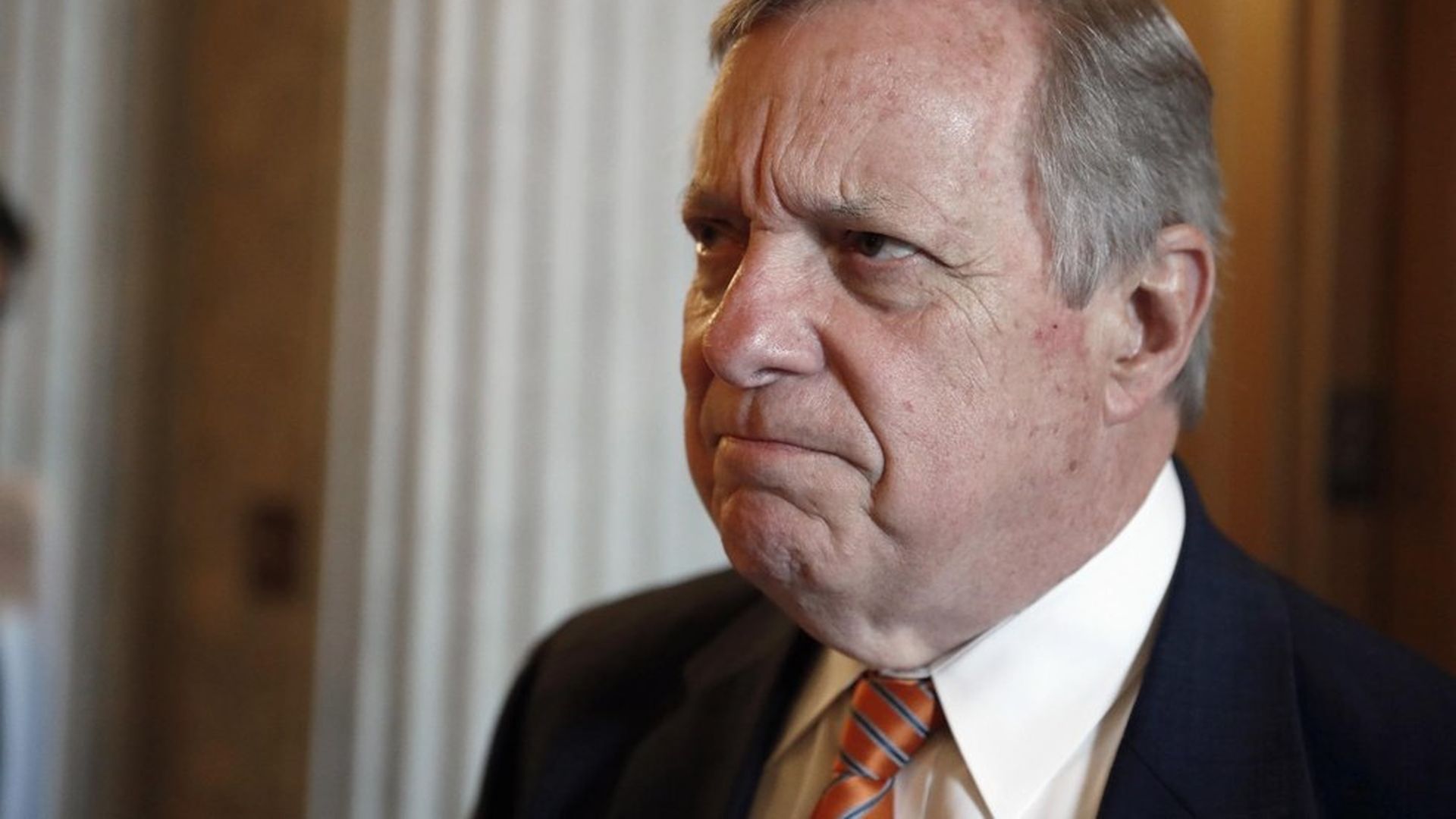
Senate Democrats were noncommittal today when asked if the removal of ACA insurer subsidies was a deal-breaker for any spending bill ahead of this weekend's possible government shutdown. One common refrain on the Hill today: it's an executive branch issue — and it's up to the Trump administration to fund the subsidies.
Between the lines: The comments suggest that House Minority Leader Nancy Pelosi isn't getting a lot of support from her Senate colleagues as she tries to push the Trump administration to include the subsidies. Senate Democrats aren't voicing a willingness to trigger a shutdown over insurer subsidies. Their play right now looks to be to make it Trump's problem while avoiding getting the blood of a shutdown on their hands.

Paul Ryan excludes ACA payments to insurers in spending bill
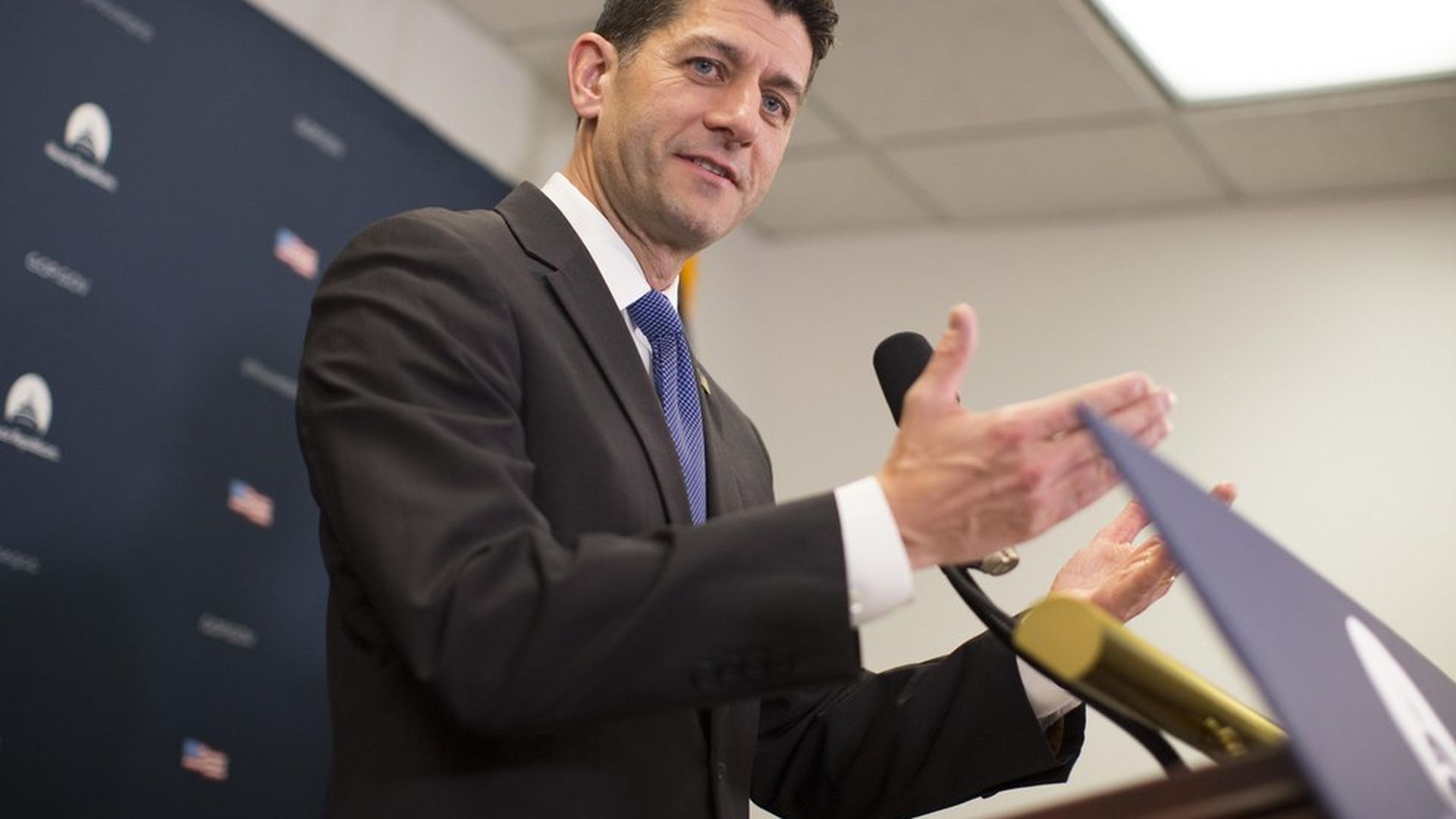
House Speaker Paul Ryan said this month's spending bill wouldn't include payments for insurers that would lower their additional ACA cost burden — by reimbursing them for lowering deductibles, copayments, and coinsurance — according to the WSJ.
Why it matters: This could cause a collapse in health plans this year, according to insurers. This move brings additional uncertainty to the healthcare marketplace, as insurers' deadlines to decide on the framework for 2018 plans looms in a few weeks.
Anthem assumes ACA cost-sharing payments will be funded
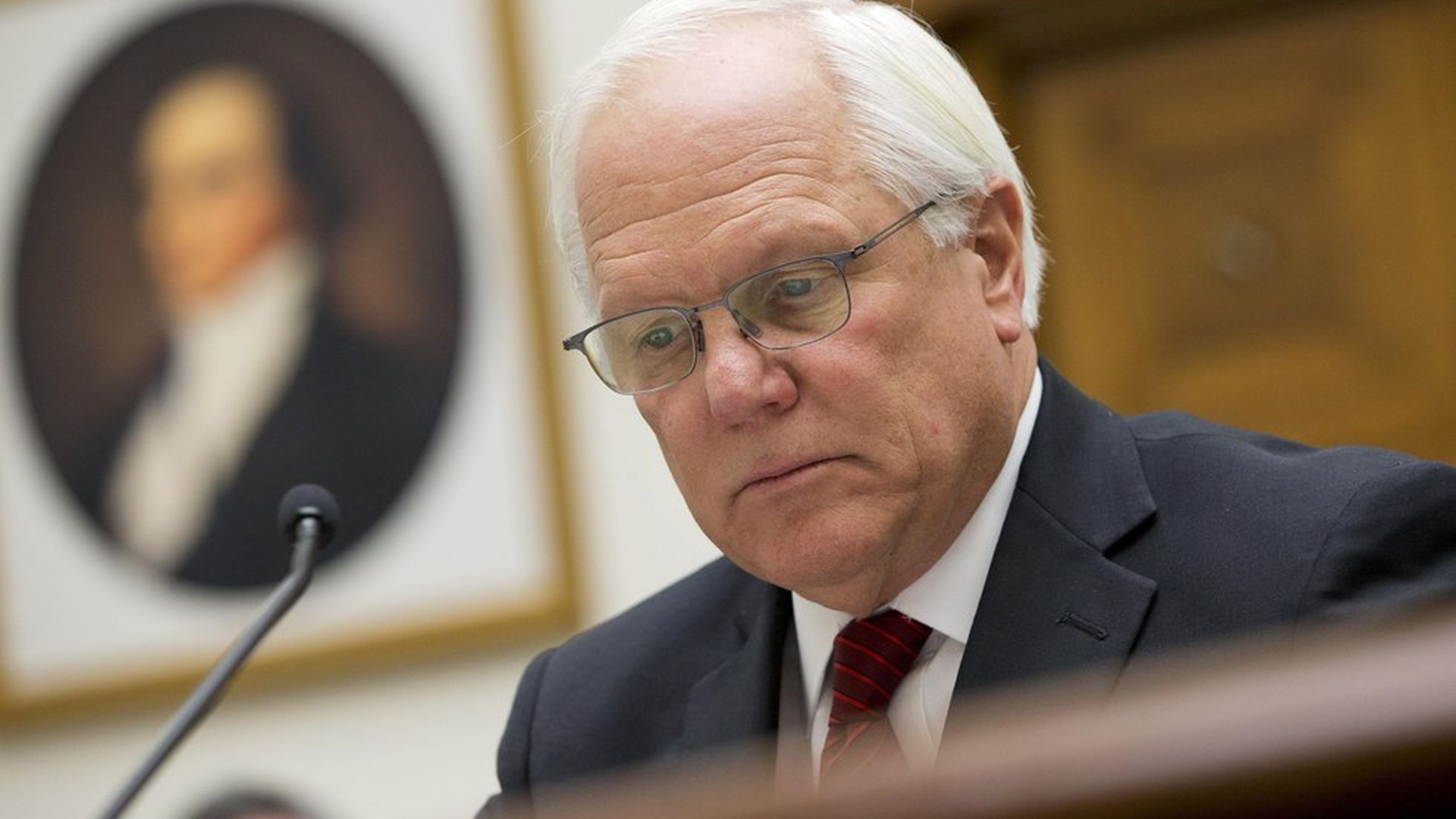
Anthem CEO Joseph Swedish told investors Wednesday during the health insurer's first-quarter earnings call that the insurer will stay in the Affordable Care Act marketplaces for now, and that he expects Congress will fund the law's cost-sharing subsidies for low-income people. But Anthem, which has 1.6 million members with ACA-compliant health plans, also put Congress on the clock.
"We plan to file preliminary 2018 rates with the assumption that the cost-sharing reduction subsidies will be funded." — Anthem CEO Joseph Swedish.
The deadline: Early June. If Anthem doesn't find out about the cost-sharing subsidies by then, Swedish said Anthem will consider hiking premiums, reducing benefits or exiting some markets. Have fun, Congress.
Reminder the ACA is just a small slice of Anthem: The insurer posted a $1 billion profit in the first quarter on $22.3 billion of revenue and had 40.6 million health plan members — beating Wall Street's expectations. More than half of Anthem's revenue comes from Medicare and Medicaid.
Trying to solve "the worst epidemic in U.S history"

At an Axios and HBO Documentary Films presentation of the documentary, "Warning: This Drug May Kill You," Dr. Andrew Kolodny of Brandeis University put the urgency of the opioid crisis in context: "It truly is the worst epidemic in United States history."
Senator Rob Portman said the solution must start with drug companies: "They need to come up with non-addictive pain medication."
How the epidemic started: According to Dr. Nora Volkow, director of the National Institute on Drug Abuse, the healthcare system doesn't train doctors on when to prescribe opioids, and "there is still very little recognition of addiction as a disease."

A key part of the House GOP health care compromise
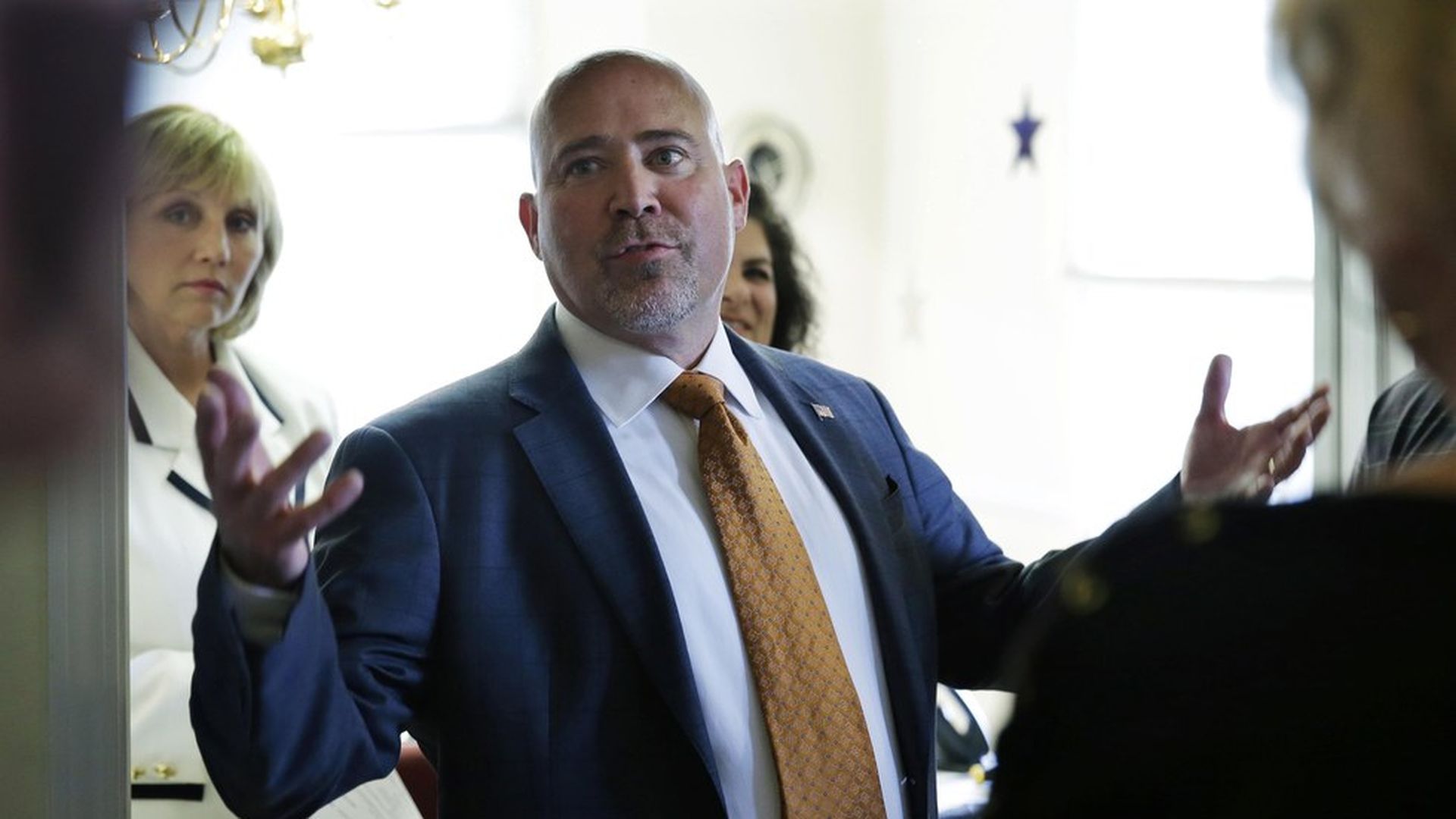
An amendment written by Rep. Tom MacArthur, the basis of a health care deal among House Republicans, allows states to get waivers from the Affordable Care Act's essential health benefit requirements as well as waivers to vary premiums based on health status in limited circumstances.
Both waivers have conditions. Read on for the details.