Friday's health stories

Super-sized drug price hikes are gone. The profits aren't.
Many drug companies have conceded that the days of super-sized price increases, which sometimes occurred multiple times per year, are gone for now. President Trump's rhetoric around price controls and public outrage over high drug costs have forced the industry to soften, as it heavily lobbies politicians behind the scenes.
So does that mean the drug industry will lose a lot of money? Not really. First-quarter reports show many of the largest pharmaceutical companies increased their profits compared with the same period last year. Sales of some drugs lagged, but companies still hiked list prices by high single digits — well above general inflation.
New drug for rare pediatric disease will cost $702k per year
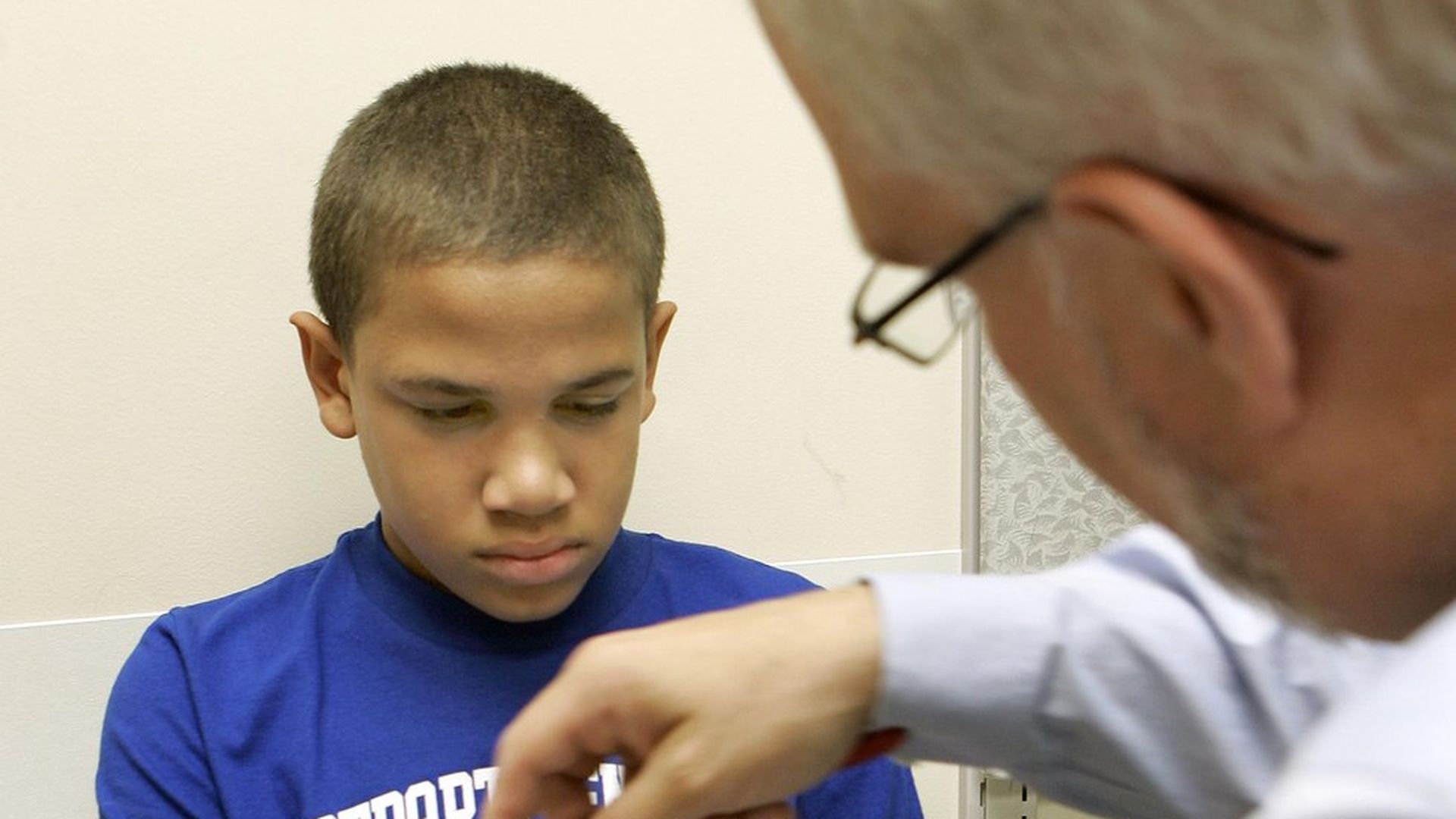
The FDA approved Brineura on Thursday, the first drug to treat a rare, fatal nervous system disorder called Batten disease that affects children. BioMarin Pharmaceutical makes the so-called orphan drug and will charge $27,000 for treatment every two weeks, or $702,000 per year, executives said Thursday. That does not include discounts from Medicaid or other discount programs.
That's a huge price tag, but that's not all: BioMarin secured another priority review voucher, which allows a company to get a speedier drug review from the FDA. BioMarin sold its first voucher in 2014 for $67.5 million.

Molina will exit exchanges if ACA payments aren't made
Dr. J. Mario Molina, CEO of health insurer Molina Healthcare, sent a warning Thursday to Republicans in Congress and the Trump administration: If the Affordable Care Act cost-sharing reduction subsidies are not funded, Molina will "withdraw from the marketplace immediately." Molina's letter — addressed to Paul Ryan, Mitch McConnell, Nancy Pelosi and Chuck Schumer — said the company has priced the subsidies into next year's premiums and that they are "not a bailout or windfall."
Why this matters: Molina — a Medicaid-based insurer that has thrived in the exchanges — is threatening to throw people off of their health coverage this year and also refuse to participate next year. Roughly 1 million people have a Molina ACA plan. Molina's letter adds a fresh sense of urgency and embodies what the entire health care industry wants: certainty that funding will continue.

