Thursday's health stories

Marathon sells muscular dystrophy drug following pricing outrage

Remember Marathon Pharmaceuticals? The drug company that received federal approval last month for an old drug to treat the rare Duchenne muscular dystrophy disorder, and then set the annual list price at $89,000 that incensed the public? Well, it's passing the controversy off to another company.
Marathon said Thursday it was selling deflazacort (brand name Emflaza) to PTC Therapeutics for $140 million and royalty payments of at least 20% of sales. Marathon could also gain a one-time $50 million bonus based on sales.
Deflazacort is available outside the United States for less than $2,000 per year. PTC, which has been working on a separate Duchenne product, said they would "re-examine" the newly acquired drug's price — far from a certainty that the price will be lowered.

How the GOP is buying off the Trumpcare haters
/2017/12/15/1513300979696.gif?w=3840)
The White House and House Republican leaders have one urgent mission in the coming days: get those Republican holdouts back on board the Obamacare repeal train. They're trying to do it by making concessions to the conservatives — though they don't seem to be in sync on which ones they're willing to make. And some of the changes could hurt them in the Senate, but the top priority right now is to just get it through the House.
There's been a lot of movement on this in the last couple of days, so here's where it stands now.

Trump's Tucker interview: highlights
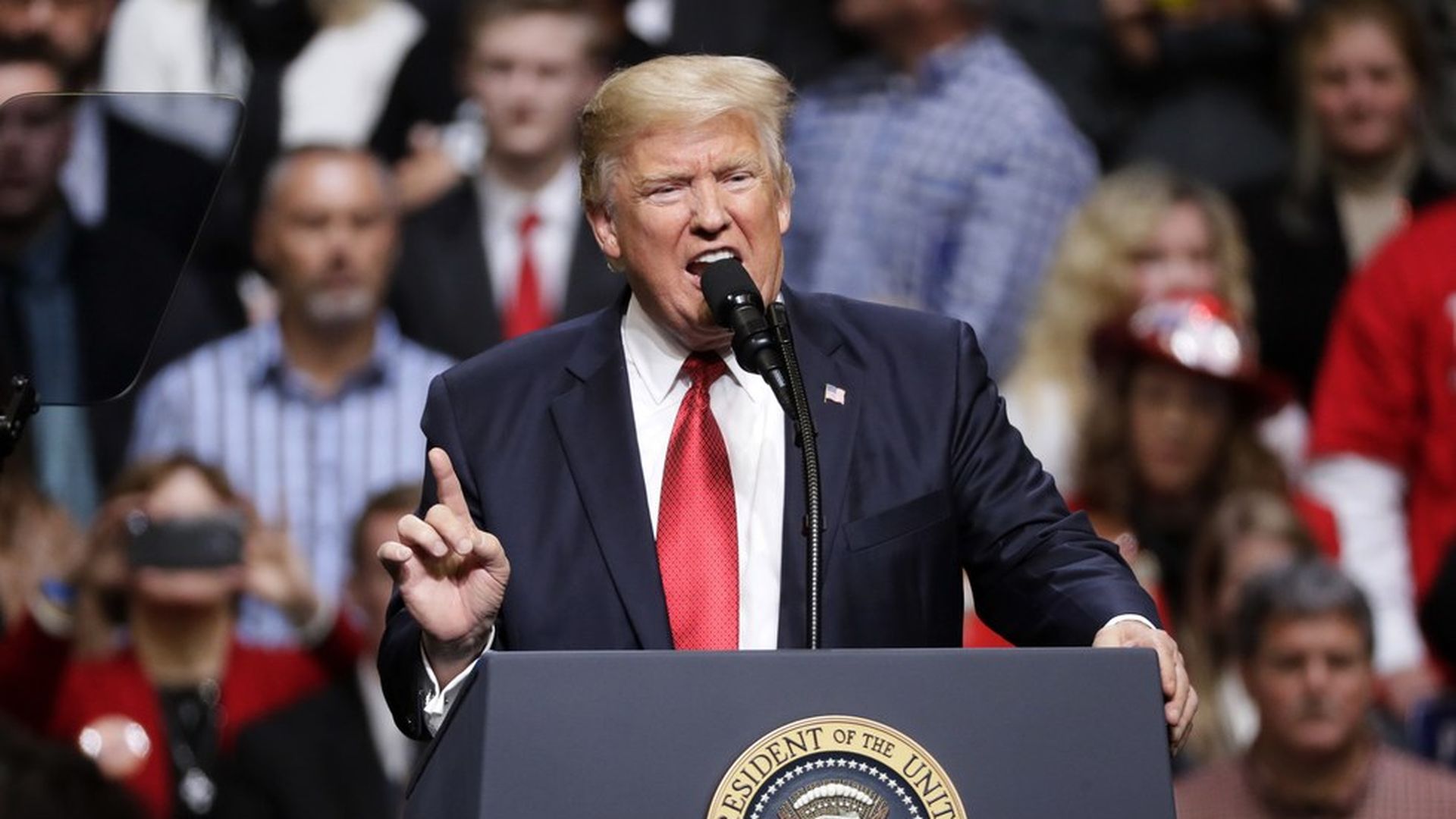
Our big takeaway: President Trump is far more open than House leadership to negotiating the details of the Obamacare replacement plan. It's striking that he called the current bill "very preliminary." No wonder such mixed messages were flying around Capitol Hill this afternoon.
Five key grabs from Trump's interview Wednesday night with Fox News' Tucker Carlson:
Suspended Obamacare tax will boost health insurance profits
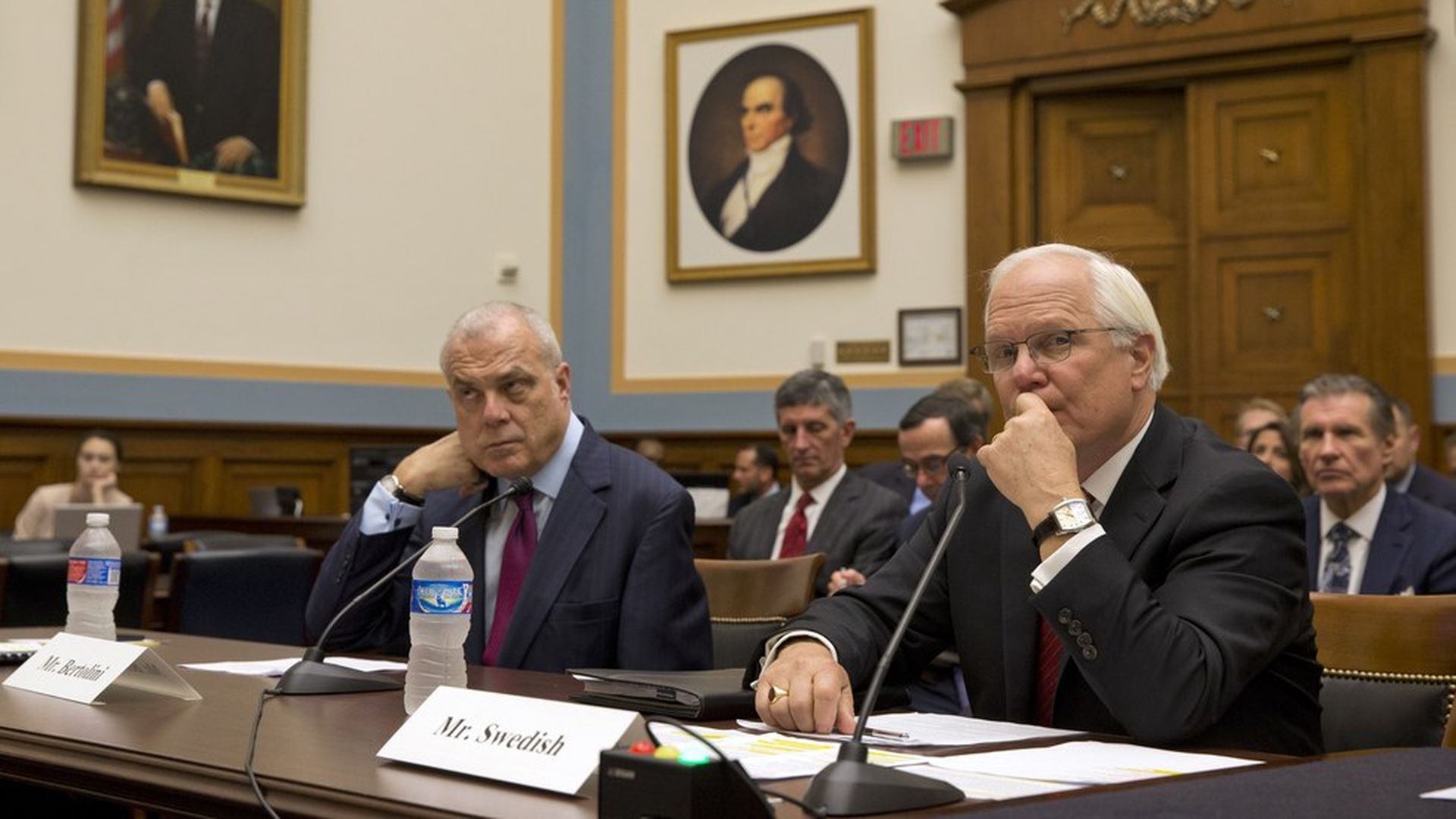
Anthem executives made an interesting comment to analysts at Barclays on Wednesday. According to a research note sent to investors after the meeting, Anthem believes most of the suspended Obamacare tax on health insurance companies "will go toward reducing the cost of health care for members, while a smaller portion will go to increasing EPS," or earnings per share.
Last year, Congress froze the health insurer fee for 2017, and the one-year moratorium means the federal government is foregoing $13.9 billion — money that helps pay for Obamacare's subsidies for low-income people.
Why this matters: The health insurance industry has been adamant that repealing Obamacare's annual fee on insurance companies will lower premiums for everyone. The Republican Obamacare replacement permanently eliminates it. But it's also clear the major for-profit carriers like Anthem want the tax gone in part so they can pump up stock prices and funnel money back to shareholders.
Anthem's comments build on an analysis from Goldman Sachs last year, which found insurers were raising premiums for 2017 higher than expected, "implying that insurers may not be fully adjusting their renewal proposals for the absence of the fee."