Tuesday's energy & climate stories

Axios House: Power boom puts new pressure on U.S. grid
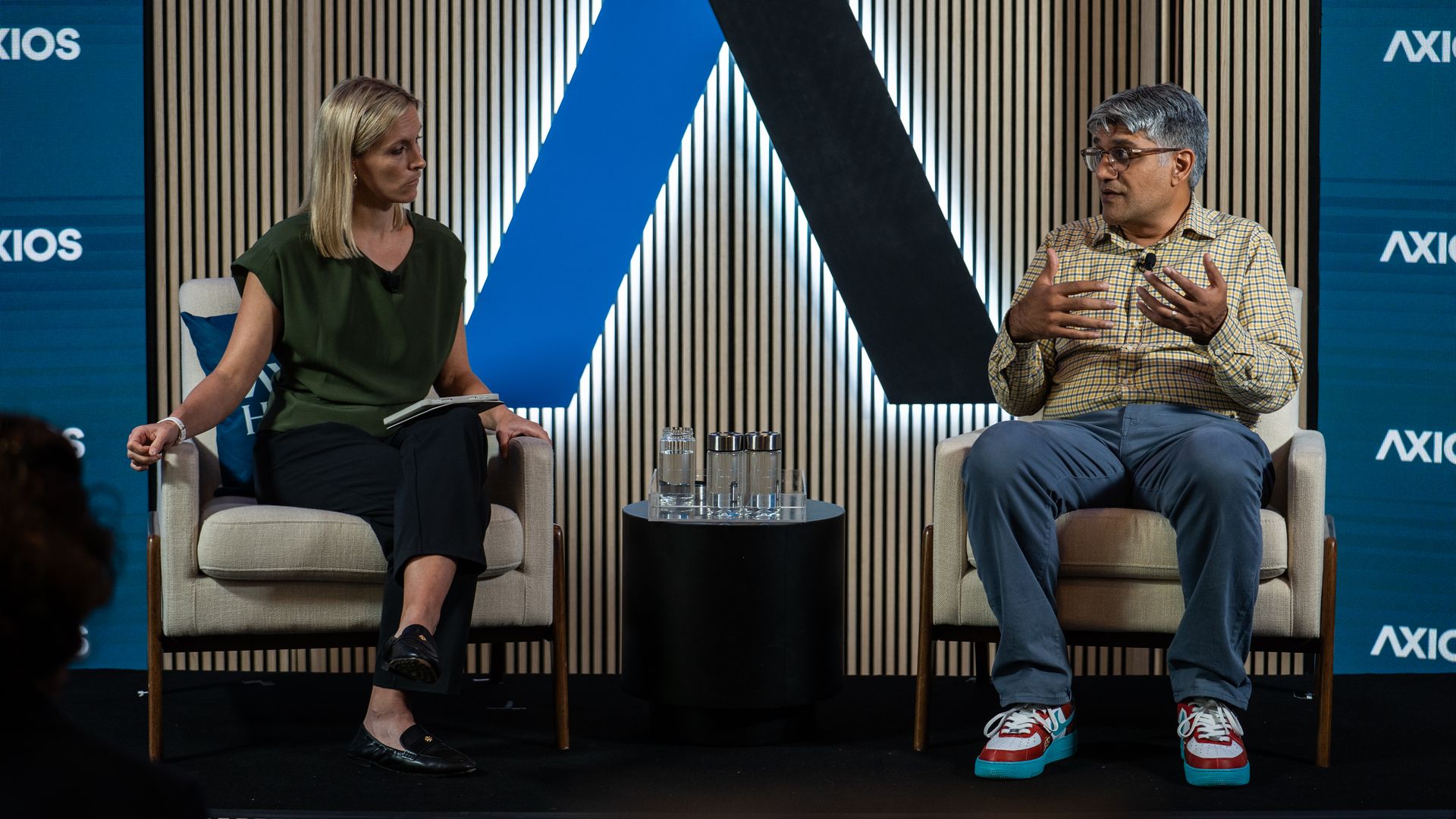
NEW YORK — Soaring U.S. electricity demand is requiring more grid capacity, increasing the need to improve existing infrastructure and potentially add a new mix of energy sources, leaders said at Axios House at Climate Week and the UN General Assembly.
Why it matters: AI and data centers, advanced manufacturing, industrialization and the electrification of buildings and transportation are driving up U.S. energy demand and costs.
Axios' Amy Harder spoke to Amazon chief sustainability officer Kara Hurst, "Energy Empire" host Jigar Shah, and Emerald AI founder and CEO Varun Sivaram. The Sept. 21 event was sponsored by GE Vernova.
What they're saying: "Energy is the bottleneck," Sivaram said.
- "The United States wants to connect 70 gigawatts of AI data centers between now and 2028. We'll only succeed in connecting 30," he added.
- Having a variety of power sources like "nuclear plants and geothermal plants and hydroplants and other clean firm technologies sprinkled around the country" could be cheaper than solely relying on solar and wind, Shah said.
- "We have a business to run" and need energy to do it, Hurst said, noting that Amazon is looking at solar power and battery storage in Texas to support the company's needs.
What's next: The U.S. has "the best" clean energy technology with much lower prices for solar, Shah said. "It is now ready to be deployed."
Content from the sponsor's segment:
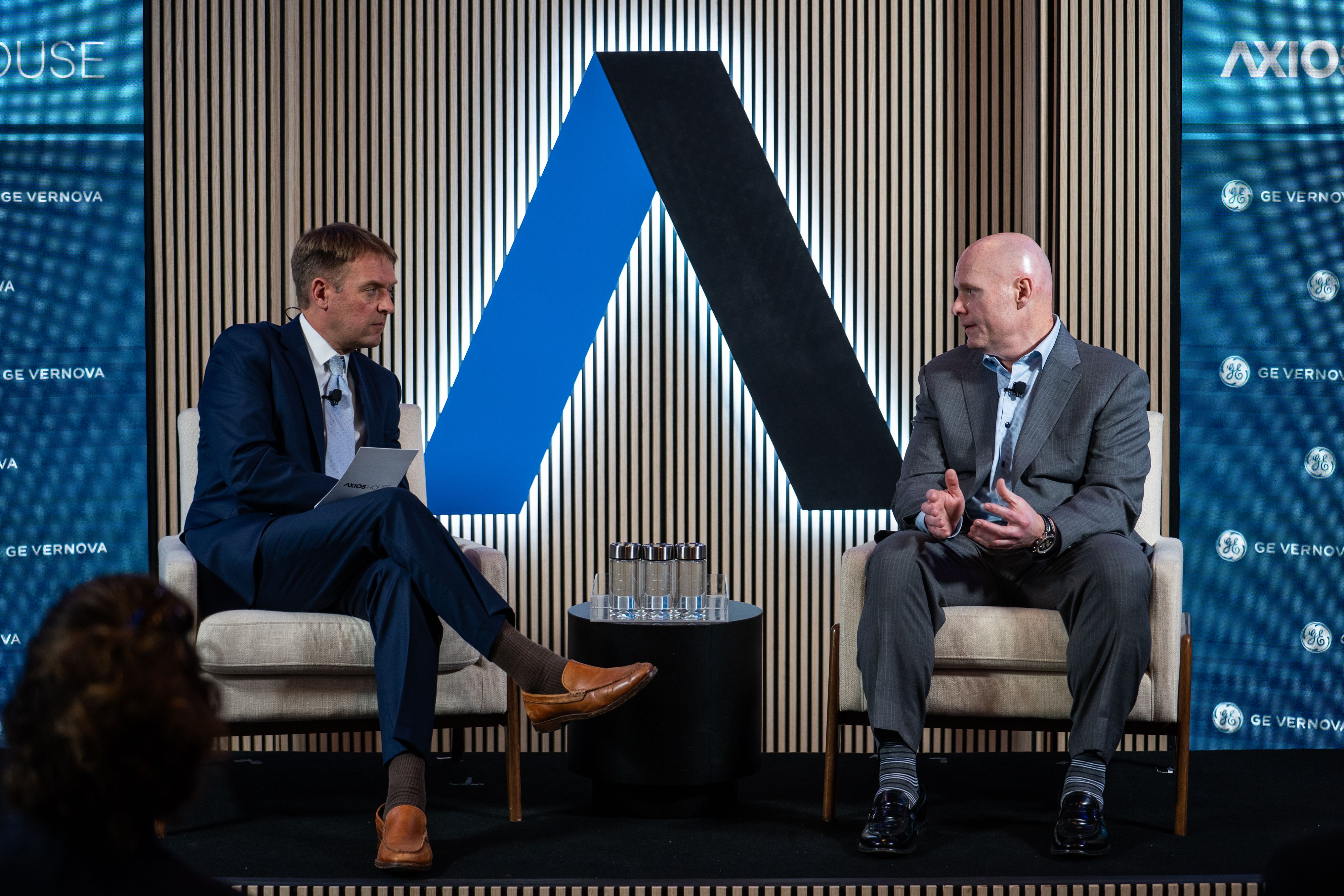
In a View From the Top conversation, GE Vernova's Power segment CEO Eric Gray said power demand isn't slowing down and success in meeting that demand will play a critical role in which communities flourish.
- "If you look at where economies are going to thrive and really be prosperous, it's going to be in those areas where you have reliable and affordable energy because that's where investment is going to go."
Go deeper: Watch the full conversations.
Axios House: Leaders sound alarm on biodiversity loss
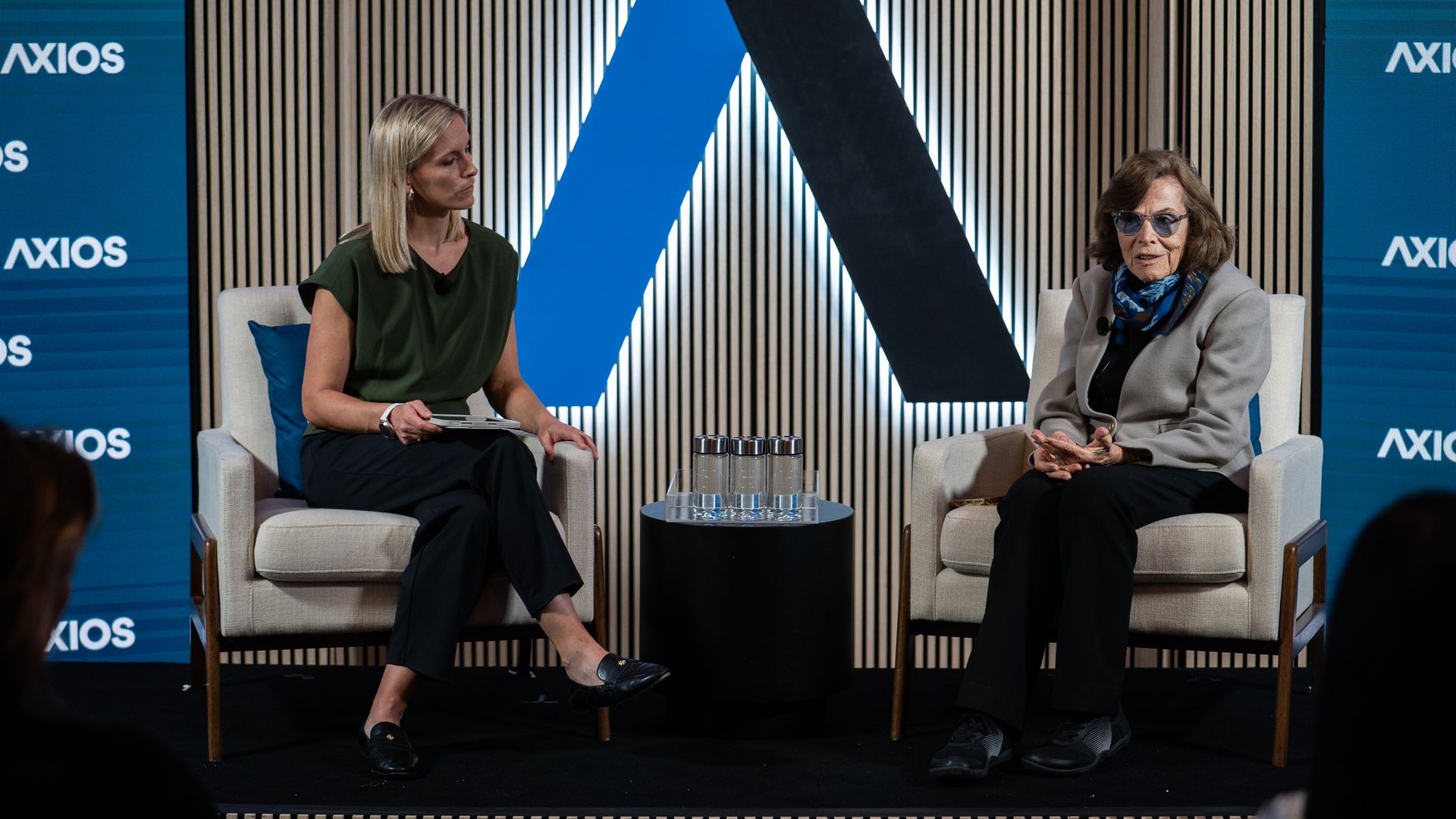
NEW YORK — Protecting ecosystems is an economic and moral imperative, sustainability leaders said at Axios House at Climate Week and the UN General Assembly.
Why it matters: "Enough nature disappears, and we'll disappear, too," Mission Blue founder Sylvia Earle said.
Axios' Amy Harder moderated conversations with Earle and Patagonia CEO Ryan Gellert. The Sept. 21 event was sponsored by Cox Enterprises.
Context: Patagonia sued the Trump administration this month over its decision to shrink the boundaries of Bears Ears National Monument in Utah by about 1.2 million acres.
- The lawsuit says the Antiquities Act of 1906, which governs national monuments, gives presidents power to designate but not undo sites.
What they're saying: Businesses and consumers each have a role in reducing their environmental footprint.
- Patagonia tries to "interrupt the consumption cycle" by "making the best product we know how to make with the least impact," Gellert said.
- The brand also offers consumers the opportunity to repair damaged merchandise — either DIY or mail-in — or sell their used items back to the retailer, which then resells them at a discount.
Yes, but: Patagonia's own "work in progress" report acknowledges that 85% of its products still don't have an end-of-life solution.
The bottom line: "We have to think about the value of nature for its most fundamental, most valuable" purpose, Earle said, as it "keeps us alive."
Content from the sponsor's segment:

In a View From the Top conversation, Alex Taylor, chairman and CEO of Cox Enterprises (which owns Axios), urged businesses to match their environmental commitments with action.
- "You have to put your money where your mouth is. … Everybody should do what they can with what they've got," Taylor said. "If you're a wealthy person, you should do a lot financially."
Dr. Andrew Forrest — Fortescue executive chairman and founder, and founder of Minderoo Foundation and Tattrang — said no objective is too ambitious or difficult.
- "It is a band of warriors, which come together with motivation and belief — with a singular target they don't lose focus on — and they just go for it, and that's what changes the world."
Go deeper: Watch the full conversations here.


Exclusive: Trump adviser says AI ratepayer protection is a must in permitting deal

Exclusive: "Run the tape": Rep. Levin slams Trump over pledge to lower energy costs
Exclusive: "I'd rather use my brain": Rep. Mike Levin warns against total AI reliance

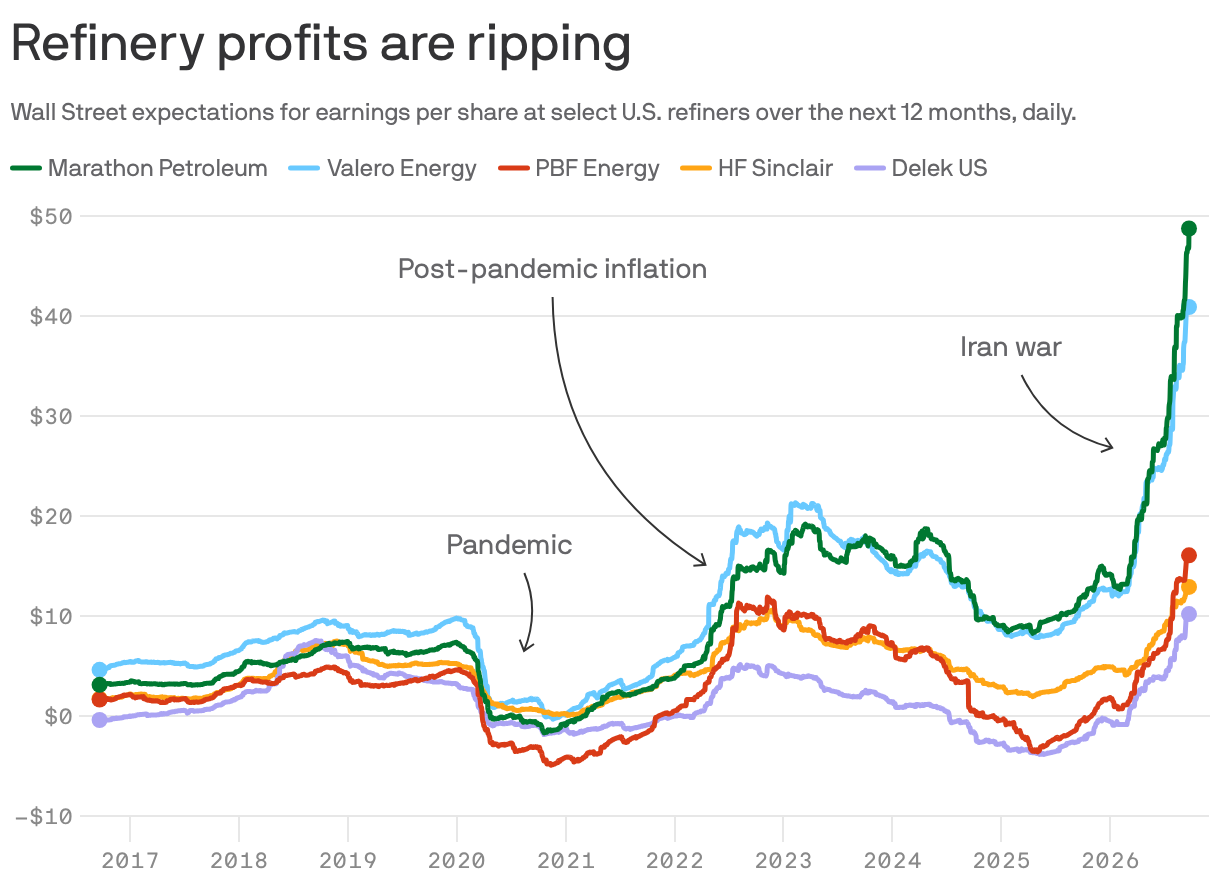
Global disruptions mean booming refinery profits