Microsoft's latest environmental report shows the growing tension between its race to build AI infrastructure and its long-standing climate commitments.
Why it matters: The report mirrors recent disclosures from Google and Amazon, whose emissions and resource use have also climbed alongside AI growth.
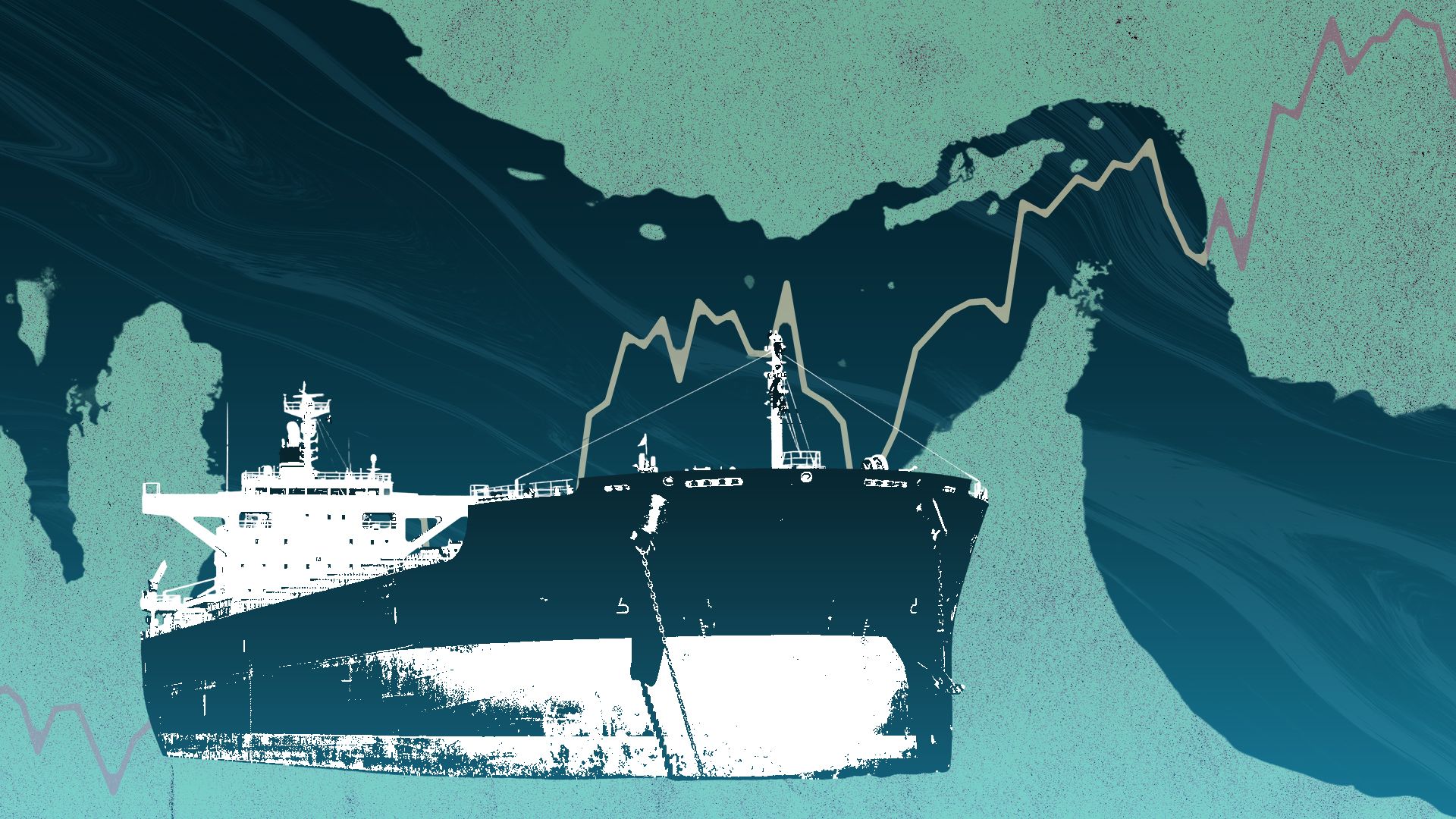
The oil economy's surprising flexibility and countries' plans to cut reliance on the Strait of Hormuz could together limit how much the war boosts the global energy transition.
Why it matters: Energy crises have long-term consequences — like the 1970s oil shocks that brought U.S. gasoline mileage rules for cars, and the country's turn away from burning oil to make electricity.
The U.S. military struck Iranian targets near the Strait of Hormuz on Wednesday, a U.S. official said.
Why it matters: This was the second day in a row that the U.S. had attacked Iranian targets in what U.S. officials say is an effort to stop Tehran from striking commercial ships in the Strait of Hormuz.
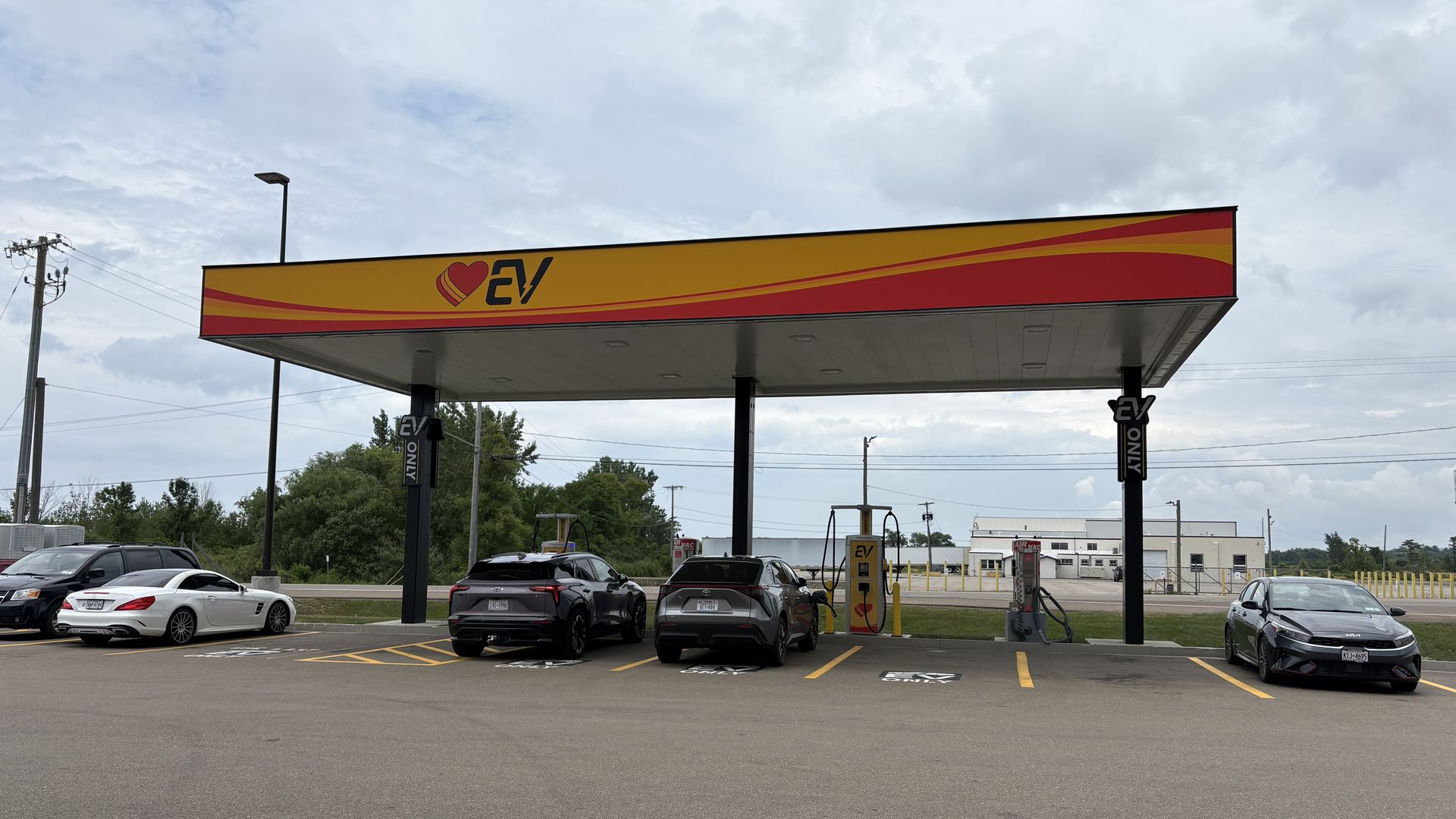
My 1,900-mile road trip last week in an electric vehicle proved it's easily doable, but the charging experience is still not as seamless and convenient as pumping gas.
Why it matters: Driving an EV is delightful. Charging an EV is what gives people anxiety. Until that problem is solved, EV sales in the U.S. will remain lackluster.
A top renewables and storagegroupsees openings for progress onCapitol Hill as it looks to build more nationwide power on the political right.
Why it matters: Trump officials are targeting wind power, which the president overtly despises, and last year's GOP budget law phased out tax credits for wind and solar generation projects.
The U.S. military said it struck Iranian military targets in the area of the Strait of Hormuz on Tuesday in retaliation for renewed Iranian attacks on commercial ships.
Why it matters: The exchange of fire risks plunging the U.S. and Iran into a new cycle of retaliation, threatening the fragile memorandum of understanding signed by President Trump less than three weeks ago.