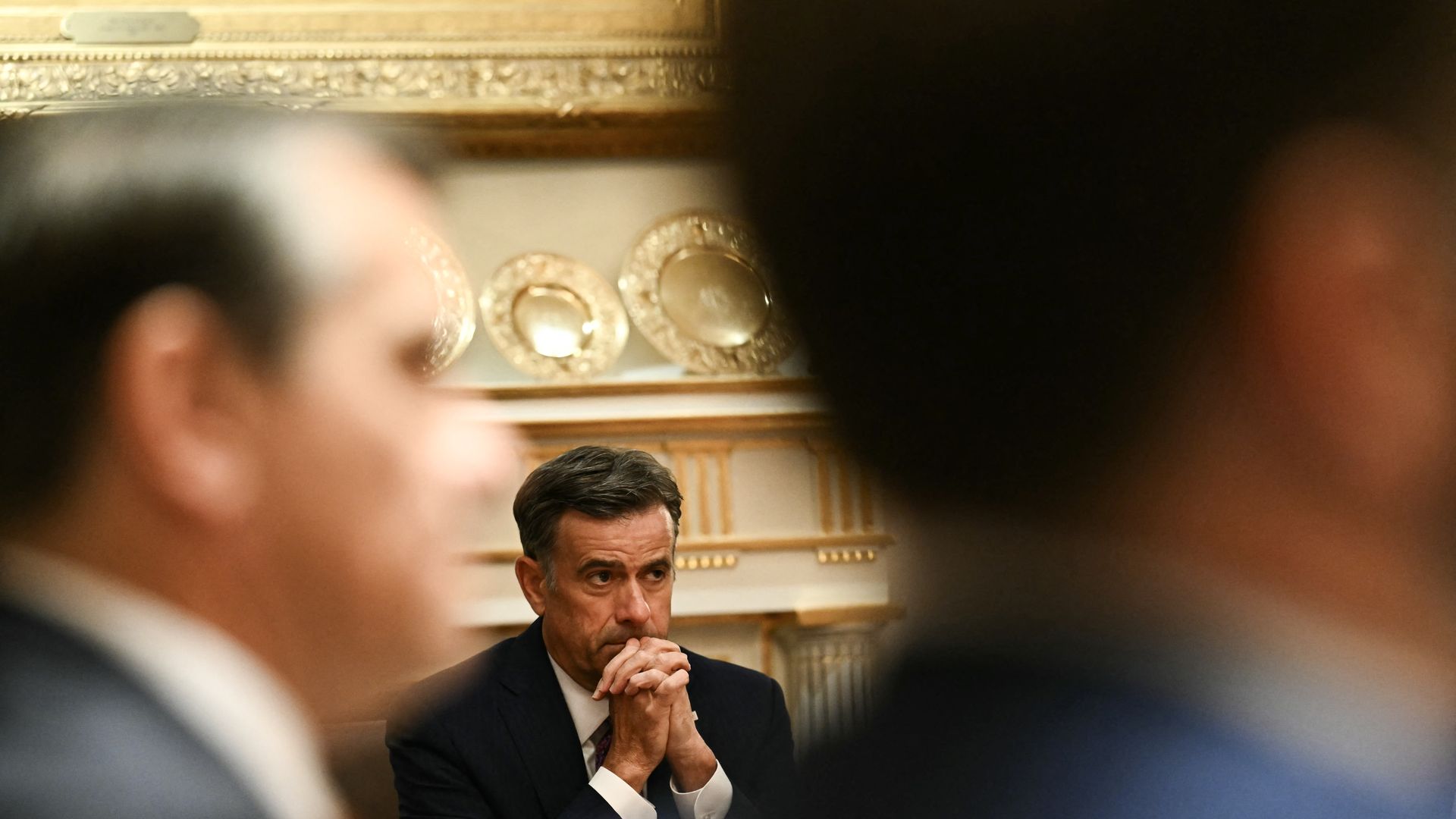
CIA Director John Ratcliffe told President Trump and other senior officials that evidence gathered by U.S. intelligence agencies raises serious doubts about Iran's willingness to make the nuclear concessions the U.S. is seeking in any final deal, according to three sources familiar with those discussions.
Friction point: Ratcliffe isn't the only skeptic in Trump's top team. In internal discussions, Secretary of State Marco Rubio and Secretary of Defense Pete Hegseth both expressed concerns and raised questions about the memorandum of understanding (MOU) announced Sunday, while Vice President Vance and U.S. envoys Steve Witkoff and Jared Kushner advocated for it, according to two of the sources.
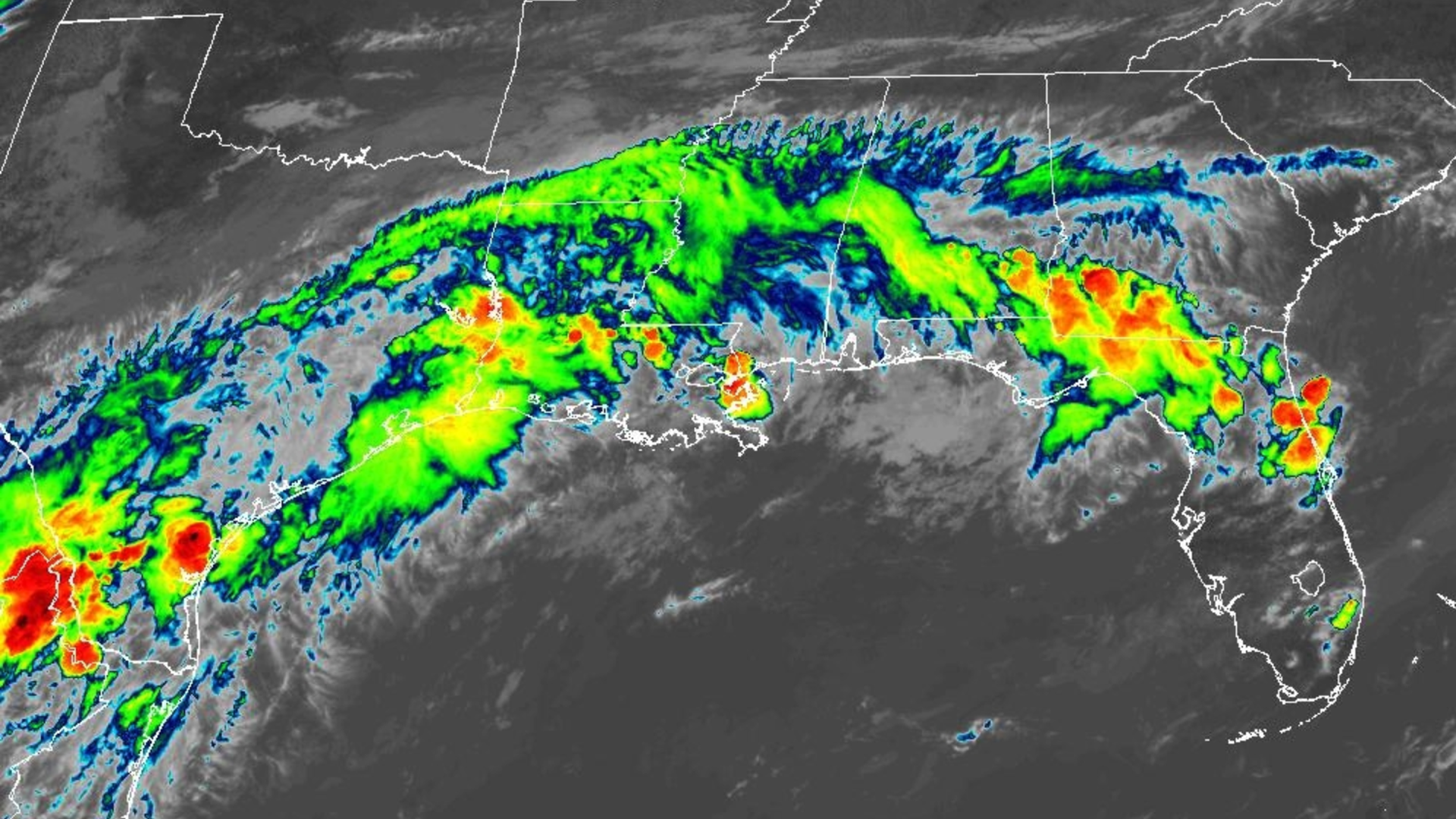
A tropical storm could form in the Gulf this week, marking the first named storm of the Atlantic hurricane season.
Why it matters: The system could bring up to 10 inches of rain to Southeast Louisiana, regardless of further development, the National Weather Service warns.
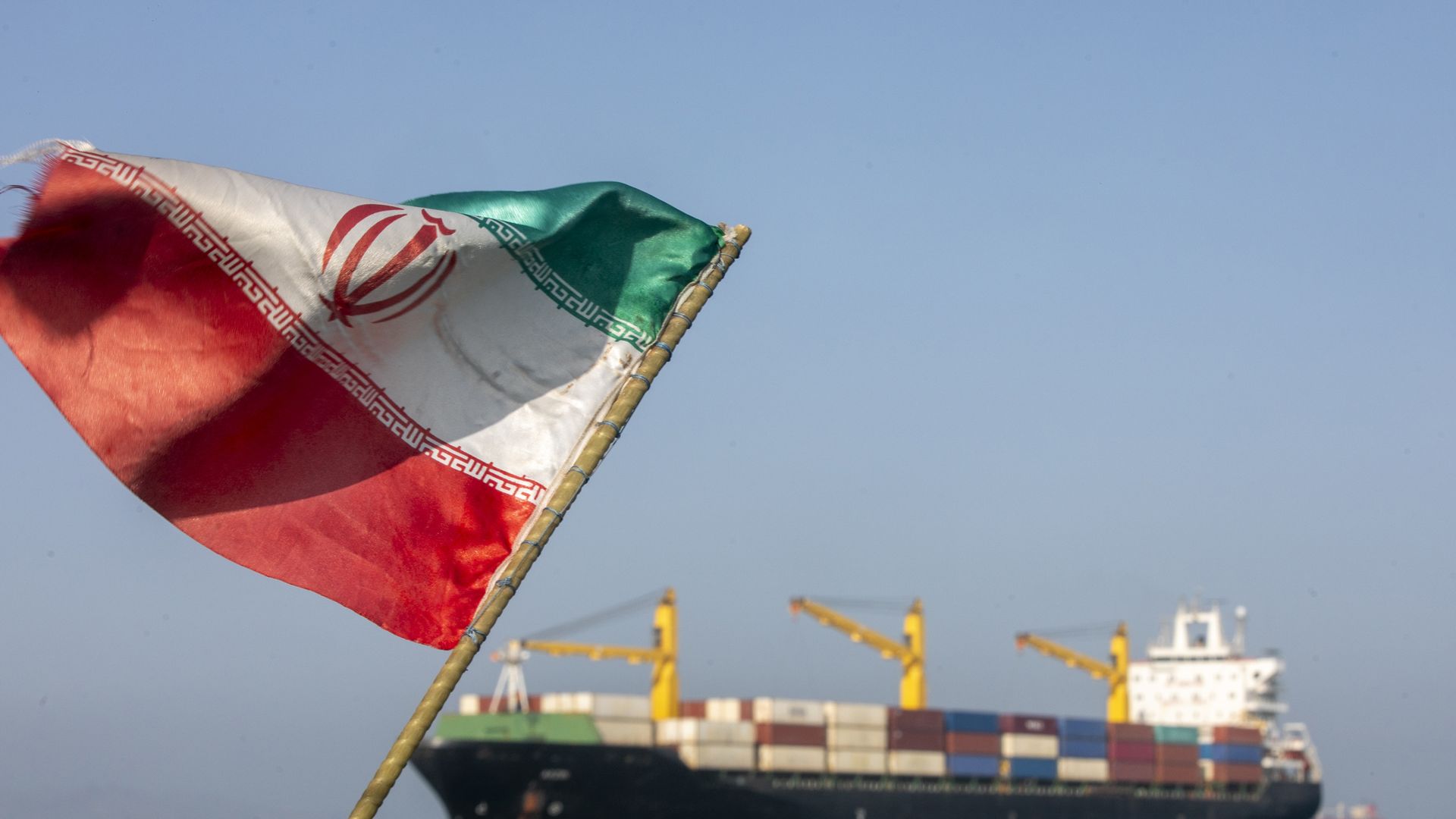
The U.S. and Iran agreed to a framework extending their ceasefire for 60 days, with a formal signing ceremony expected Friday and nuclear talks to follow.
Why it matters: The agreement could reopen the Strait of Hormuz, ease pressure on global energy markets and create a window for negotiations over Iran's nuclear program.
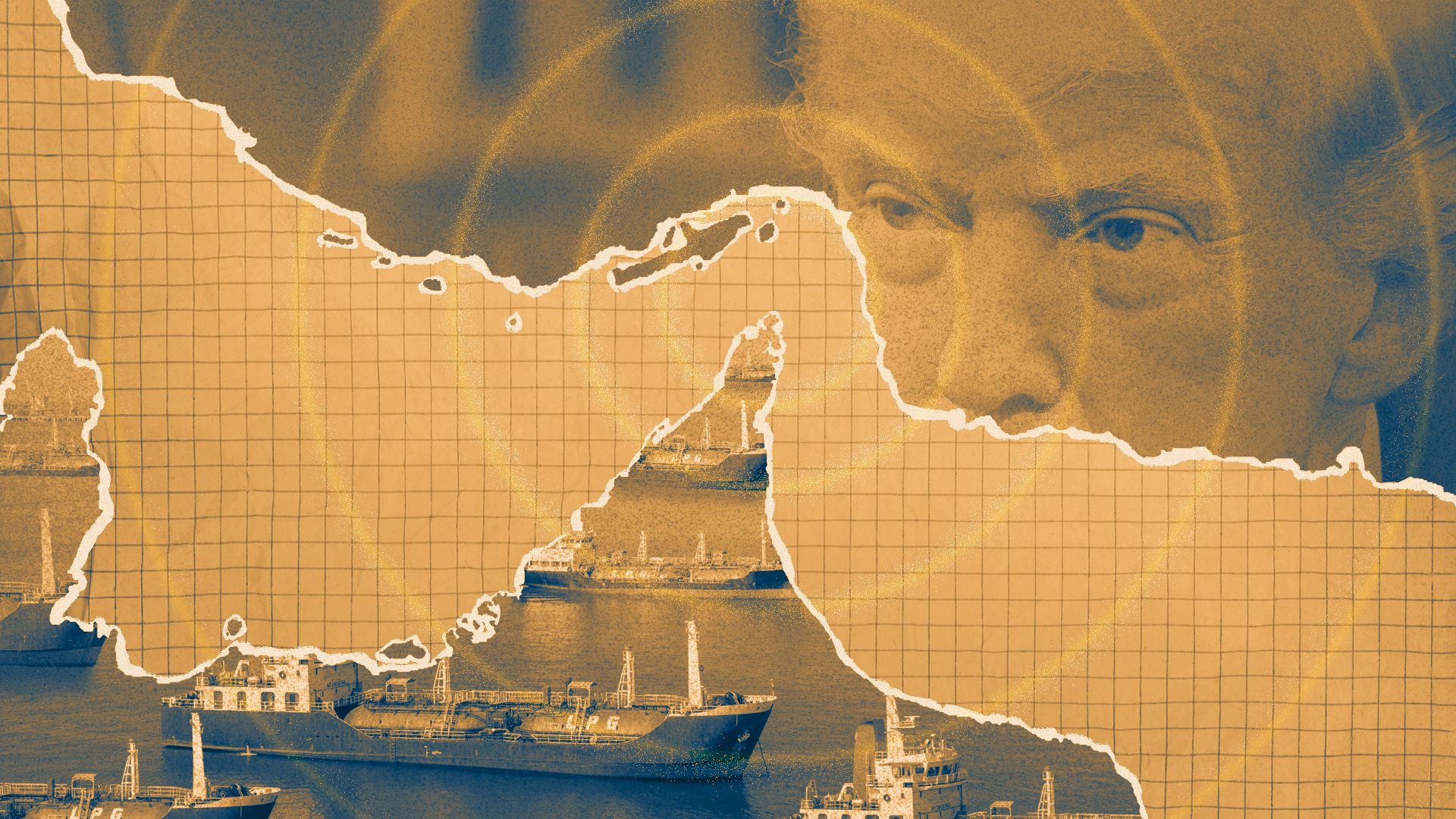
Crude oil prices fell over 4% to their lowest levels in over three months Sunday after the U.S. and Iran agreed to a ceasefire extension that could lead to the reopening of the Strait of Hormuz.
Why it matters: Severe restrictions on oil traffic through the strait since the conflict began in late February have created an unprecedented energy shock that's a drag on the global economy.