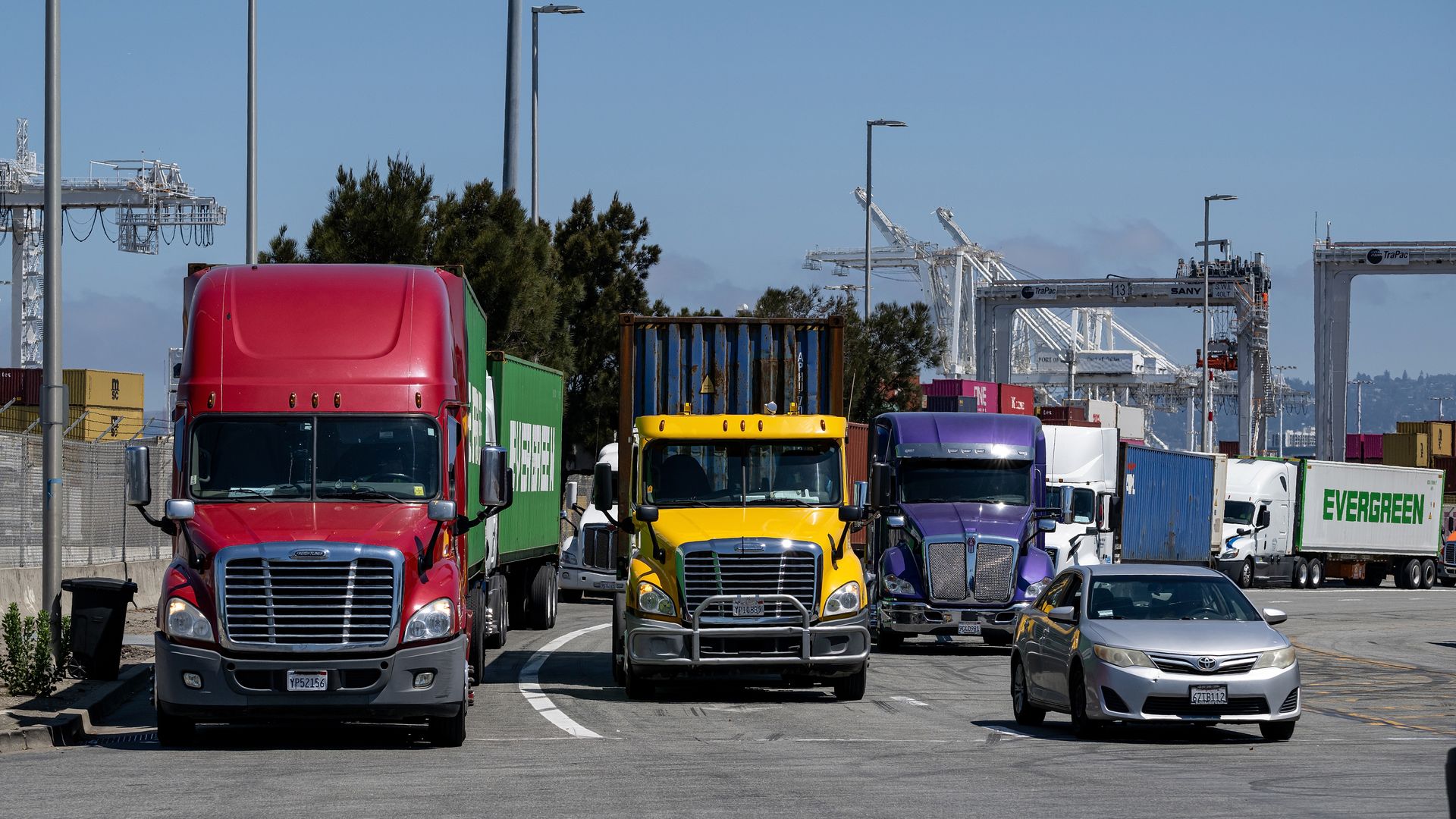
The Justice Department is suing California in an effort to block the state's enforcement of emissions standards for trucks.
Why it matters: It's the latest battle between President Trump and Democratic Gov. Gavin Newsom over whether California has the right to set tighter pollution limits than federal law requires.
A company seeking to open a temporary storage site for commercial nuclear waste acknowledged that New Mexico's political opposition has at least temporarily clouded its prospects.
Why it matters: Holtec International said a Supreme Court ruling in June over waste storage reaffirmed the company's license from the Nuclear Regulatory Commission to pursue the site in southeastern New Mexico.
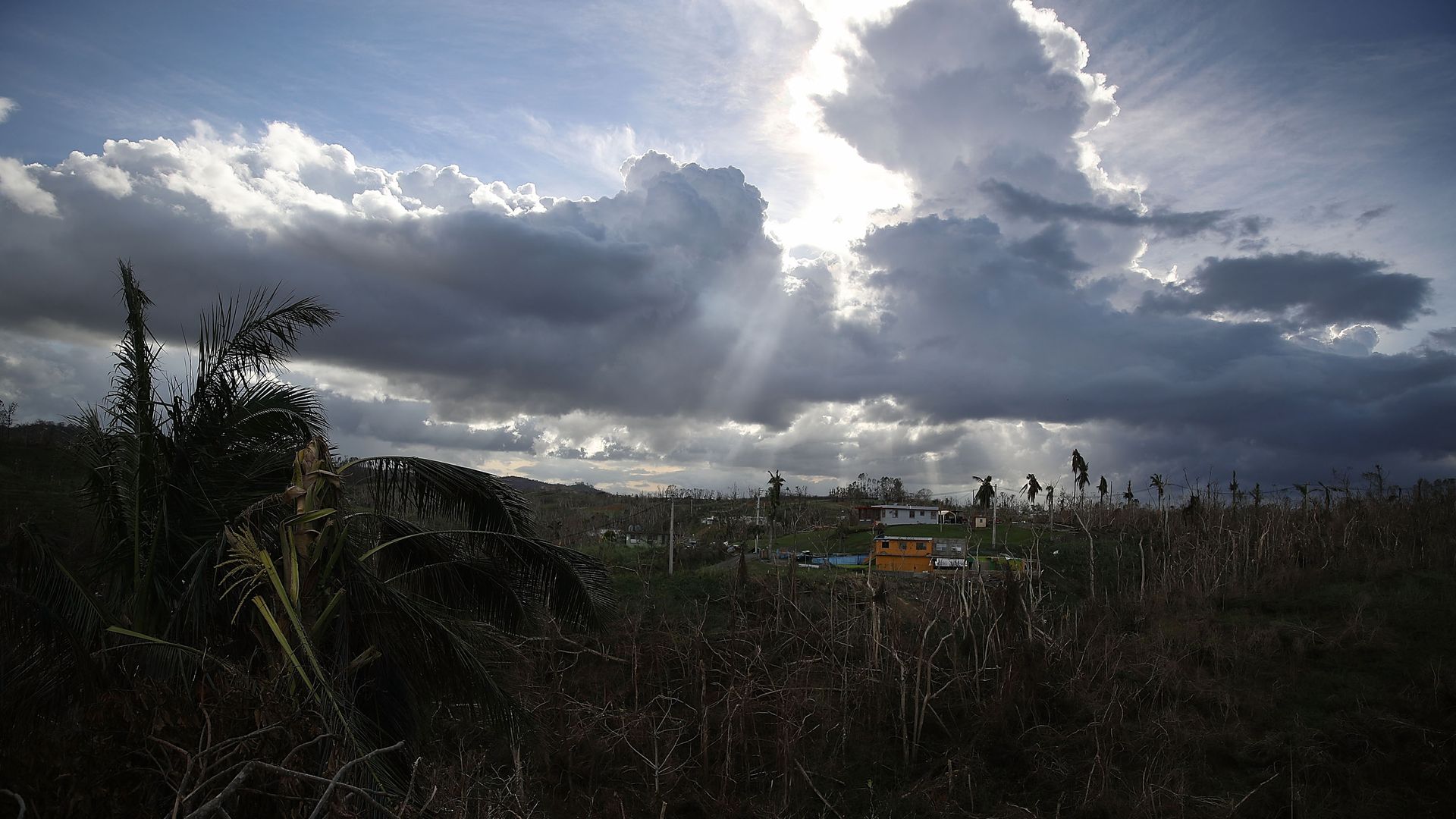
Erin became the first hurricane of the 2025 season on Friday and is expected to pass north of the Caribbean Islands on Saturday, according to the National Hurricane Center.
Threat level: Erin could become a Category 4 hurricane over the weekend if it continues to rapidly strengthen as expected, according to the Saffir-Simpson Hurricane Wind Scale.
UN-hosted global talks to produce a treaty on curbing plastic pollution ended Friday "without consensus on a text of the instrument" despite years of negotiations, the body said.
Why it matters: Plastic is a multi-front environmental problem even as it enables the manufacture and distribution of vital and popular goods.
An array of climate metrics hit fresh records in 2024, a major new report with contributions from hundreds of scientists worldwide shows.
Why it matters: The annual "State of the Climate" is among the most comprehensive looks at global warming's many effects, both worldwide and by region.
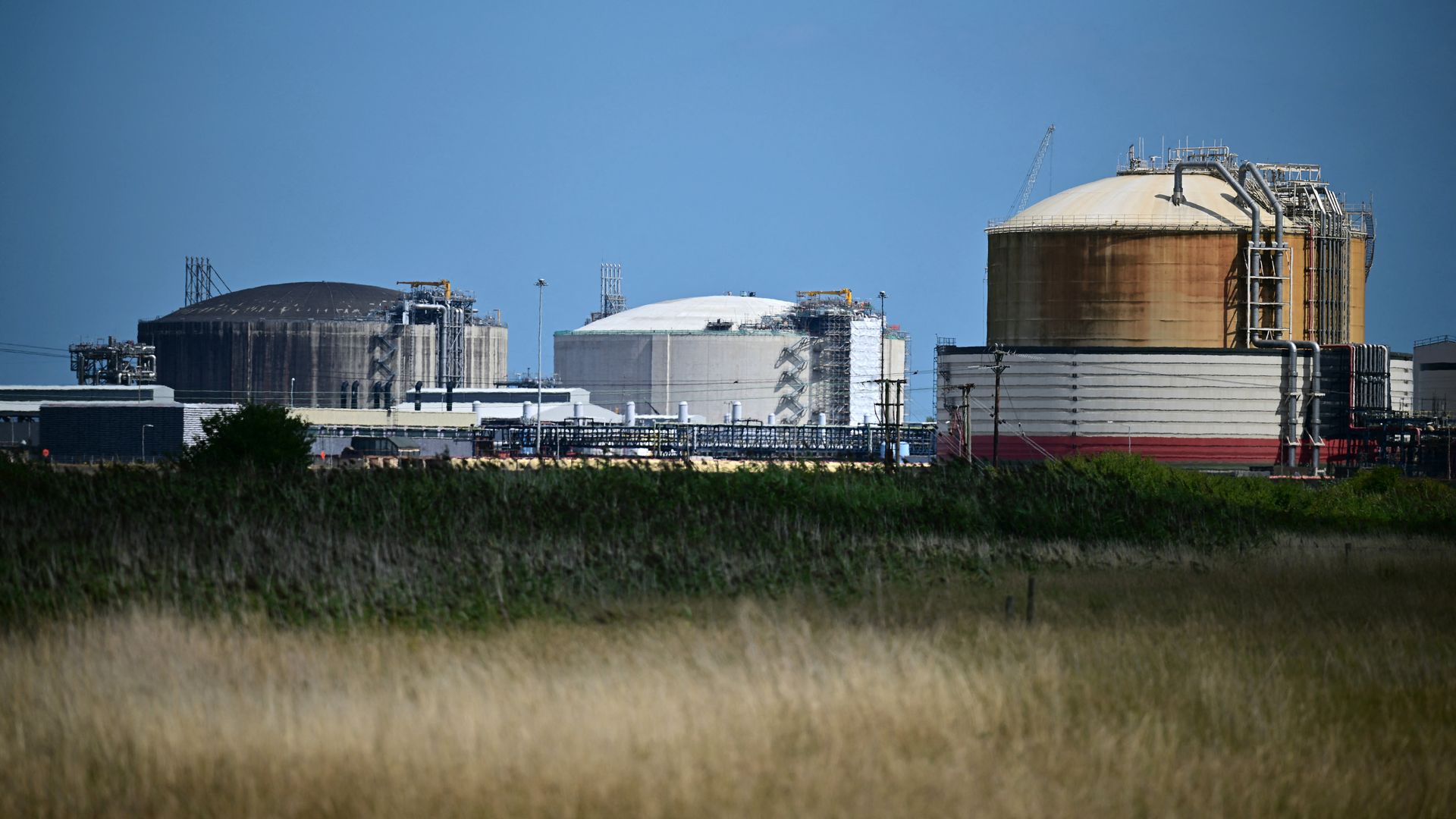
National Grid has agreed to sell its Grain LNG terminal near London to Centrica and private equity firm Energy Capital Partners for around $2.04 billion.
Why it matters: Grain LNG is Europe's largest liquefied natural gas import terminal, at a time when demand is soaring due to Russia's war in Ukraine.
Prices for wholesalers rose at the fastest pace in three years in July, the Bureau of Labor Statistics said on Thursday.
Why it matters: It is the latest warning that inflation might be reigniting across the U.S. economy as businesses grapple with higher tariff-related costs.
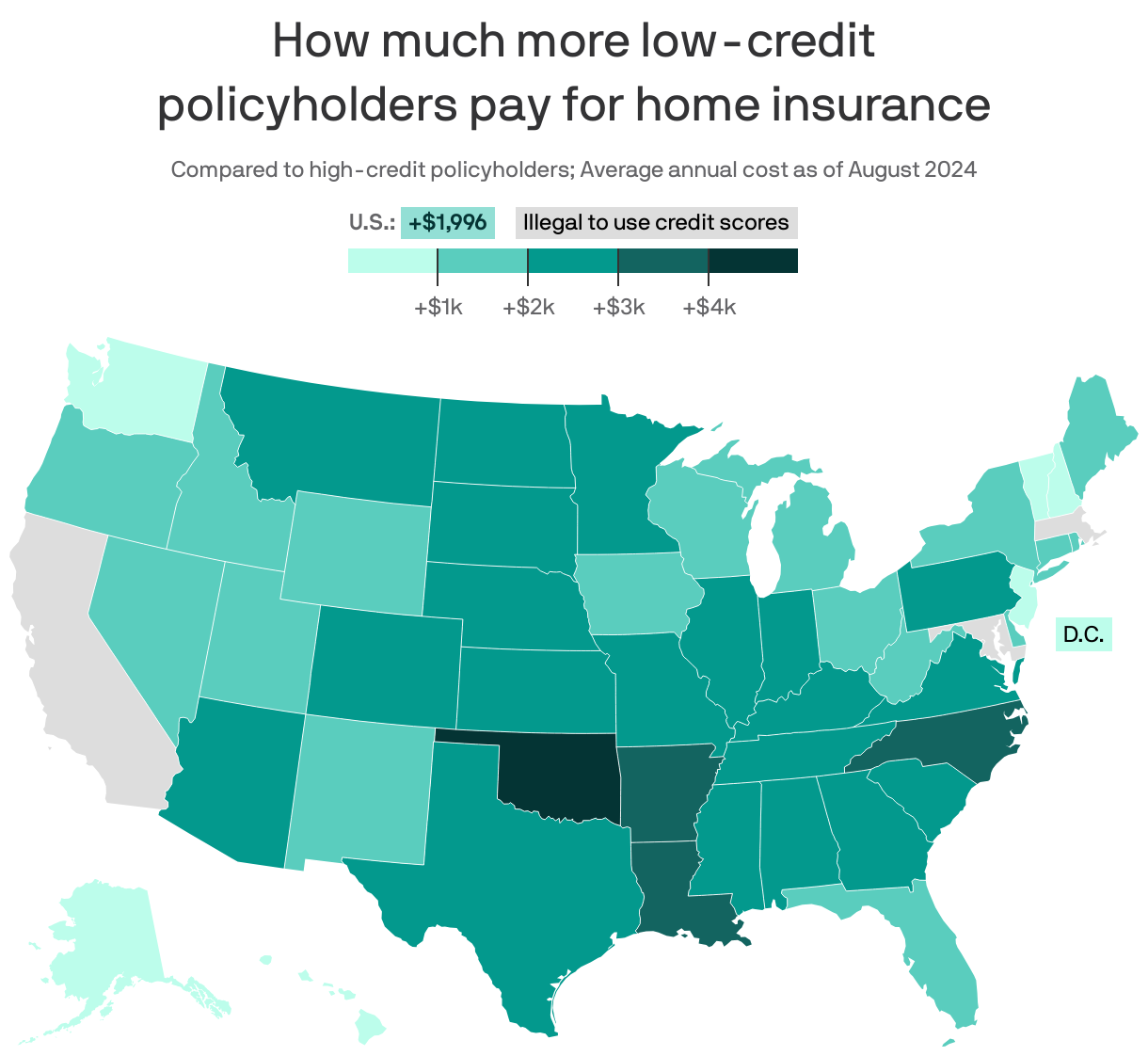
Data: Consumer Federation of America, Climate & Community Institute; Map: Alex Fitzpatrick/Axios
People with low credit scores can expect to pay nearly $2,000 more annually on average for home insurance compared to those with high scores, a new analysis finds.
Why it matters: Credit scores aren't necessarily indicative of somebody's ability to pay their bills — and tying them to insurance prices can disadvantage low-income and minority homeowners, among others.