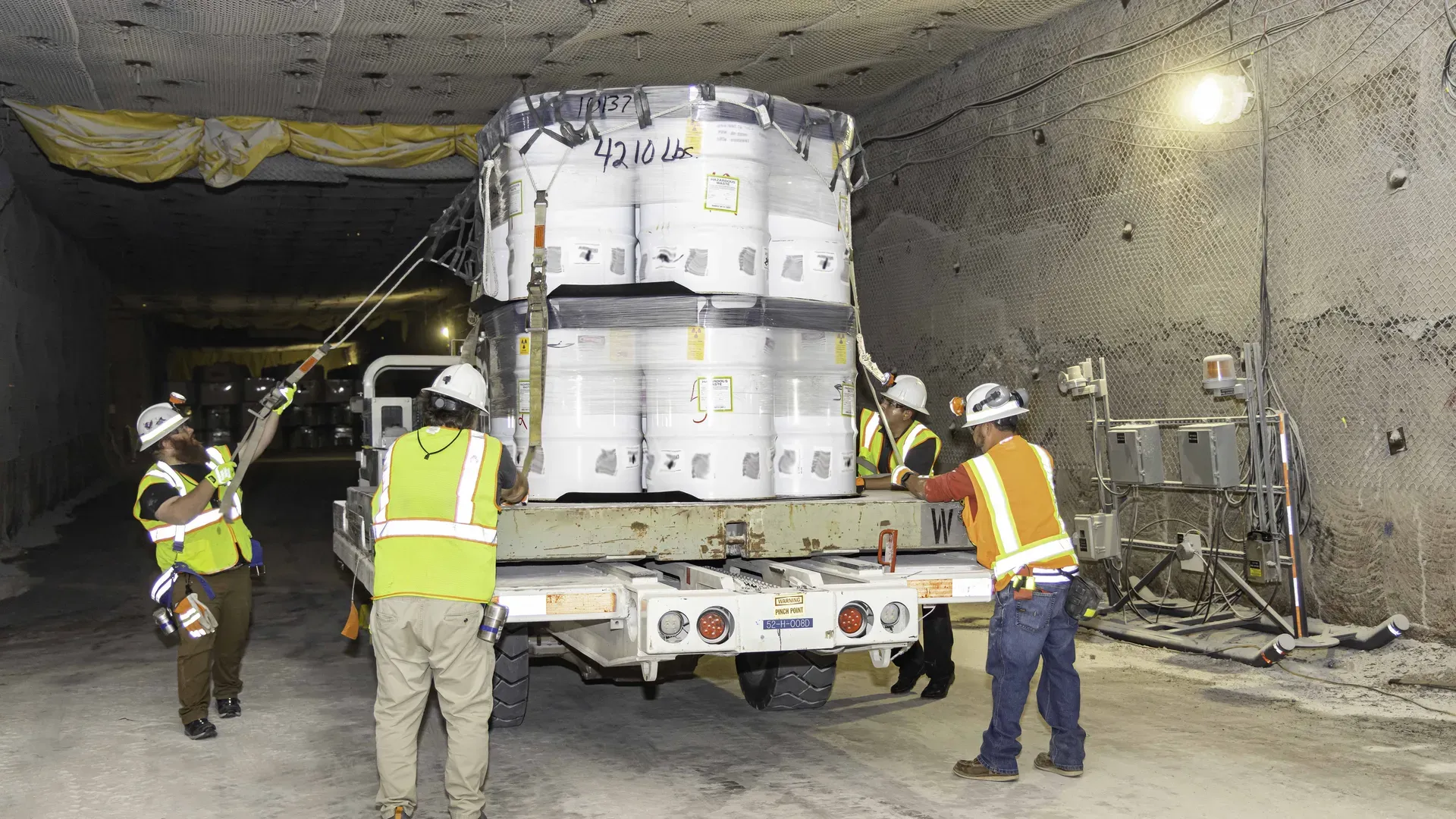
The EPA has agreed to the Energy Department's request to dig out two new underground areas to store nuclear waste at the only permanent U.S. burial site for radioactive materials.
Why it matters: Critics of the Waste Isolation Pilot Plant (WIPP) say the approval represents a significant expansion of the southeastern New Mexico facility, which they say was only intended to dispose of wastes for several decades before closing permanently.
A new report zooms in on the gigantic amounts of energy needed specifically for training large AI models, as opposed to just aggregate estimates of training and use (or inference).
Why it matters: The report yields a clearer picture of localized energy needs when hyperscalers build data center clusters that train exceptionally big "frontier" AI models.
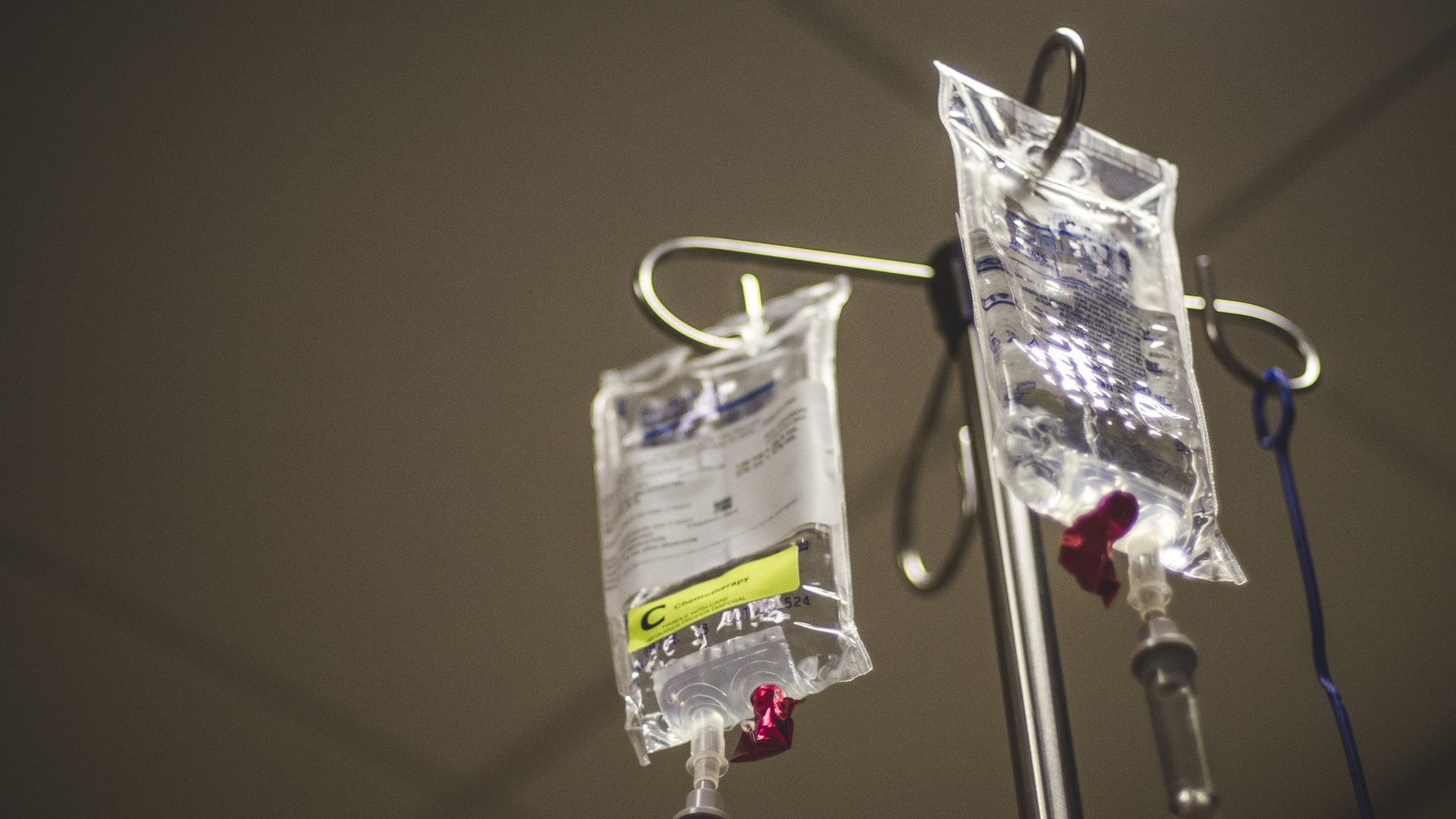
The nationwide shortage of critical intravenous saline fluid triggered by Hurricane Helene is over, though some other injectable solutions remain in shortage almost a year after the storm, the Food and Drug Administration said.
Why it matters: The storm sent shudders through the health supply chain when it ravaged a huge Baxter International plant in North Carolina that makes IV fluids for many U.S. hospitals.
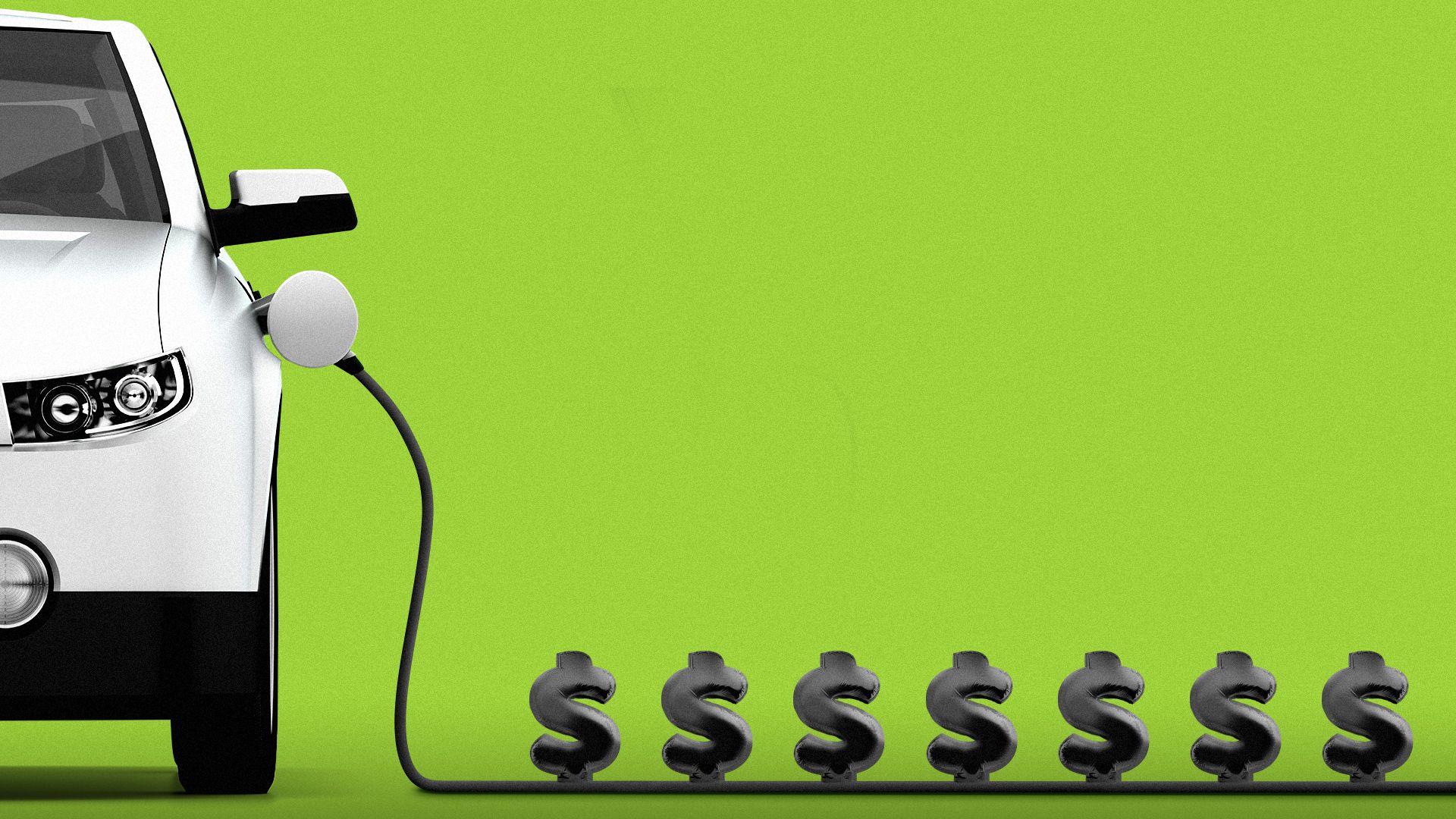
Ford's decision to invest $5 billion in a new family of electric vehicles might seem crazy at this point, given how much the political winds have shifted against EVs since President Trump took office.
Widen the lens, however, and Ford's big bet is the only natural choice in the face of existential threats to its business.
The big picture: More and more mainstream car buyers can't afford to buy a new Ford, which sells for an average of $56,000.