Nearly 190 million Americans are under some form of heat advisory or warning as of Monday afternoon amid an early summer heat wave.
Why it matters: The event, which broke temperature records across the West and Alaska before shifting east, is bringing an especially dangerous combination of heat and humidity.
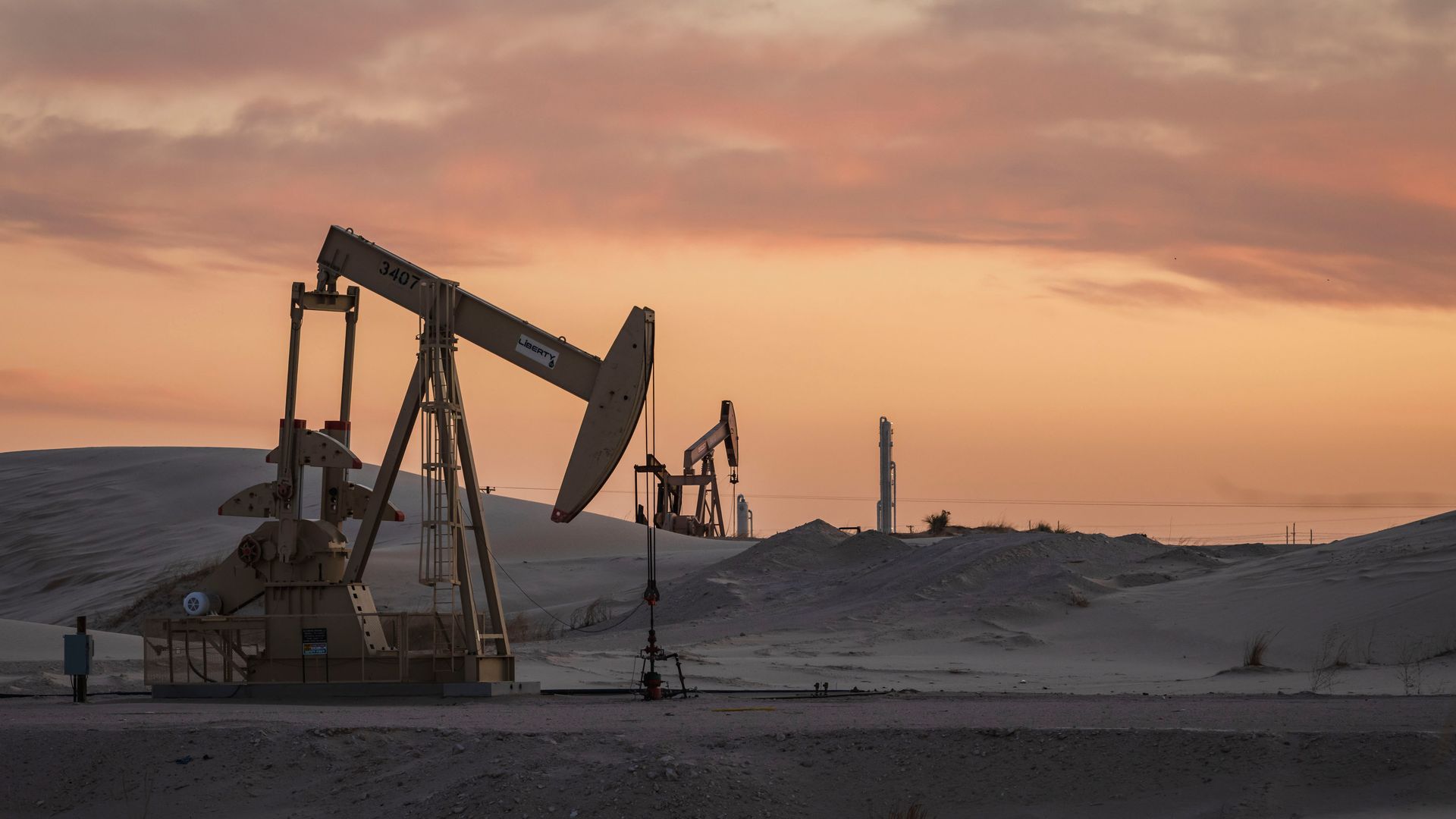
The modest oil-market response in the wake of U.S. attacks against Iranian nuclear sites over the weekend is striking to at least one analyst.
Why it matters: "It's remarkable to have such a limited risk premium in the face of this uncertainty and potential for escalation," oil scholar Ben Cahill of the University of Texas-Austin told Axios via email.
As near record-high temperatures continue to broil the Midwest, many are turning to pools, lakes and cooling centers for relief. But don't sleep on using food to beat the heat.
Why it matters: Chilled soups, salads and other cold delicacies offer a way to turn down your body temperature without heating your kitchen.
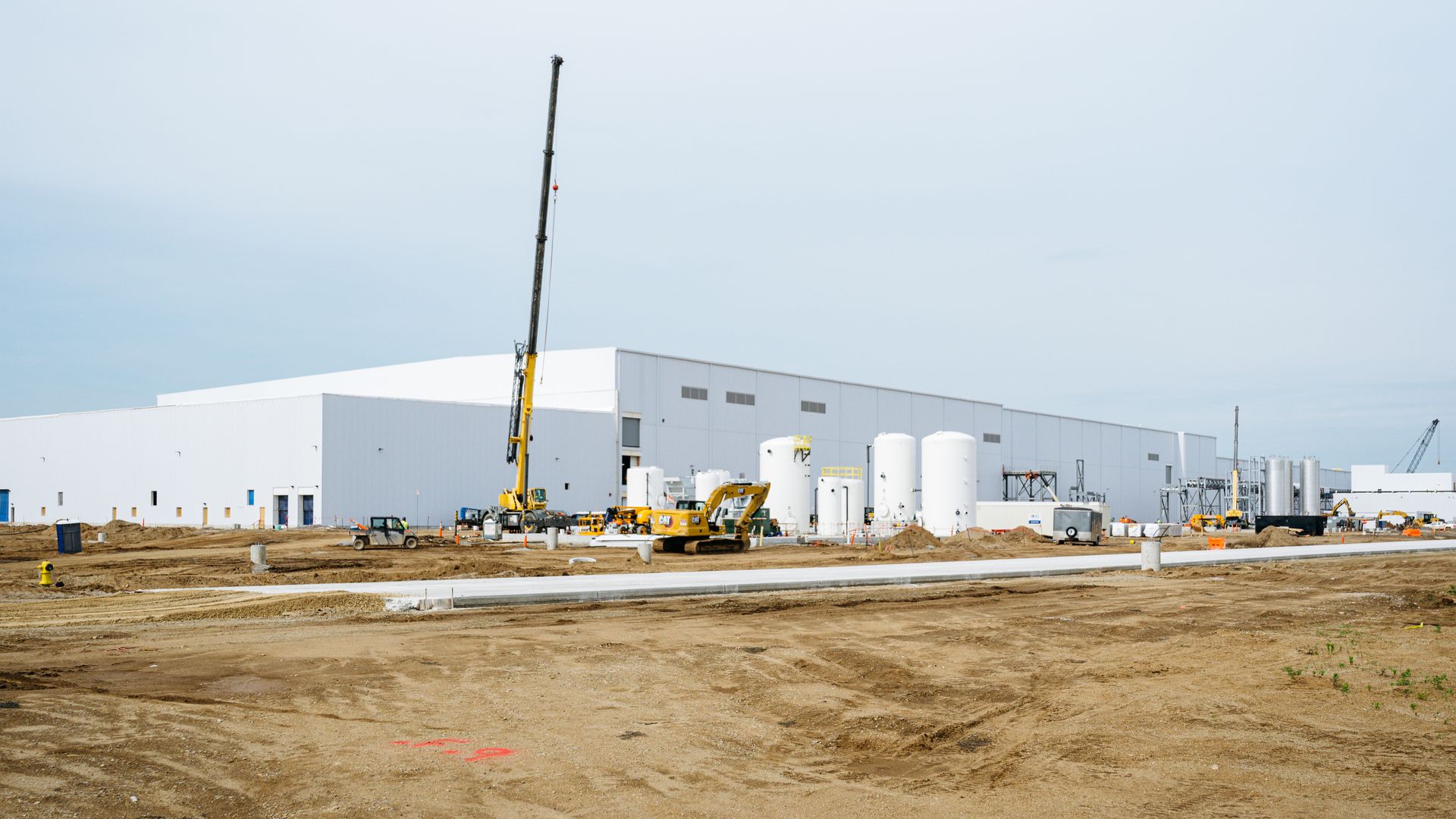
Ford Motor is pushing ahead with a politically controversial battery factory in Michigan, even as Congress moves closer to eliminating the lucrative Biden-era tax subsidies that made the project financially feasible.
Why it matters: Ford's argument is that by building batteries using technology licensed from China's leading battery producer, CATL, it is helping to re-shore important manufacturing expertise that was long ago ceded to China.
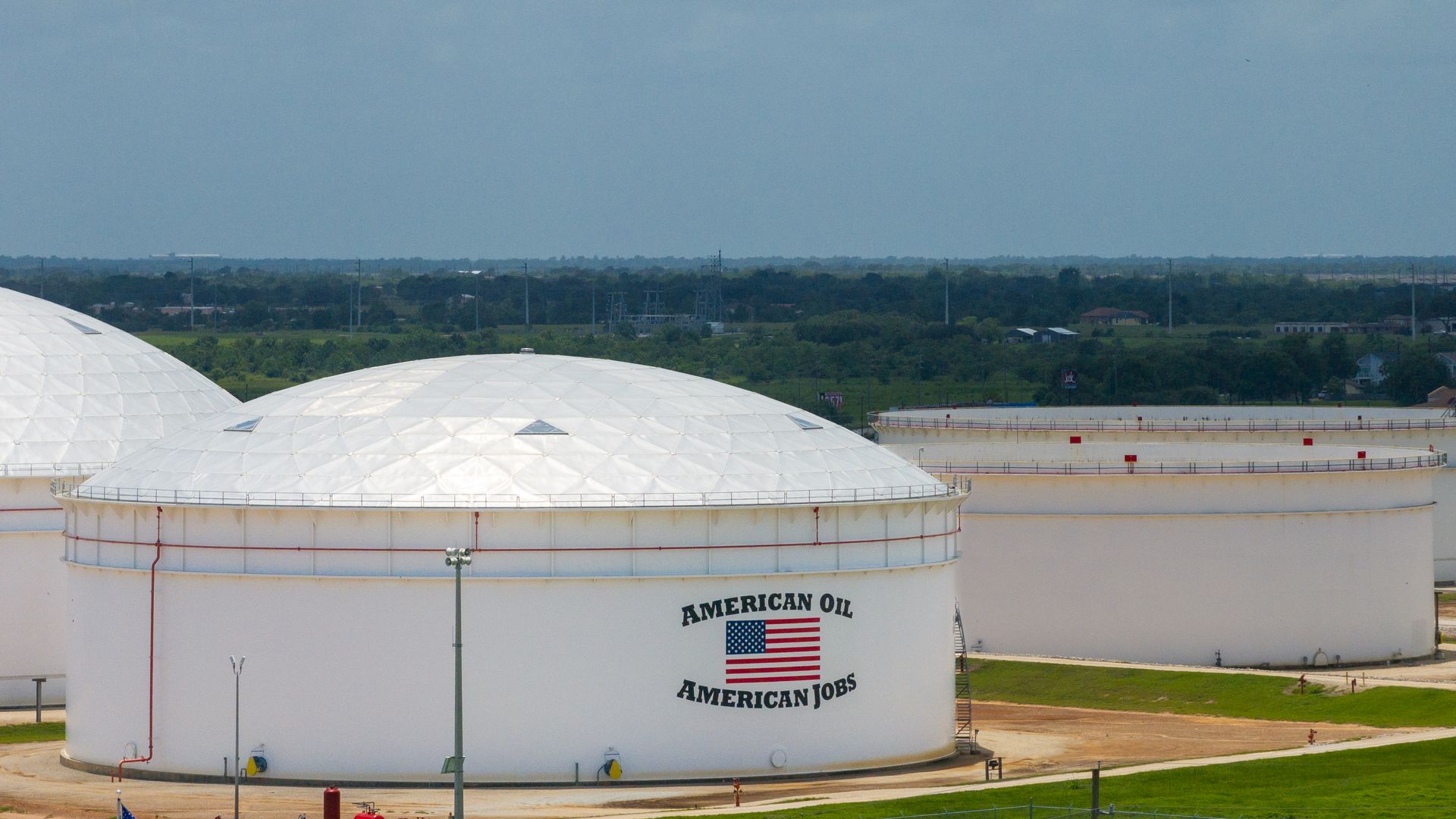
Crude oil prices jumped — but didn't head for the stratosphere — as trading markets opened for the first time since the U.S. attack on Iranian nuclear facilities.
Why it matters: It shows elevated risk of the conflict crimping oil flows in the region, something that has not yet occurred.
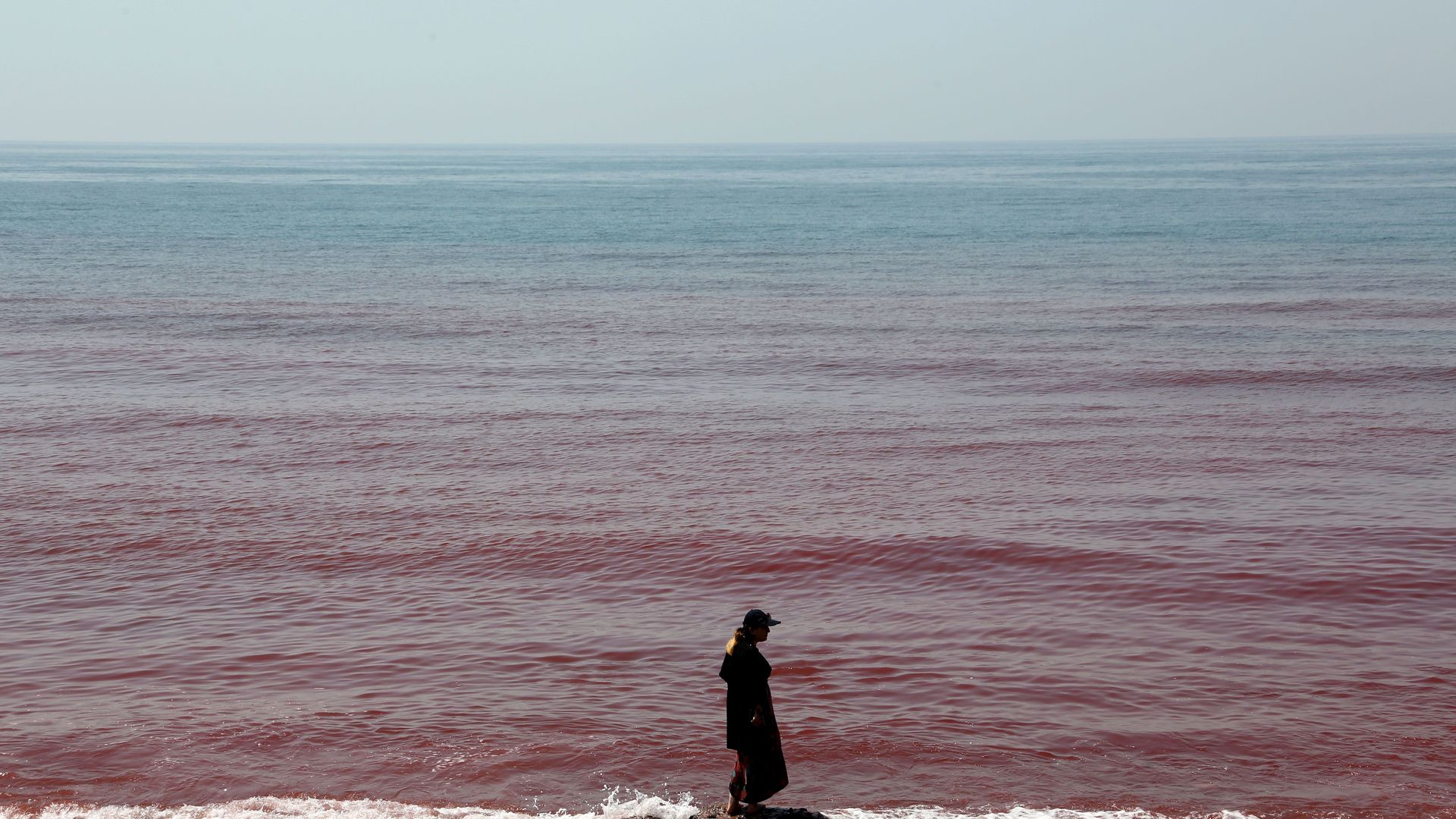
Iran's parliament has endorsed closing the Strait of Hormuz, a vital oil transit point off its coast, but analysts are skeptical about the threat from a body without authority to close the strait.
Why it matters: Impeding the strait would likely bring a massive spike in oil prices that would flow through to U.S. consumers.

/2025/06/23/1750702703997.gif?w=3840)