The latest from UN climate talks in Azerbaijan is pretty on the nose for these summits: big talk of future action blended with struggles to make tangible progress in the now.
State of play: Negotiations on the main business at hand in Baku — a new climate finance deal — are far from resolution.
Tokamak Energy, a British fusion energy developer, raised $125 million jn new funding.
Why it matters: The AI revolution needs more power, and one of its second-order impacts is driving venture investment into nuclear fusion, which remains the holy grail for energy.
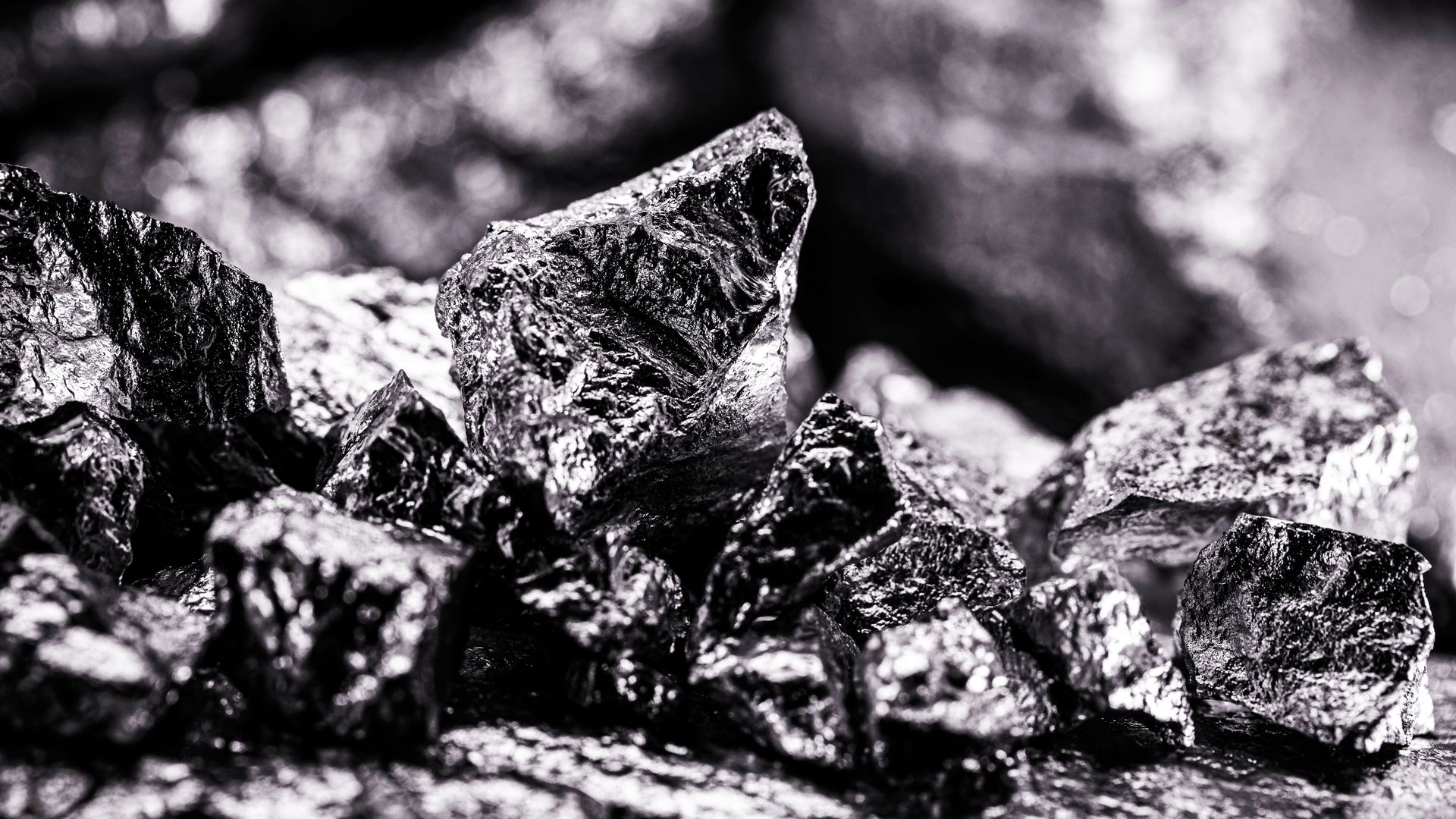
A company using artificial intelligence-driven methods announced a significantly expanded find of a large deposit of palladium, platinum and nickel in southeastern Australia, the company's founder first told Axios on Thursday.
Why it matters: Palladium and other related metals are vital to the transition to cleaner energy technologies, with uses in catalytic converters, hydrogen fuel cells and solar panels.
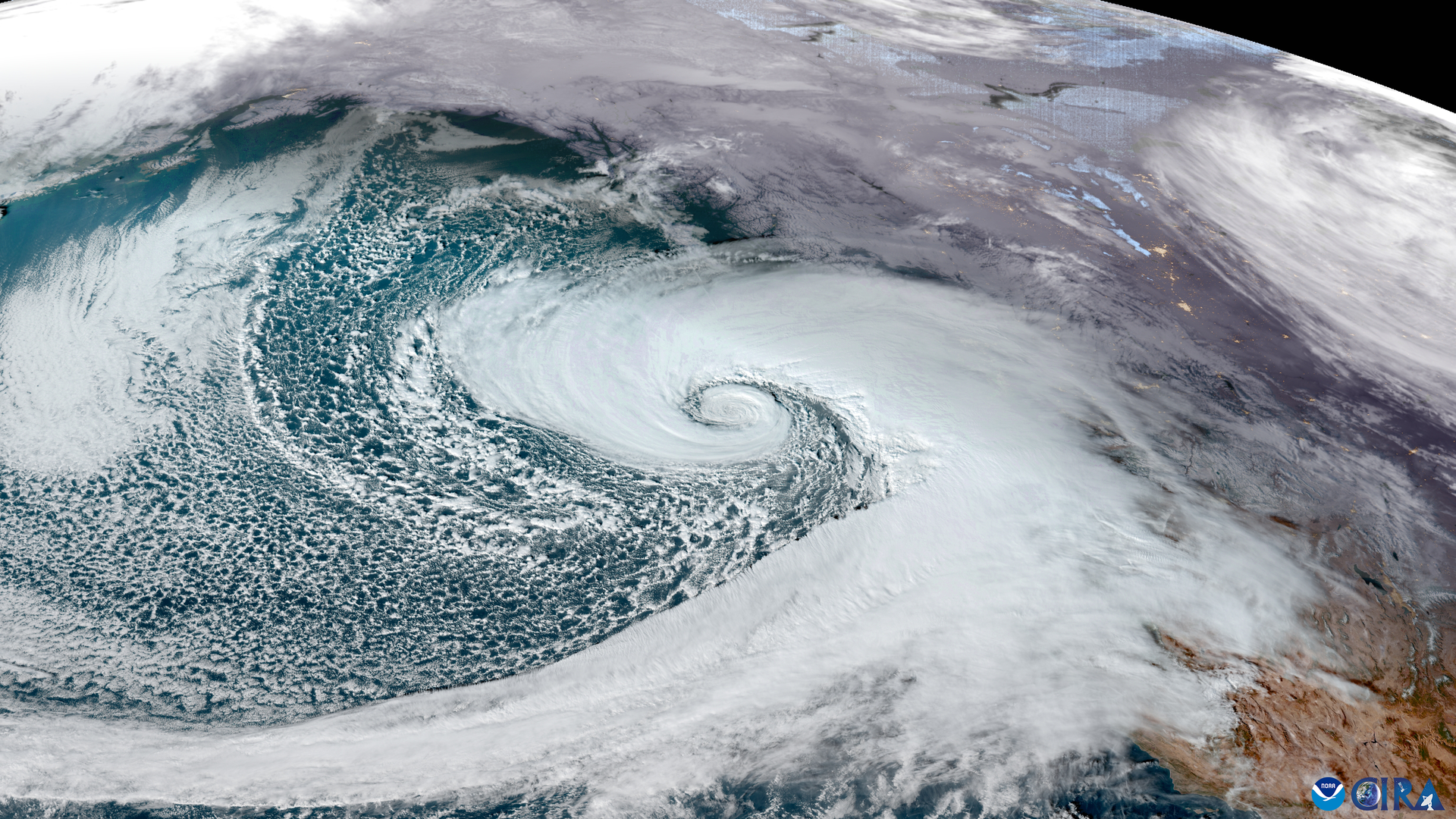
The Pacific Northwest was being slammed by a powerful, enduring storm system through Wednesday night that's brought high winds, flooding and left thousands without power.
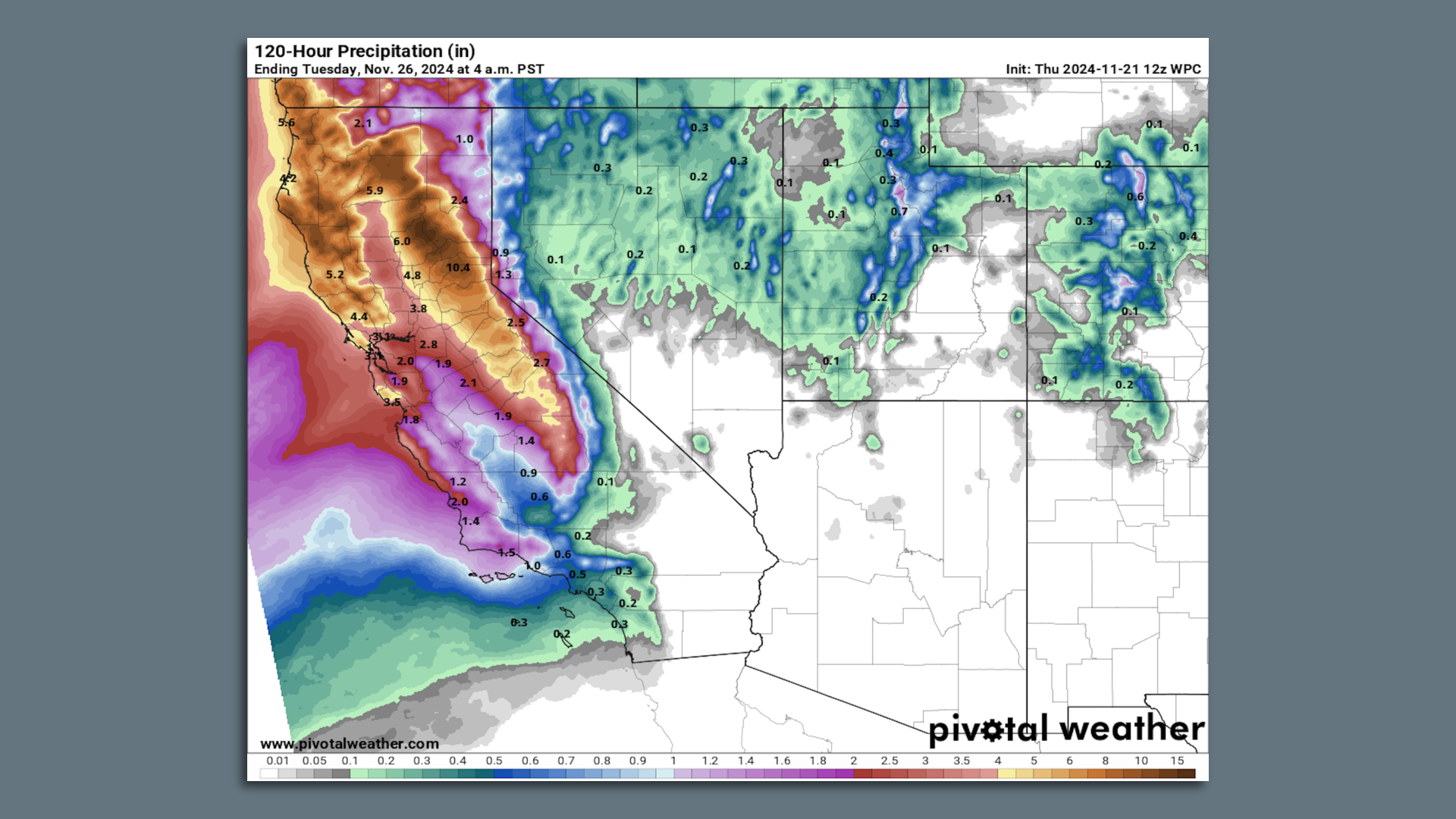
The big picture: As a bomb cyclone that killed at least two people in Washington eased somewhat Wednesday evening, a strong atmospheric river was ramping up and taking aim at southwestern Oregon and Northern California — where the Weather Prediction Center warned of excessive rainfall risks through Friday.
The West Coast is in the midst of a long-lasting heavy rain event tied to a bomb cyclone in the northeastern Pacific Ocean, with the National Weather Service warning of "life-threatening flooding" in Northern California.
Threat level: The rapidly intensifying storm that is directing a strong atmospheric river at southwestern Oregon and Northern California brought hurricane-force winds to parts of Oregon, Washington and Canada late Tuesday into early Wednesday, causing widespread power outages.
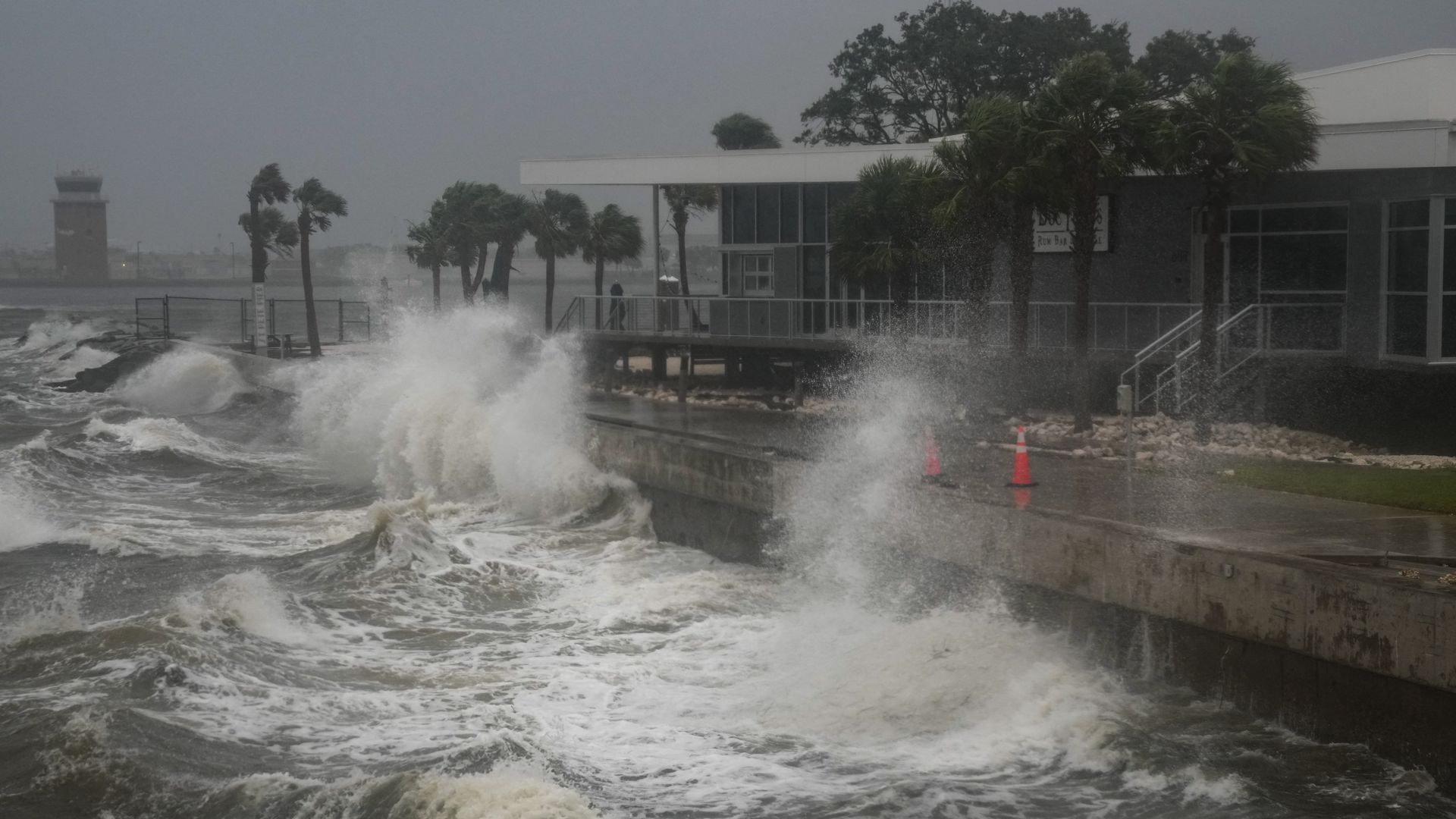
Climate change strengthened the maximum wind speeds of Atlantic hurricanes by an average of 18 mph during the past five years, a new study published Wednesday shows.
Why it matters: The study is among the first to show a link between hotter ocean temperatures and stronger hurricane wind speeds. It ties climate change to a hurricane's destructive potential.