Negotiators from around the world are meeting in Montreal this week to hammer out how to divide the billions of dollars and other benefits derived from using genetic sequences to make new drugs, cosmetics and agricultural products.
Why it matters: Without a system for sharing the benefits, countries don't have to be compensated by companies and can restrict access to genetic data and create obstacles to scientific research.
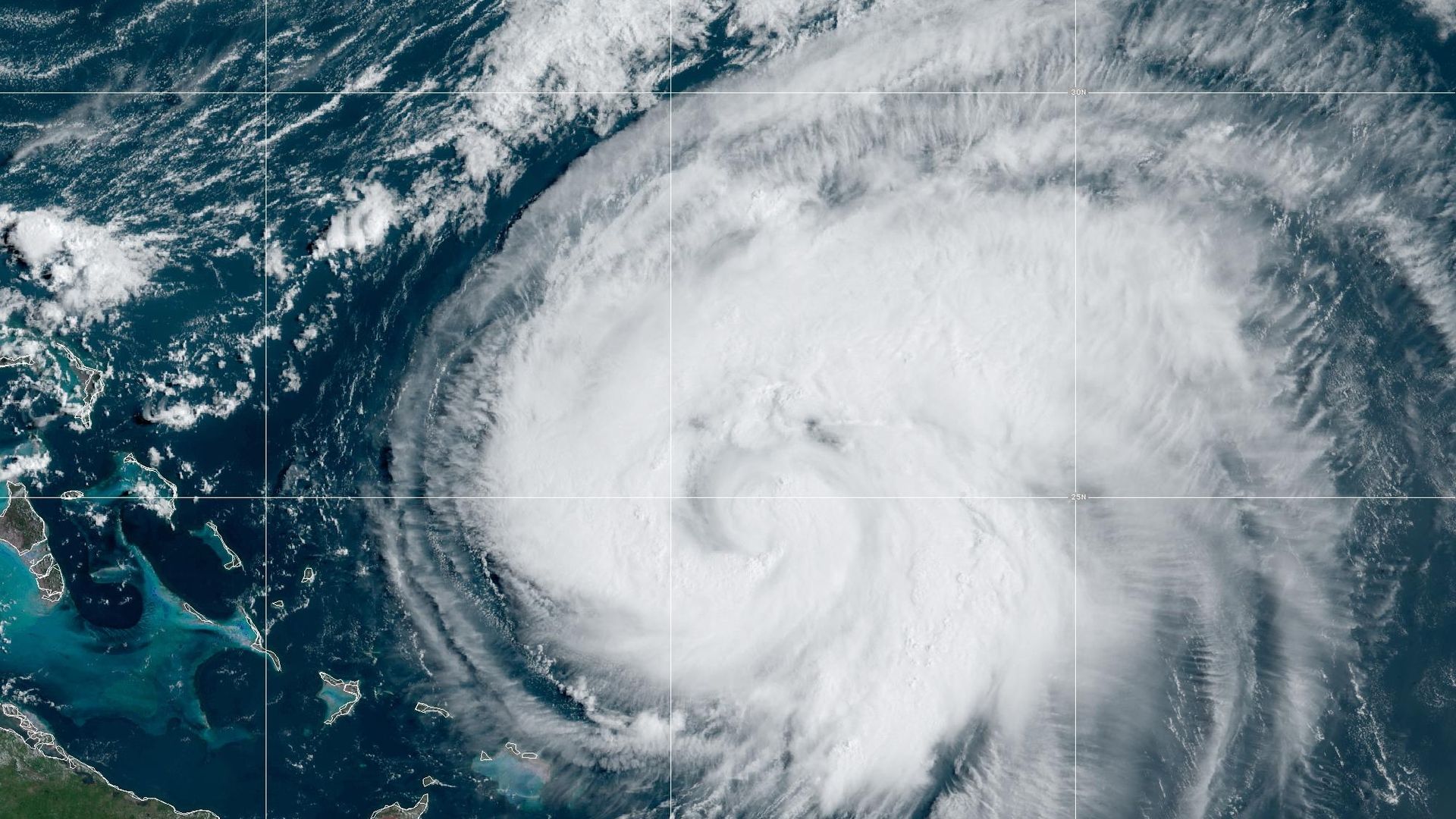
Hurricane Ernesto is steadily intensifying as it moves northward toward Bermuda, where it could produce waves as high as 80 feet — large enough to damage cruise and container ships.
Threat level: This storm is forecast to slam into the British territory and tourism destination with Category 2 or 3 winds that would continue for a long duration late Friday through evening.
Why it matters: The research shows that a slowdown in the rate of emissions growth due to government policies, and eventual leveling off, could help arrest the rate at which the planet is warming.
The Energy Department is steering around $50 million into six states to help small- and mid-sized auto suppliers convert facilities to serve EV value chains.
Why it matters: The money for states with large auto workforces is the latest of many White House financial carrots to help the industry go electric.
Hurricane Ernesto, which was upgraded from a tropical storm at 11am ET on Wednesday, is beginning to pull away well to the north of Puerto Rico.
Threat level: Despite not making a direct hit on the island, flooding rains and high winds knocked out power to more than 700,000 customers on the island, illustrating the continued fragility of the grid there.
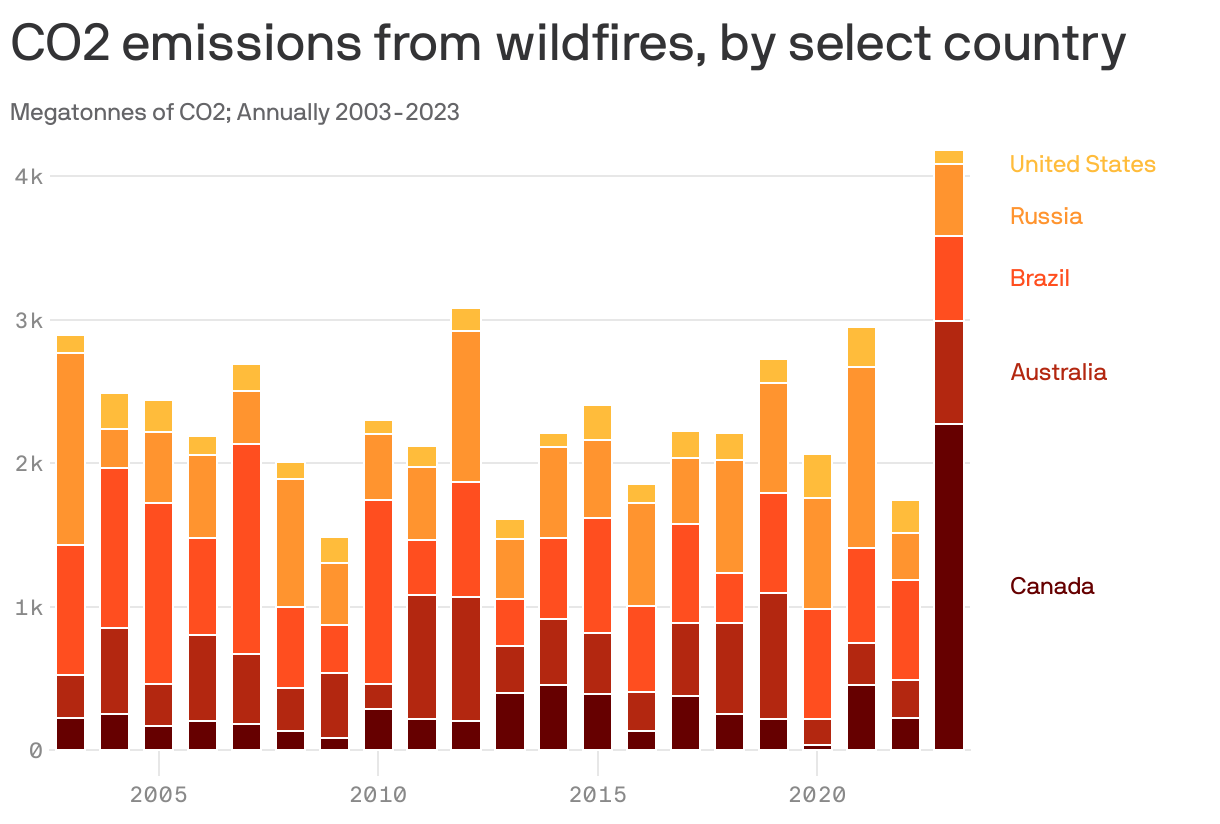
Data: Earth System Science Data; Chart: Thomas Oide/Axios
Climate change increased the likelihood and severity of record wildfires that devastated Canada, parts of the Amazon and Greece last year, according to a groundbreaking and comprehensive review of global wildfire activity.
Why it matters: Scientists are taking stock of increasingly extreme wildfire seasons and are also examining how reliably they can be predicted.
EVgo, one of the nation's largest charging networks, is rolling out efforts to diagnose equipment issues in real time as part of a broader plan to replace outdated chargers and improve customer service, the company tells Axios exclusively.
Why it matters: While the number of public chargers continues to grow, many networks still aren't reliable enough to ease the public's charging anxiety — a leading concern about EVs.