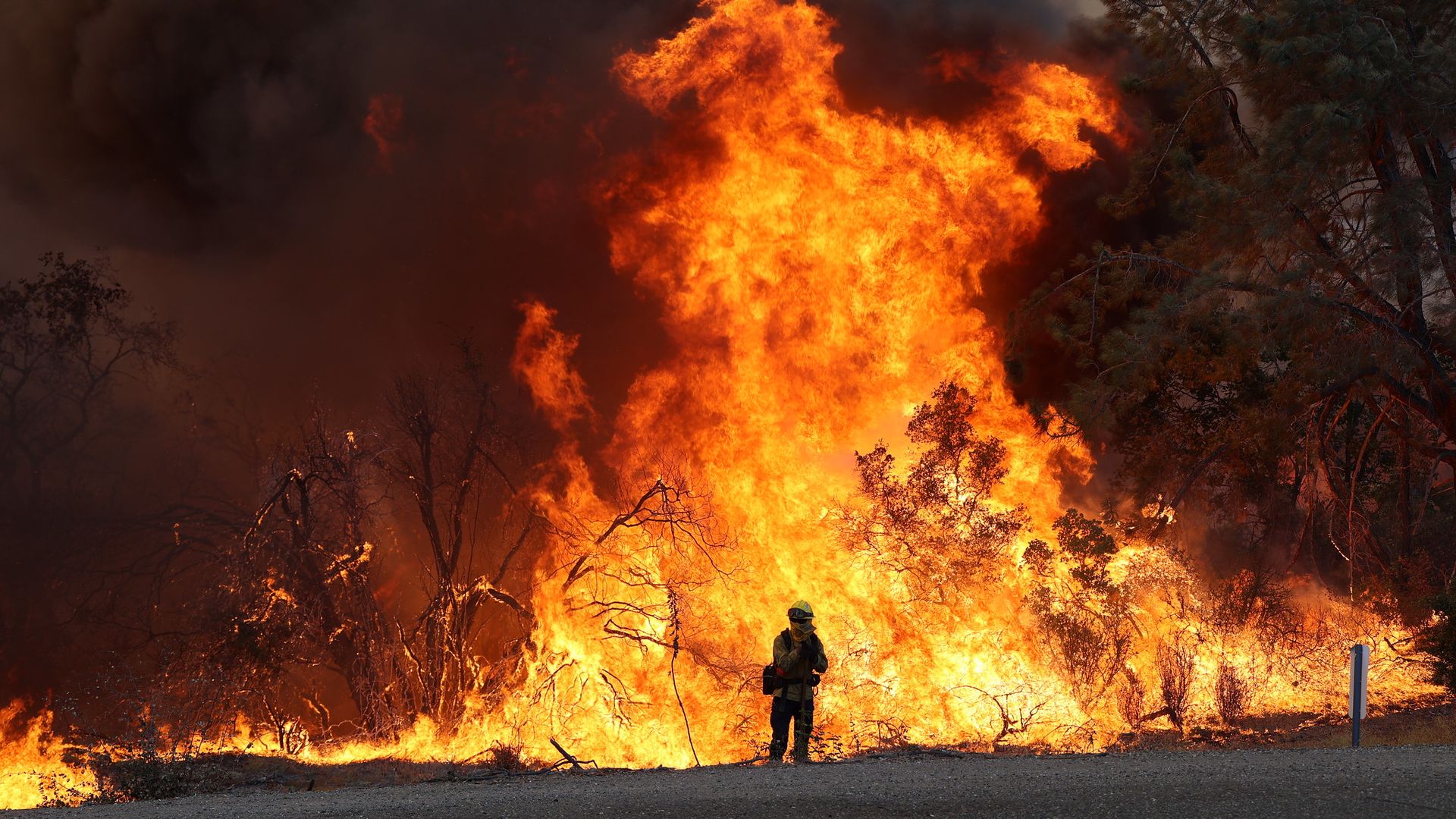
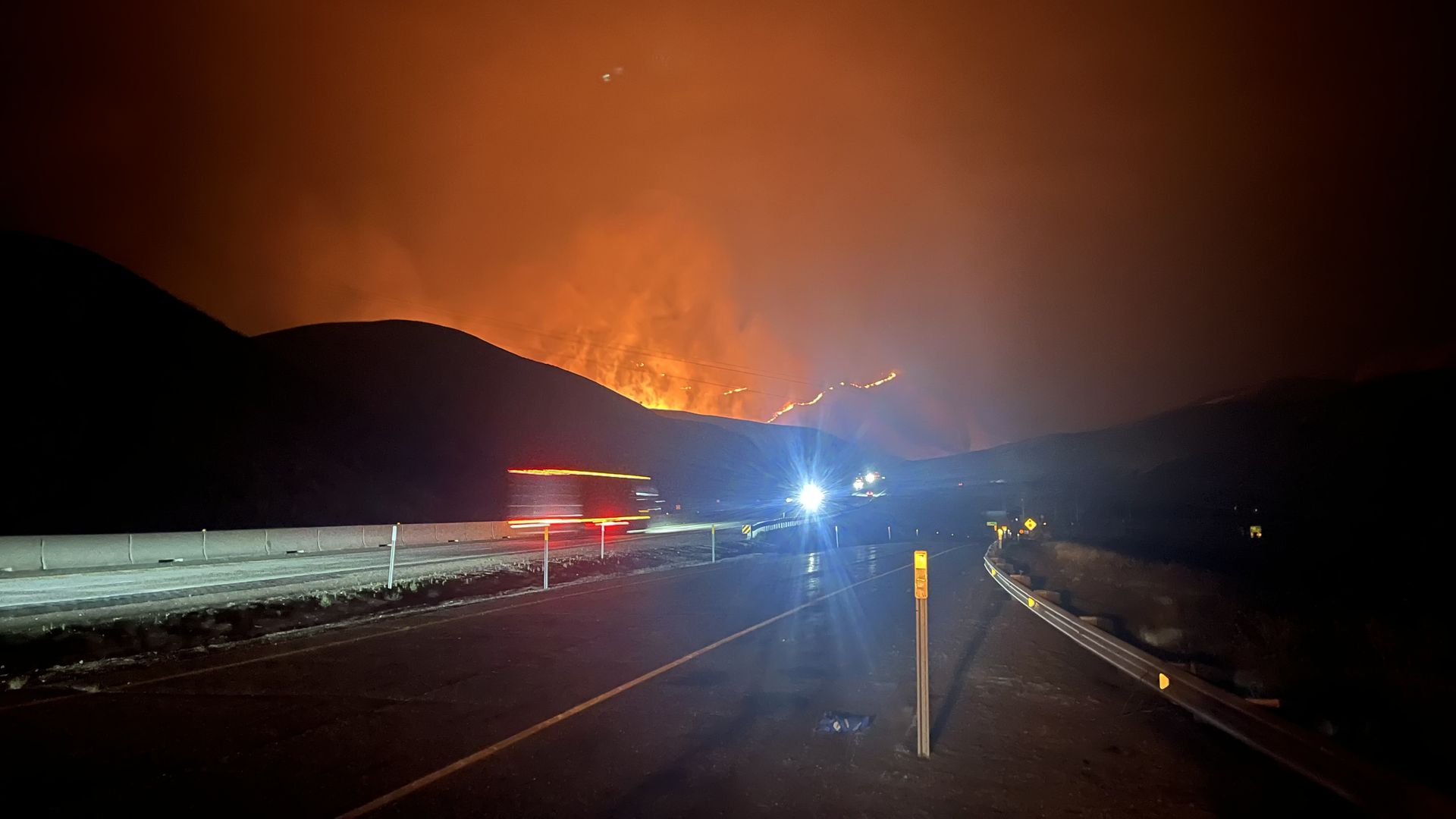
Raging wildfires and their associated smoke plumes are plaguing parts of the western U.S. and Canada, with hasty evacuations underway in some communities.
The big picture: Extreme heat and dry conditions are yielding extreme fire behavior from northern California into Oregon, while Canada calls up military personnel to battle blazes in British Columbia and Alberta.
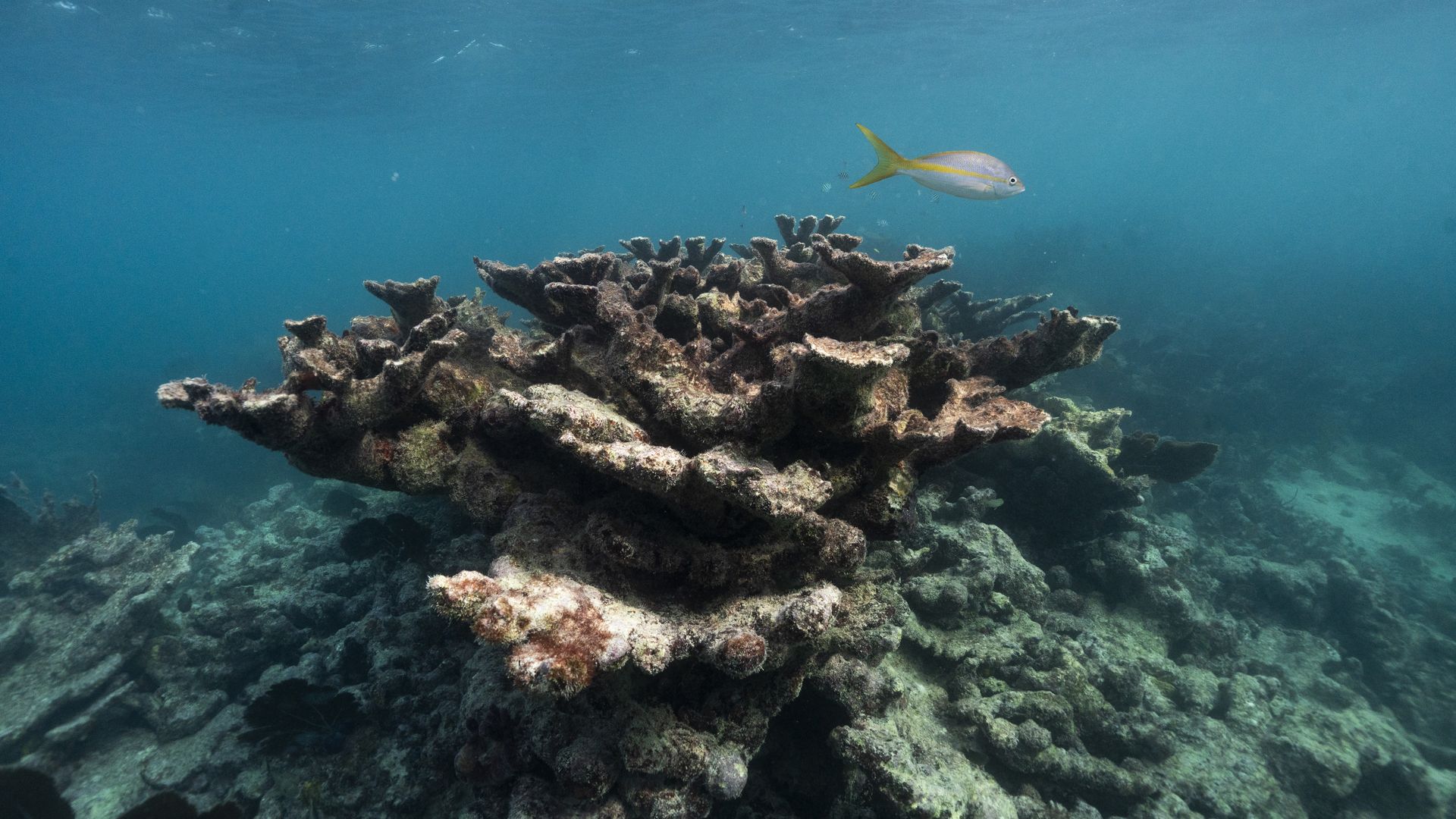
Nearly all of the world's oceans are in the midst of "unusual warmth," warns a leading NOAA scientist who notes this has contributed to the extreme heat baking much of the Northern Hemisphere this summer.
Why it matters: "Even small rises in temperature can disrupt marine ecosystems, cause some species to relocate, and increase disease risks," said Stats NZ's Stuart Jones in a statement. "It also contributes to sea-level rise as the warmer water expands."
First Street, which informs companies and individuals of their climate change risk exposure to flooding, wildfires and other hazards, raised $21 million in a Series A-1 funding round, the company first told Axios.
Why it matters: First Street taps into the growing demands for climate risk information among financial institutions and real estate companies as well as homeowners.
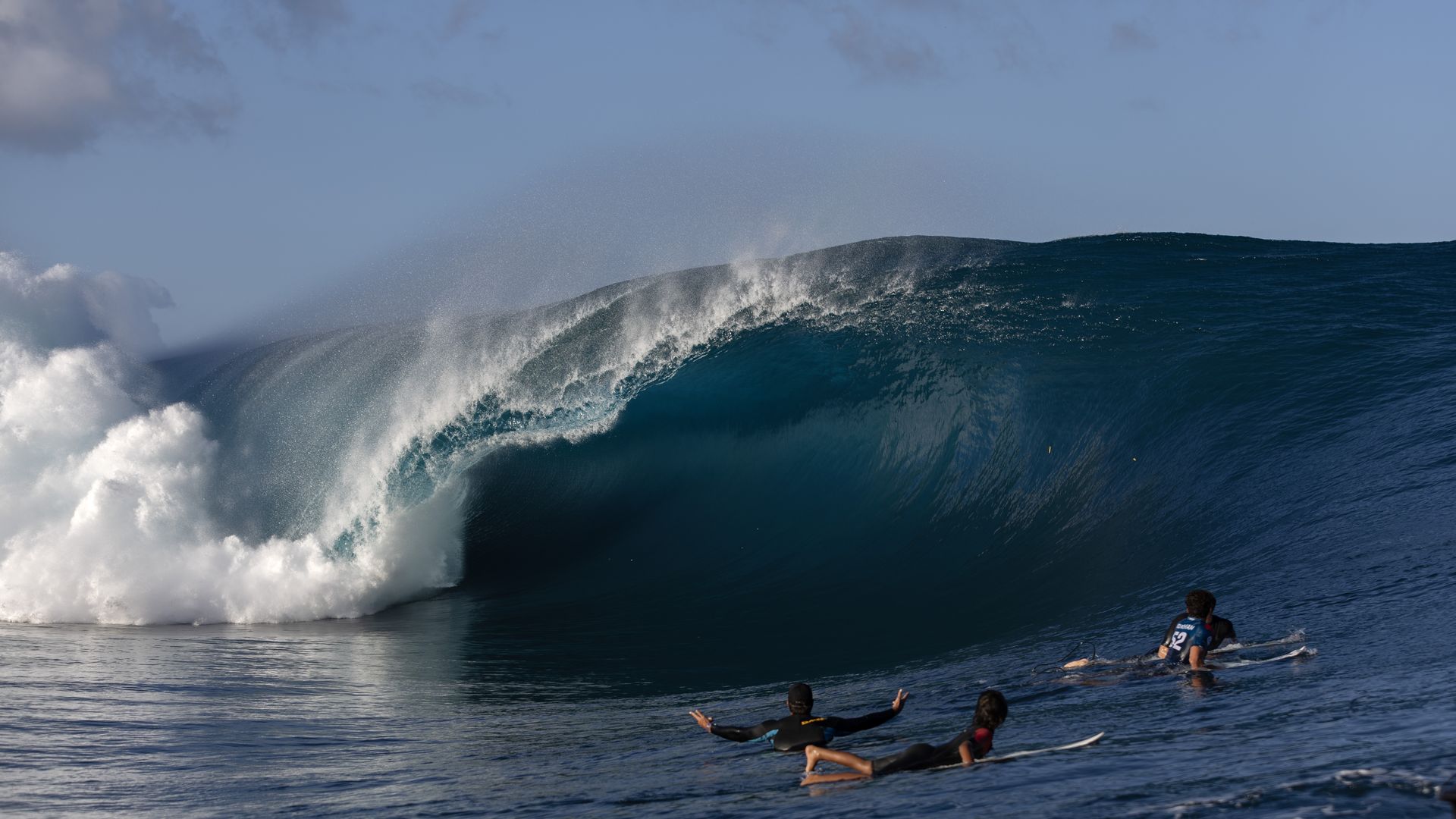
Organizers behind the Paris 2024 Olympic Games have touted their ambitious goal of slashing the international gathering's carbon footprint as a new standard for the event.
Why it matters: The realities of mass gatherings threaten to overshadow that goal, and experts and protesters alike suggest the Paris Games will hardly be the greenest.
Massive wildfires burning across the unusually hot and dry western U.S. and Canada have led thousands to evacuate, with reports of at least one fire in California and another in Oregon creating their own weather.
The big picture: 78 large fires are burning in the West, per the National Interagency Fire Center (NIFC). This includes 31 blazes in Oregon and 12 in California, as dangerously hot temperatures continued to roast the West.