U.S. oil stockpiles dropped more than expected last week, giving crude prices a lift.
Why it matters: The U.S. hasn't seen prices rise related to the expanding fighting in the Mideast, as domestic producers and rising imports from non-OPEC countries like Guyana and Brazil have generated ample supplies.
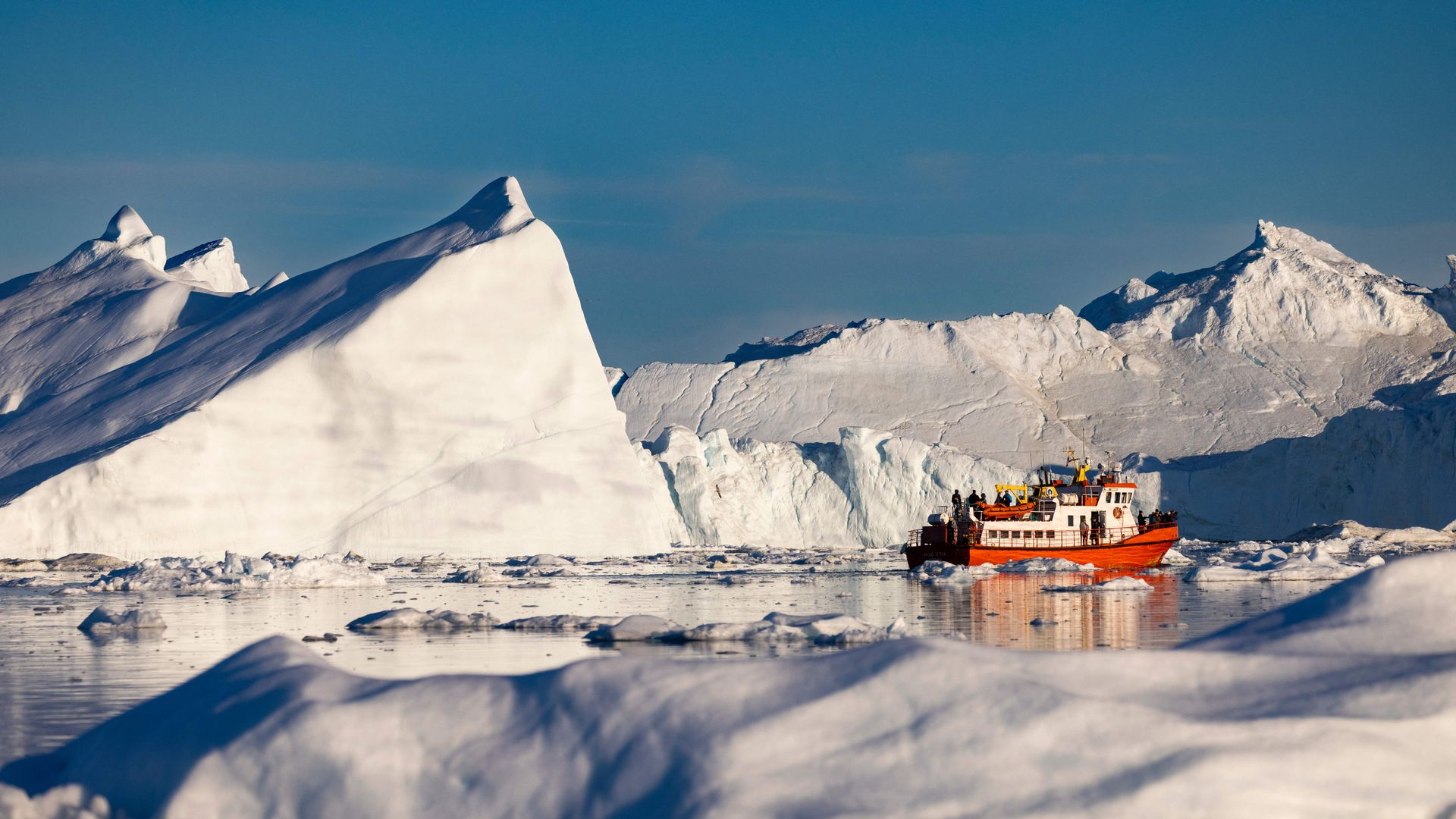
Why it matters: Such an underestimate of Greenland ice mass loss indicates a heightened risk of shifts in ocean currents and global weather patterns, the study notes.
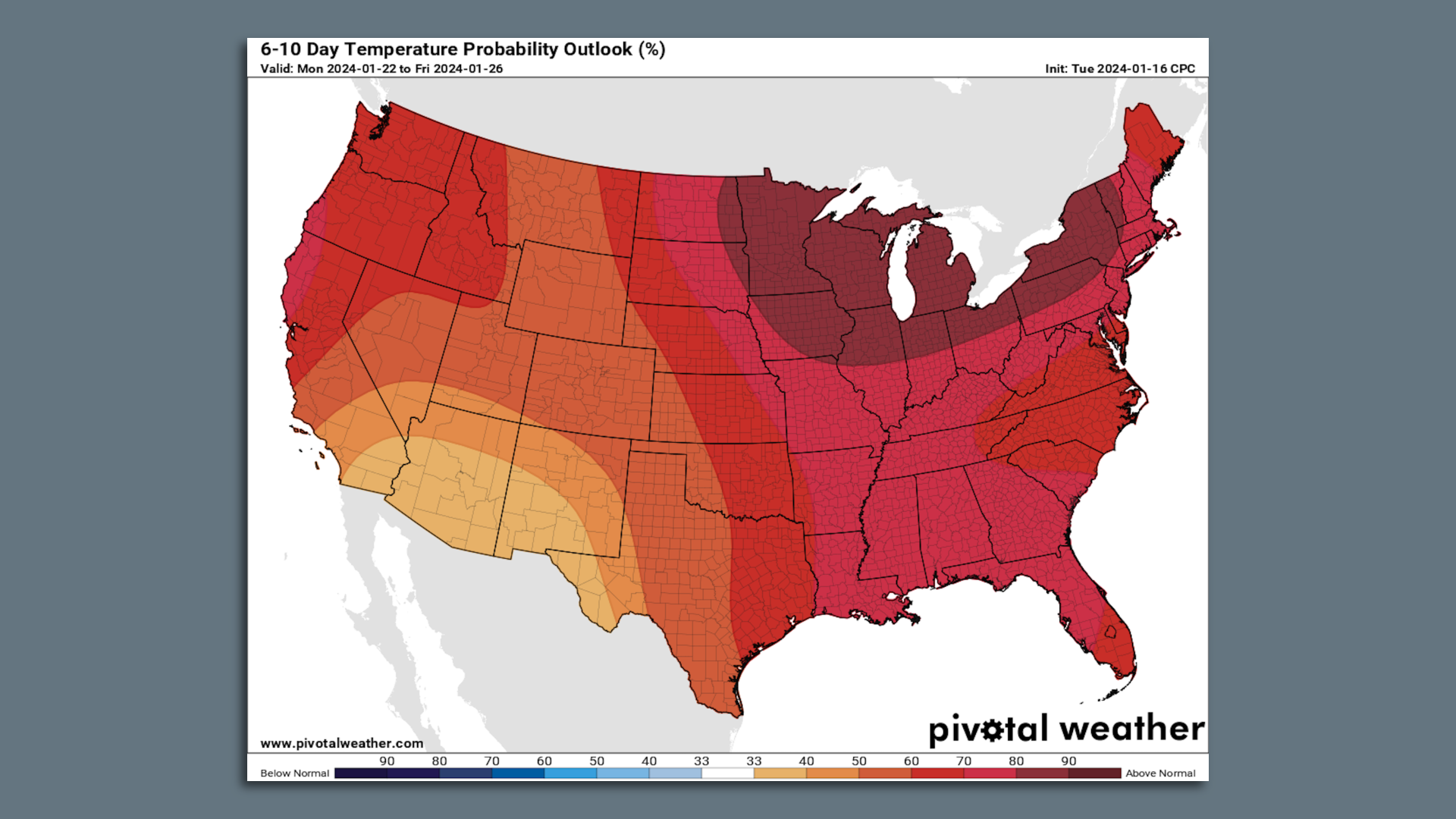
Yes, but: A significant weather pattern shift looks to bring air temperatures back into the above-average range for much of the country next week, after one more Arctic blast affects the Central U.S. and Southeast.
The Supreme Court will hear arguments Wednesday morning in a case that could bring fresh constraints on federal agencies' running room to craft energy and climate regulations.
Driving the news: The justices will dive into caseschallenging "Chevron deference" — a longstanding precedent that gives departments broad leeway when underlying statutes are vague or silent on a topic.
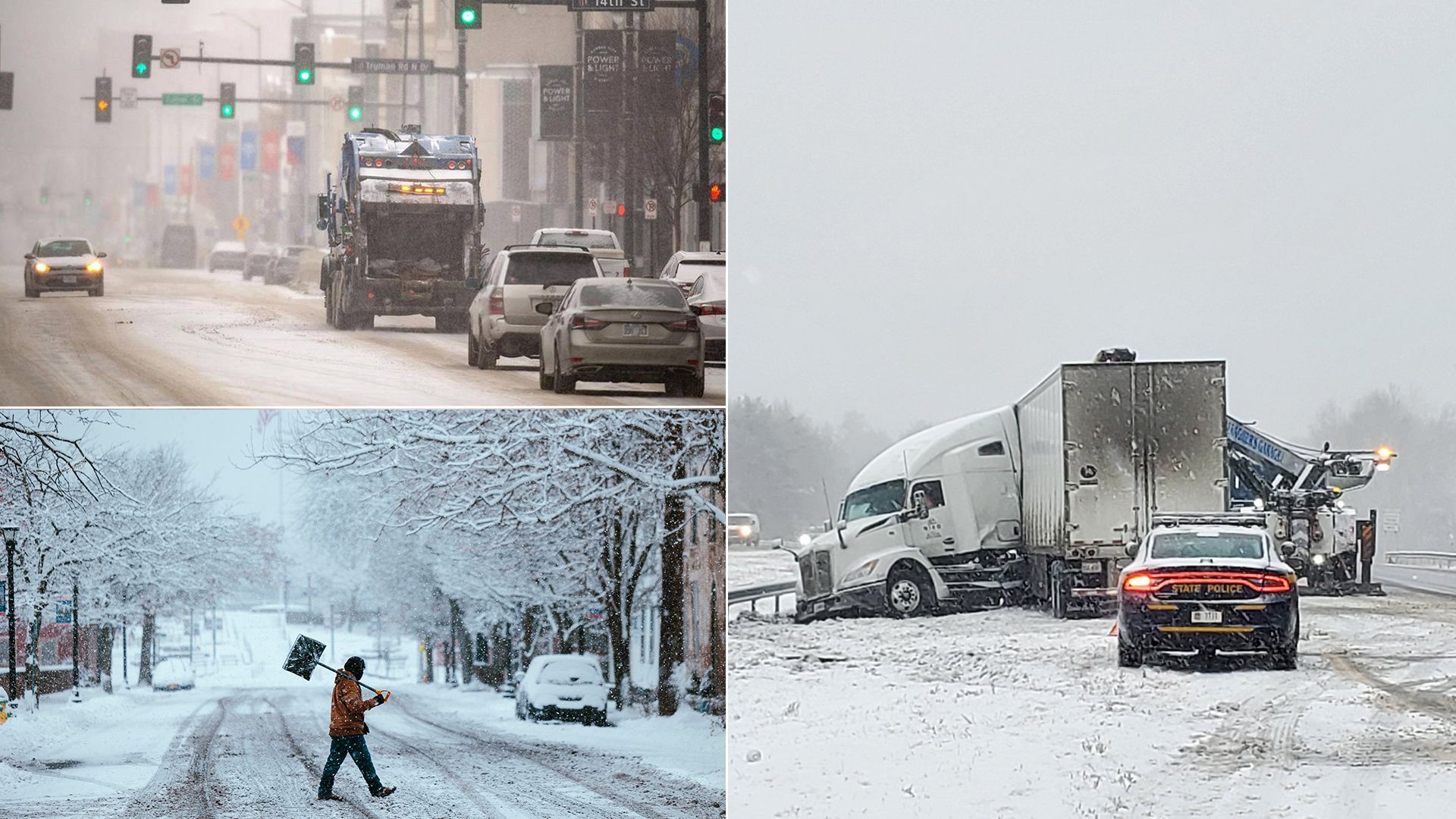
"Record-setting" cold temperatures from an Arctic outbreak slamming much of the Lower 48 U.S. states has left over 100 million Americans under alerts from "dangerous" wind chills, per the National Weather Service.
The big picture: The winter storm that's ended a two-year snow drought along the heavily populated I-95 corridor has caused widespread travel disruptions, as snow was accumulating across the eastern Great Lakes and Northeast corridors, and significant ice was building in the West, including in Portland, Oregon.