Tuesday's energy & climate stories

1.2 million in Latin America displaced by disasters, study finds
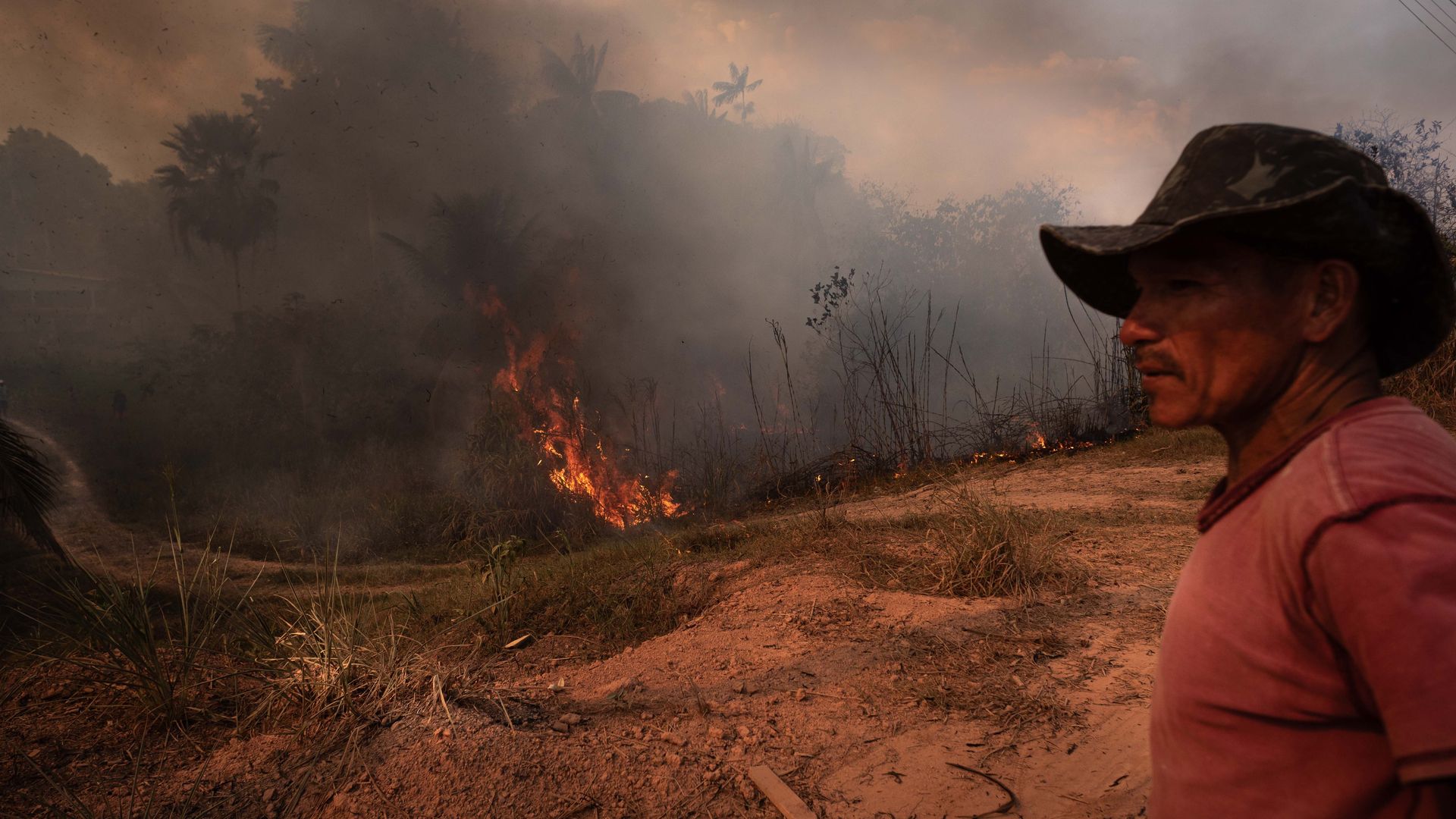
More than 1 million people in Latin America and the Caribbean were internally displaced in 2021 because of disasters that were worsened by climate change, a new study finds.
The big picture: The World Bank predicts that more than 216 million people could be displaced by climate change by 2050 — with 17 million of those coming from Latin America — putting pressure on migration, food supplies and housing.

Virgin's voyage is a milestone for cleaner jet fuel

Somewhere over the Atlantic Ocean a Boeing 787 Dreamliner is mid flight — but this is no ordinary voyage.
Driving the news: The Virgin Atlantic trip on Tuesday will be the first commercial widebody airliner crossing 100% powered by "sustainable aviation fuels."

Appeals court orders dismissal of lawsuit against makers of "forever chemicals"
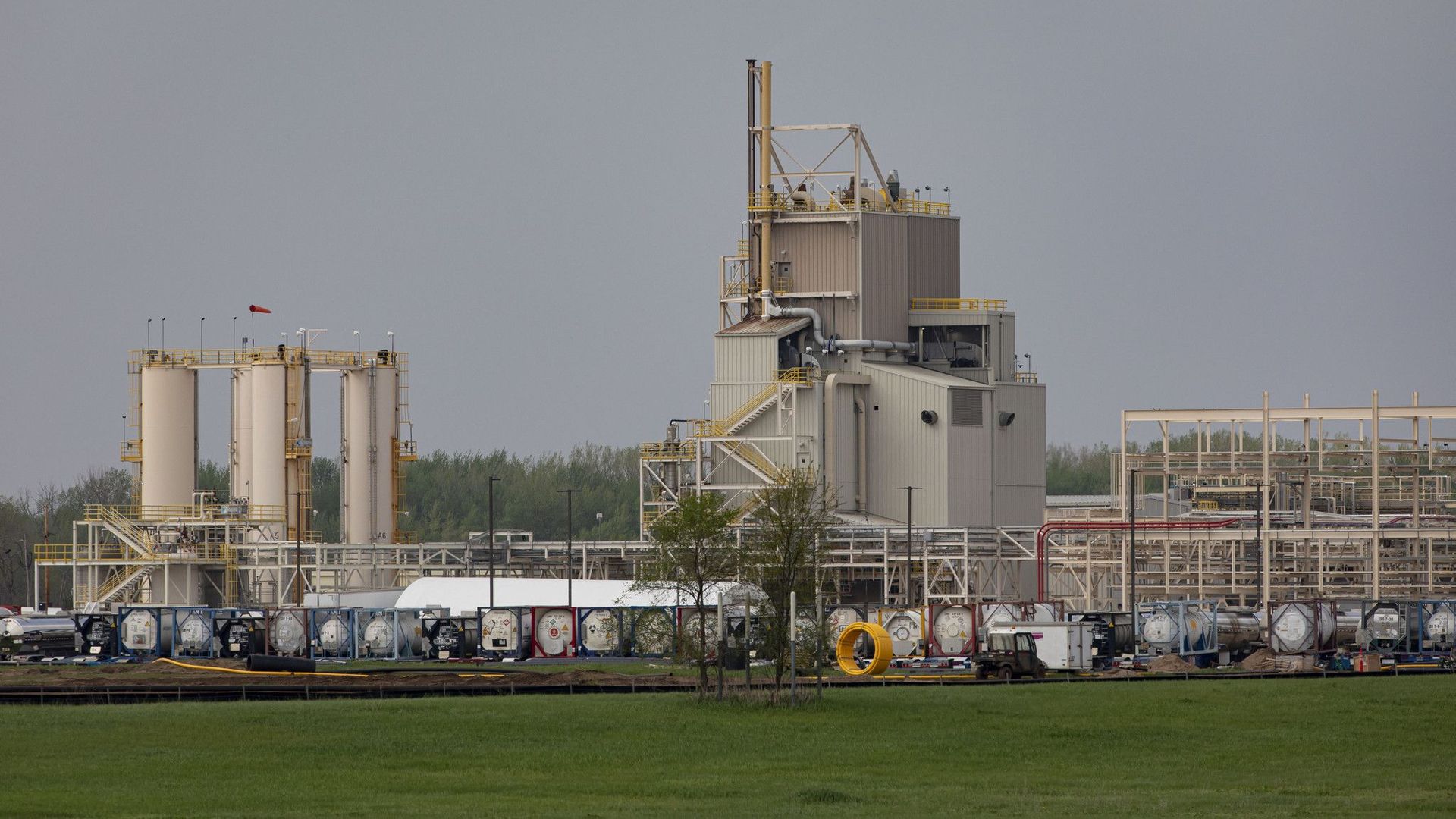
Makers of "forever chemicals" won a legal victory Monday when an appeals court overruled an earlier decision that would have allowed millions of Ohio residents to join a class action lawsuit against the companies.
Driving the news: The 6th U.S. Circuit Court of Appeals instructed a lower court to dismiss the case filed against 3M, E. I. du Pont de Nemours and Co., Chemours, Corteva and other manufacturers of the synthetic compounds, referred to collectively as PFAS.

Fossil fuel lobbying in the spotlight at COP28
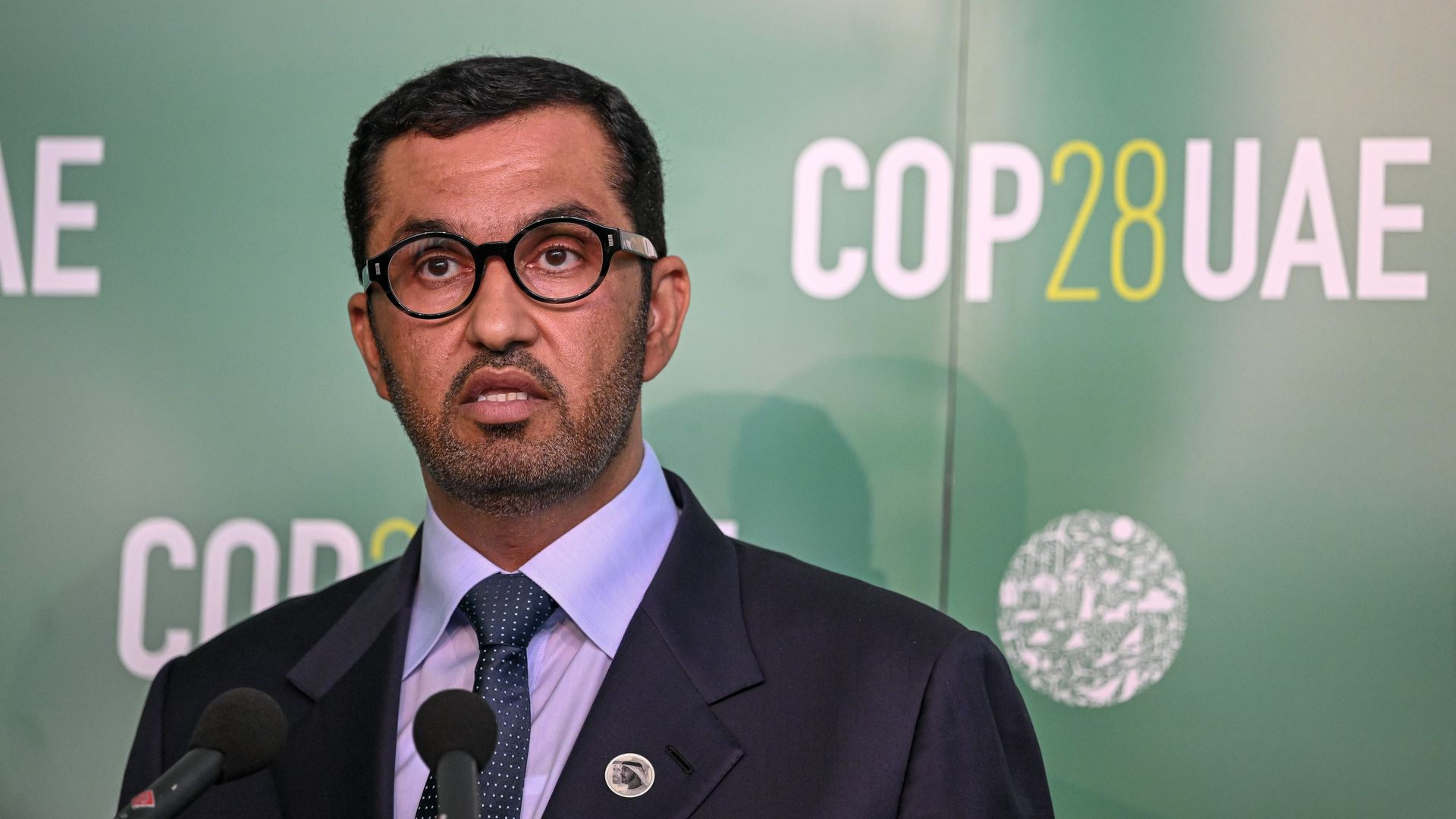
Fossil fuel lobbying at COP28 is facing scrutiny after a report alleged host country the UAE planned to discuss striking oil and gas deals with other governments at the climate summit, which starts Thursday.
Why it matters: The report — which COP28 organizers categorically deny —includes allegations that a UAE team prepared "talking points" to further the interests of ADNOC, a state oil firm that COP president-designate Sultan Ahmed al-Jaber heads.
Biden not scheduled to attend COP 28 climate summit
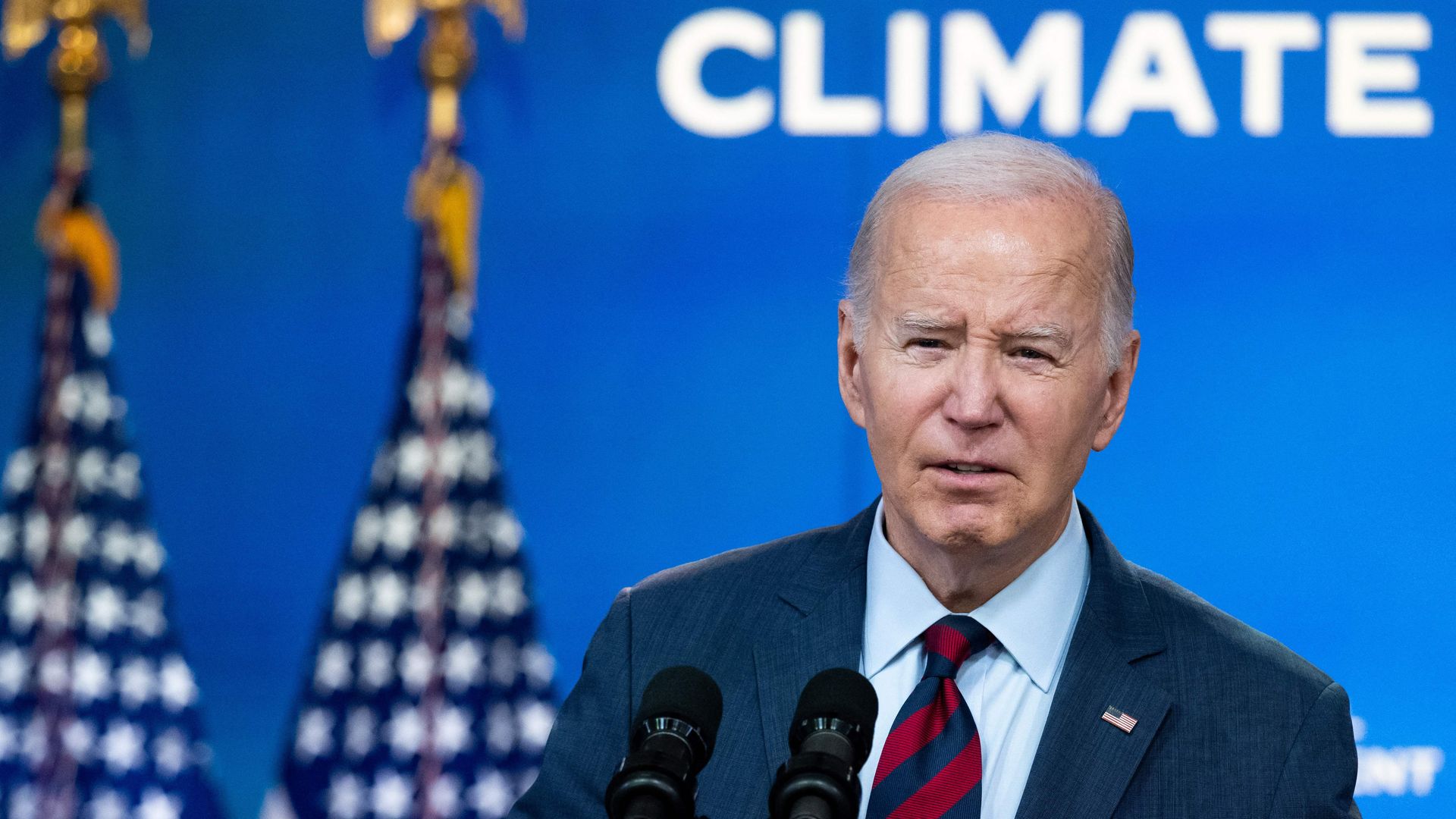
President Biden is not expected to attend the opening of COP 28 this week but will send top U.S. officials to the UN climate summit in Dubai, the White House confirmed.
Why it matters: Biden attended the previous two COP summits and has put tackling climate change at the center of his policymaking. Environmental policy forms a key part of his administration's national security strategy.
COP28, OPEC create double dose of drama for oil
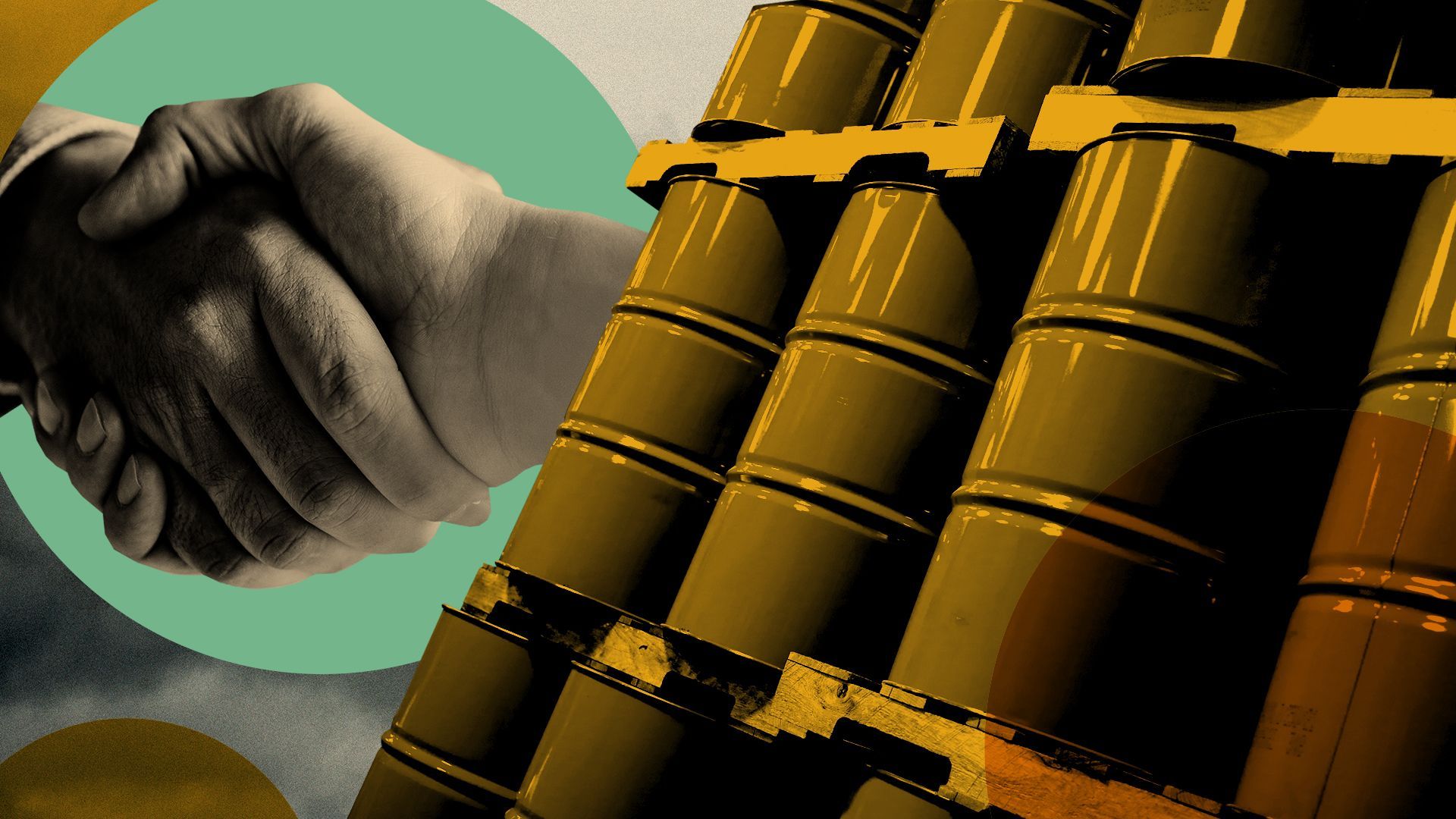
The immediate and long-term future of oil will face intense scrutiny this week.
What we're watching: The COP28 summit in the United Arab Emirates, which starts Thursday.
- The annual UN talks, held in a petro-state this year, will feature multifront battles over how fossil fuels figure in climate policy.
- Industry execs and oil-producing nations argue robust demand calls for their skills and scale in using their products more cleanly, including carbon capture.
Yes, but: Activists and multiple countries want a clear summit endorsement of getting away from fossil fuels, not just mitigating their impact.
Meanwhile: Russia and the allied oil producers known as OPEC+ will huddle on Thursday for a delayed meeting about output levels. All eyes are on...
- Whether OPEC+ deepens existing output cuts.
- Whether Saudi Arabia — OPEC's dominant producer — extends separate cuts currently in place through December.
The big picture: Bigger or extended cuts may help shore up prices, which are roughly 13% below mid-October levels, despite recent advances.
- The meeting was supposed to be yesterday, but reported tensions with African producers forced a delay.
What they're saying: The climate summit's opening could influence OPEC+ talks, RBC Capital Markets analysts said.
- They write that OPEC members will "endeavor to maintain public displays of harmony with COP28 set to begin in Dubai on the same day."
- RBC also sees Gulf producers looking to show unity as they call for a "lasting ceasefire" between Israel and Hamas.
- Their "base case" prediction is extension of current cuts but no deeper pullback.
The intrigue: An International Energy Agency analysis unveiled ahead of COP28 puts fresh pressure on oil companies.
- IEA's look at the industry's role in "net zero transitions" says the sector faces a "moment of truth" in Dubai.
State of play: It knocks the industry for putting too little into low-carbon investments while pulling in $3.5 trillion in average annual revenues since 2018. It also says companies have opportunities in energy transition.
- The study warns the industry that if countries follow through on their climate pledges, oil and gas demand would fall steeply by 2050.
Quick take: The report, and IEA boss Fatih Birol's accompanying remarks, are unusually blunt.
- IEA said the industry currently a "marginal force" building a clean energy system.
- And stronger commitment would mean "letting go of the illusion that implausibly large amounts of carbon capture are the solution."
- CNN has more on IEA's brushback pitch.
The bottom line: This is an important week for oil's present and future.