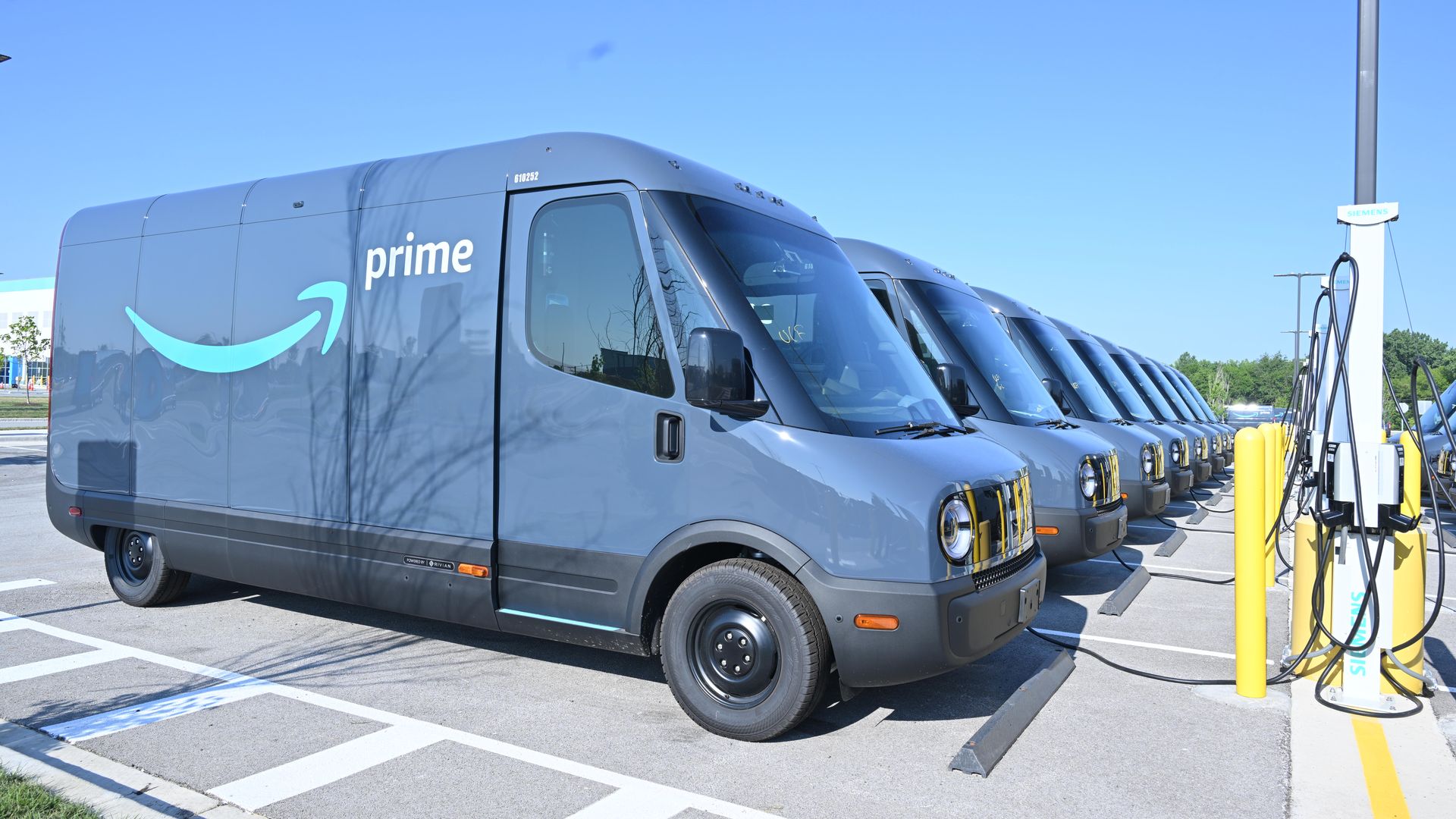
Amazon announced a significant expansion of its electric delivery van fleet from Rivian at an event in Seattle on Tuesday afternoon.
Details: The company says it now has 10,000 of its co-created vehicles — with a range of up to 150 miles — on roads in the U.S. covering 1,800 cities. The fleet, launched last summer, is now double the size that it was in July.
Failure to update and expand power grids will hamstring global efforts to cut emissions.
Driving the news: The International Energy Agency authored a broad analysis that provides fresh details on a big threat to energy transition.
They modeled a "grid delay case" of insufficient investment and policy, and found it would sap nations' ability to meet their climate pledges.
Why it matters: Better grid infrastructure is essential to bringing more renewables and other clean tech online, and accommodating electrification to displace fossil fuels.
The big picture: "To achieve countries' national energy and climate goals, the world's electricity use needs to grow 20% faster in the next decade than it did in the previous one," the report finds.
Yet global grid investments have been "static" around $300 billion annually, far short of what's needed for countries pledges, let alone "net zero" emissions.
Stunning stat: "Achieving all national climate and energy goals will require adding or refurbishing 80 million kilometres of power lines by 2040," a summary states.
What's next: It lays out a series of recommendations, some tailored to emerging markets, for improving planning and investment.
Why it matters: There is agreement in the climate and energy community that hydrogen could play a significant role in the energy transition, but some peer-reviewed studies have identified red flags around exactly how to scale up production, transport and use of this fuel.
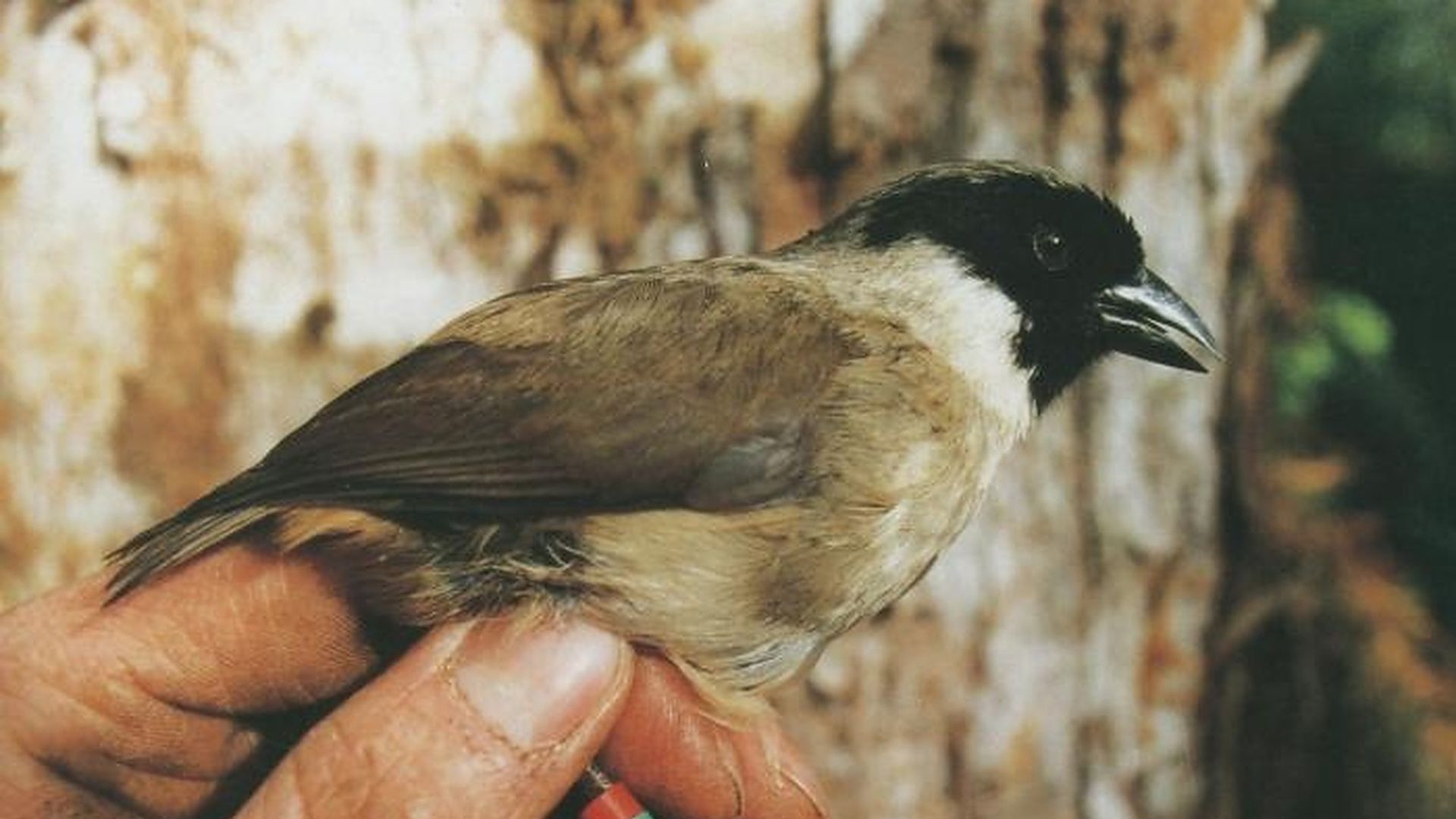
The U.S. Fish and Wildlife Service removed 21 species from its endangered list on Monday due to extinction.
The big picture: They were among a list of 23 native species proposed for delisting in 2021 due to extinction, including the ivory-billed woodpecker. But unverified possible images of the bird last officially seen in 1944 means wildlife officials are continuing to monitor for more details, per a FWS statement Monday.
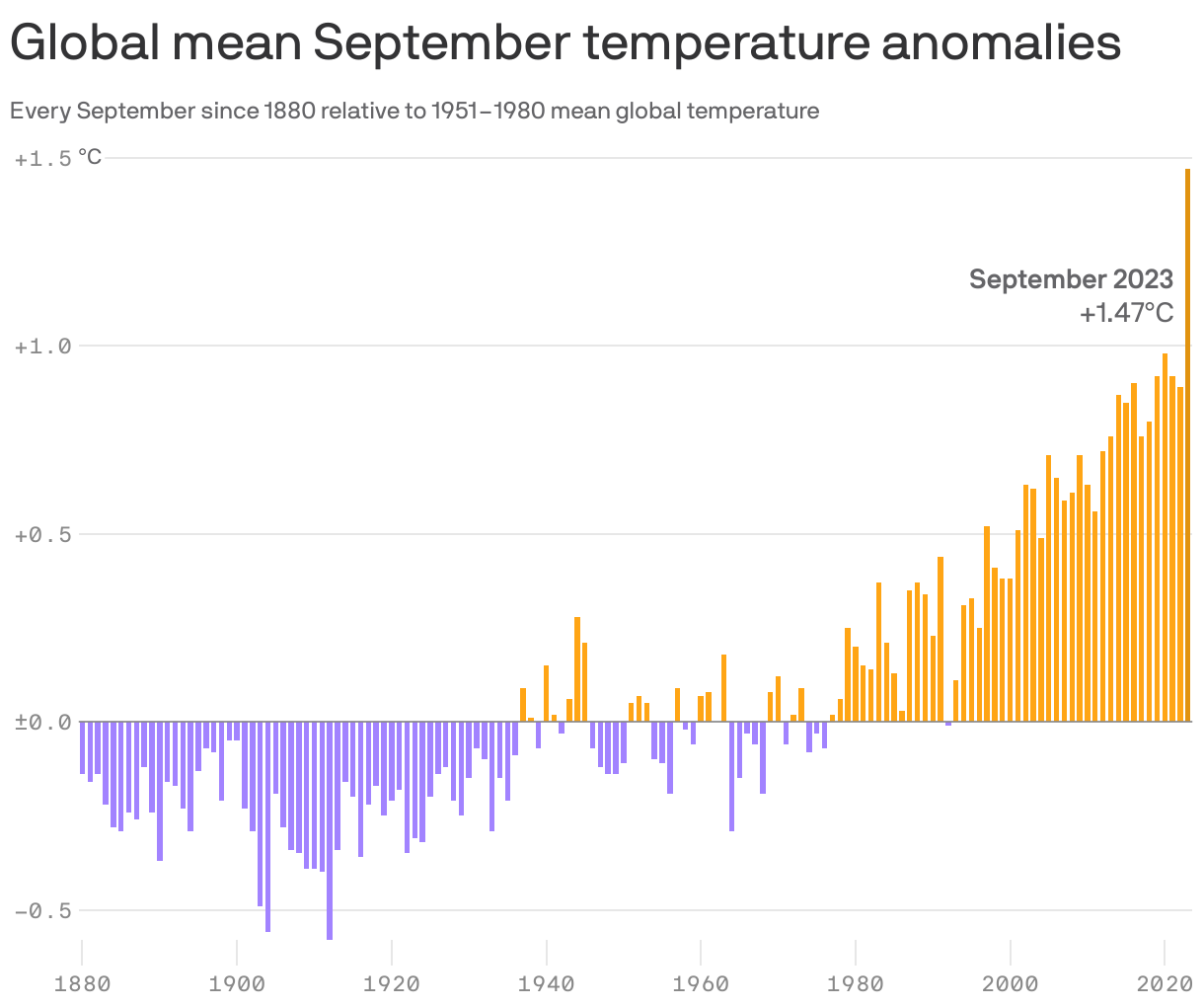
Why it matters: Confirmed by data fromNASA, NOAA and Copernicus Climate Change Service in the E.U., the annual record is a surprise, and has only become clear in the past few months.