A Donald Trump-less Republican debate exposed fissures between the candidates, who sparred with each other amid hopes the former president's massive lead isn't bulletproof.
Why it matters: Early on, the event created opportunities for the contenders to discuss the environment, energy policy, and President Joe Biden's climate policies.
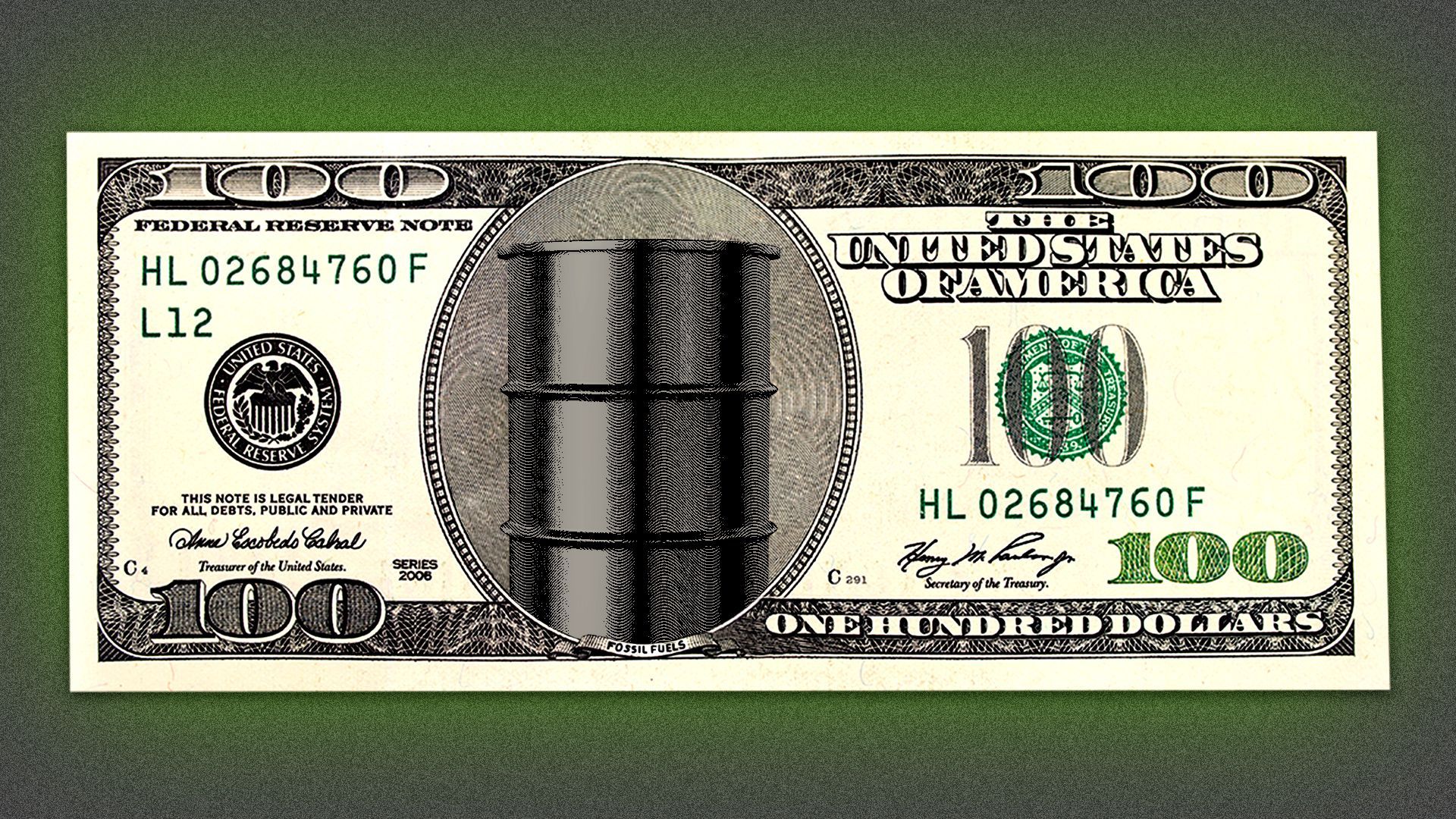
Well over a decade after high-profile international vows to rein in subsidies for producing and using fossil fuels, they remain deeply woven into government policies.
Driving the news: Two new reports reach similar conclusions, 14 years after a G20 pledge to eventually phase out inefficient subsidies — a commitment that's been re-upped at various global gatherings.
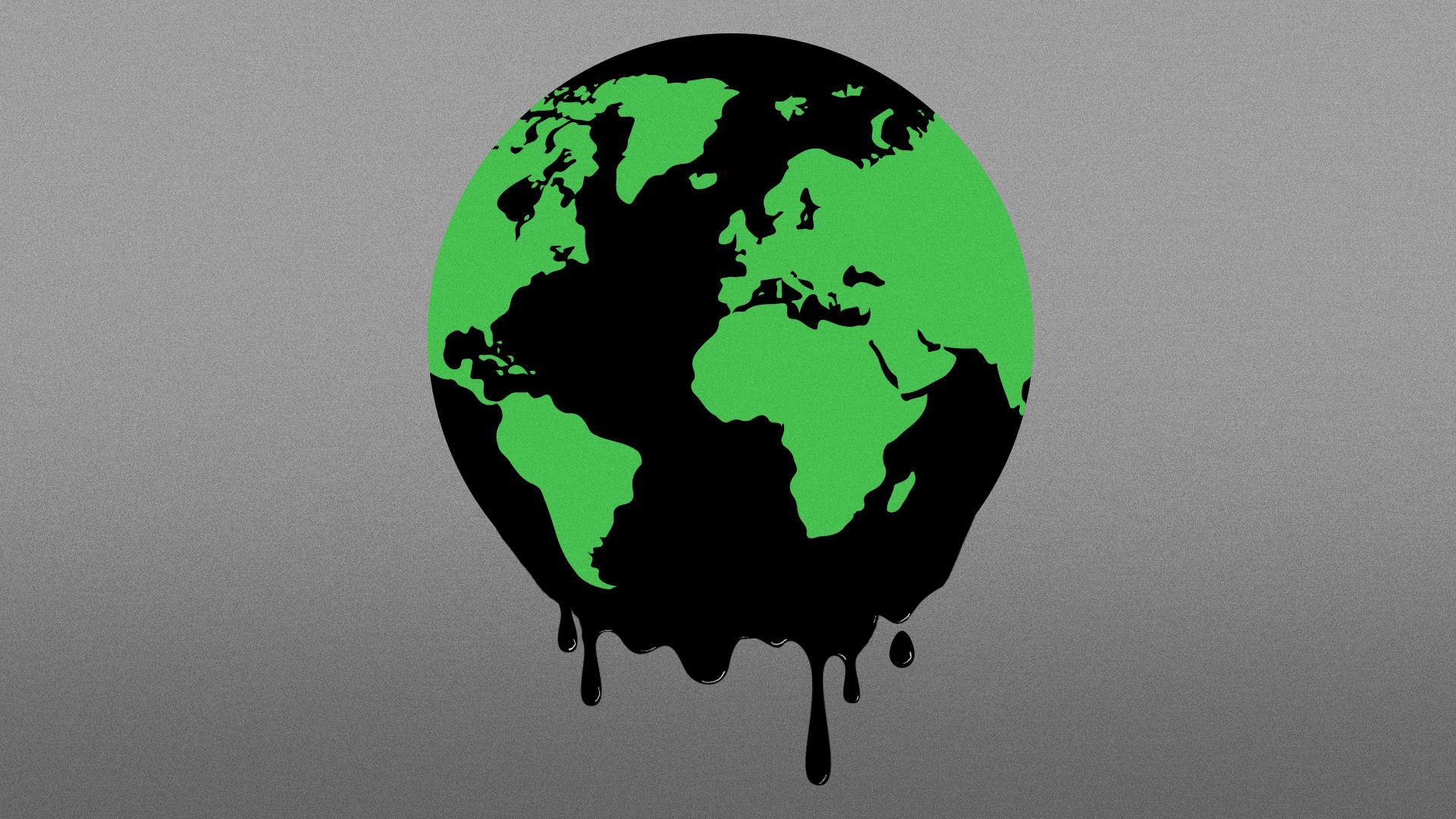
Why it matters: Extreme heat events are the clearest manifestation of climate change in weather that people and the ecosystem experience on a daily basis.
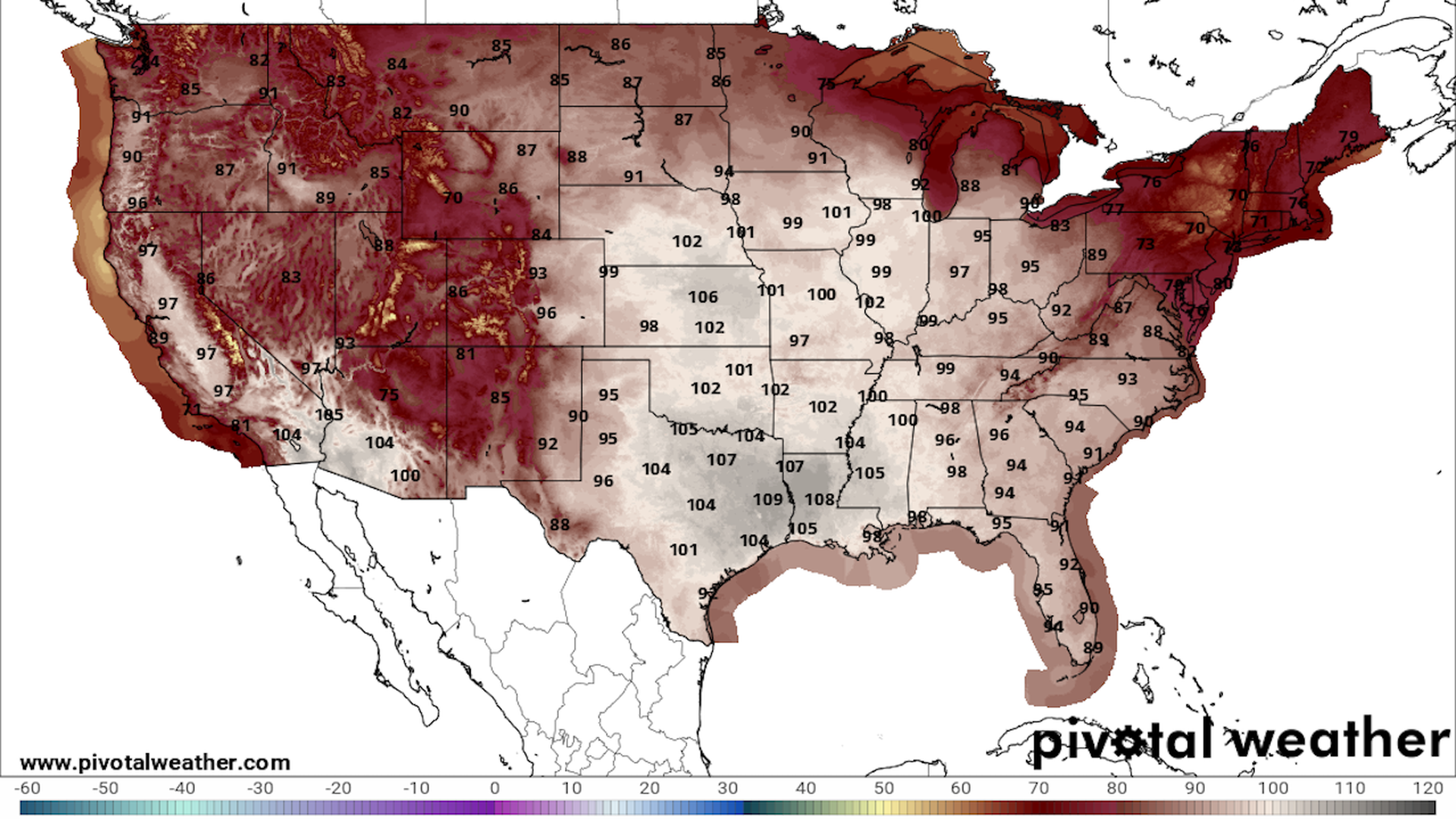
In a summer featuring countless heat domes and record-high temperatures and heat indices, the season appears to have saved the worst for last.
The big picture: A sweltering, stagnant air mass is draped across the Central U.S., resulting in "dangerous," "searing" and "brutal" heat. Meanwhile, southern Europe is also seeing another bout of extreme heat.
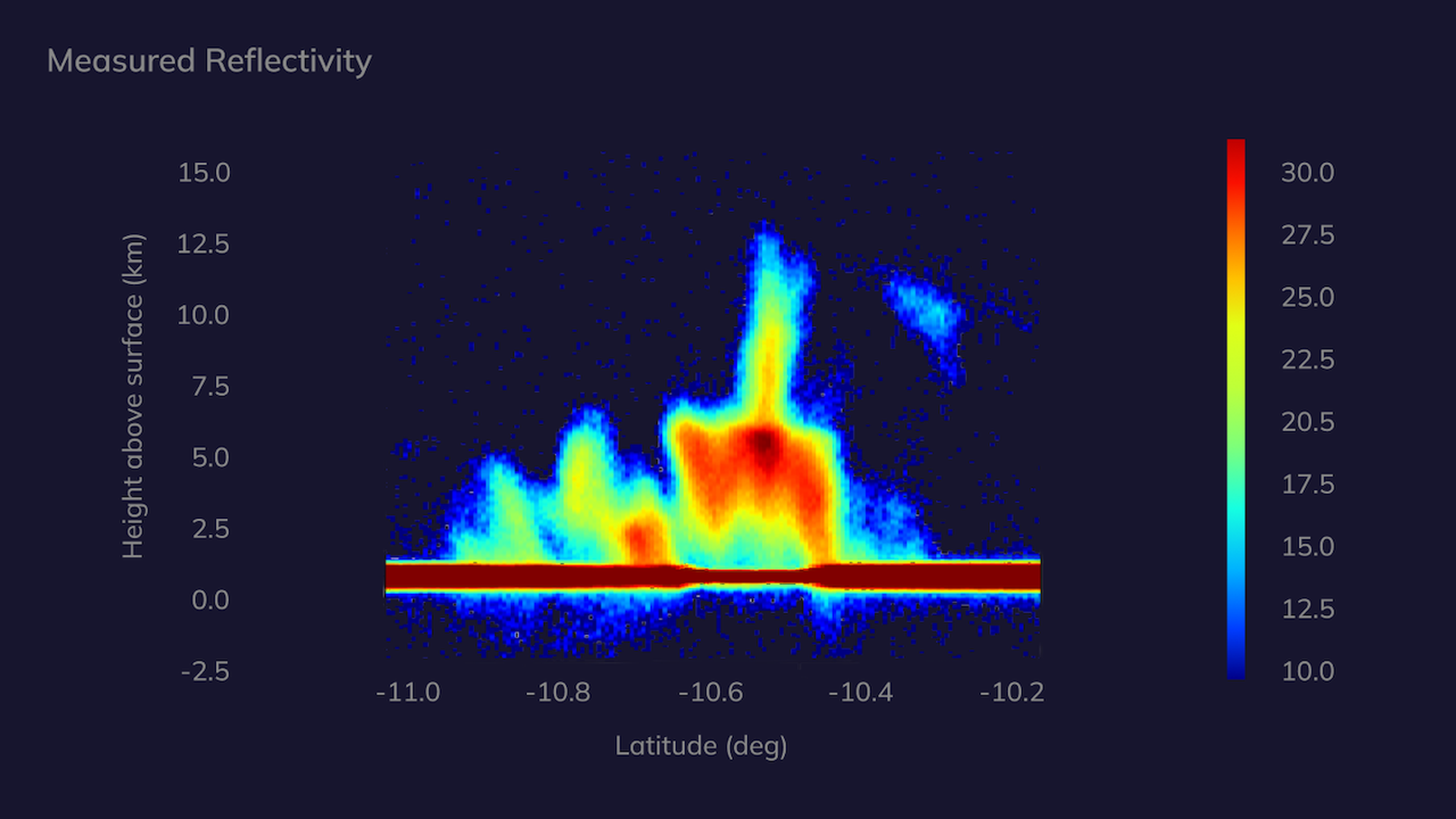
Why it matters: Climate intelligence company Tomorrow.io is aiming to drastically expand the data available over the world's data gaps, including the oceans and many developing countries.
Tomorrow.io plans to use the satellite constellation, which now numbers two but may total more than 30, to improve its weather forecast models, and help other countries improve their warning systems.
A few stats from prominent analyst Arjun Murti offer a sobering case for why a global peak in oil demand may be very far away.
The big picture: In a compelling analysis, henotes the 1 billion who live in the U.S., Canada, western Europe, Japan, Australia and New Zealand averaged 13 barrels per capita annually last year.
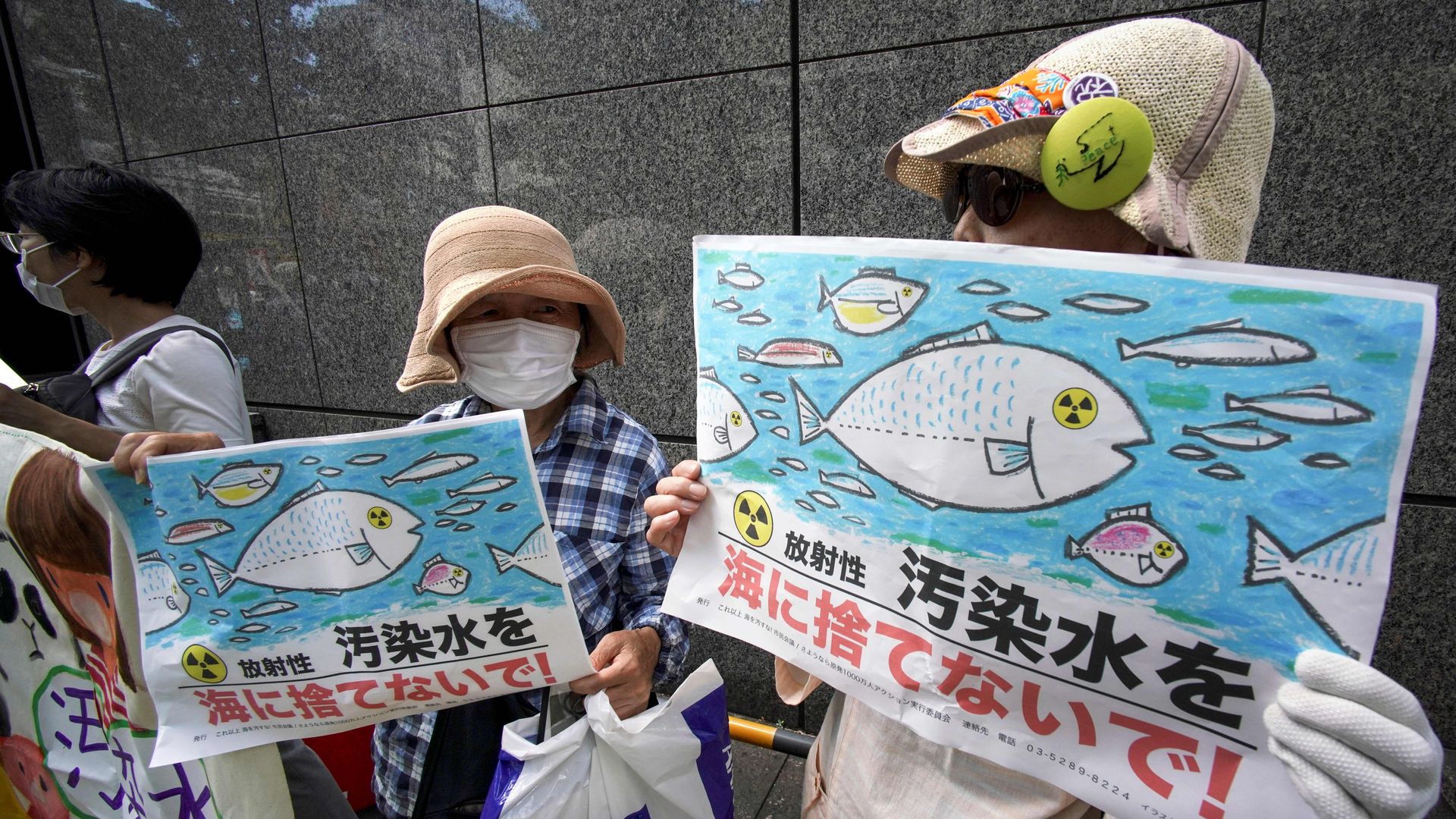
The operator of Japan's Fukushima nuclear plant announced Thursday it had begun releasing the first batch of treated radioactive water into the Pacific Ocean, 12 years after an earthquake-sparked tsunami caused its contamination.
Why it matters: The decision to release over one million metric tons of treated radioactive water that was deemed safe by the International Atomic Energy Agency drew opposition from Japanese fishing groups and prompted protests in South Korea and China. Beijing banned all Japanese seafood in response to Thursday's action.