Big oil and climate tech startups are sparring over who is best positioned to lead the low-carbon transition.
State of play: To hear CEOs like Exxon’s Darren Woods tell it, their companies are ideally equipped to implement large-scale, low carbon infrastructure, such as carbon capture and storage facilities (CCS) and hydrogen production and distribution.
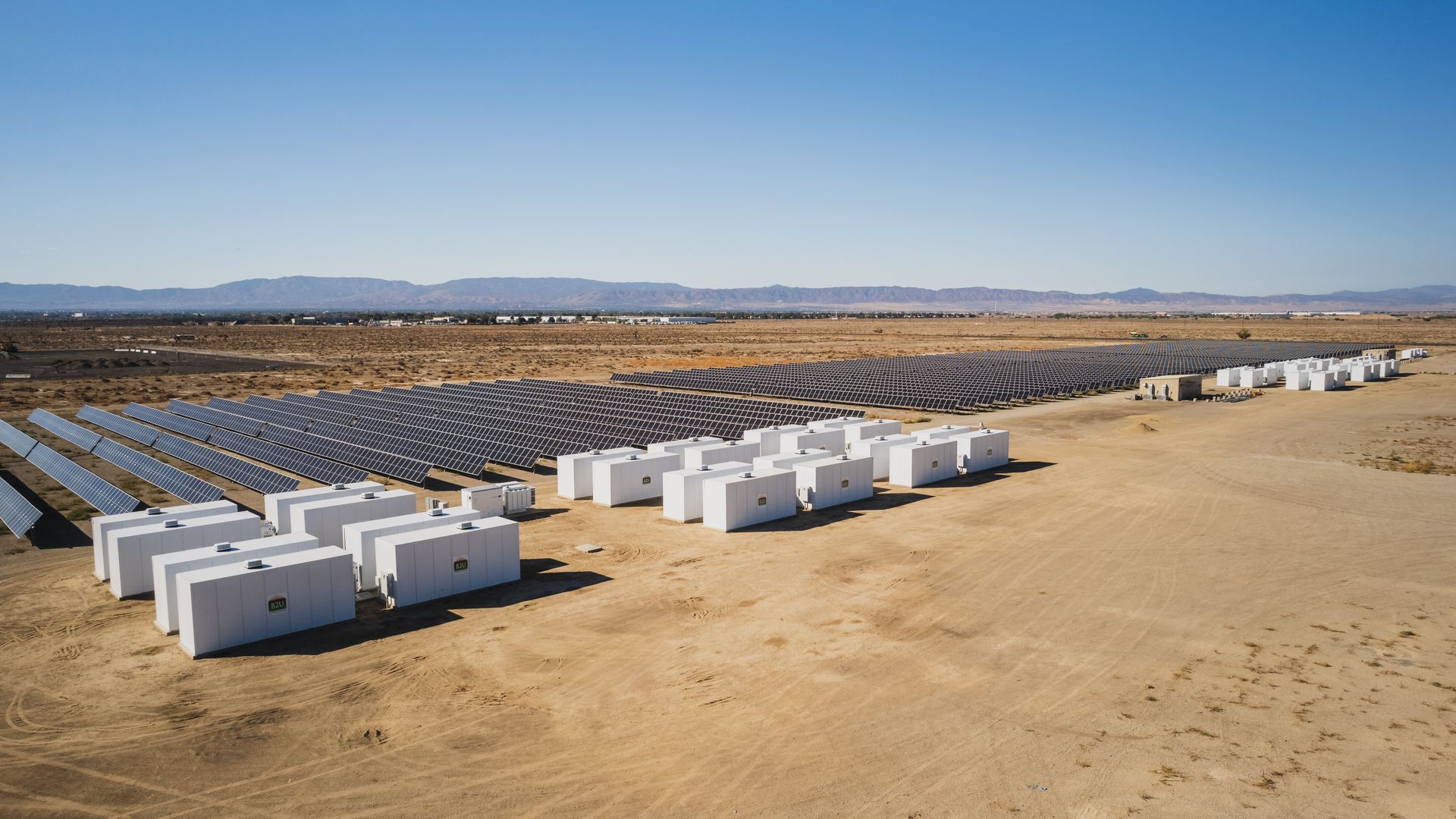
A California energy startup has turned more than a thousand electric vehicle (EV) batteries into solar power storage capsules, in an intriguing effort to prove out an alternative to traditional recycling.
Why it matters: Electric cars are cleaner than their gas-guzzling counterparts, but their batteries extract a significant ecological toll in the form of mining and manufacturing.
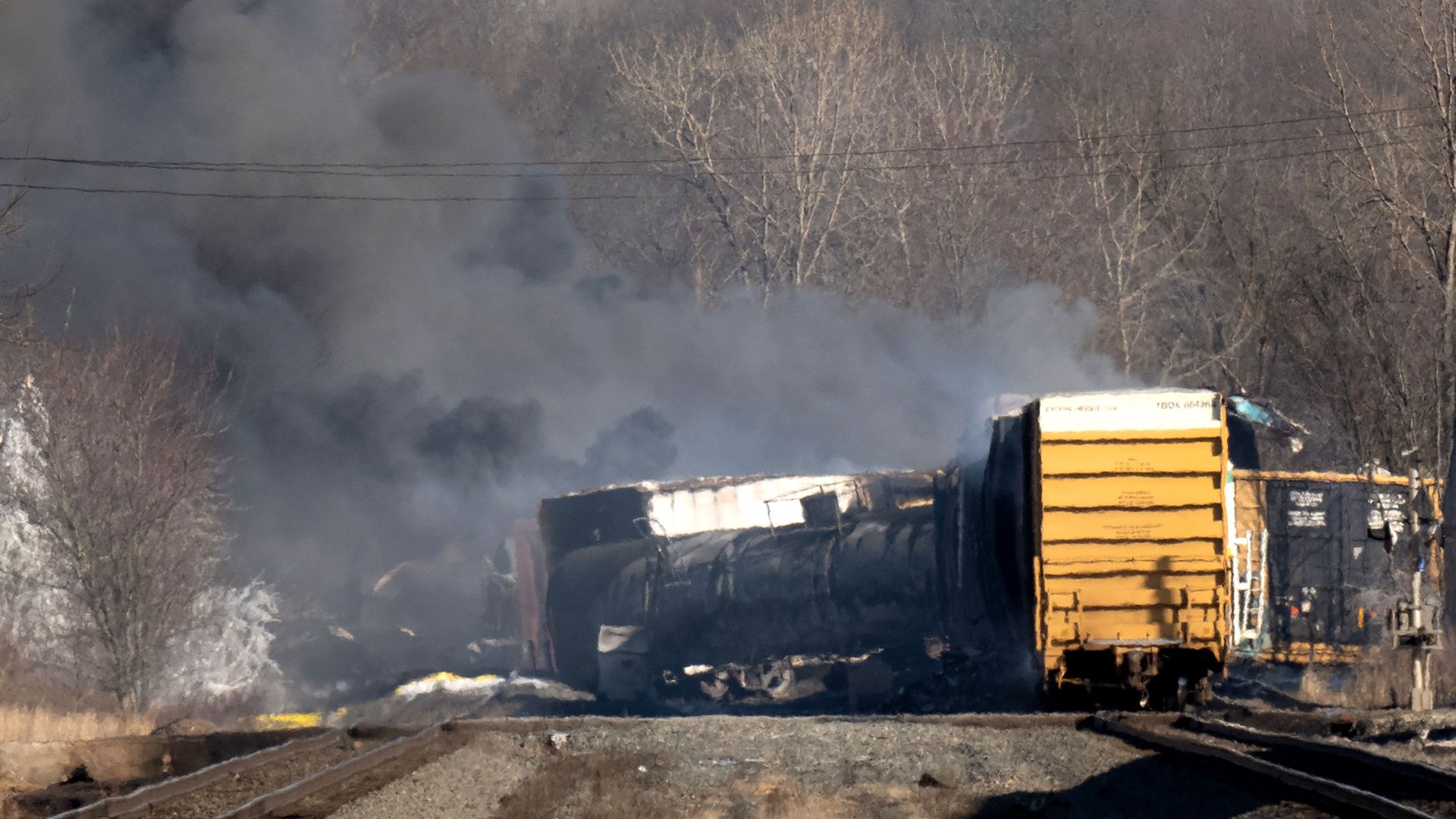
Ohio crews conducted the controlled release of toxic chemicals into the air on Monday from five train cars involved in a derailment in East Palestine.
The latest: "The controlled breach of several rail cars has been completed successfully under the supervision of experts and first responders," per a Monday night statement from Norfolk Southern Railroad, which was overseeing the release.
Customers and investors alike are sticking a fork in fake meat.
Why it matters: Eating plant-based meats is one of the easiest ways for Americans to reduce their overall carbon footprint. But after years of hype, the tide is turning against the first generation of plant-based protein makers.
Oil giants for years have said that they'll pave the path toward energy transition, investing in everything from renewable projects to climate tech startups.
Now, some of them are sounding more like speed bumps.
The U.S. electric car market and its reliance on China is heading for a collision with Congress.
Why it matters: Lawmakers are setting their sights on the auto industry’s global supply relationships as bipartisan support emerges to deal with the dirtier sides of "clean energy."