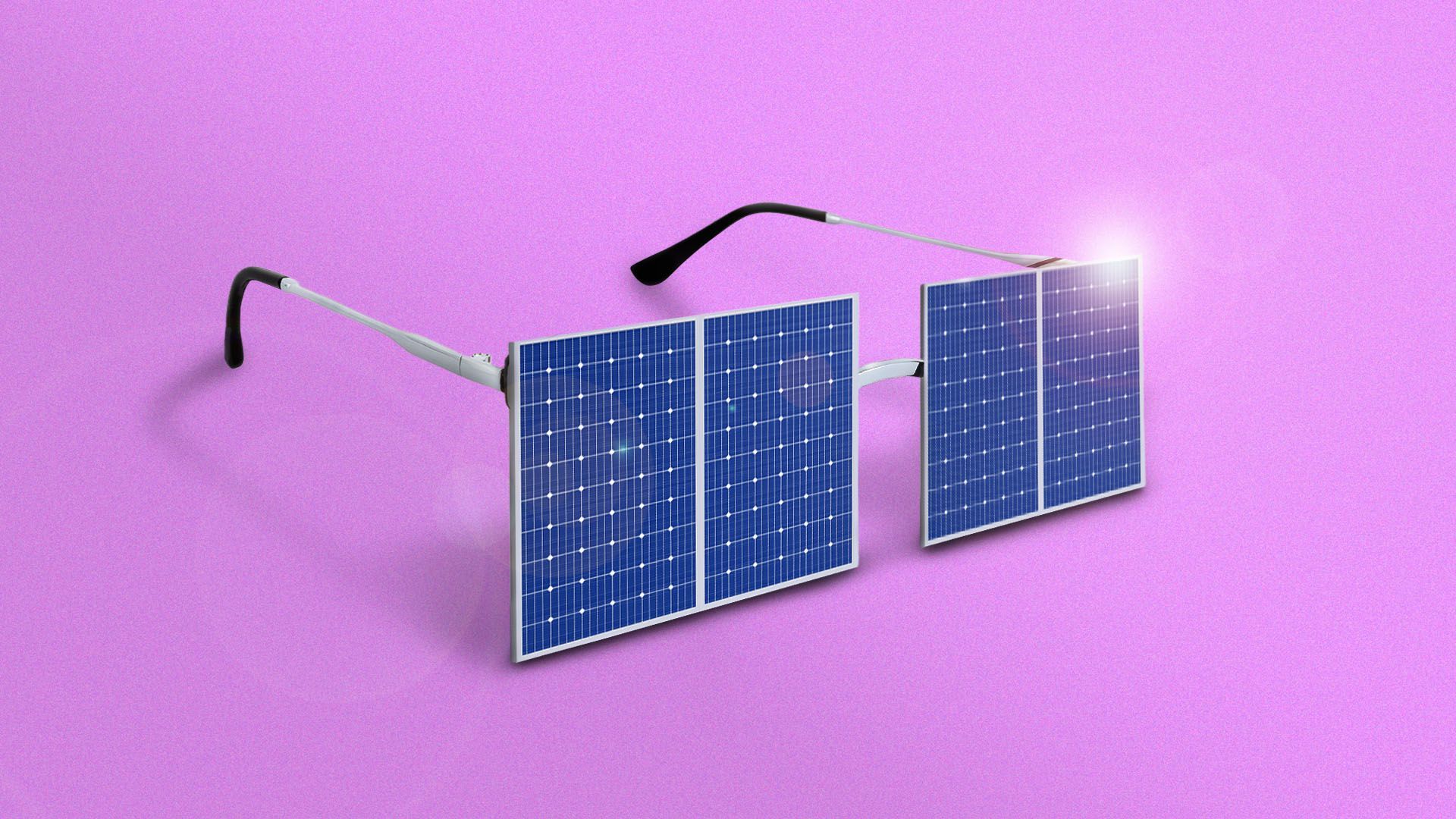
Nextracker, a Fremont, Calif.-based developer of solar tracker systems, raised $638 million in its IPO.
Why it matters: This is the largest U.S. IPO since Mobileye went public last October, and the largest solar energy IPO in more than two years. It also comes on the same week that three other companies are planning to raise at least $150 million in IPOs of their own, suggesting something of a market thaw.
Declining plant health could mean increased food prices for already constrained American consumers, experts tell Axios.
Driving the news: It might not be obvious why the health of plants is a contributing factor to food shortages in developed countries. But there's a direct connection — when they're diseased, there's less food to go around, and food prices rise accordingly.
There's been a steady drumbeat of announcements from mayors about their plans to blanket their cities with electric vehicle (EV) charging stations — and to keep equity considerations front and center when choosing sites.
The big picture: Obstacles are plentiful — from the price of urban real estate to outdated zoning rules — but momentum is high.
Understanding how charging works is important for anyone who drives an electric vehicle (EV), but the process breeds anxiety for many. We're here to help.
Why it matters: Plugs vary (depending on the car) and chargers have different power levels (which affects charging time).
The electric vehicle (EV) movement is growing nationwide, but people who live in apartments, low-income neighborhoods and rural areas without easy charging access could get left behind.
Why it matters: If the benefits of cleaner transportation — better air quality, less noise, lower energy costs — don't flow equitably to all Americans, EV adoption is likely to stall, limiting the country's ability to achieve its climate goals.