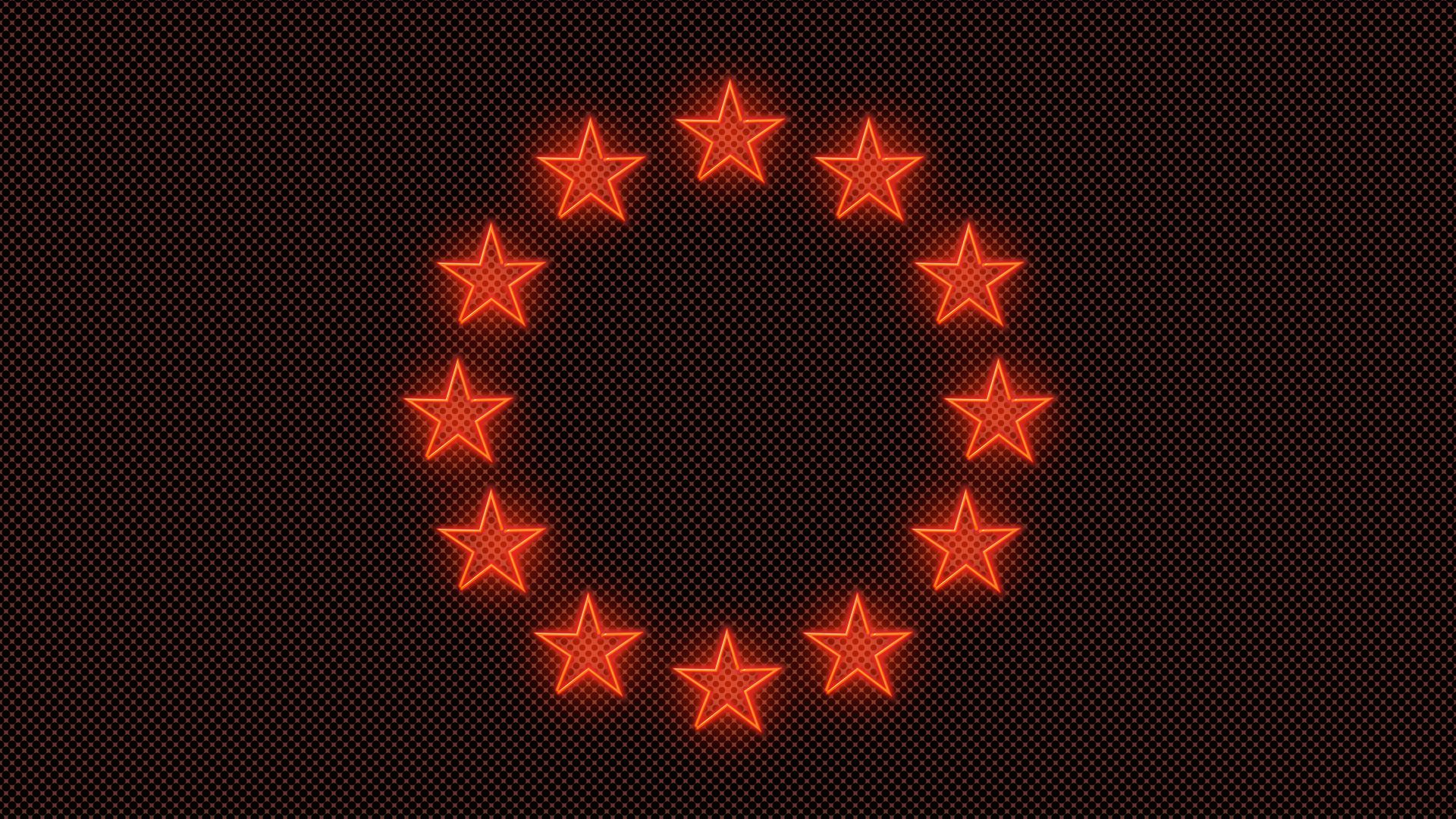
As European countries moved away from coal and nuclear over the past decade or so, they became increasingly reliant on natural gas imported via pipelines from Russia.
By the numbers: Russia provided around 40% of the EU's gas supply as of 2020 and more than 50% of Germany's.
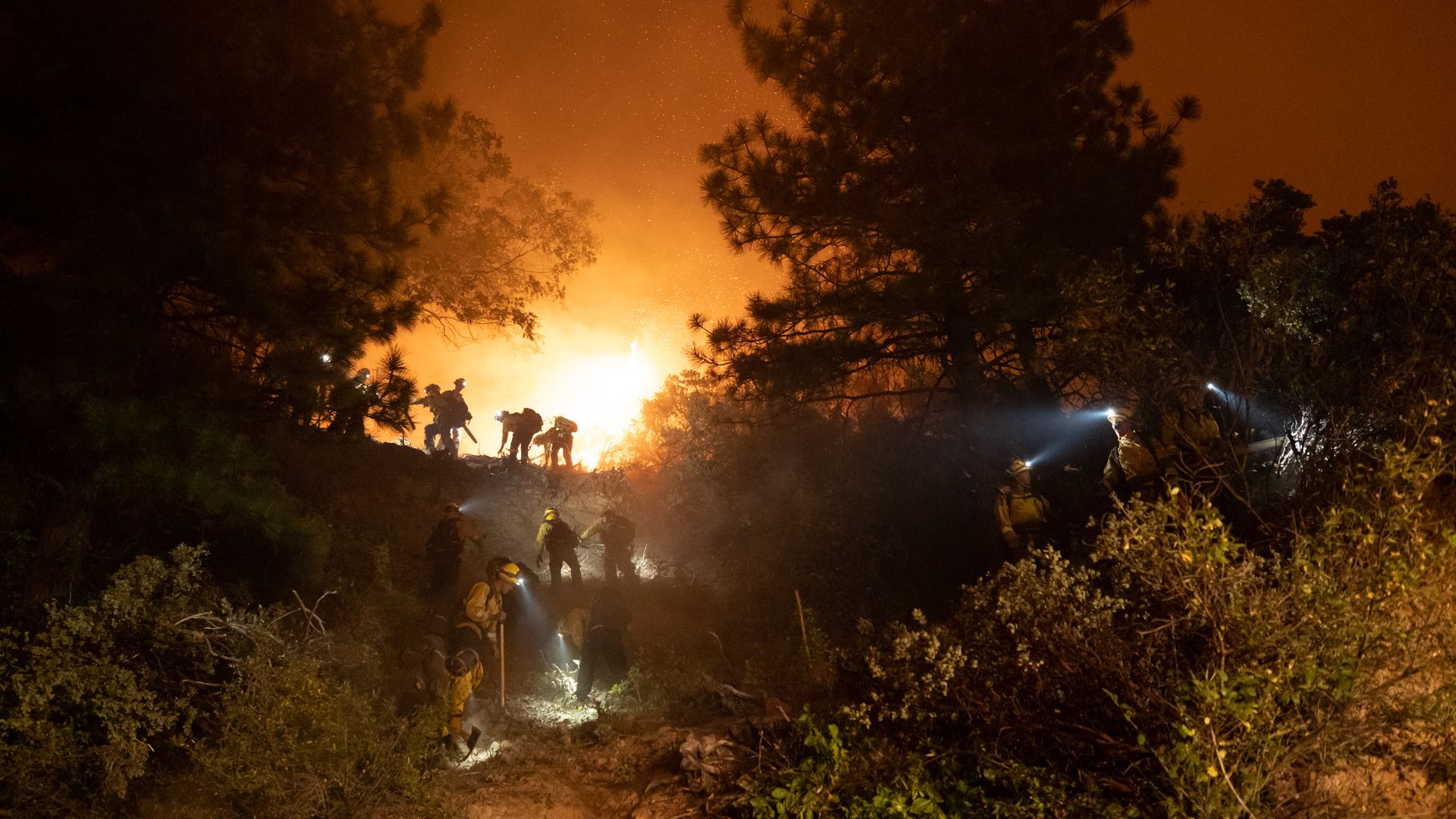
Blistering heat and dangerous fire weather are threatening much of the West and the Great Plains — particularly in California, Idaho, Montana and Oregon, where thousands of firefighters are battling several massive wildfires.
Threat level: The long duration of record-setting temperatures is affecting a broad region facing unprecedented drought. This, plus weather systems that are encouraging the air to rise to set off thunderstorms, is leading to perilous wildfire risk situations across multiple states.
Investment giant BlackRock is rebutting Republican politicians over its ESG investment policies, arguing that its critics are wrong on both the science and the cents.
Look ahead: Private equity and other investment fund managers should pay close attention, because they could be next in the line of fire.
Europe is entering the most treacherous terrain yet in its bid to move away from Russian energy — and the U.S. can only provide limited help, at least for now.
Why it matters: The West's response to Russia's invasion of Ukraine has seismically upended the global energy trade at a pace and scale unseen in decades.
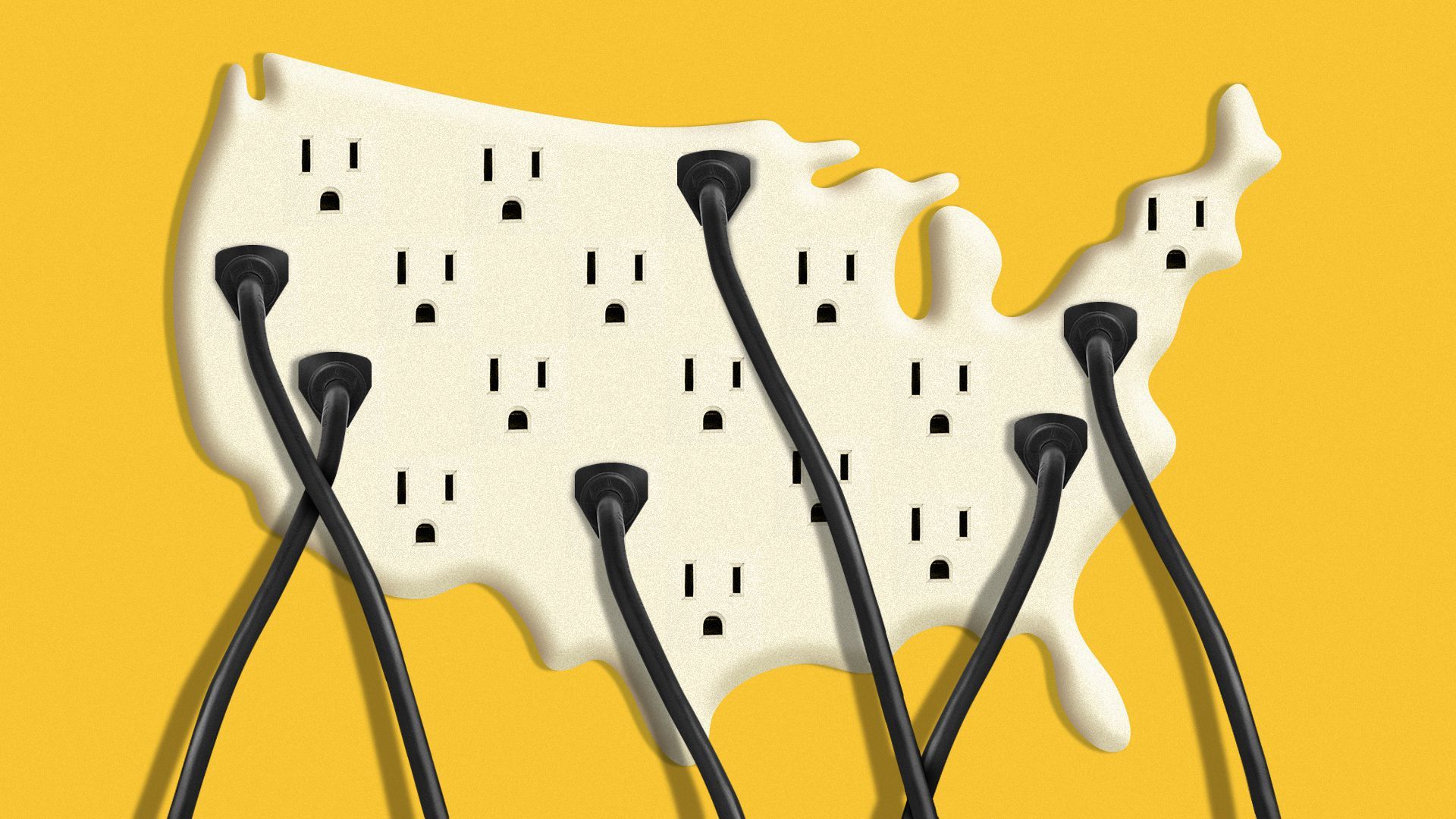
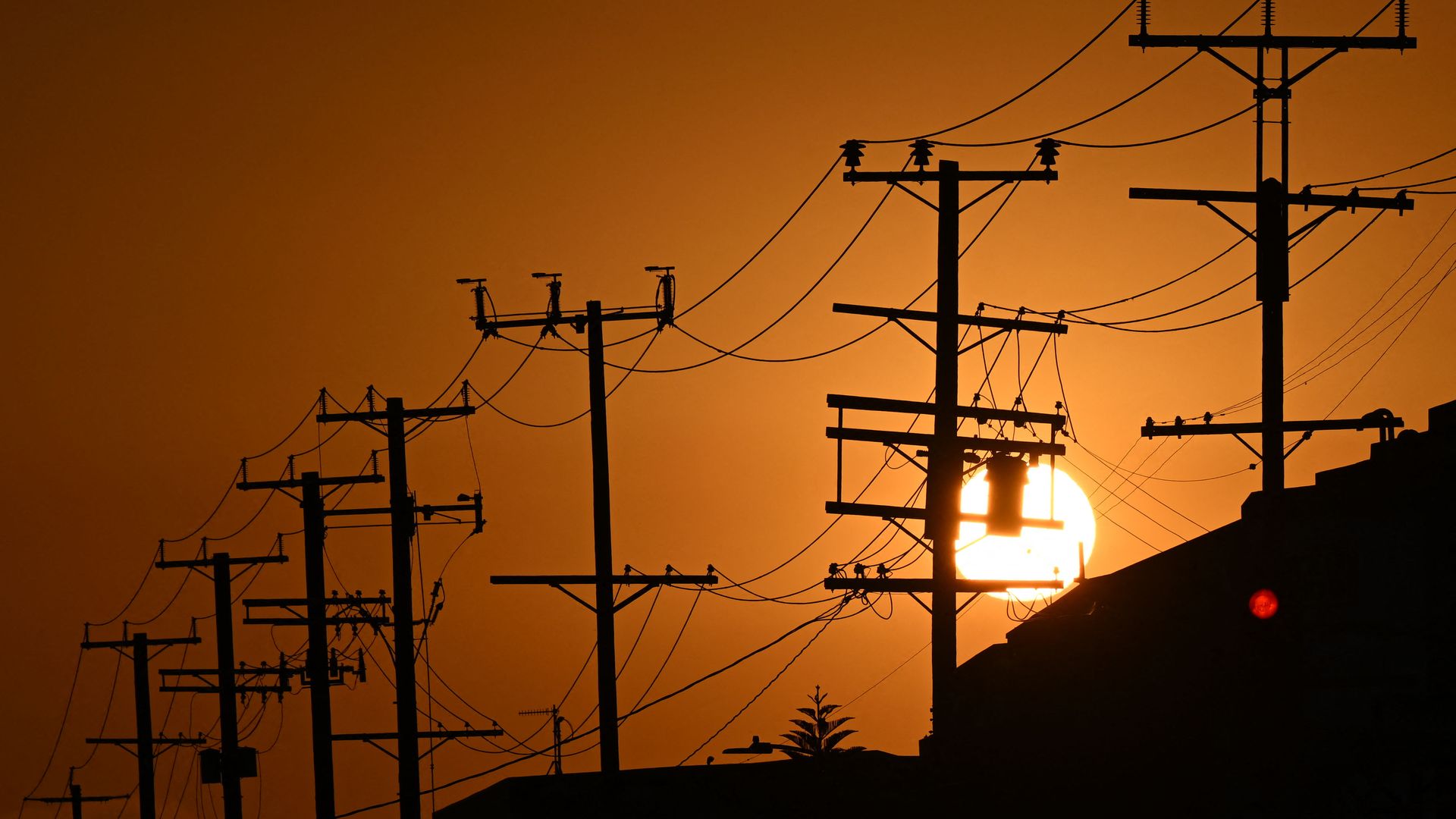
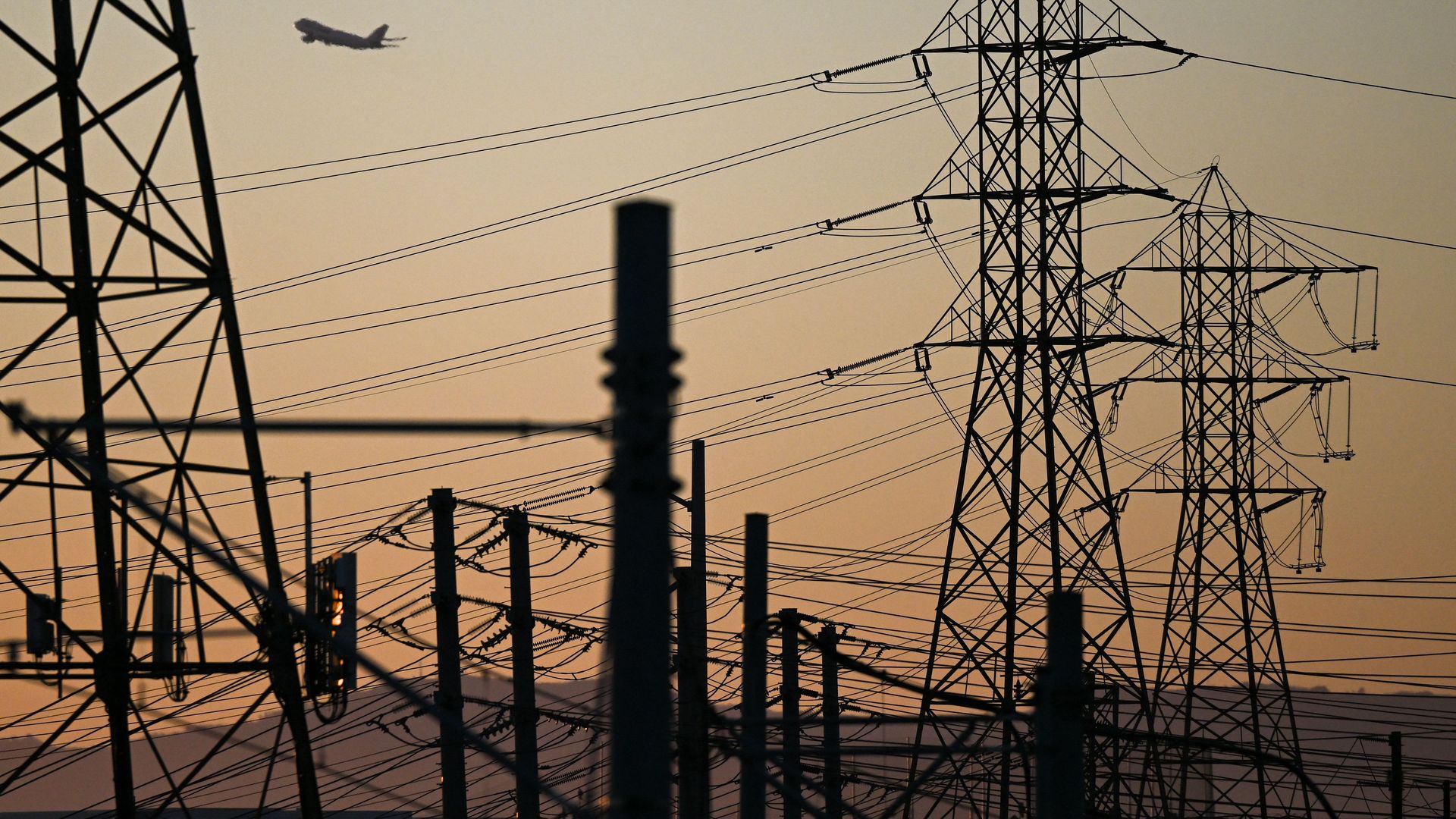
With California's electric system nearly maxed out during the state's worst-ever September heat wave, officials are asking residents to avoid using major appliances — or charging their electric vehicles — during peak demand to avoid rolling blackouts.
Reality check: EVs aren't what's straining the grid. California had roughly 680,000 registered EVs as of July 1, per S&P Global Mobility, accounting for less than 1% of the state's total electricity demand.
Why it matters: Heat waves are becoming more intense, more frequent and longer lasting due to human-caused climate change, and such events are stressing our energy infrastructure in new ways.
A historic heat wave is affecting the West, breaking all-time, monthly and daily records and putting the California electricity grid to test. The heat is relentless, potentially peaking Tuesday but sticking around straight through the upcoming weekend.
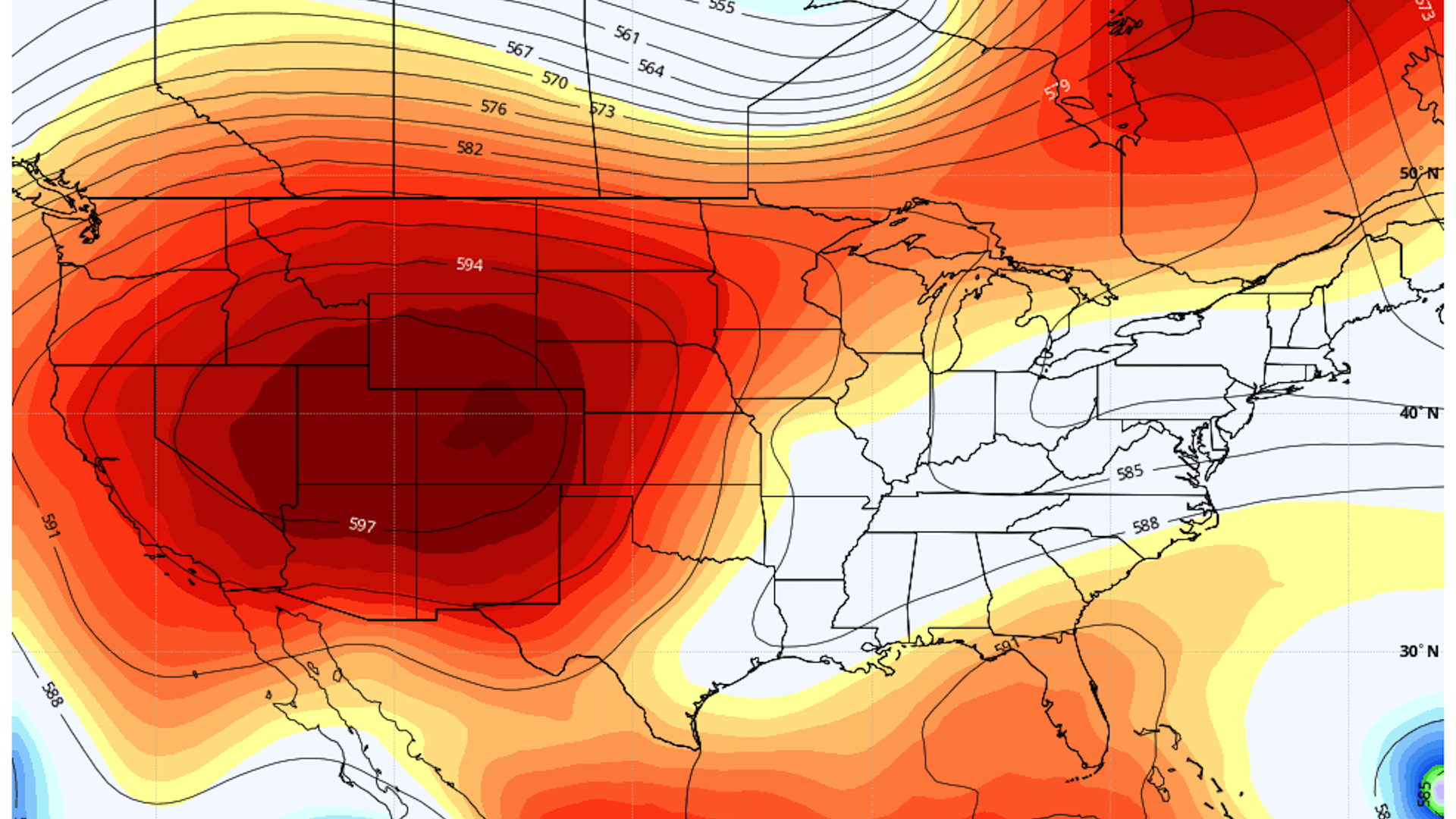
The big picture: The immediate cause of the heat wave is an unusually strong area of high pressure, or heat dome, that is parked over the western U.S., causing air to sink and dry out, stifling any widespread rainfall.
California ISO, the state's grid operator, declared a stage 3 energy alert Tuesday, urging residents to reduce energy use and warning that rotating power outages were "very possible" as record heat wave pummels the western U.S.
The latest: The alert ended at 8pm local time "with no load sheds for the night," the ISO tweeted. It added: "Consumer conservation played a big part in protecting electric grid reliability. Thank you, California!"

/2022/09/08/1662678631939.gif?w=3840)