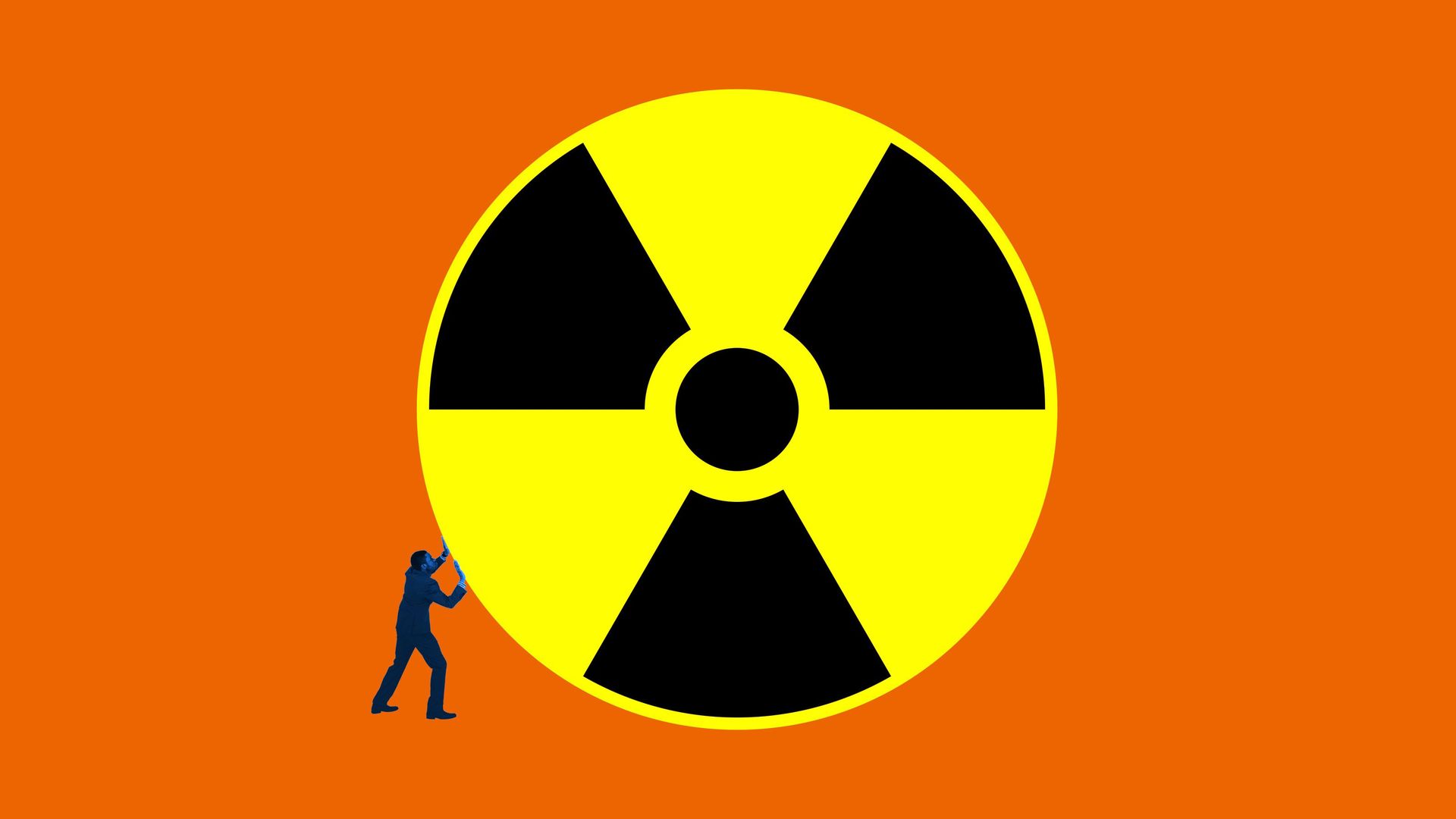
About two-thirds of the world's population could starve to death if the United States and Russia engaged in nuclear war, according to a study published Monday.
The big picture: Soot and ash from nuclear weapon detonation would block the sun and cause disruptions to the Earth’s climate, causing a "catastrophic disruption of global food markets," researchers predicted in a peer-reviewed study led by Rutgers University.
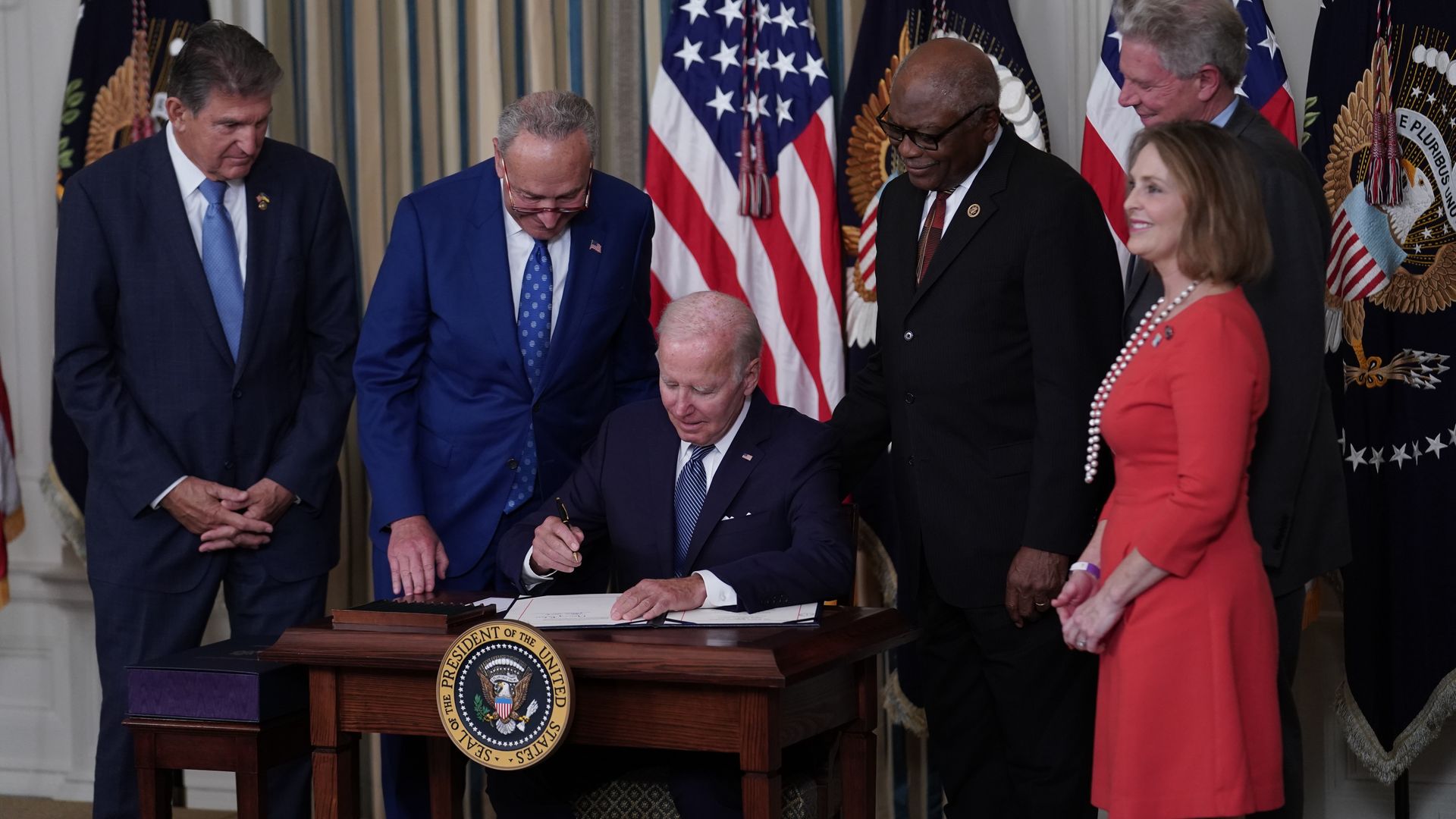
Why it matters: The package, known as the Inflation Reduction Act, includes provisions that increase taxes on large corporations, address climate change and lower prescription drug costs. Biden has emphasized that the bill will help lower the deficit and drive down inflation, though economic models suggest it will affect overall inflation only a little.
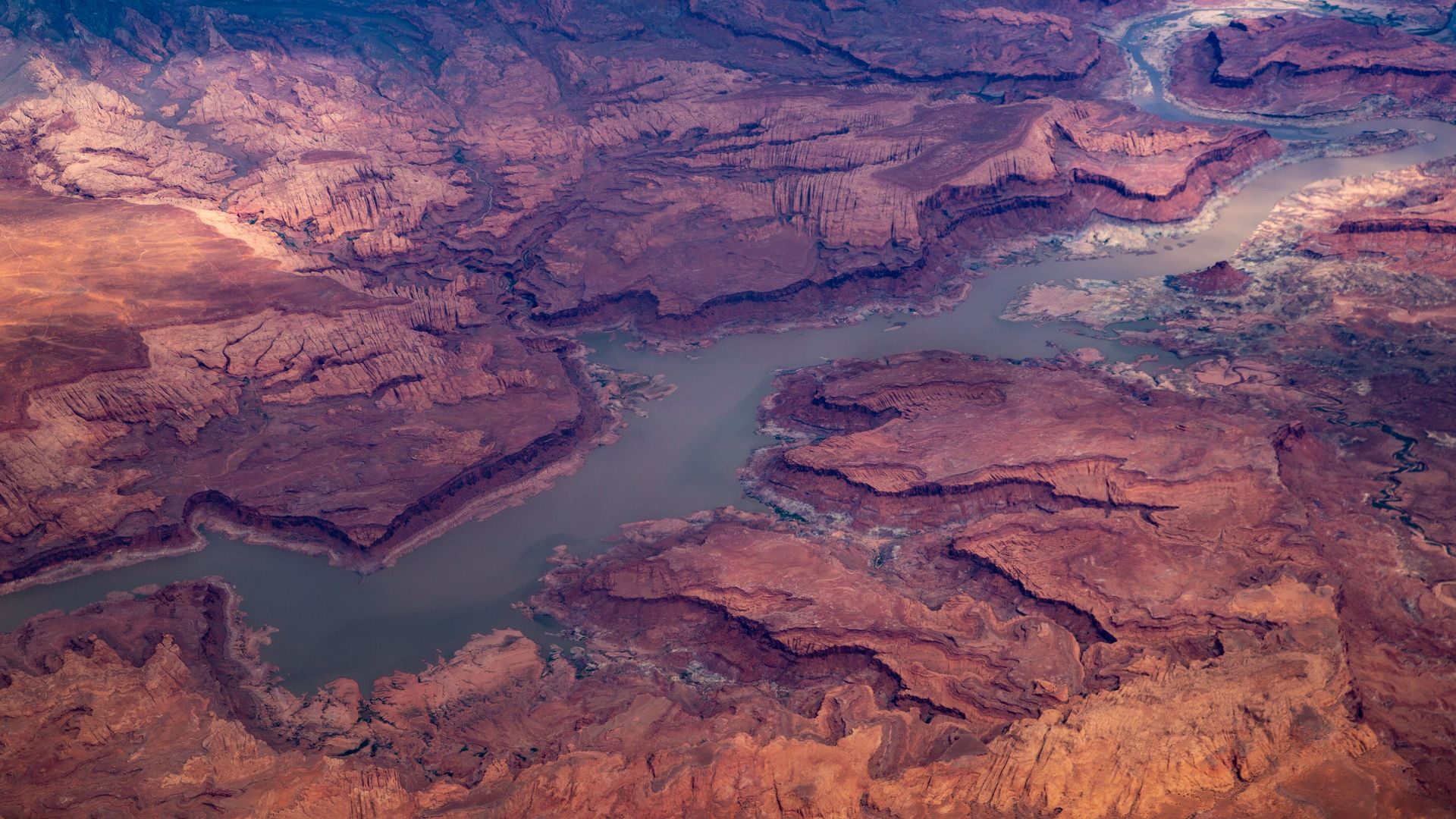
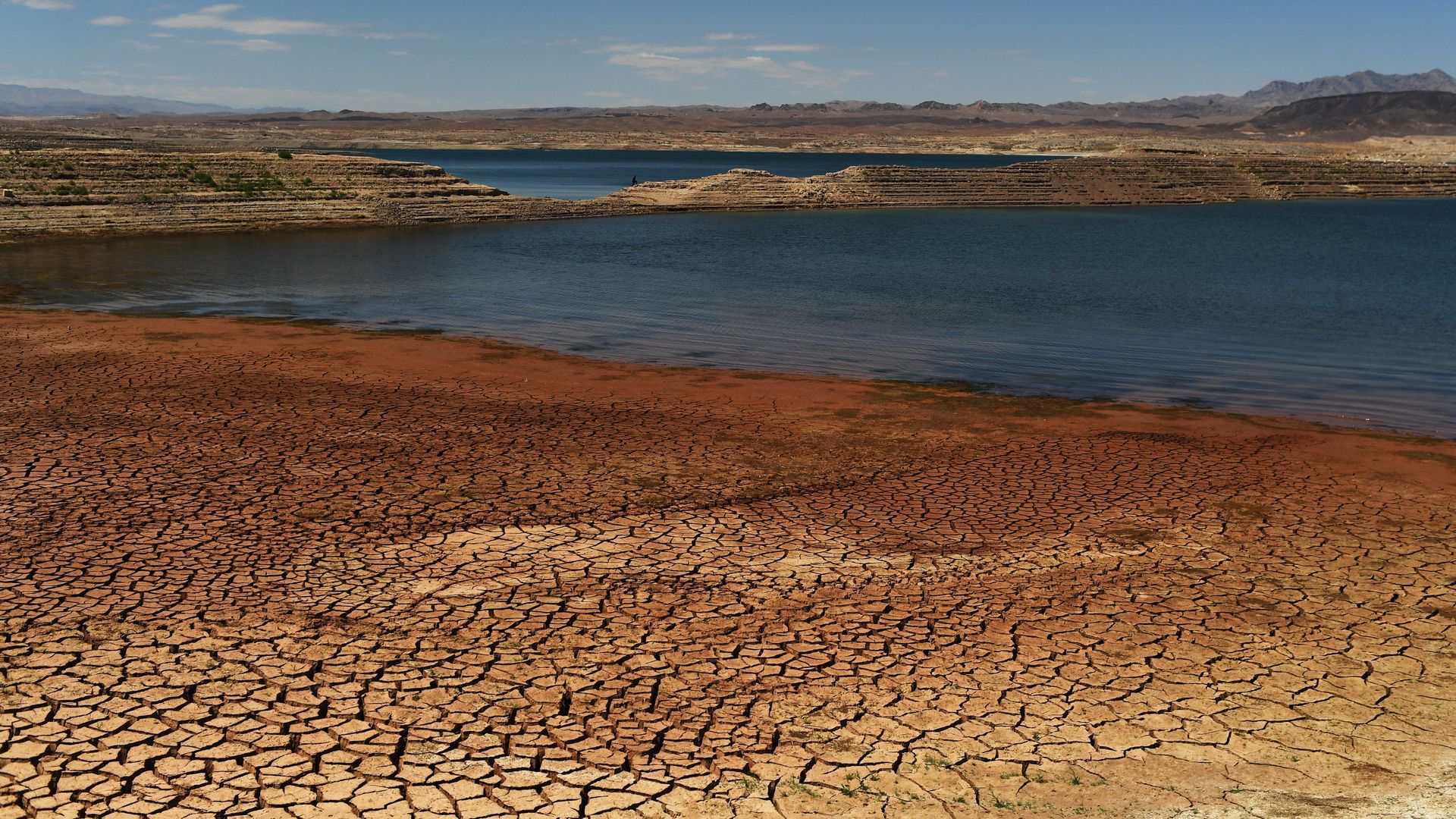
The federal government on Tuesday announced new water cuts for Arizona, Nevada and Mexico in response to a climate change-induced drought that is depleting the Colorado River and its reservoirs.
Why it matters: It's the first time in history that the government has triggered a Tier 2 water shortage for Lake Mead, one of the river's key reservoirs, as its levels dip dangerously low.
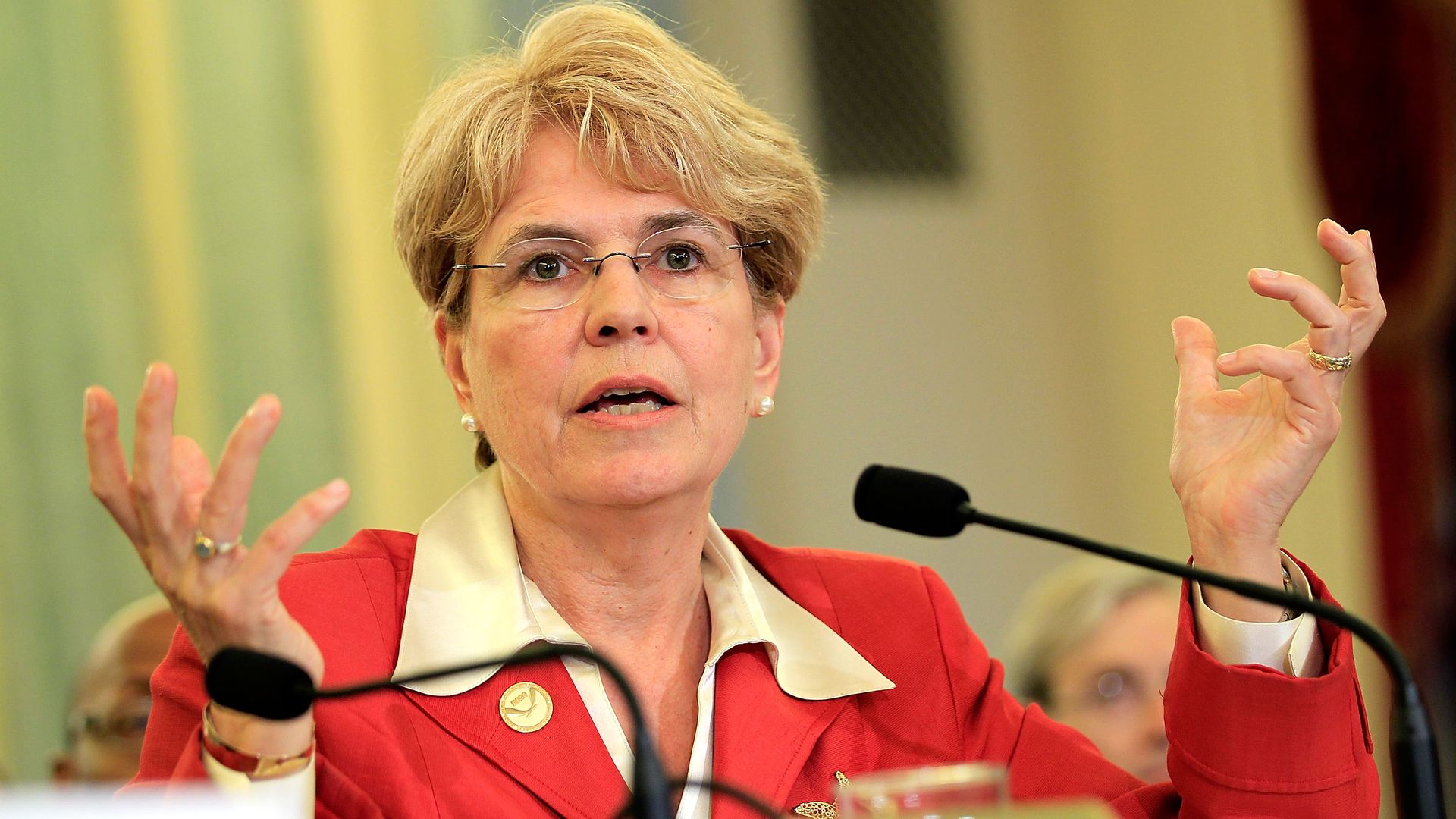
The National Academy of Sciences has barred Jane Lubchenco, a key White House climate aide, from involvement in NAS publications and activities for five years for violating its code of conduct before joining the administration, the organization said.
Why it matters: The move represents a significant rebuke to Lubchenco, who is deputy director for climate and environment at the White House Office of Science and Technology Policy.
Oil giants have made huge profits this year as prices and demand have soared.
Driving the news: Saudi Aramco, the world's largest oil company, yesterday reported a 90% increase in second quarter profits from last year, to $48.4 billion.
Fewer Americans think their actions influence climate change than they did three years ago, an AP-NORC poll out Monday found.
By the numbers: The poll also found that Americans are less concerned about how climate change may impact them personally than they were in 2019, with 35% of U.S. adults saying they "extremely" or "very" concerned about the impact of climate change, compared with 44% in 2019.
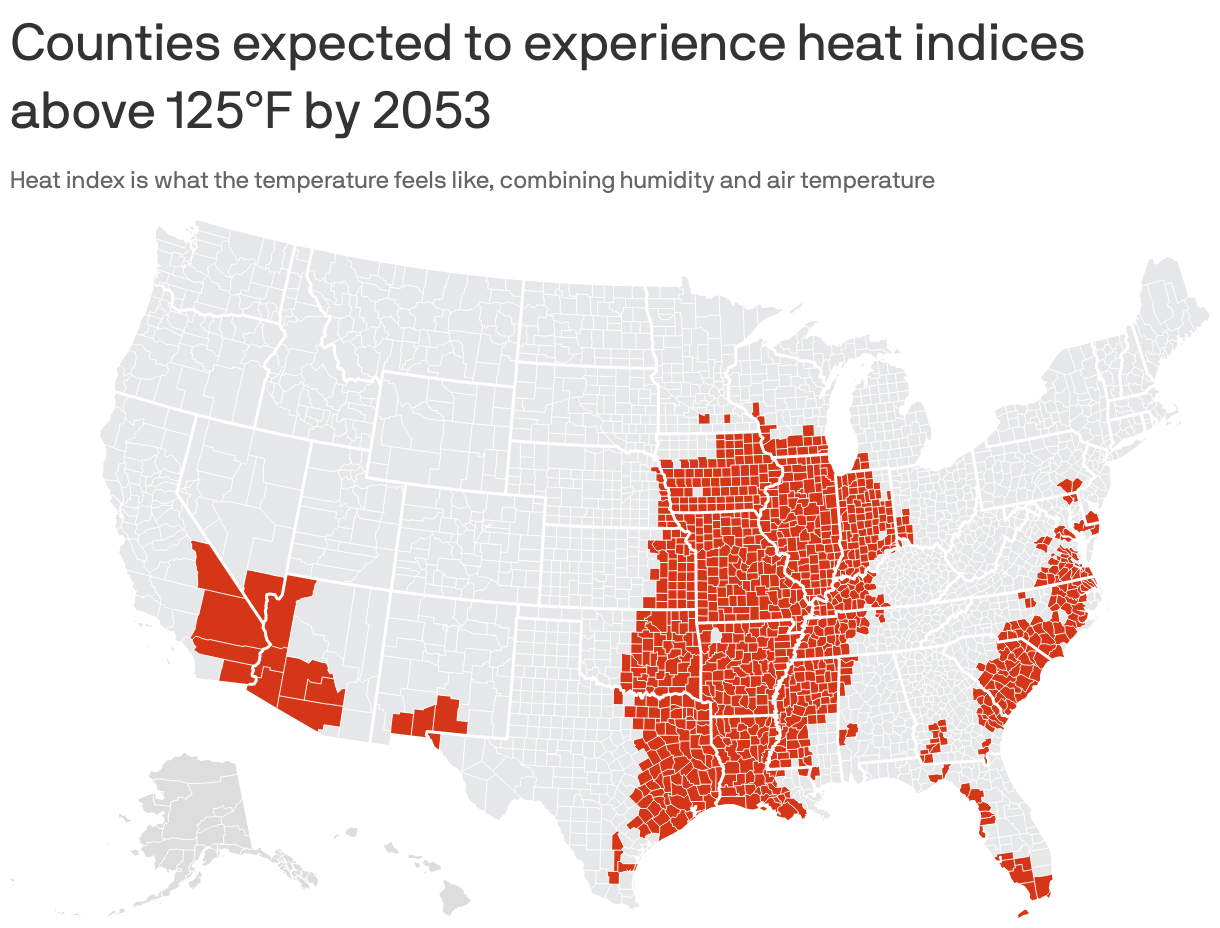
Note: Shaded counties are those that will, on average, have 0.5 days or more at or above a 125F° heat index in 2053; Data: First Street Foundation; Map: Axios Visuals
A new study reveals the emergence of an "extreme heat belt" from Texas to Illinois, where the heat index could reach 125°F at least one day a year by 2053.
The big picture: In just 30 years, climate change will cause the Lower 48 states to be a far hotter and more precarious place to be during the summer.
Officials warn a forecast downpour that has some 7 million people on flood watch won't be enough to stave off the need for drastic water cuts as the Colorado River's depleted reservoirs sink to near-crisis levels.
Driving the news: As the National Weather Service issued a flood watch for an area coveringfrom Arizona to Wyoming, the U.S. Bureau of Reclamation has given Western states that rely on the Colorado River Basin for water supplies until Tuesday to outline how they plan to make cuts.