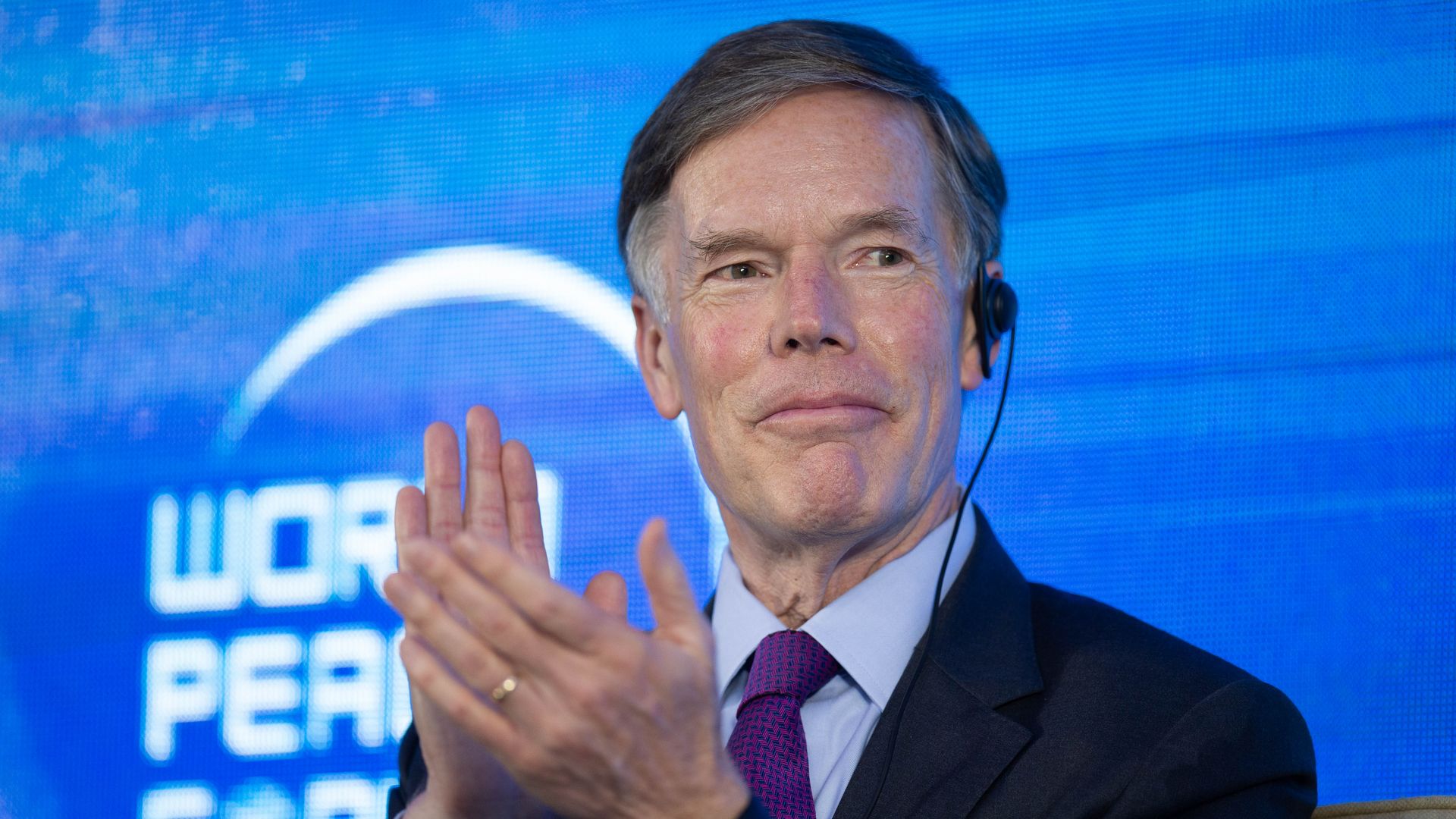
U.S. and Chinese officials traded barbs on Twitter this week as China questioned whether the U.S. could make good on its new landmark climate bill and the U.S. called on China to resume the countries' bilateral climate talks.
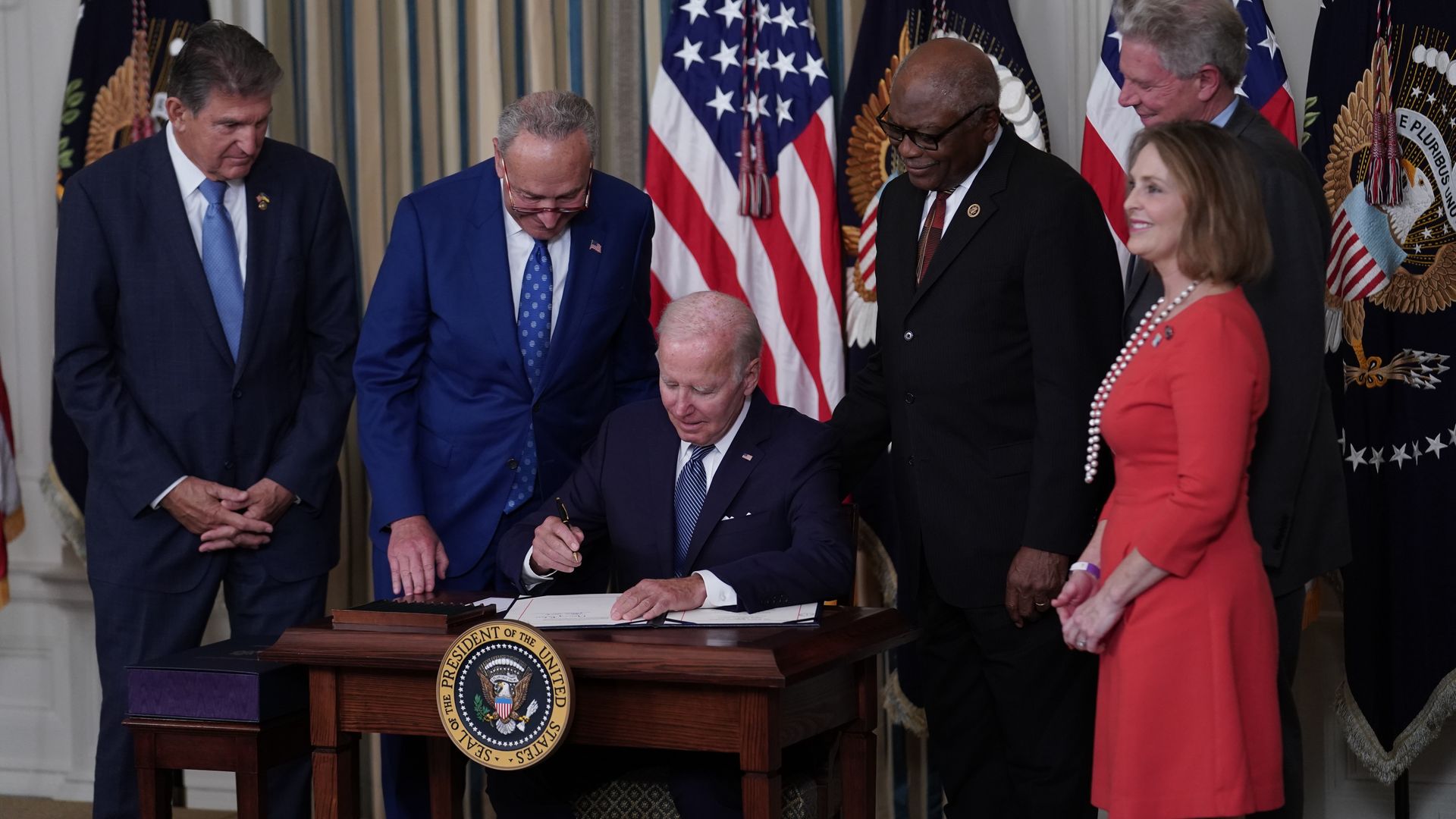
Driving the news: Signed by President Biden on Tuesday, the bill includes huge investments in clean energy technologies and is set to dramatically reduce carbon dioxide and methane emissions.
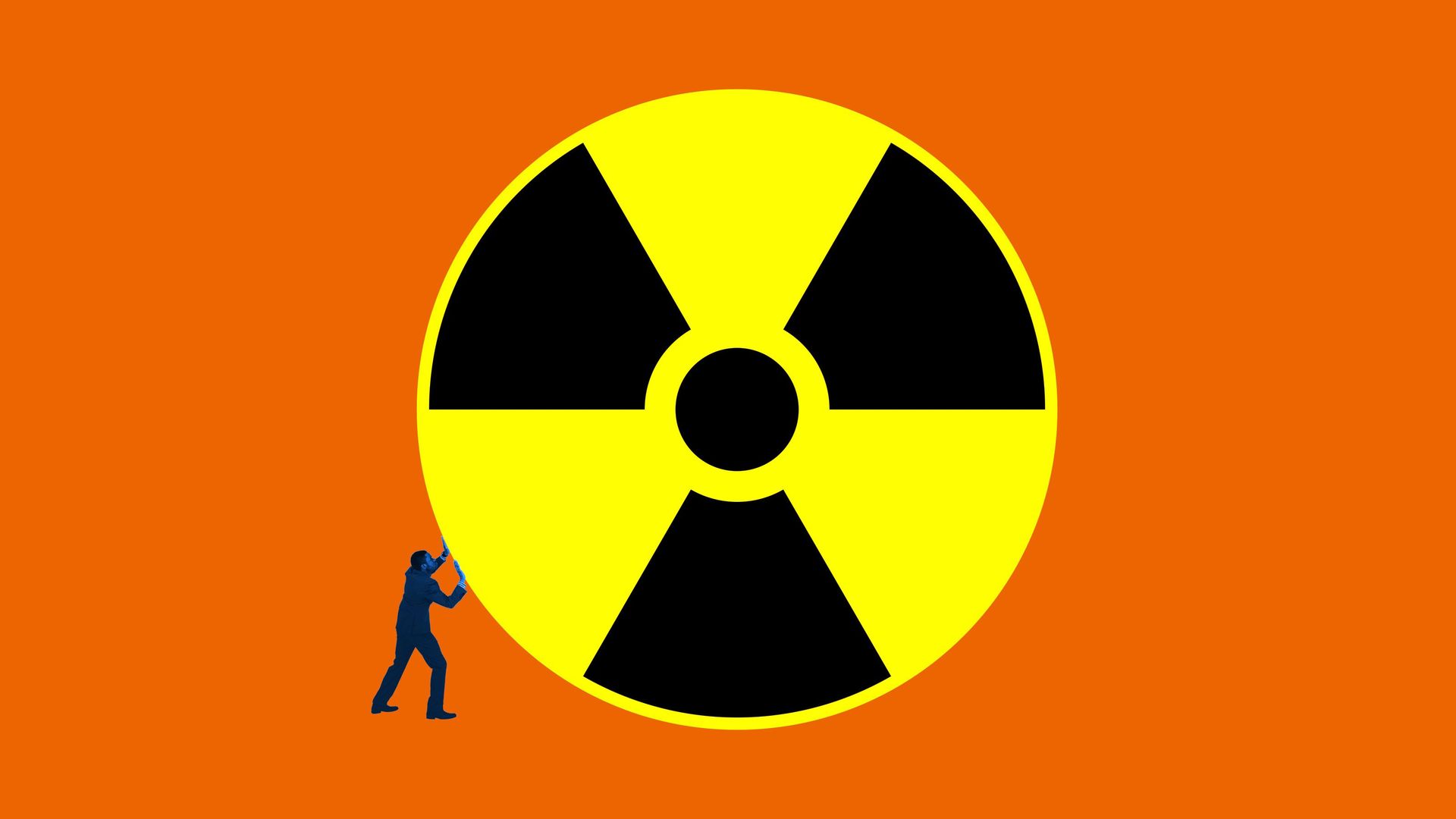
About two-thirds of the world's population could starve to death if the United States and Russia engaged in nuclear war, according to a study published Monday.
The big picture: Soot and ash from nuclear weapon detonation would block the sun and cause disruptions to the Earth’s climate, causing a "catastrophic disruption of global food markets," researchers predicted in a peer-reviewed study led by Rutgers University.
Why it matters: The package, known as the Inflation Reduction Act, includes provisions that increase taxes on large corporations, address climate change and lower prescription drug costs. Biden has emphasized that the bill will help lower the deficit and drive down inflation, though economic models suggest it will affect overall inflation only a little.
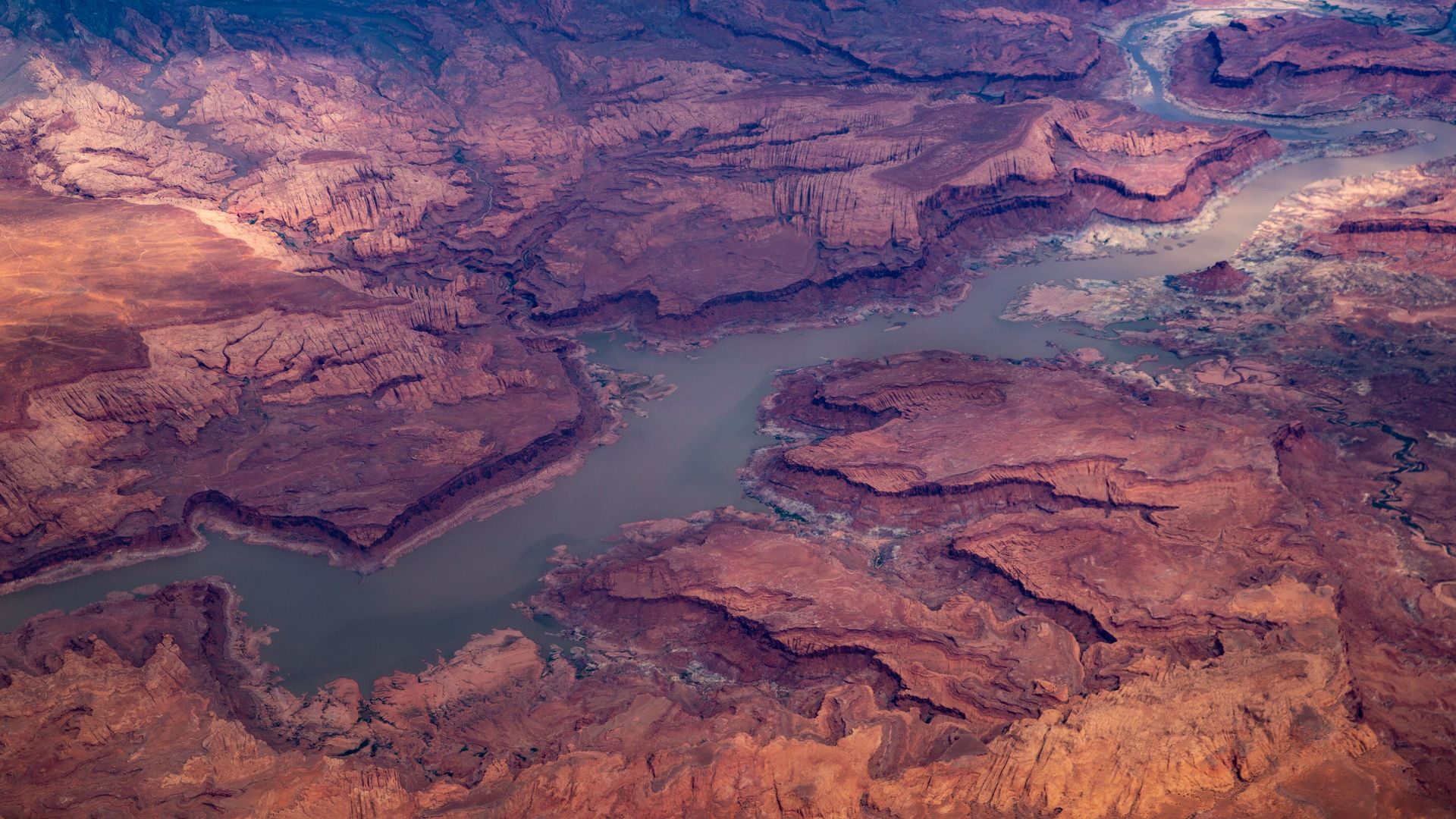
The federal government on Tuesday announced new water cuts for Arizona, Nevada and Mexico in response to a climate change-induced drought that is depleting the Colorado River and its reservoirs.
Why it matters: It's the first time in history that the government has triggered a Tier 2 water shortage for Lake Mead, one of the river's key reservoirs, as its levels dip dangerously low.
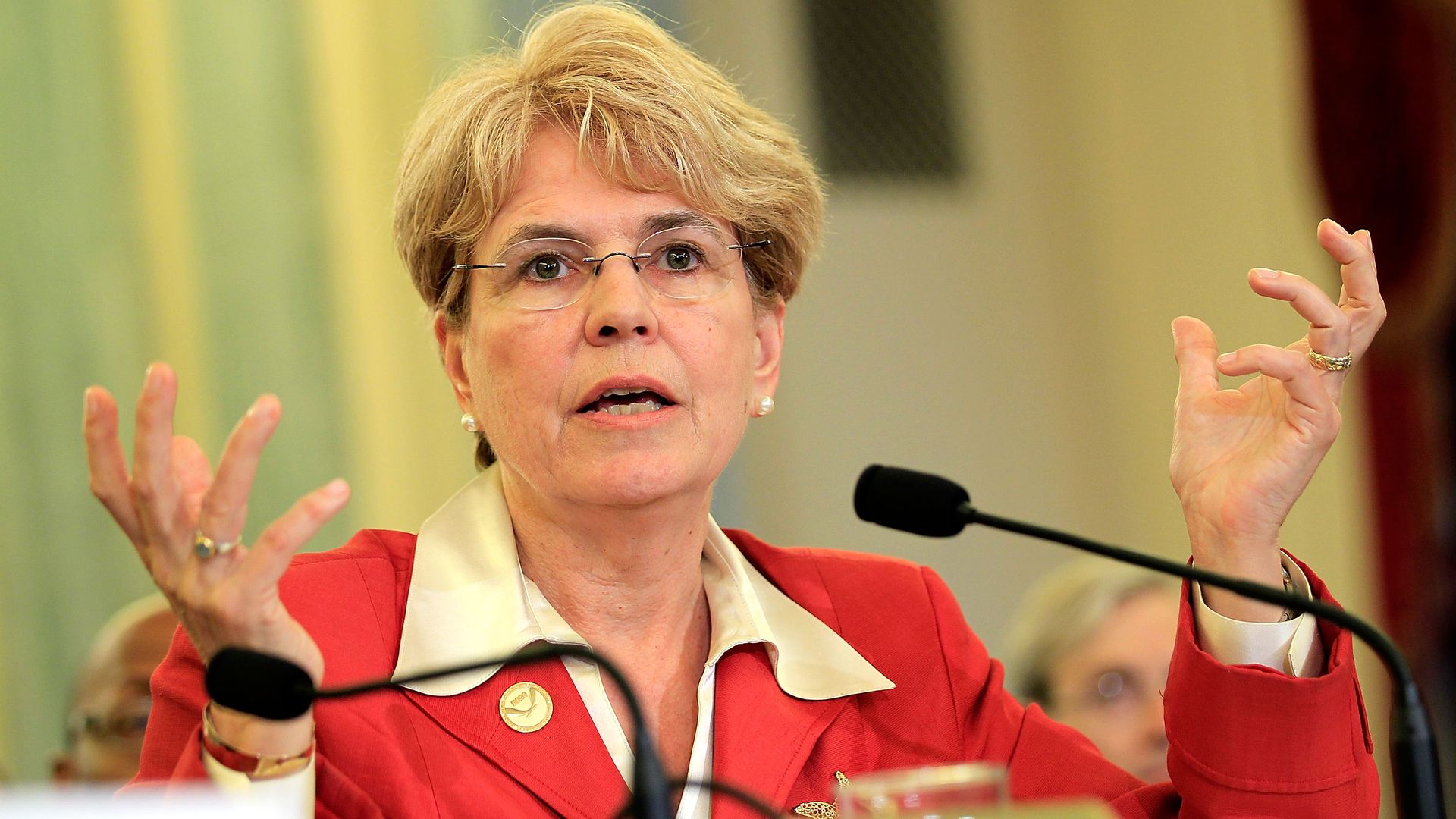
The National Academy of Sciences has barred Jane Lubchenco, a key White House climate aide, from involvement in NAS publications and activities for five years for violating its code of conduct before joining the administration, the organization said.
Why it matters: The move represents a significant rebuke to Lubchenco, who is deputy director for climate and environment at the White House Office of Science and Technology Policy.