New analysis shows how badly most nations' economic responses to COVID-19 have failed to heed calls for green-tinted recovery.
Driving the news: The study in Nature, conducted by Johns Hopkins University analysts, explores $14 trillion-plus in G20 stimulus and recovery packages.
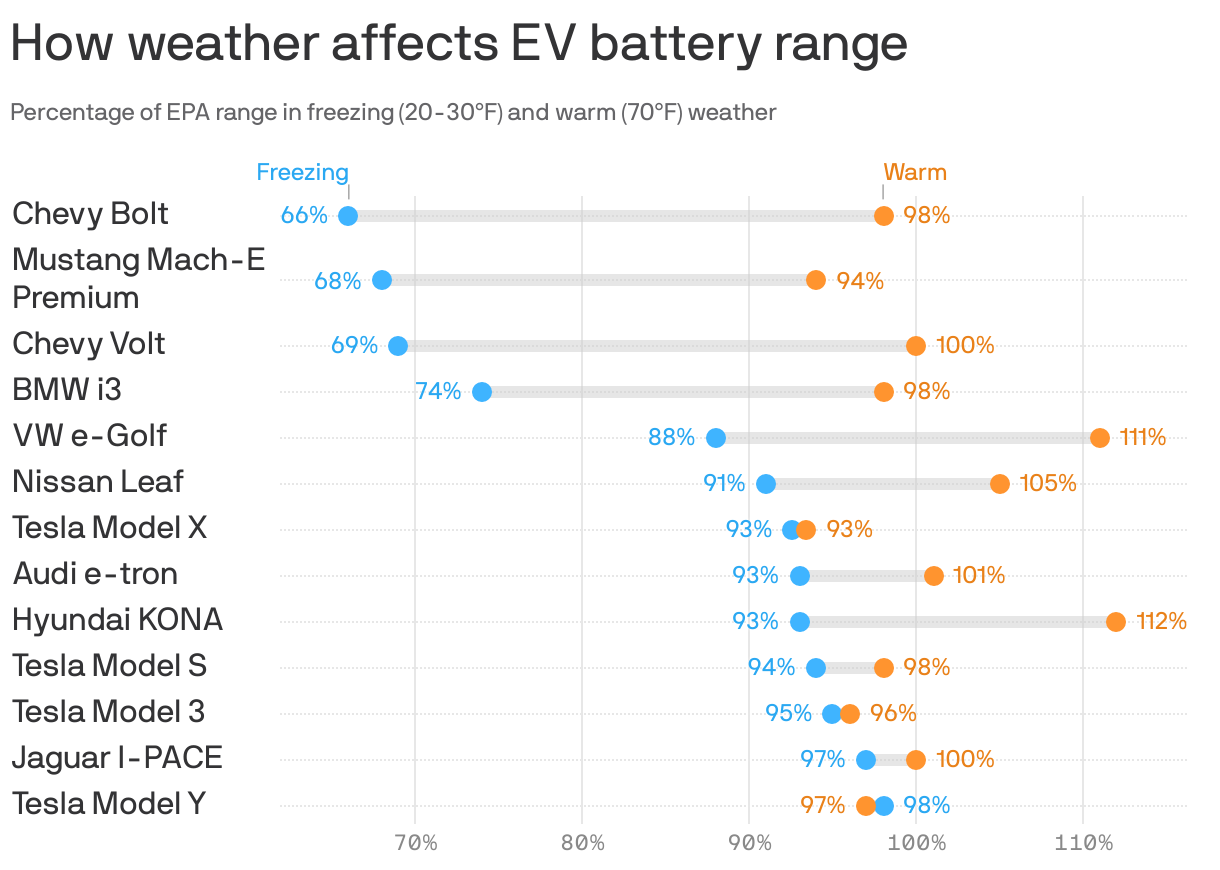
More Americans are opting to purchase an electric vehicle, but some EV owners are surprised to find out how much their car's driving range is compromised by winter weather.
Why it matters: Getting over the hurdles of buying an EV — the higher sticker price, knowing where to charge it or the fear of getting stranded — is hard enough.
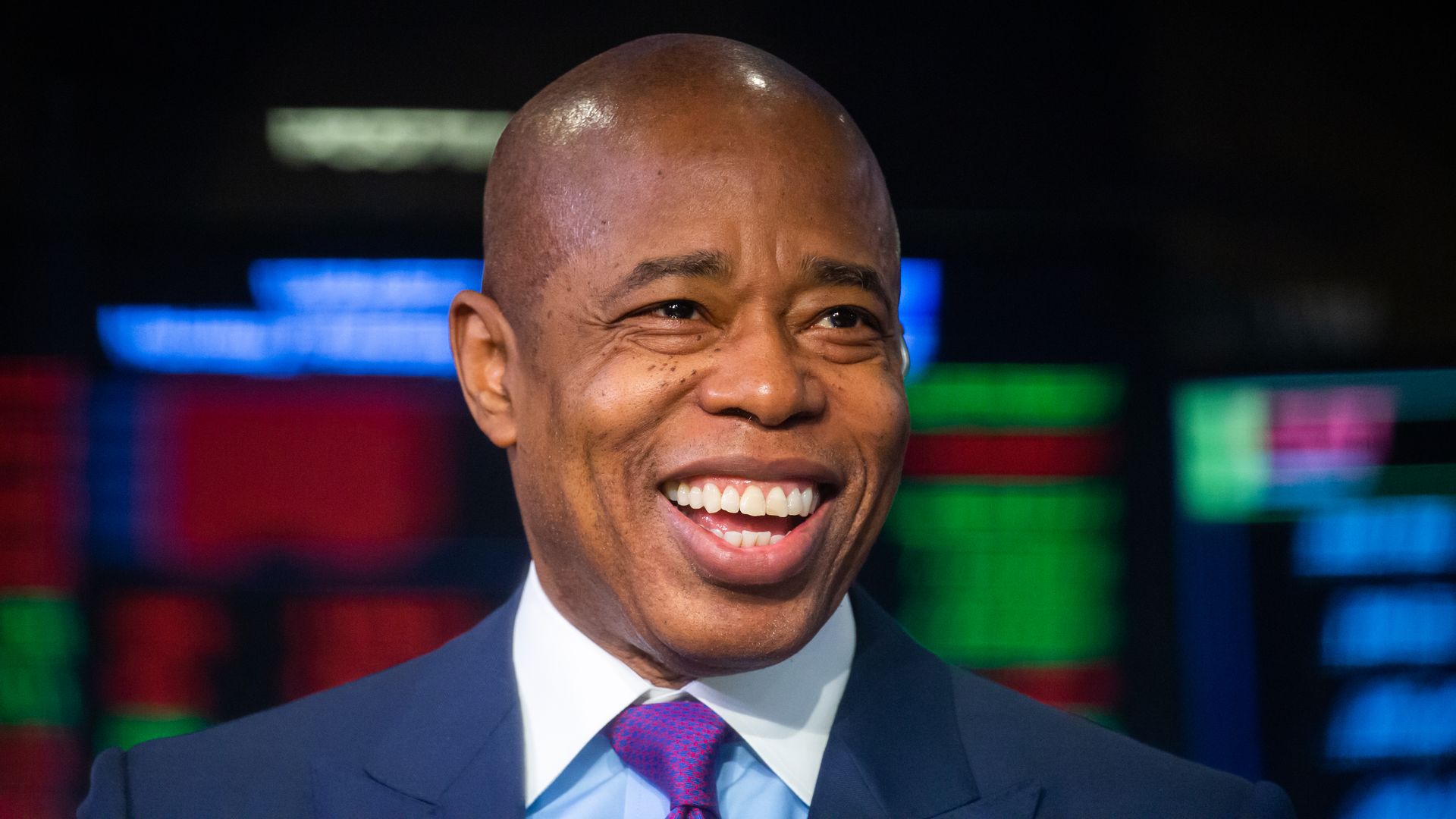
New York City Mayor Eric Adams on Thursday announced plans to transform a warehousing and manufacturing port into an offshore wind farm hub.
Why it matters: The facility, to be built at the city-owned South Brooklyn Marine Terminal, will be "one of the largest offshore wind port facilities in the nation," per a statement from the mayor's office.
House Speaker Nancy Pelosi (D-Calif.) said Thursday she supports banning oil import from Russia in response to Moscow's unprovoked invasion of Ukraine.
Why it matters: The U.S. and its allies have sanctioned many Russian oligarchs, banks and large parts of the country's economy but have stopped short of direct sanctions on Russia's oil and gas exports over fears of energy costs spiraling even higher.
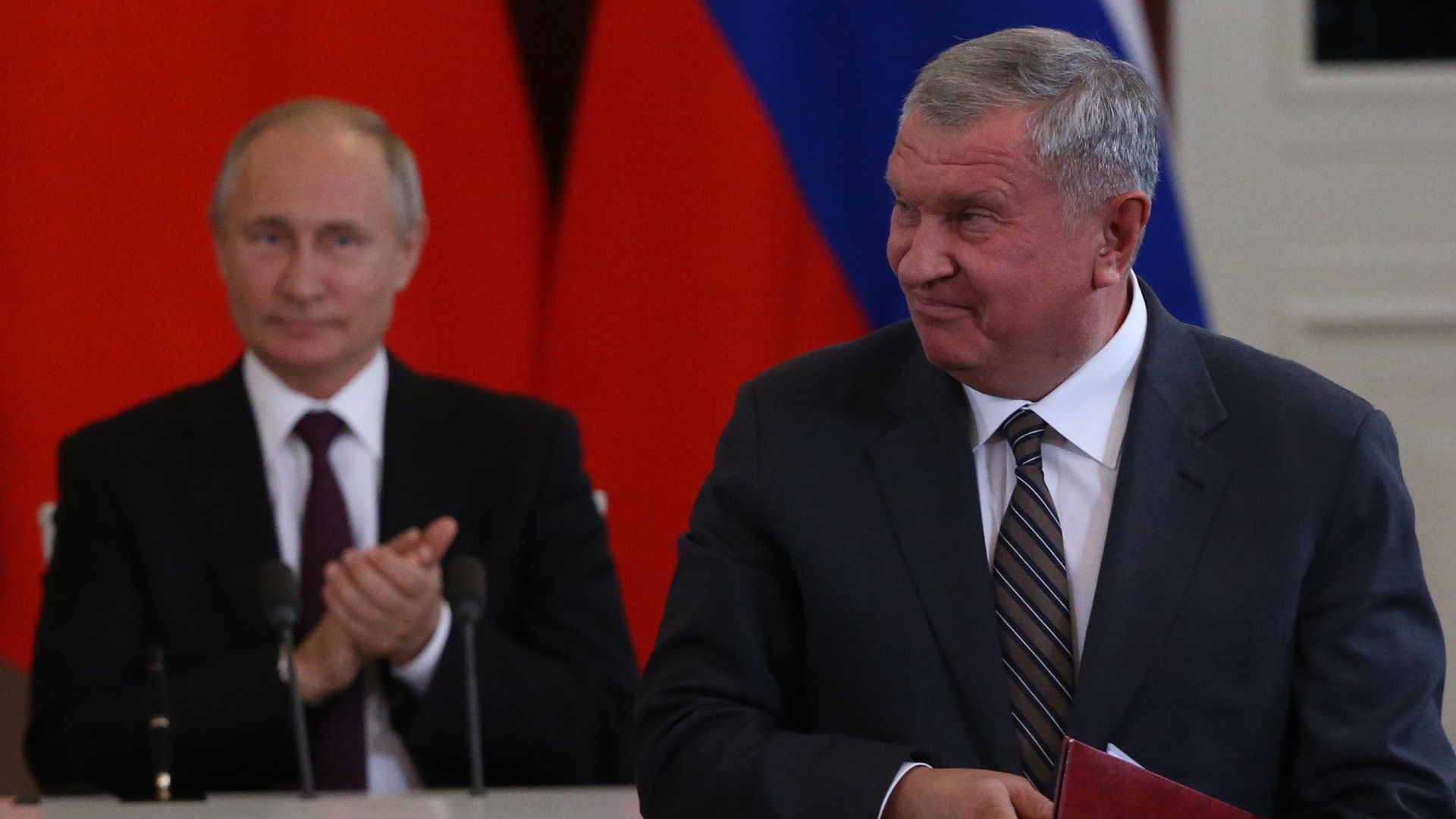
French authorities announced Thursday that they seized a yacht owned by Russian energy oligarch Igor Sechin.
Why it matters: Sechin is CEO of Rosneft, Russia's massive state oil and gas company, and a longtime close ally and adviser of President Vladimir Putin, according to the European Union. He has been financially sanctioned by multiple countries after Russia's unprovoked invasion of Ukraine.
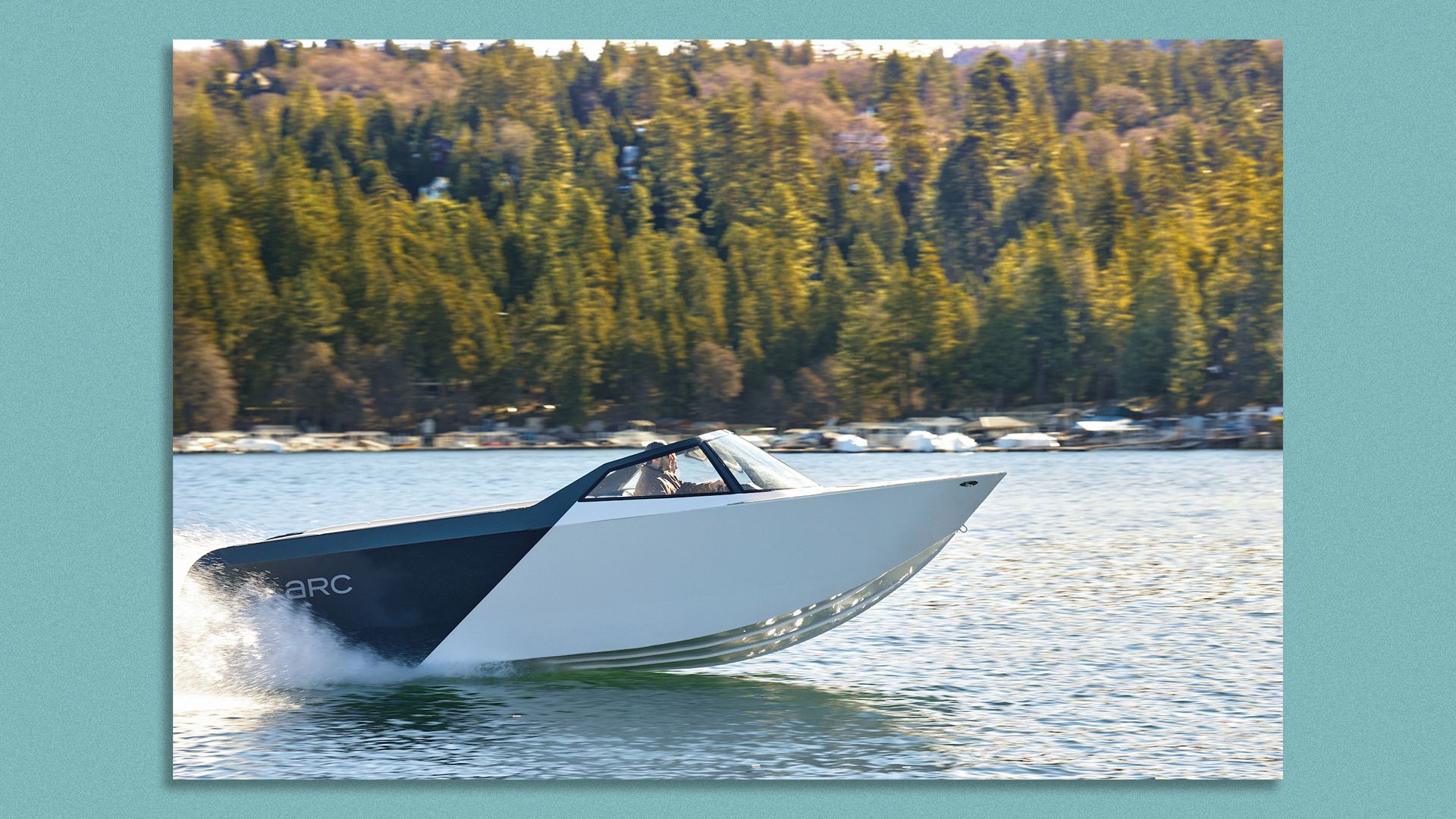
A team of former Space-X engineers and boating enthusiasts is aiming to transform recreational boating with a new speedboat that zips across the water on electricity instead of gas or diesel fuel.
Why it matters: Like automobiles, motorcycles and small airplanes, boats are beginning to go electric, which could make lakes and rivers more serene — and less polluted.