The social cost of carbon, a crucial metric that helps shape government regulations on everything from methane emissions regulations to fuel economy standards, is set to be updated by the end of February.
Why it matters: It's expected to be adjusted upwards — which will have ripple effects throughout the federal government and economy at large, making high-polluting activities more expensive and regulations that crack down on emissions economically justifiable.
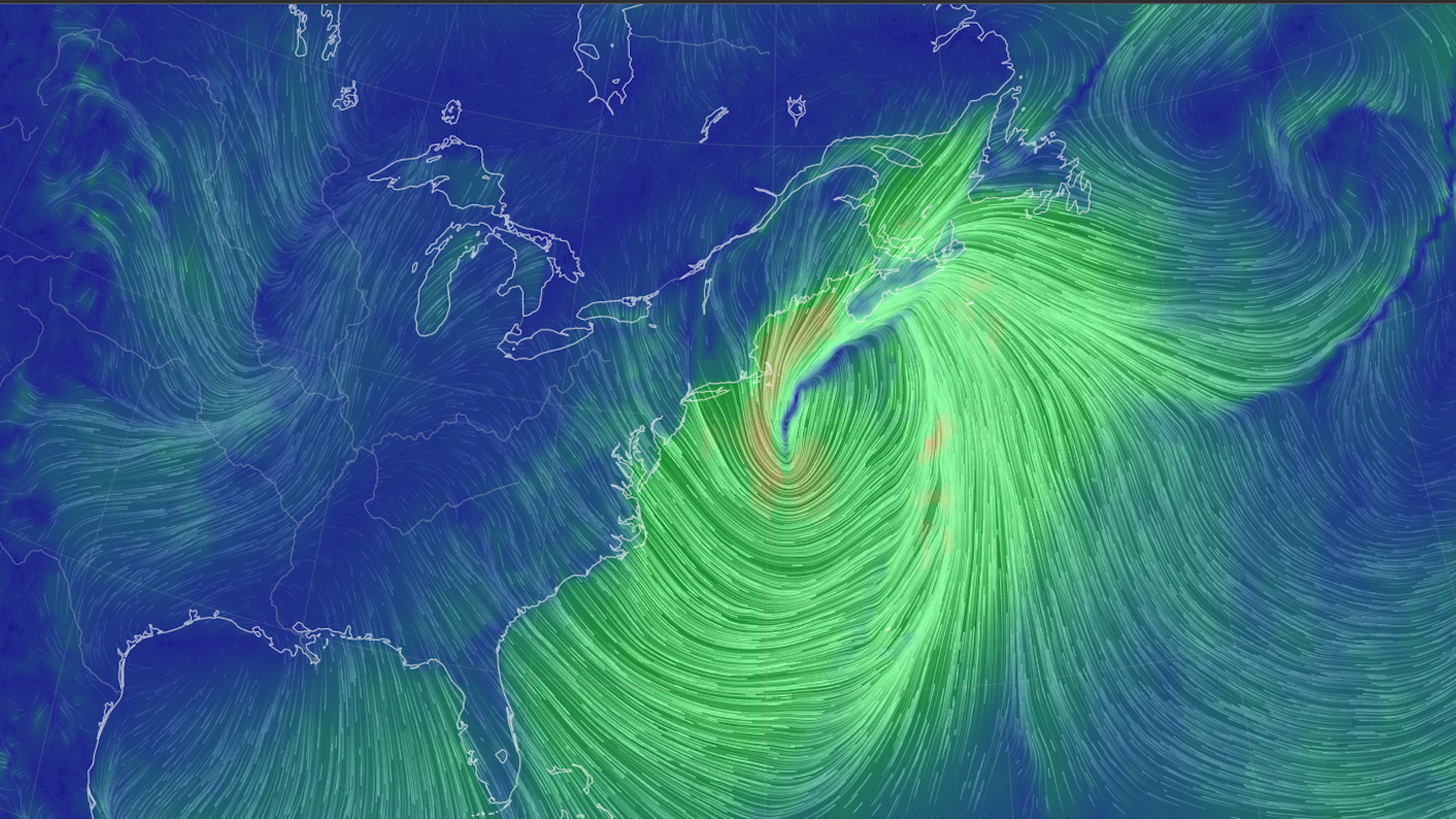
Nearly 45 million Americans are under winter weather alerts and warnings from North Carolina to northeastern Maine, as a major winter storm threatens the region.
Why it matters: It is predicted to be the biggest blizzard since 2018 to strike the Northeast with more than 2 feet of snow possible in parts of eastern Massachusetts, according to the National Weather Service.
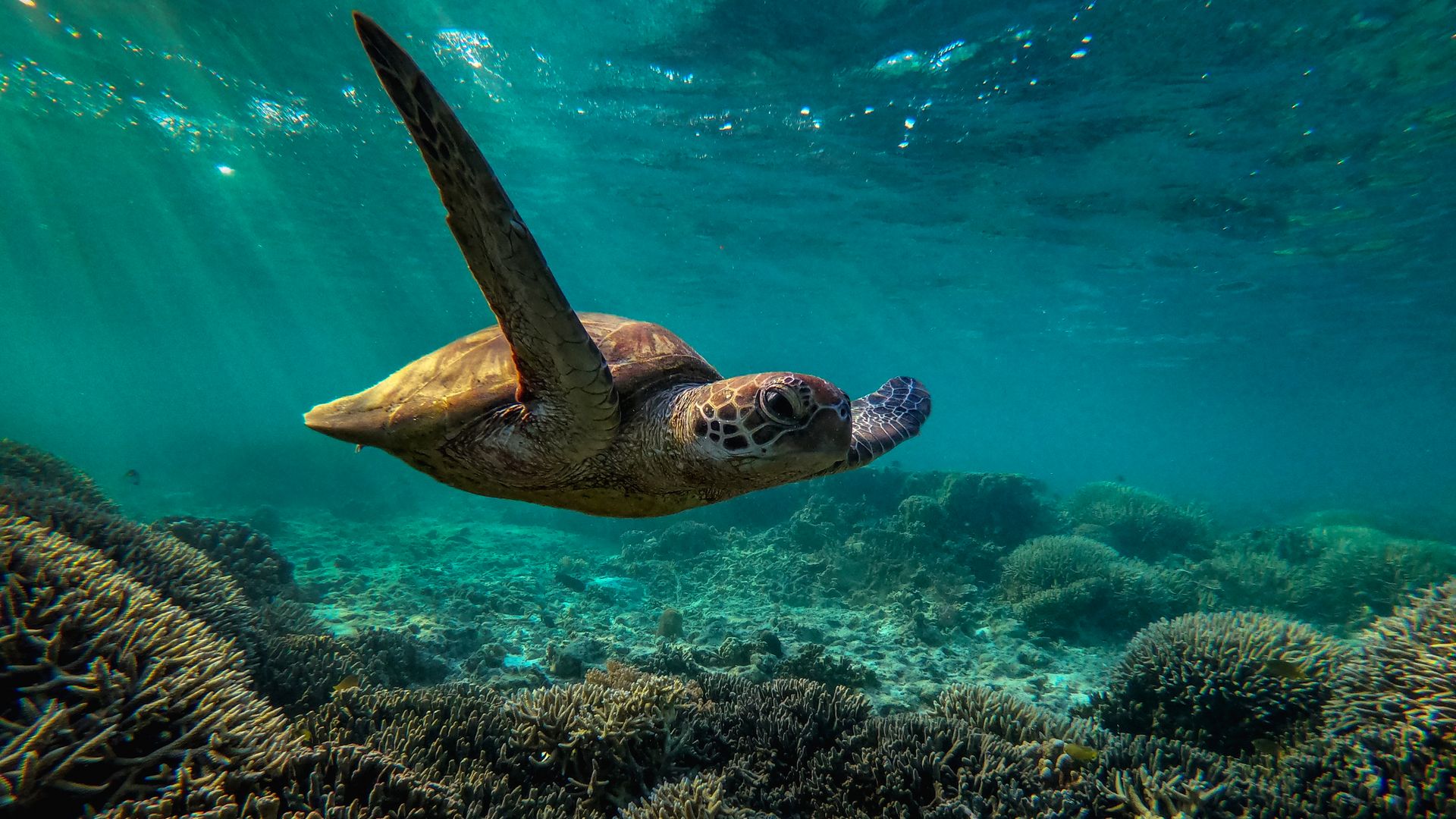
Australian Prime Minister Scott Morrison announced Friday a AU$1 billion ($703 million) investment plan for the Great Barrier Reef.
Why it matters: The nine-year plan for projects including water quality improvement, reef conservation and supporting some 64,000 tourism jobs comes months ahead of this year's federal election. It has been criticized by scientists and environmental groups for failing to tackle climate change.
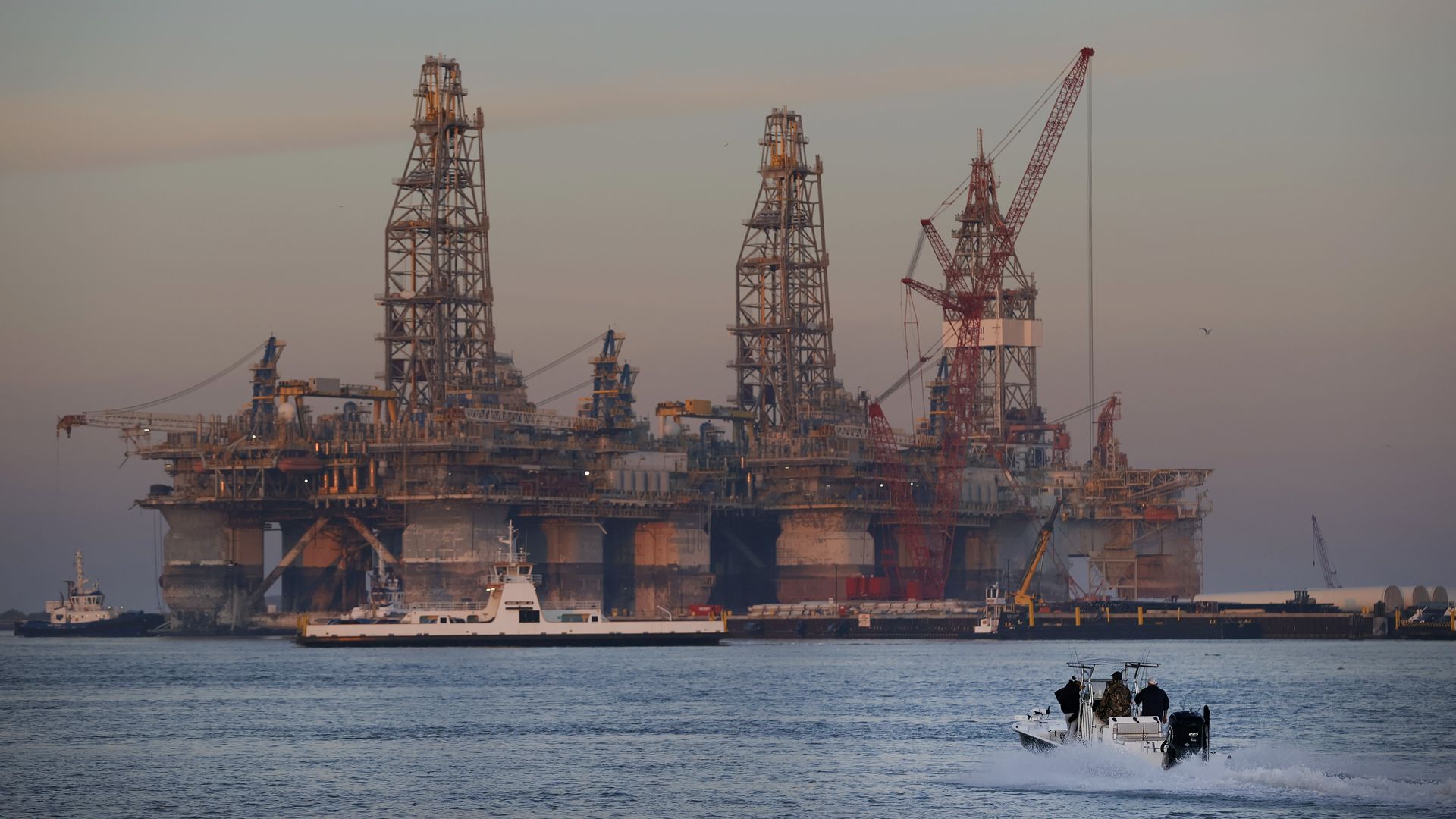
A federal judge on Thursday canceled the Biden administration's late 2021 sale of new oil-and-gas drilling leases in the Gulf of Mexico.
Why it matters: The ruling that the greenhouse gas emissions analysis by the Interior's Bureau of Ocean Energy Management (BOEM) was insufficient is a win for green groups that challenged the decision, as they seek to curb fossil fuel production.
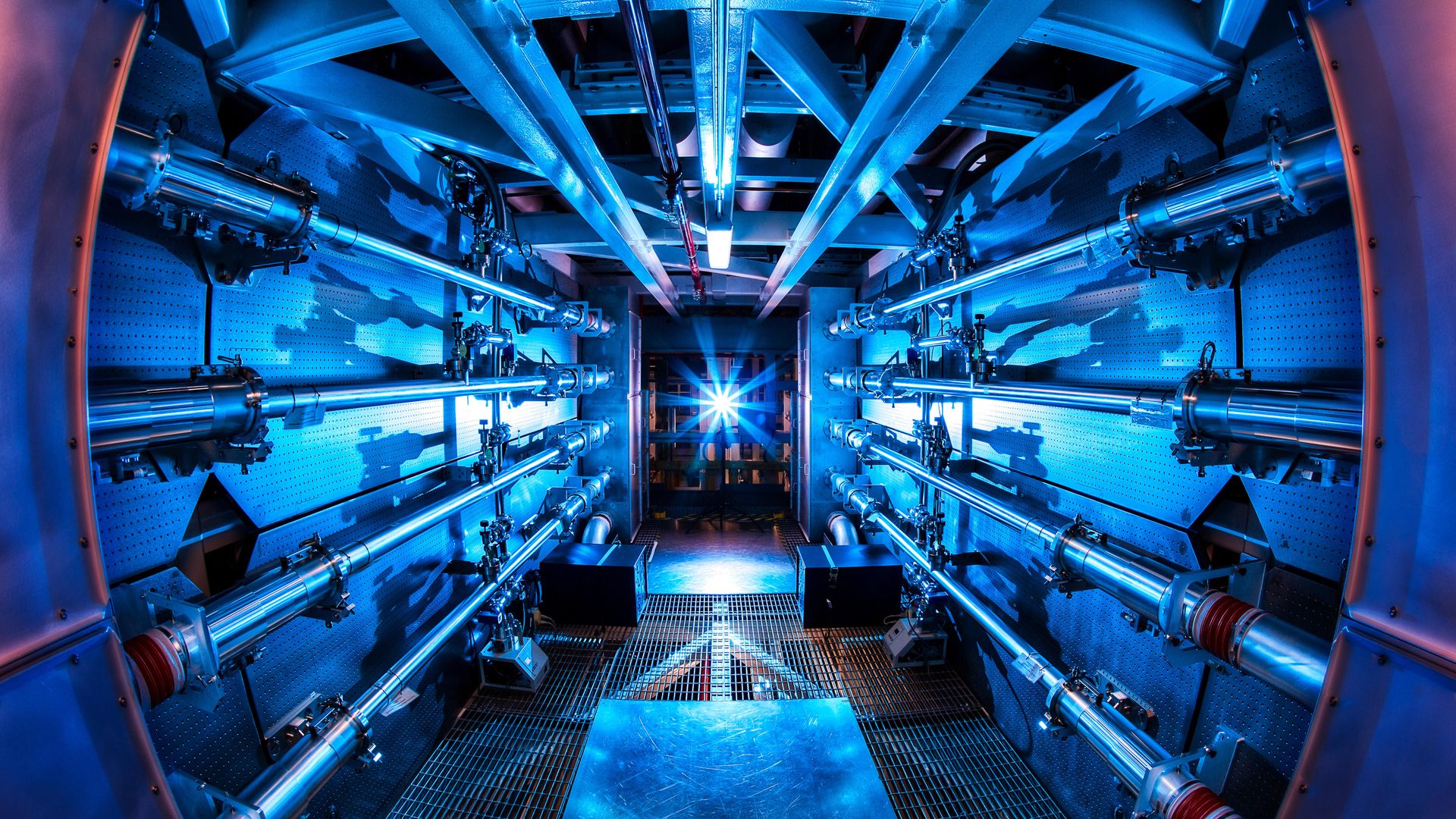
Nuclear physicists are notching scientific advances for fusion energy, fueling hopes — and billions in investment — to create an energy source that doesn't produce carbon or long-living nuclear waste.
Why it matters: For decades, scientists have chased the dream of using fusion for limitless clean energy. But turning the science into a commercial technology still faces scientific, technical and financial hurdles.
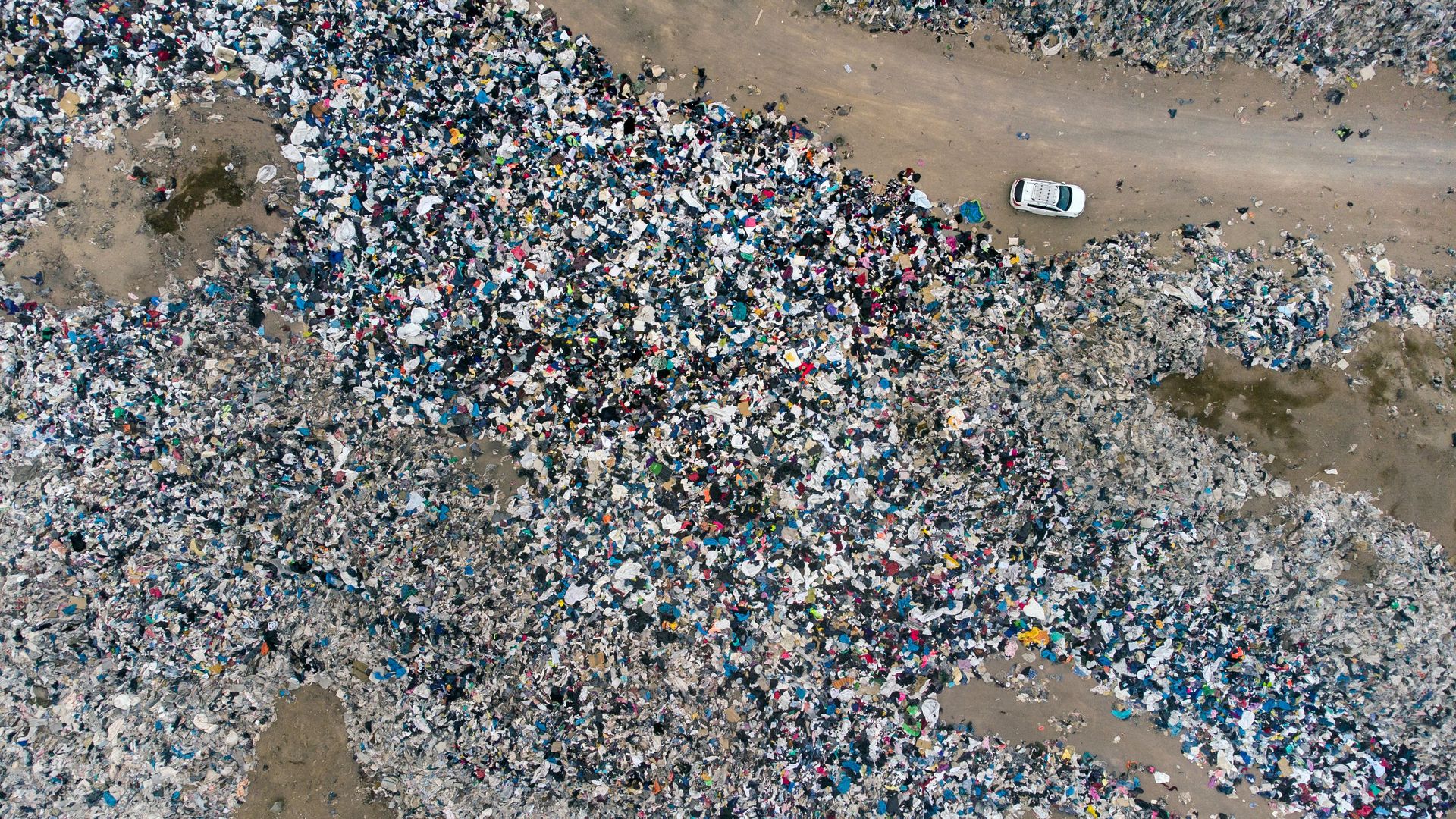
Chile’s Atacama Desert hasbecome a clothing graveyard, with around 35,000 tons of unsold second-hand clothing getting dumped there every year. A handful of organizations are working to reduce and reuse the polluting fabrics.
What's happening: It starts when used clothing from the U.S, Europe and Asia arrives at Iquique, a tax-free port near the desert, for resale in Chile and other Latin American countries.
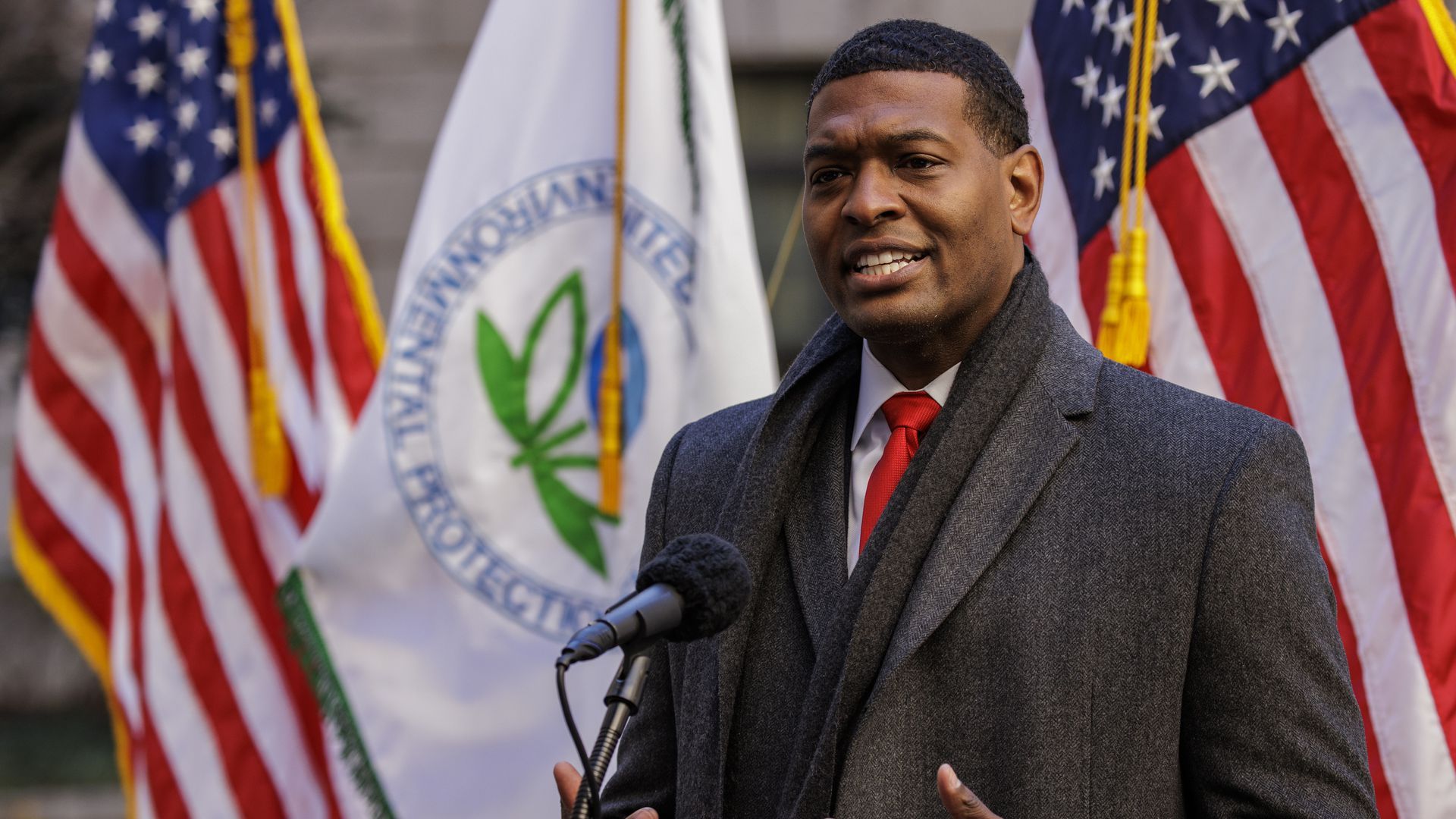
The EPA is vowing to take new steps to help communities disproportionately burdened by pollution, after Administrator Michael Regan's tour of areas in Louisiana, Mississippi and elsewhere.
State of play: The steps include expanding air monitoring and "aggressively" using unannounced inspections of polluting facilities suspected of noncompliance with standards, the EPA said.
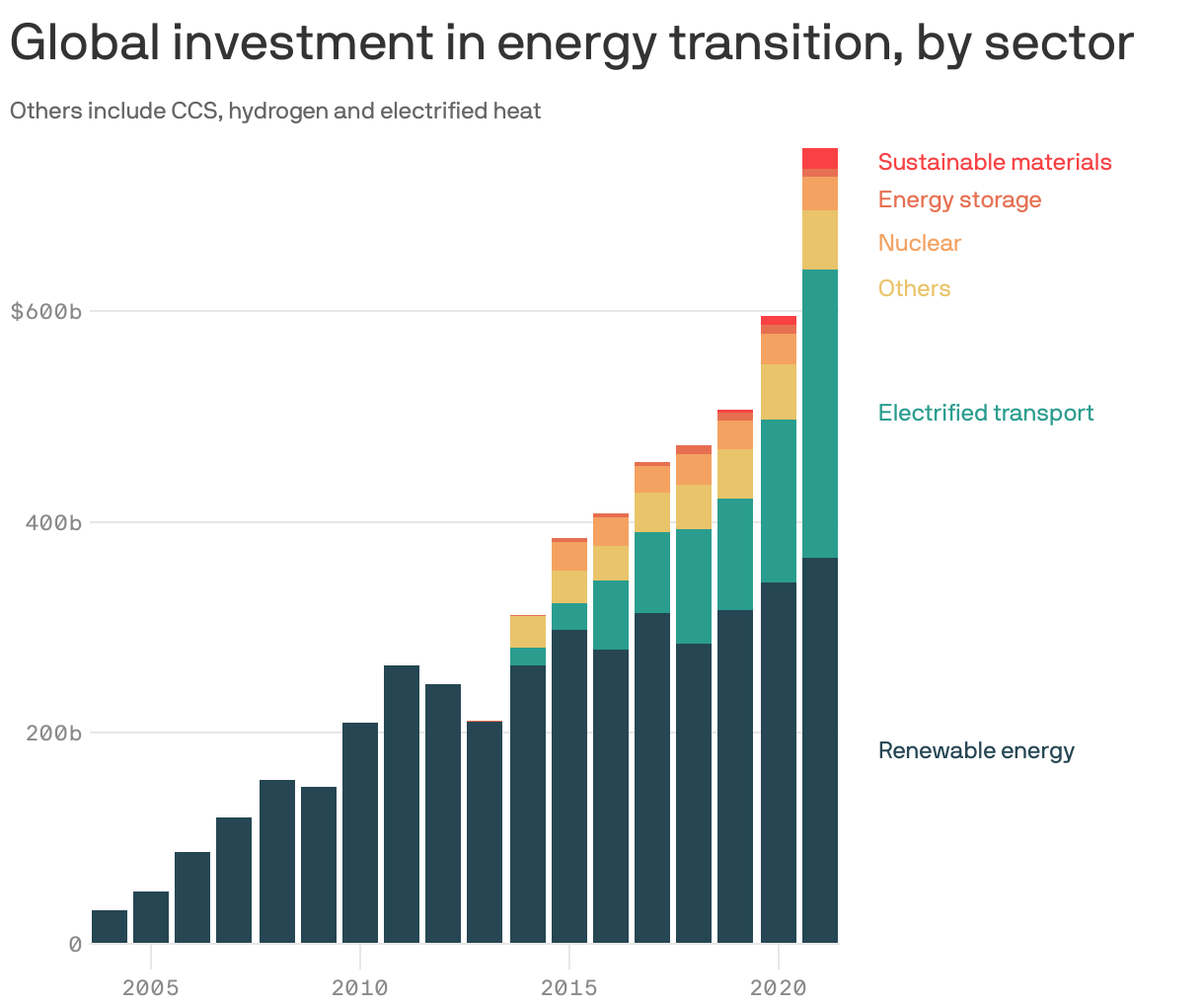
The world invested $920 billion in clean energy deployment and innovation in 2021, a record high. However, in order to meet the goal of net-zero emissions by 2050, this figure must at least triple in the next few years, warns a report out Thursday from BloombergNEF.
Why it matters: This report provides a crucial snapshot of where public and private sector money is helping to shift economies away from their reliance on fossil fuels and meet climate goals.