Climate disasters in 2021 affected millions of lives, caused billions of dollars in economic loss across the world and brought into stark reality the perils of higher temperatures and climate change in general.
The big picture: Early data has ranked 2021 as the sixth warmest year on record. Climatologists have warned that increased surface temperatures make floods, droughts, heat and cold waves, wildfires and tropical storms and hurricanes more common and intense.
The Biden administration's push to bolster scientific integrity policies across federal agencies yielded its first report this week, but a co-chair of the report's panel is facing her own questions from the scientific community about a recent research integrity ethics breach.
Why it matters: The report could help address political interference or other methods of undermining science used to draw public health, environmental and technology policies.
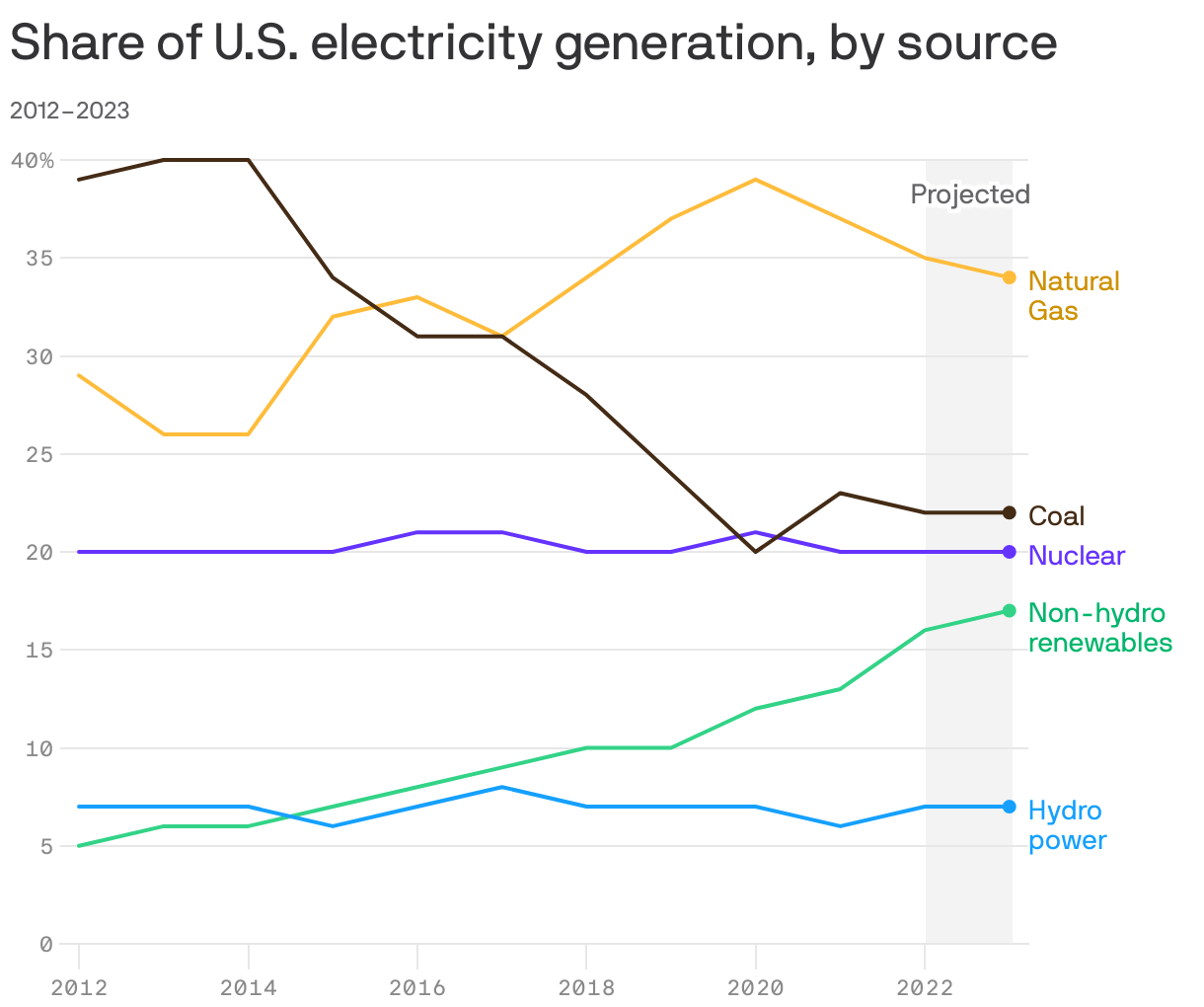
Data: U.S. Energy Information Administration; Chart: Jacque Schrag/Axios
The Biden administration is expanding efforts to speed clean electricity expansion with its existing powers, but faces big obstacles to meeting its climate goals without far more help from Congress.
Why it matters: President Biden has set a goal of reaching 100% carbon-free power by 2035 and cutting economy-wide greenhouse gas emissions — that is, power, transport, industry, etc. — in half by 2030.
A powerful House committee next week will convene a hearing on the energy use of digital cryptocurrency mining.
Why it matters: The Jan. 20 Energy and Commerce Committee hearing highlights growing concern about carbon emissions linked to bitcoin and other currencies, even as the sector vows to get greener.
The energy storage heavyweight Fluence and the solid-state battery startup QuantumScape Thursday morning announced a multiyear agreement to test and deploy QuantumScape lithium-metal tech in stationary applications.
Why it matters: Storage growth is important to enabling high levels of renewables penetration and also helps aid grid reliability. Solid-state battery tech holds the promise of higher energy density and other benefits.
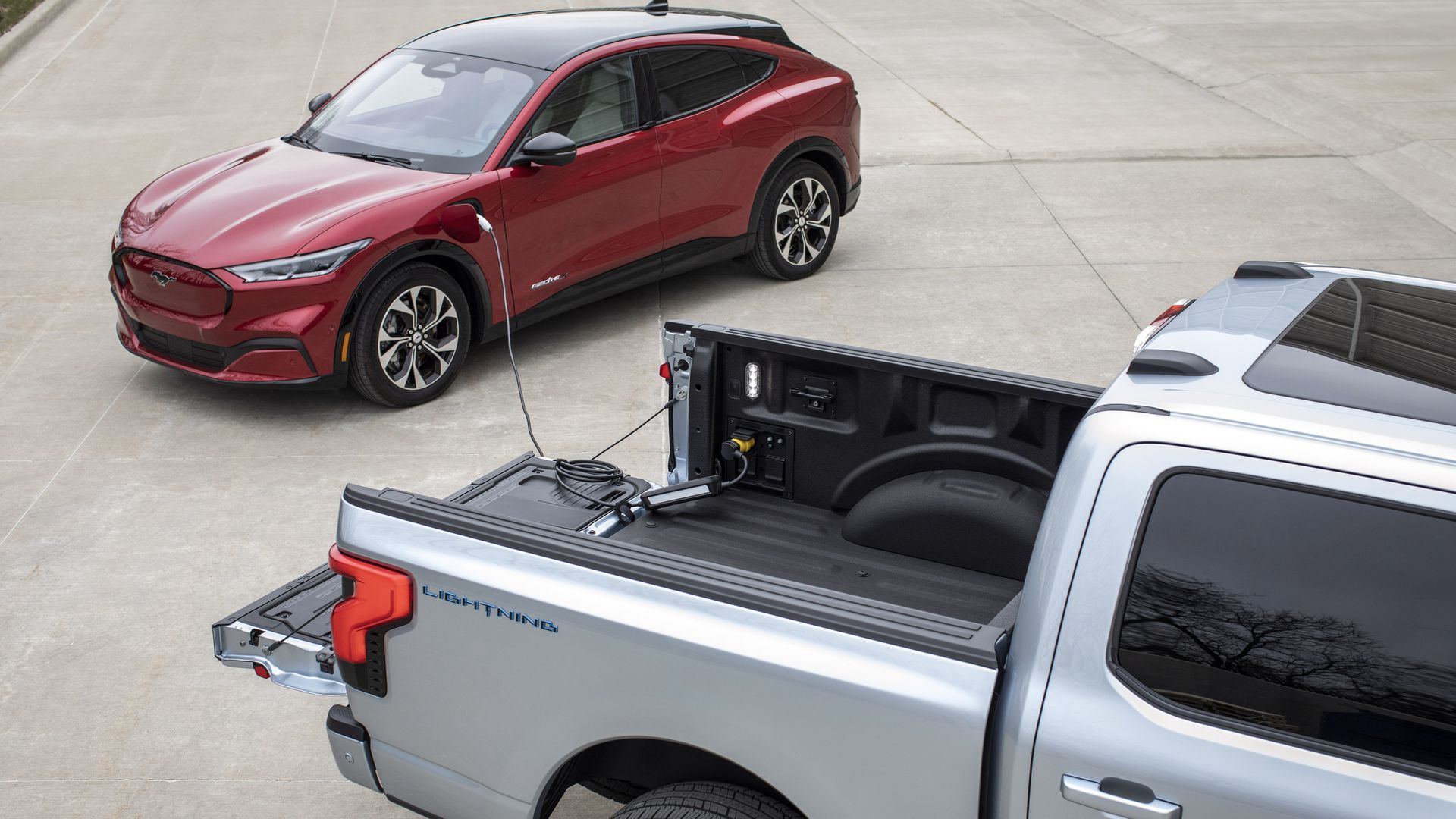
Electric vehicles will soon have "bidirectional" or two-way batteries that can turn cars into useful sources of power for your home, worksite or even another car.
Why it matters: One of the biggest obstacles to EV adoption is the lack of charging infrastructure.
But if you think of your car as a source of energy — not just a consumer of it — that whole calculus begins to change, says Reilly Brennan, a transportation investor at Trucks Venture Capital.
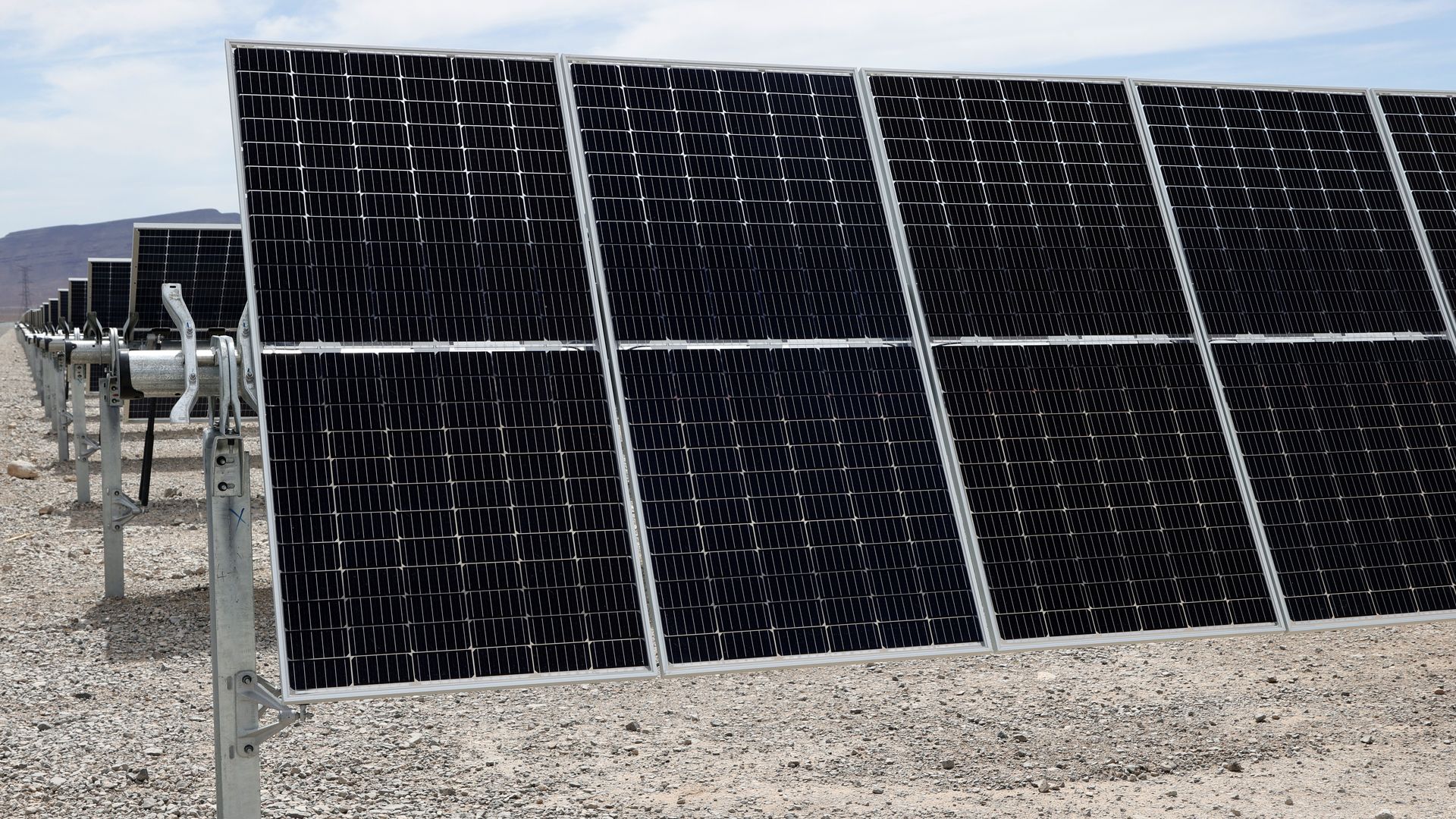
The White House is rolling out new multi-agency initiatives to speed renewable power and transmission deployment at a time when Democrats' huge clean energy investment plan has stalled out in Congress.
Why it matters: President Biden has set a goal of reaching 100% carbon-free power by 2035 and accelerating job growth in low-carbon energy.
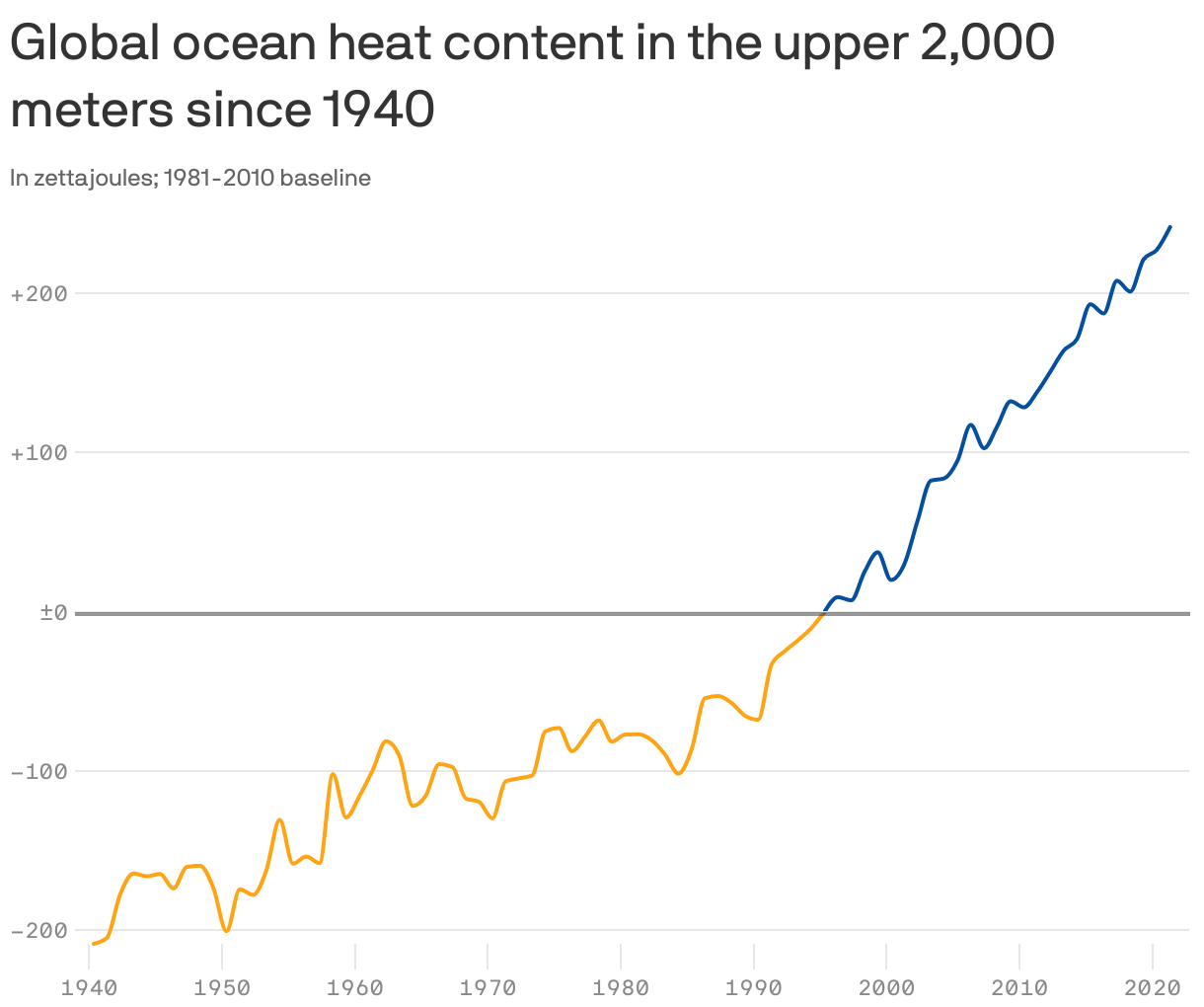
Data: Cheng, L. J, and Coauthors, 2022; Chart: Jared Whalen/Axios
World ocean temperatures in 2021 were the hottest ever recorded by humans, according to a new peer-reviewed study.
Driving the news: The research ties the warming trend conclusively to human emissions of greenhouse gases from the burning of fossil fuels, such as coal and natural gas.
Federal Reserve chairman Jerome Powell is offering Democrats fresh pledges to make climate change a priority, but there's little sign he believes the central bank should act to thwart Wall Street finance for polluting industries.
Driving the news: Powell told the Senate Banking Committee Tuesday that the Fed would proceed with analyzing banks' readiness to grapple with global warming and the ways climate change can threaten financial stability.