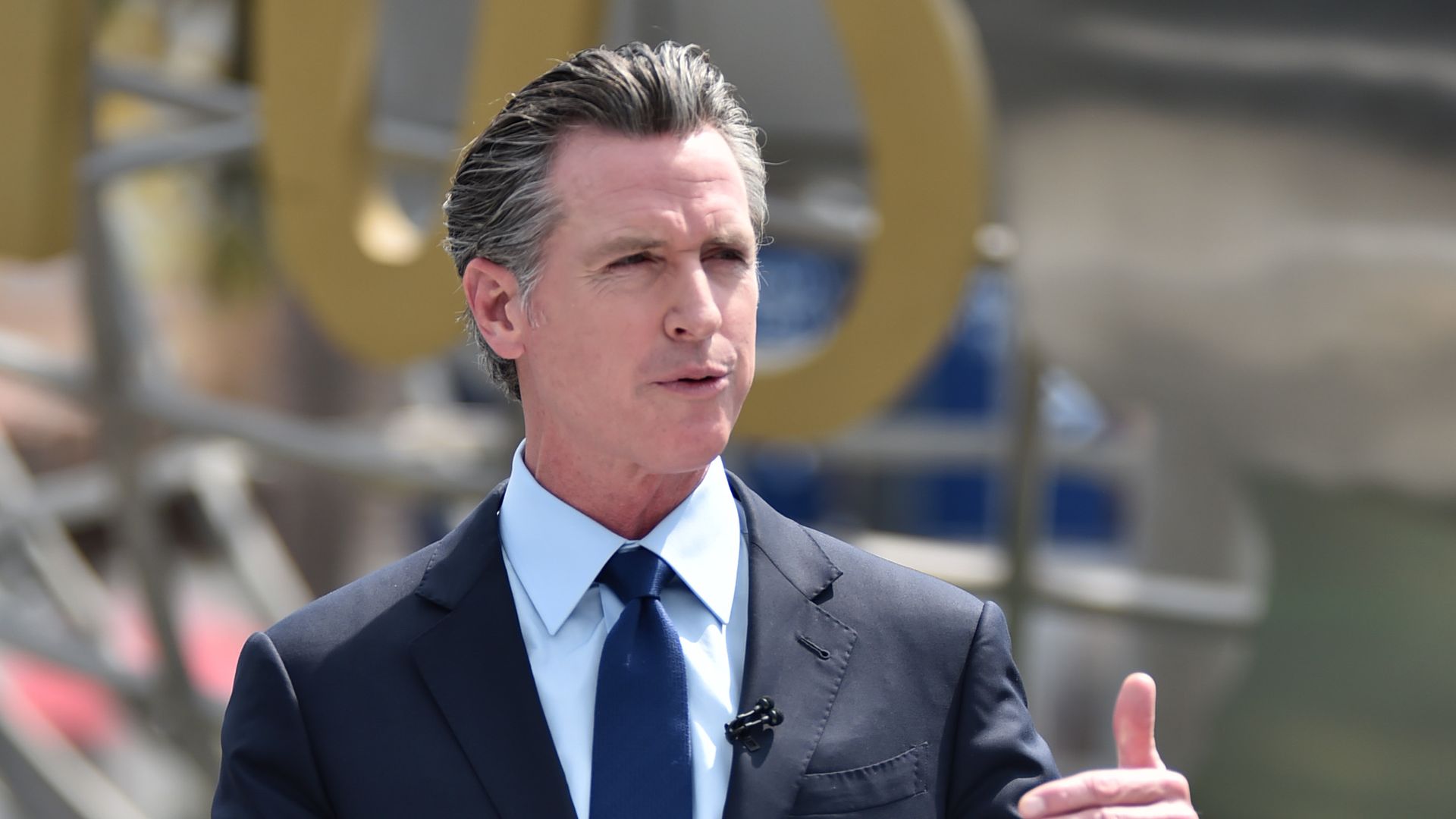
California Gov. Newsom (D) misled the public about the progress his office had made in shoring up wildfire prevention according to an investigative report by CapRadio and NPR’s California Newsroom.
Why it matters: The revelations come just as drought-stricken California gears up for a devastating fire season that could prove to be the worst on record.
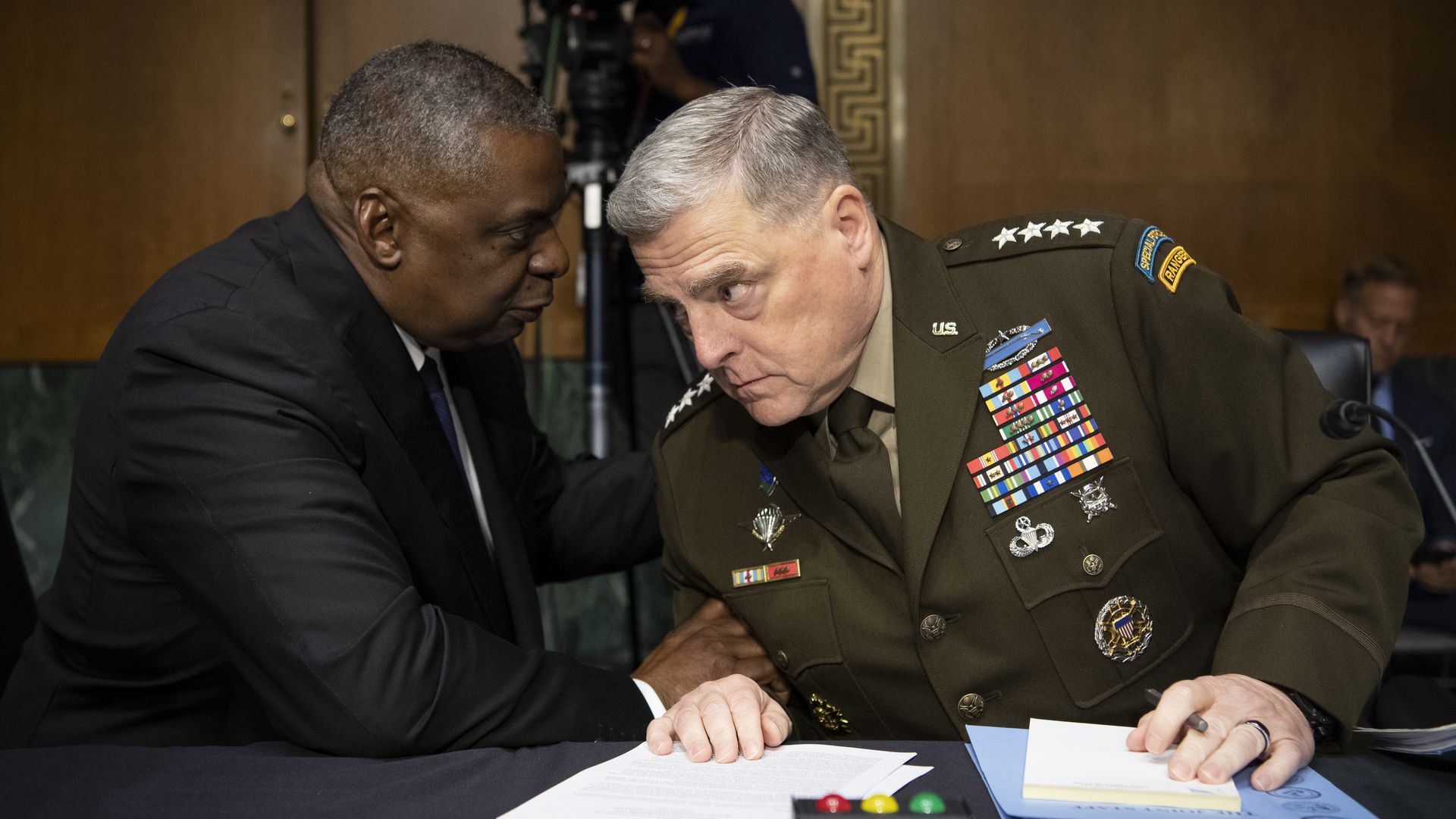
The Government Accountability Office said in a new report this month that the Department of Defense should disclose to Congress how much it expects future "forever chemicals" cleanup efforts near military installations will cost because the price "will likely increase significantly."
Why it matters: Though the Pentagon has estimated that cleaning up the durable and toxic chemicals will require around $2.1 billion, it has never included the cost information in its annual environmental reports to Congress, the GAO said.
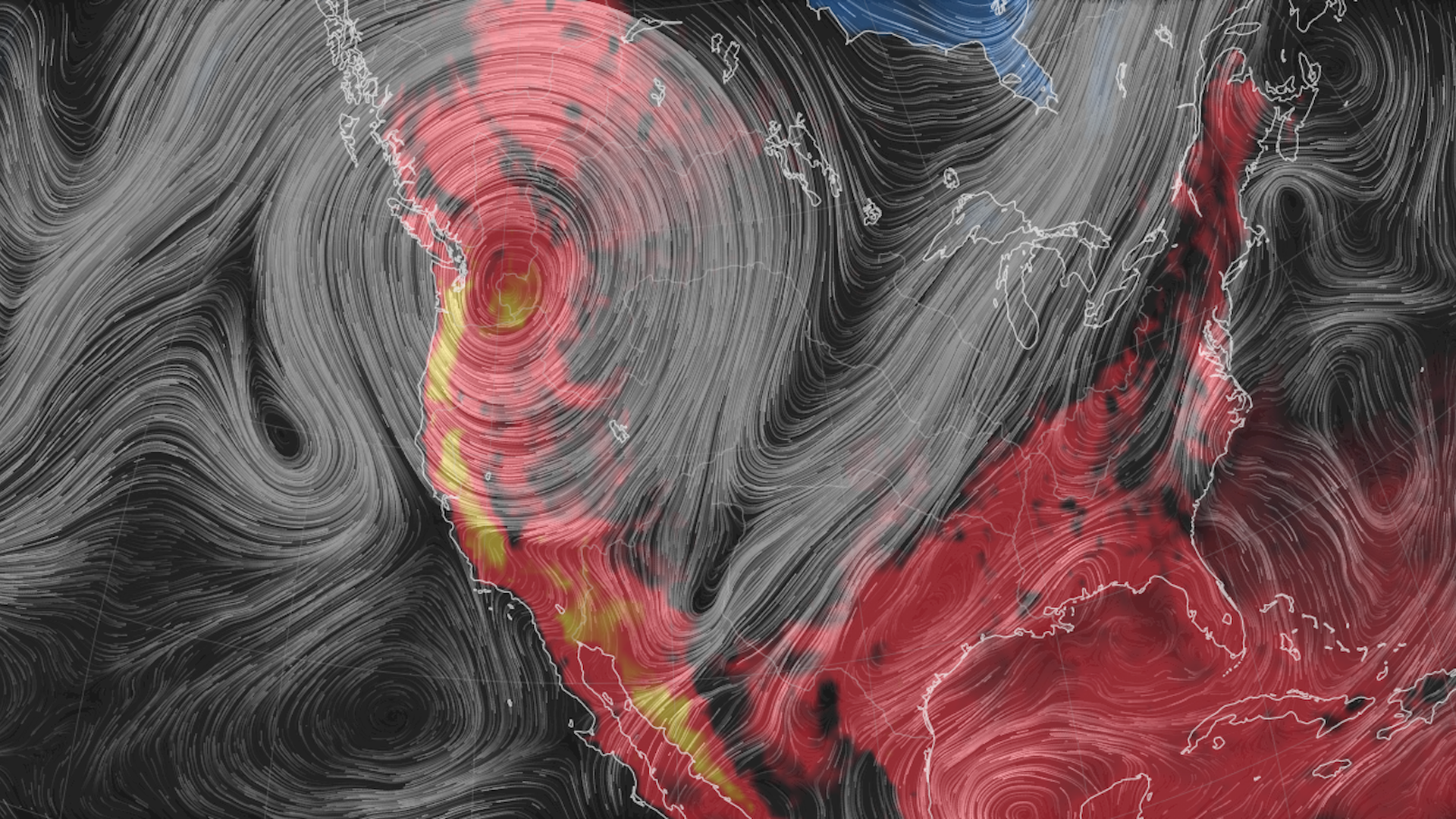
A "historic" and potentially deadly heat wave is on tap for the Pacific Northwest into southwestern Canada this weekend into early next week, with never-before-seen temperatures possible in cities like Portland, Ore., and Spokane, Wash.
Why it matters: The heat wave will affect a region where many people lack central air conditioning, raising the likelihood for public health impacts. In addition, power demand is likely to spike at a time when hydropower resources are running relatively low due to drier than average conditions.
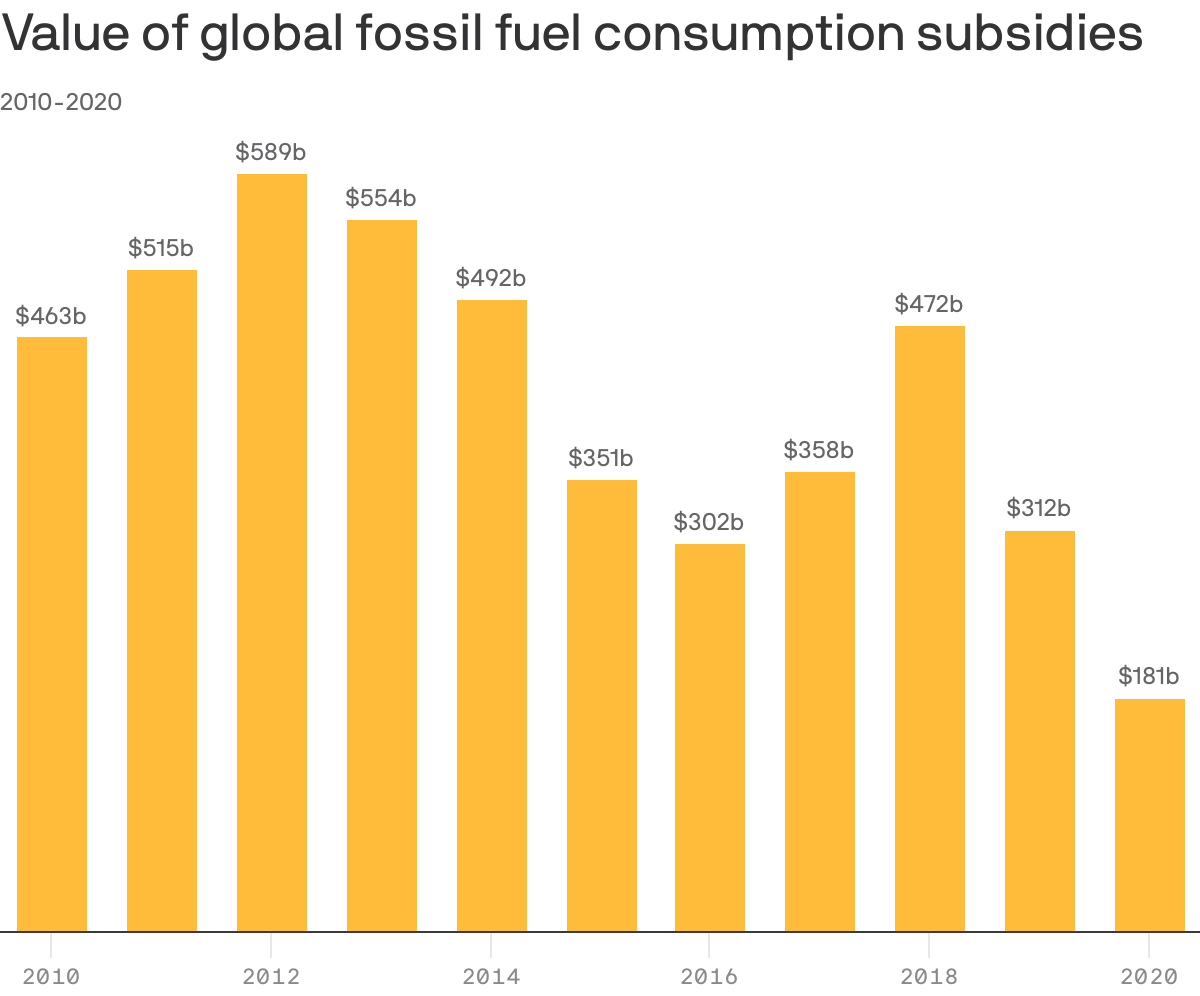
An International Energy Agency analysis shows that subsidies for consumers' use of gasoline, diesel and other fuels dropped sharply last year — but are headed for a rebound.
Why it matters: The IEA and many policymakers say phasing out subsidies is a tool for combating climate change.
An intense and expansive heat wave has gripped parts of Siberia, northwestern Russia and Scandinavia, inducing a record plunge in sea ice cover in the Laptev Sea, which is part of the Arctic Ocean.
Why it matters: Due largely to human activities such as fossil fuel burning and deforestation, the Arctic is warming at a rate more than twice as fast as the rest of the globe.
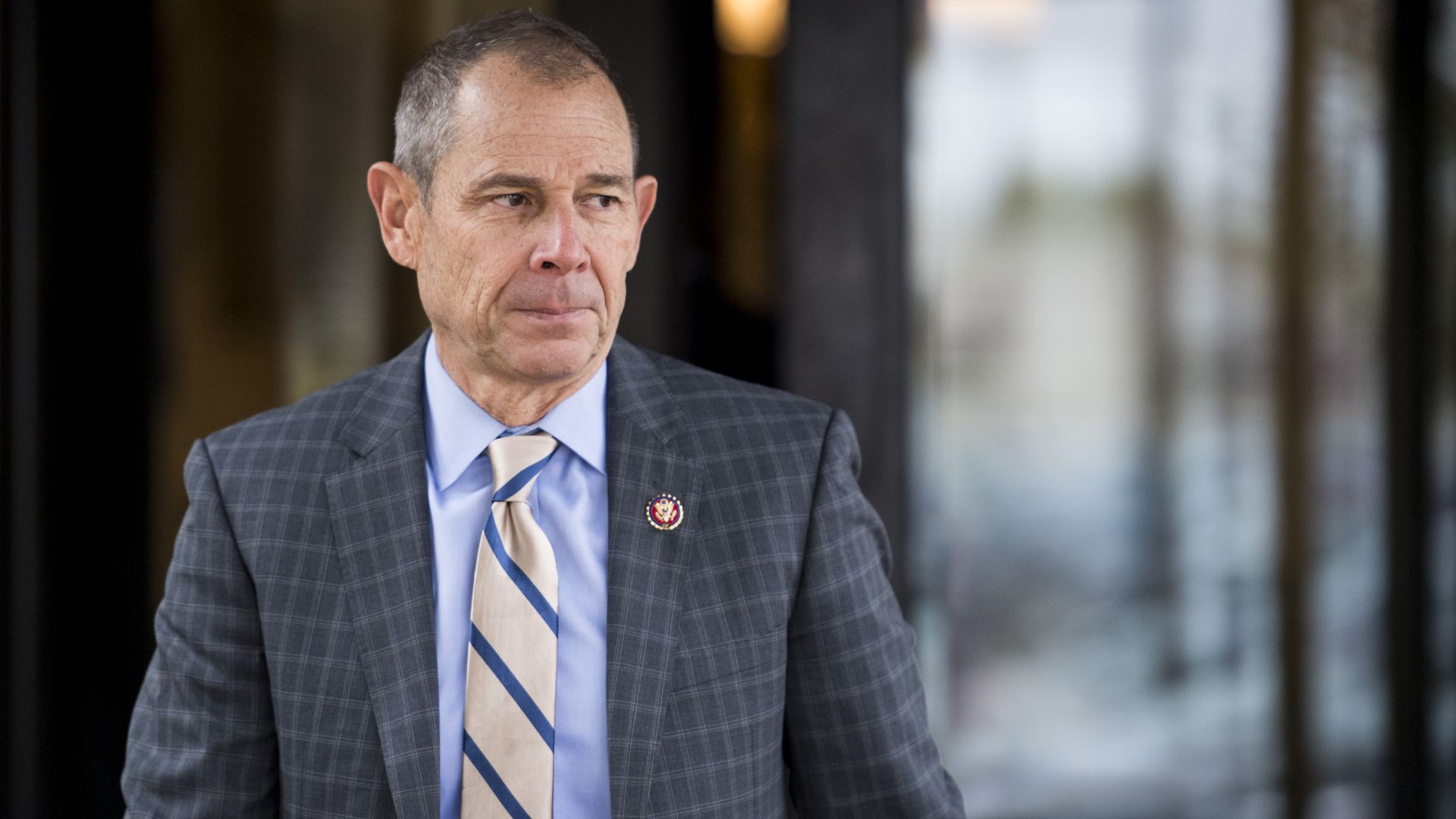
Several dozen House Republicans led by Utah Rep. John Curtis will on Wednesday launch the Conservative Climate Caucus.
How it works:Via the Washington Examiner, Curtis' office says it will look to "educate House Republicans on climate policies and legislation consistent with conservative values."
General Motors and a Shell-owned power company will unveil a partnership on Wednesday aimed at providing renewable electricity to Texas customers and free overnight charging to state residents who own GM electric cars.
Why it matters: It’s a new way for two corporate giants to expand their operations in a way that lowers emissions at the customer and supplier level.
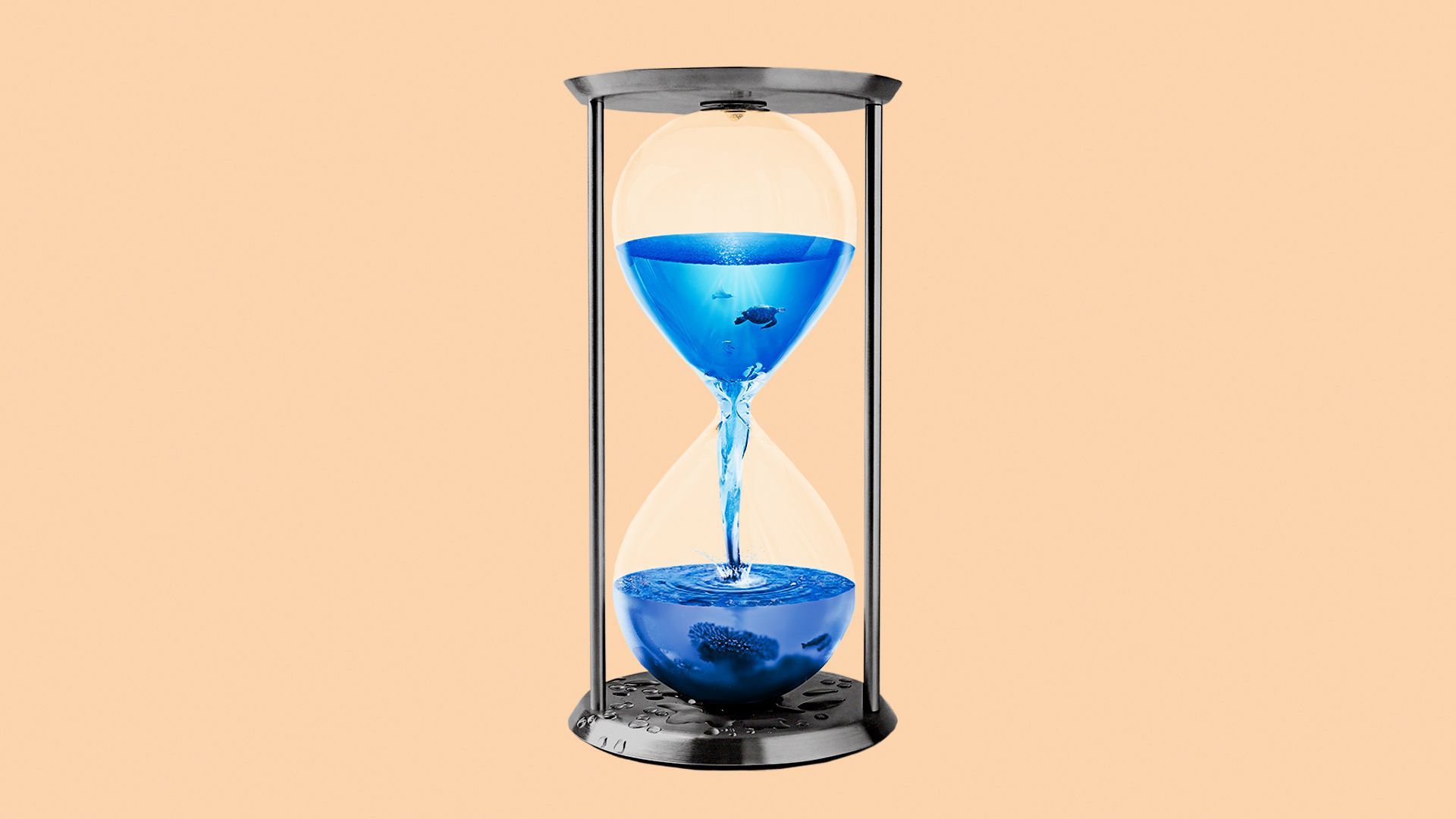
A large coalition is committing $8 million to plug a funding gap in a program that helps to conserve water in Arizona amid the region's worsening drought.
Why it matters: The announcement shows how coalitions of businesses, nonprofits and state and Native American groups can together pursue agreements to address water management in the Southwest.
New research suggests a problem for policymakers hoping to rapidly move U.S. road transport from gasoline to electricity: drivers of huge-selling pickups and SUVs may be a tough sell.
Driving the news: The working paper explores how electric vehicle adoption is correlated with different forces, such as purchase subsidies, battery range, and "intrinsic" factors like belief in climate change.
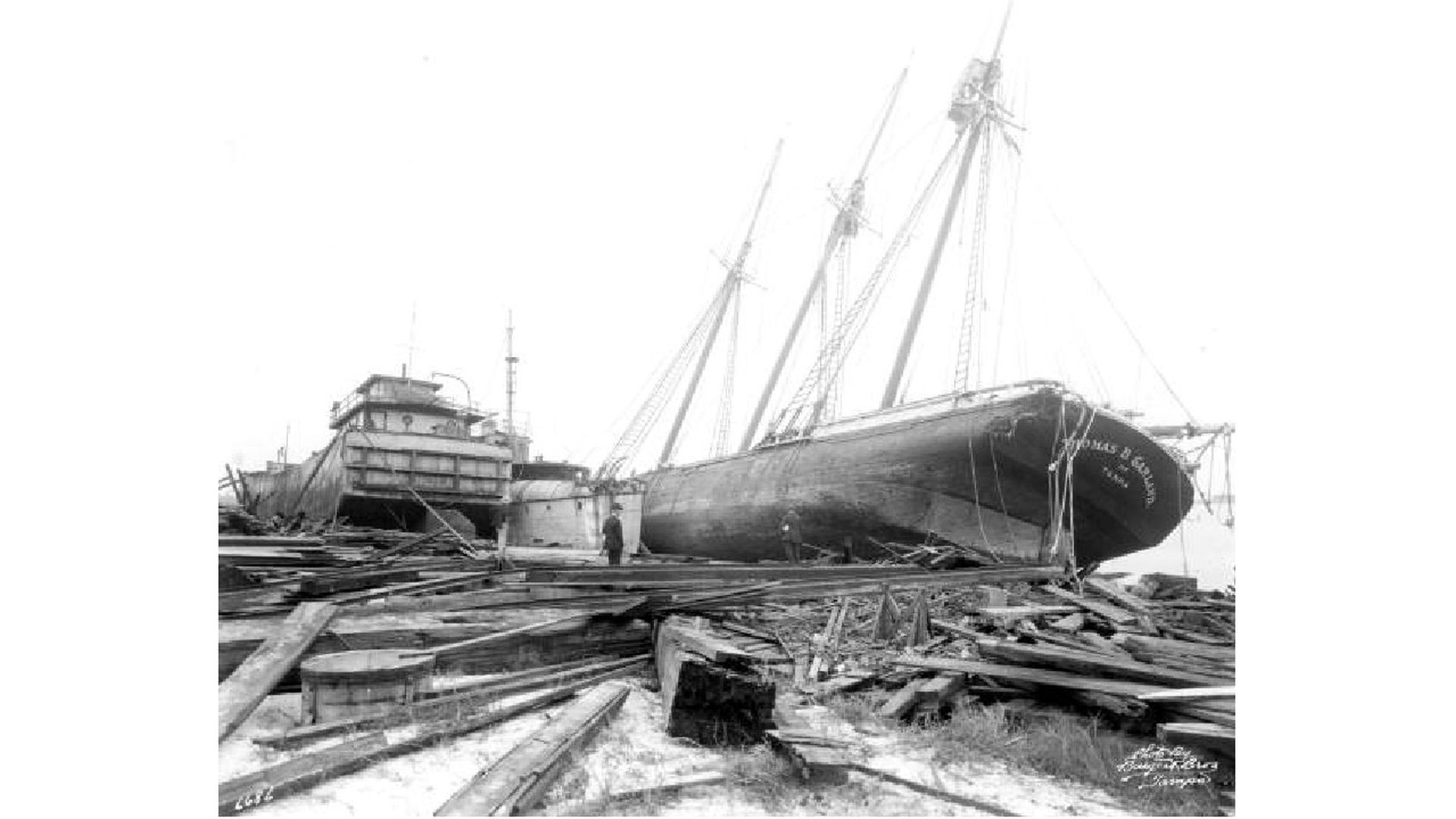
Remember little Tropical Storm Eta back in November, and the storm surge that ravaged our coastlines, sent salt water gushing into homes and garages and triggered the rescue of 33 people from high water?
👇 This was the post-Eta Riverwalk in downtown Tampa.
Eta's storm surge was 3.5 feet. The 1921 hurricane, which made landfall at Tarpon Springs, brought a reported surge of 10.5 feet.
So in these photos, picture the water over our heads.
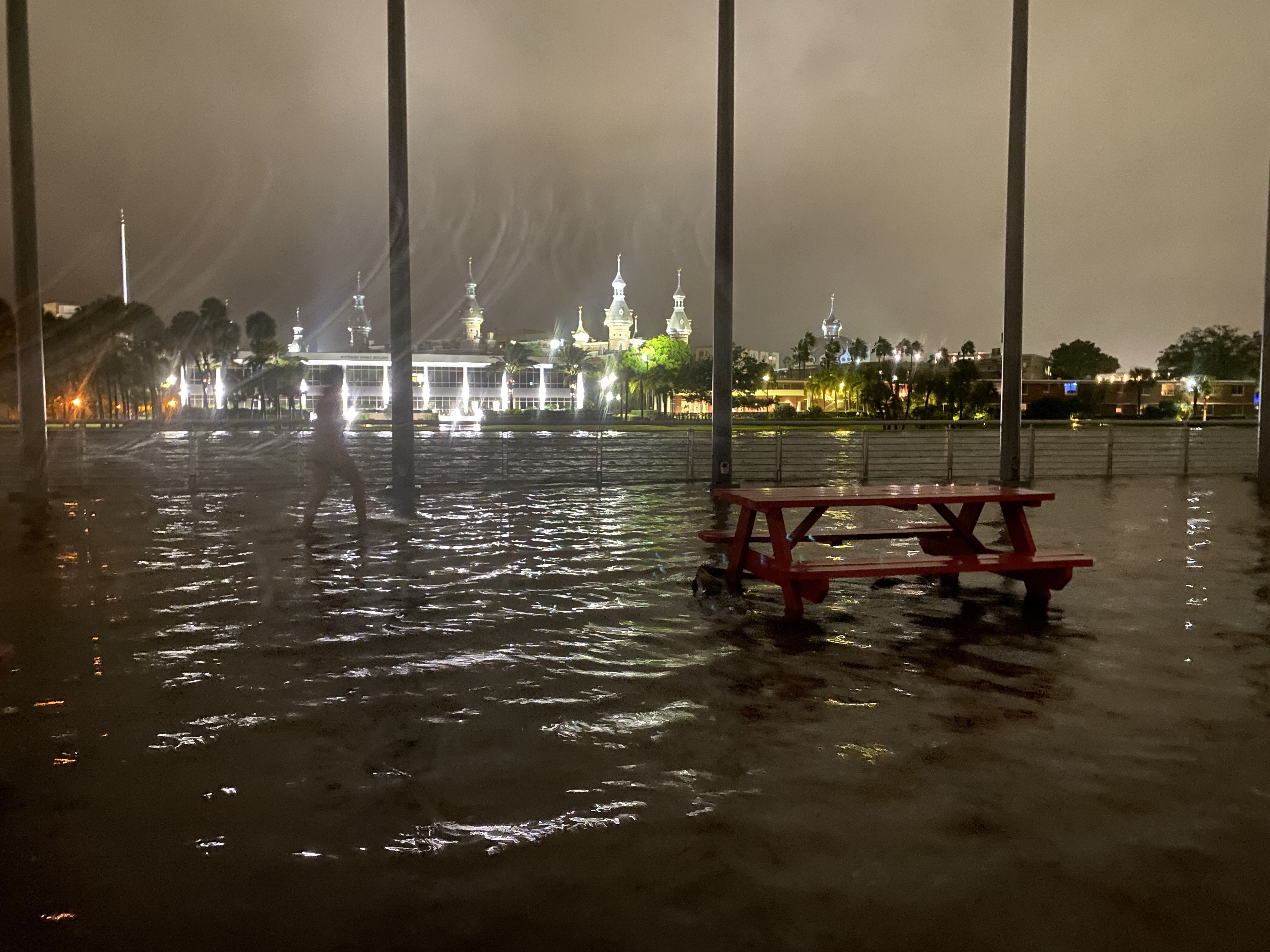
The Tampa Riverwalk fully underwater after Tropical Storm Eta's 3.5-foot storm surge. Photo: Ben Montgomery/Axios
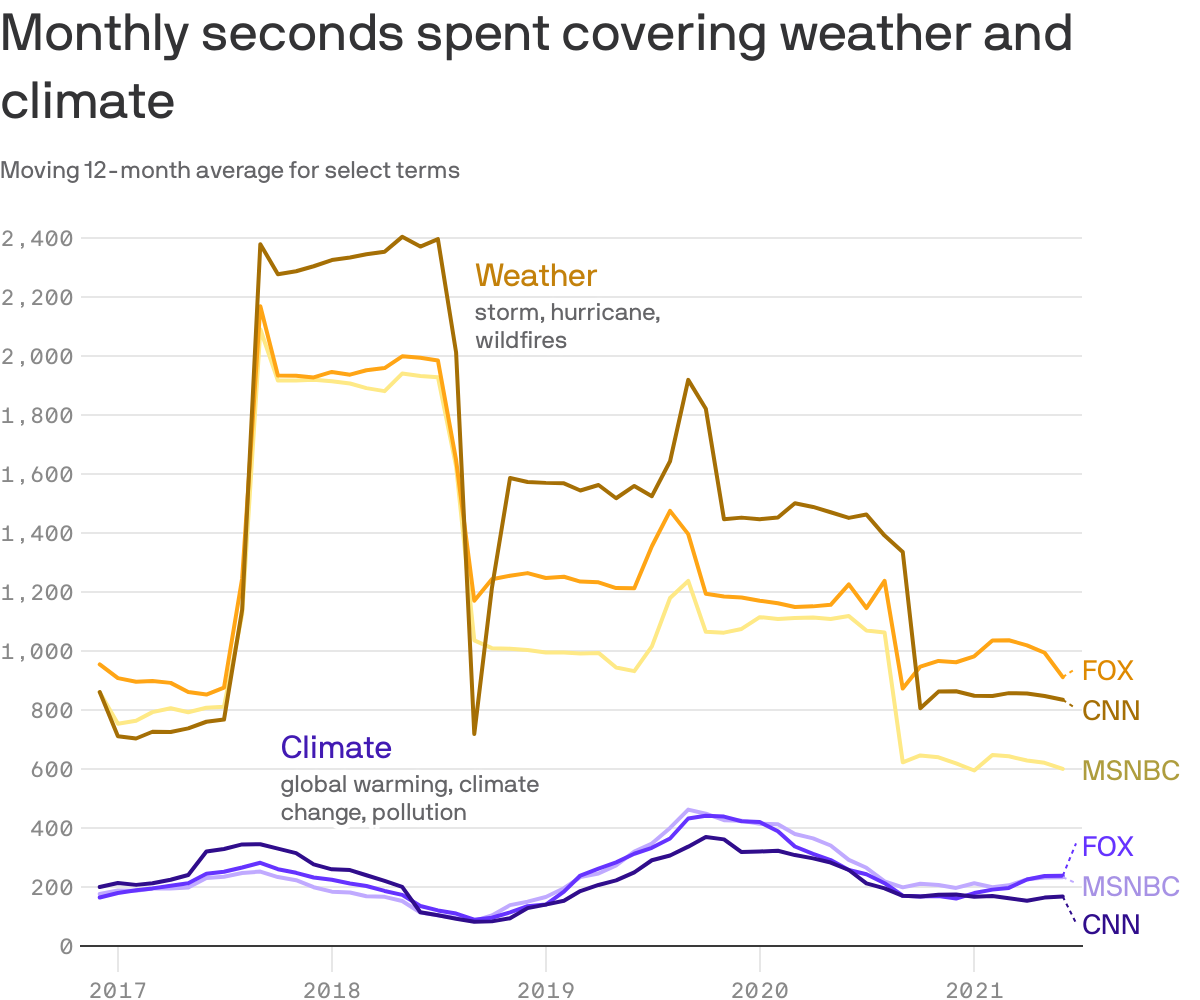
Climate-focused news initiatives are pushing media outlets to devote more coverage to the way climate change impacts extreme weather events.
Why it matters: Meteorologists and weather journalists, who worry the topic is under-covered and over-politicized, are leading these newsroom efforts in many instances.
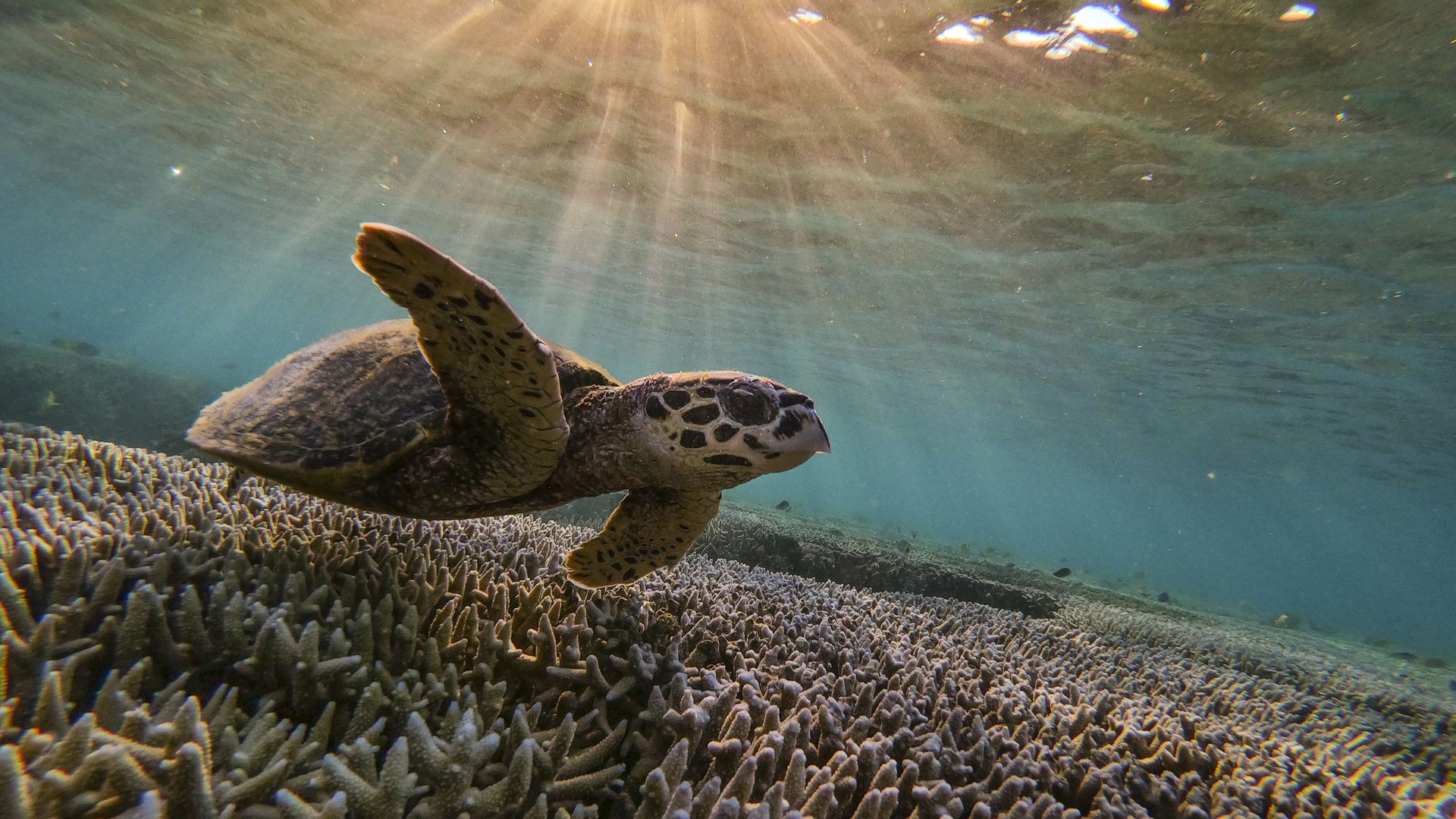
The Great Barrier Reef should be included in a list of World Heritage Sites that are "in danger" from climate change, a United Nations committee said in a report Tuesday.
Yes, but: Australia's government said it will "strongly oppose" the recommendation by UNESCO's World Heritage Committee.