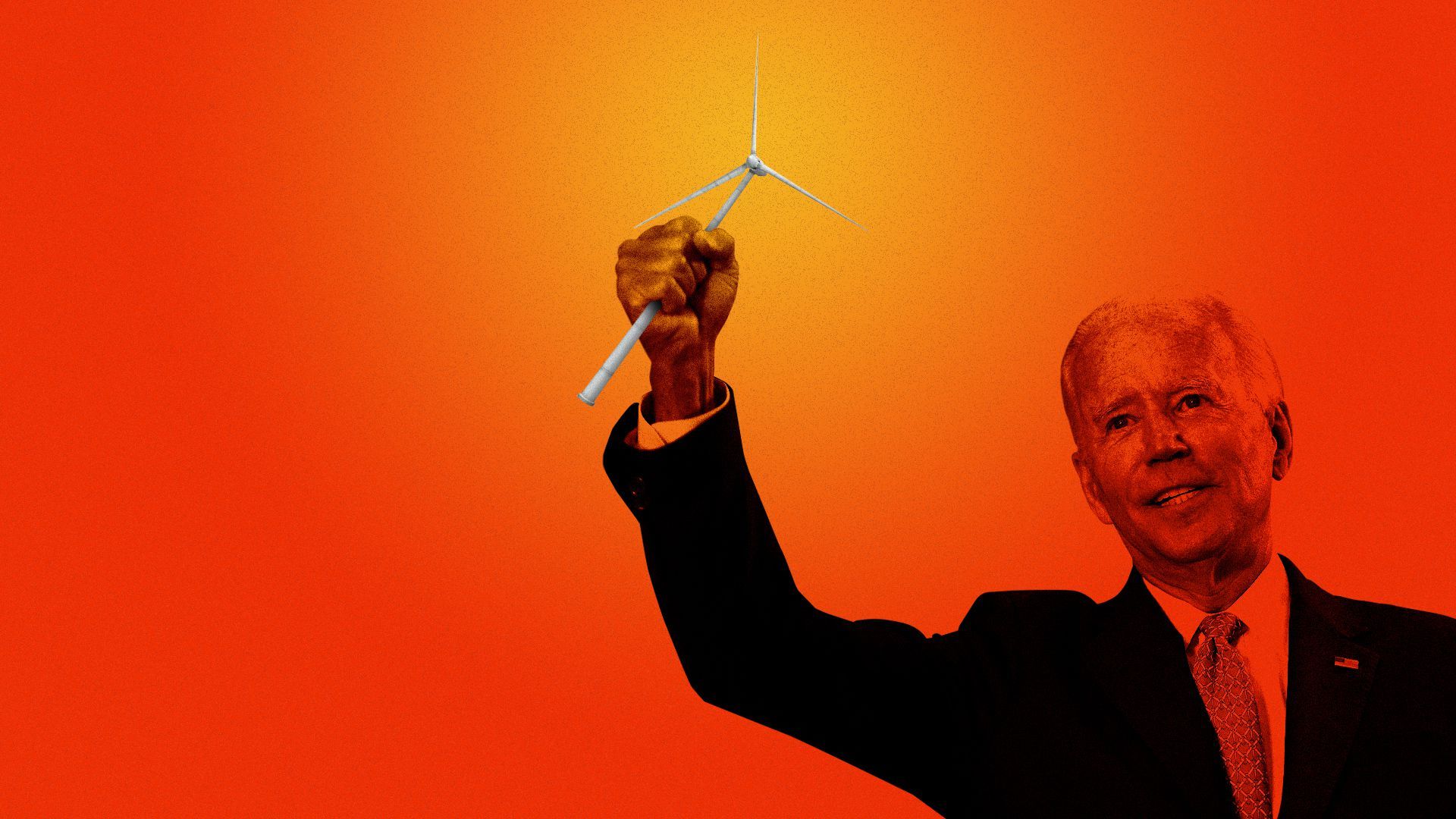
The Biden administration today gave final approval to Vineyard Wind, a project off the Massachusetts coast slated to be the country's first large-scale offshore wind farm.
Why it matters: While the green light for the long-proposed project was expected, it marks a key step in White House plans to help spur development of a suite of coastal projects off New York, New Jersey and other states.
With a moderate La Niña event in the tropical Pacific Ocean, global temperatures in 2021 are running decidedly cooler when compared to recent years.
Why it matters: The lack of a new warmest year record in 2021 could sap some of the sense of urgency among policymakers in the U.S. and abroad during a critical year for enacting stricter emissions cuts to meet the Paris Agreement's targets.
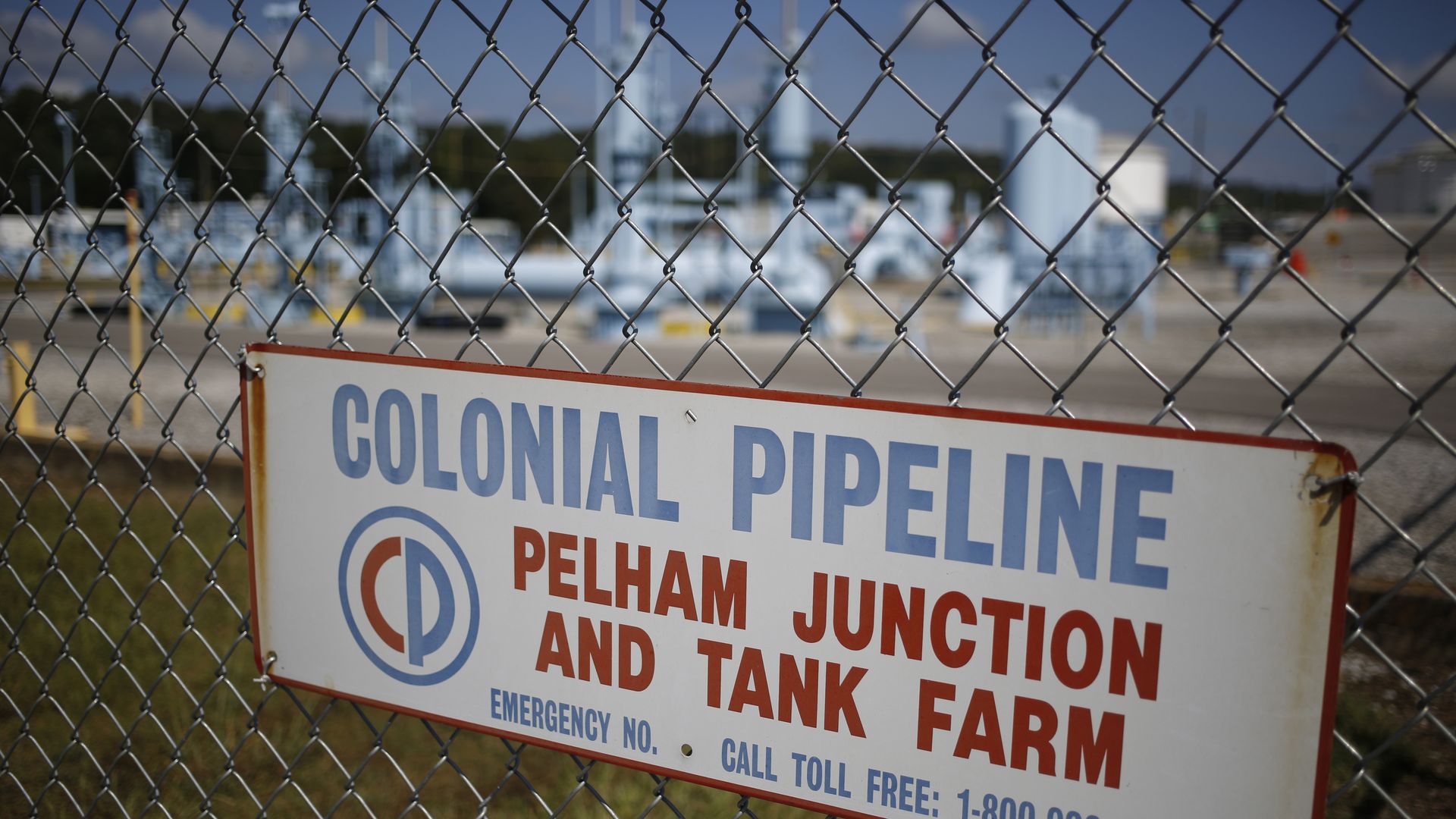
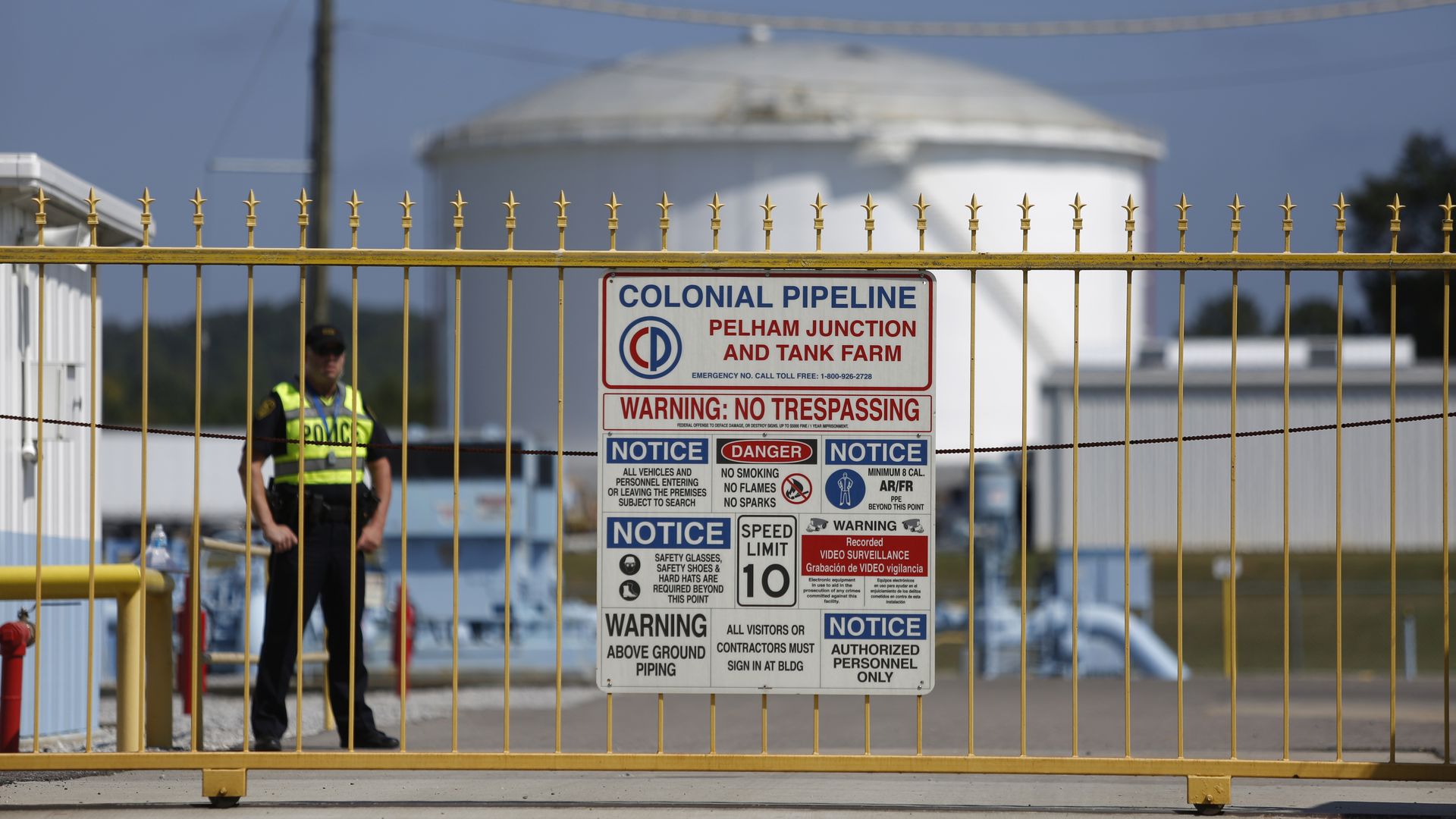
The ransomware attack against the Colonial Pipeline — the massive East Coast gasoline artery — is a stunning real-world example of the increasing risks that the energy sector faces from a cyberattack.
Why it matters: Different parts of the vast American energy system are vulnerable — from pipelines to power grids to individual power plants and plenty in between.
"We are on the cusp of a global pandemic," said Christopher Krebs, the first director of the Cybersecurity and Infrastructure Security Agency, told Congress last week. The virus causing the pandemic isn't biological, however. It's software.
Why it matters:Crippling a major U.S. oil pipeline this weekend initially looked like an act of war — but it's now looking like an increasingly normal crime, bought off-the-shelf from a "ransomware as a service" provider known as DarkSide.
Satellites gazing down at Earth from orbit are helping holdgovernments and corporations accountable for their environmental impacts.
Why it matters: Environmental agreements are hard to enforce without independently verified data. But satellites — with advances in computing — can help monitor deforestation, illegal fishing, pollution and other environmental problems with ease, helping to measure whether governments are hitting their targets.
A new project uses satellite data to track the flares from companies burning off excess natural gas.
Why it matters: Flaring releases carbon dioxide and some methane into the atmosphere, contributing to global warming and making it essential for regulators to keep close tabs on the activity.
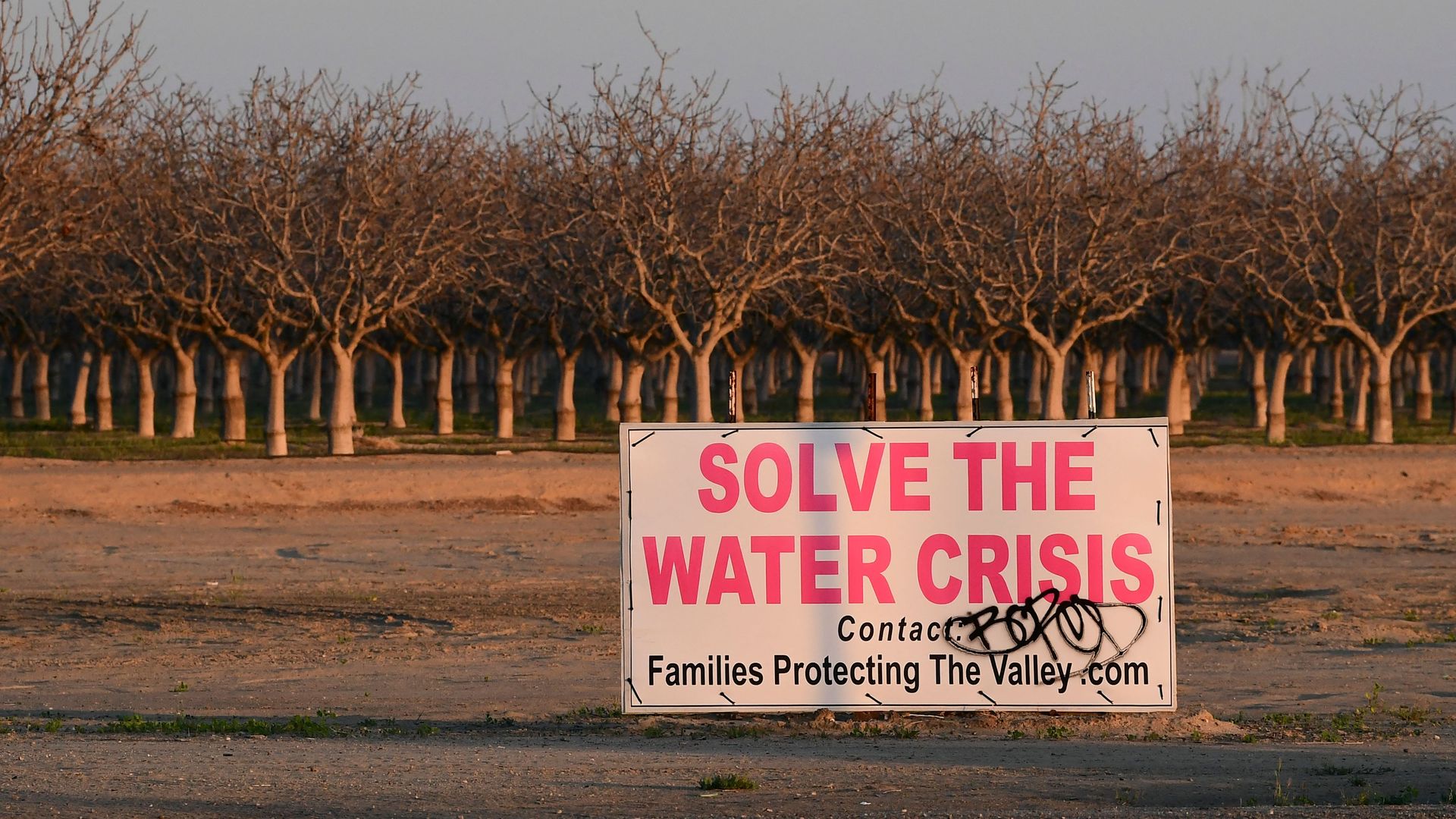
California Gov. Gavin Newsom (D) extended a drought emergency declaration to cover 41 of the state's 58 counties on Monday.
Why it matters: Most of California and the American West are experiencing an "extreme" or "exceptional" drought, per the U.S. Drought Monitor. Newsom and other officials are concerned California could experience a repeat of the catastrophic 2020 wildfire season.
The Colonial Pipeline provides around 45% of the fuel used between Florida and Maine, transporting over 100 million gallons per day. But over the weekend, a ransomware attack caused the entire pipeline to shut down.
Axios Re:cap digs into what we know about this attack, what it tells us about U.S. energy vulnerability, and what it means for transportation in the short term with energy expert Amy Myers Jaffe.
The FBI confirmed in a statement Monday that a professional cybercriminal group called DarkSide was responsible for a ransomware attack on the Colonial Pipeline network, which provides roughly 45% of the fuel used on the East Coast.
The latest: President Biden said at a press briefing that there is no evidence so far to indicate that Russia was involved in the attack, although he plans to meet with Russian President Vladimir Putin soon. Officials previously said no countries are being blamed for the attack.
Colonial Pipeline,a huge network that supplies eastern states with gasoline, diesel and other products, is shut down thanks to a major ransomware attack disclosed over the weekend.
Why it matters: Colonial is the largest refined products pipeline network in the country, transporting over 100 million gallons per day.
The U.S. International Development Finance Corp. (DFC) on Monday announced its first "chief climate officer" and his deputy as the development bank looks to use billions in financing tools to help combat global warming.
Driving the news: The chief climate officer is Jake Levine, an energy and climate expert who arrives via the law firm Covington & Burling.
The Biden administration said it's "working with" fuel pipeline operator Colonial Pipeline to try and restart operations after a ransomware attack took it offline.
Why it matters: Friday night's cyberattack is "the most significant, successful attack on energy infrastructure" known to have occurred in the U.S., notes energy researcher Amy Myers Jaffe, per Politico.











/2021/05/10/1620654402930.gif?w=3840)