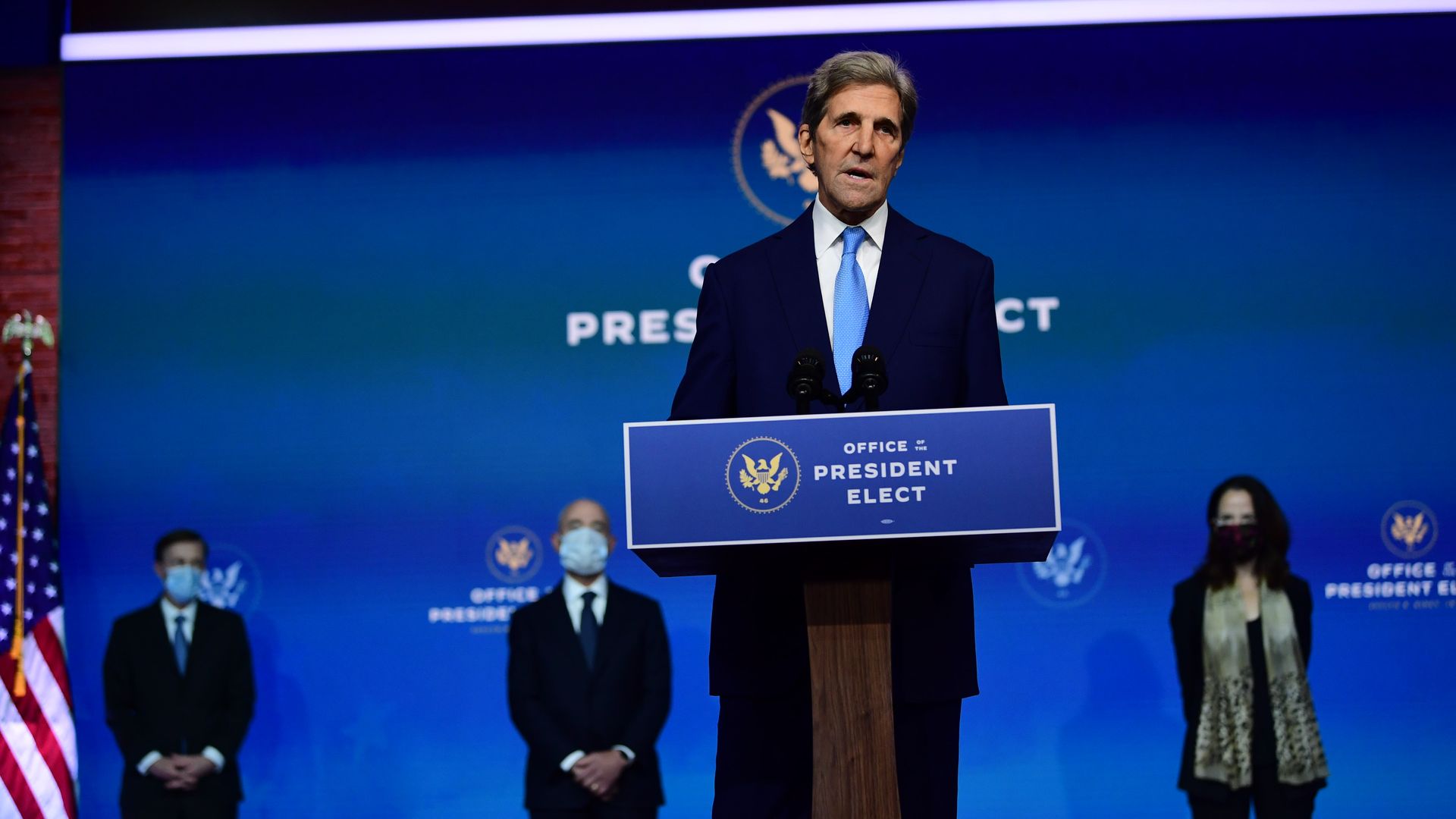
President-elect Joe Biden is expected to tap former Michigan Gov. Jennifer Granholm to serve as secretary of energy, people familiar with the matter tell Axios.
Why it matters: Granholm will play a key role in making good on Biden’s promise to shift the U.S. to clean energy. Her prior experience in the auto industry is largely seen as a strength that will appeal to blue-collar workers, Politico, which first reported the news, writes.
A major Princeton University-led analysis concludes there's a range of economically beneficial and technologically feasible options for reaching "net-zero" U.S. greenhouse gas emissions by 2050 — but big investments and supportive policies would need to begin now.
The big picture: President-elect Joe Biden has embedded that 2050 target in his plan, and a number of states and major corporations share that goal or similar ones. More broadly, net-zero emissions by midcentury is considered a global goal for avoiding some of the most damaging effects of climate change.
The Federal Reserve said Tuesday that it has joined a three-year-old network of central banks working to manage climate-related risks to the financial system and help mobilize low-carbon investments.
Why it matters: The Fed board's unanimous vote to join the Network of Central Banks and Supervisors for Greening the Financial System shows how the Fed has increasingly been devoting attention to the topic.
Progressives are demanding Joe Biden's domestic climate policy czar, who he is expected to name this week, have "direct access to the president" and "wide-reaching power," according to a memo to Biden transition officials obtained by Axios.
Why it matters: After focusing on personnel and policy, progressives are pivoting to focus on other ways to wield power with the Biden-Harris administration — including spelling out explicit demands.
The latest IEA analysis of oil markets provides a window into how long it will take for life to return to normal despite the arrival of COVID-19 vaccines.
Driving the news: This morning the agency slightly trimmed its 2021 oil demand outlook even further.
All kinds of strange things can happen in a lame-duck session — ahead of a White House transition no less — and apparently a bipartisan energy deal is among them.
Driving the news: Per multiple reports (like this Washington Examiner piece) and some of Axios' own sourcing, lawmakers are closing in on an agreement on a package that would be attached to an omnibus spending deal moving through Congress.
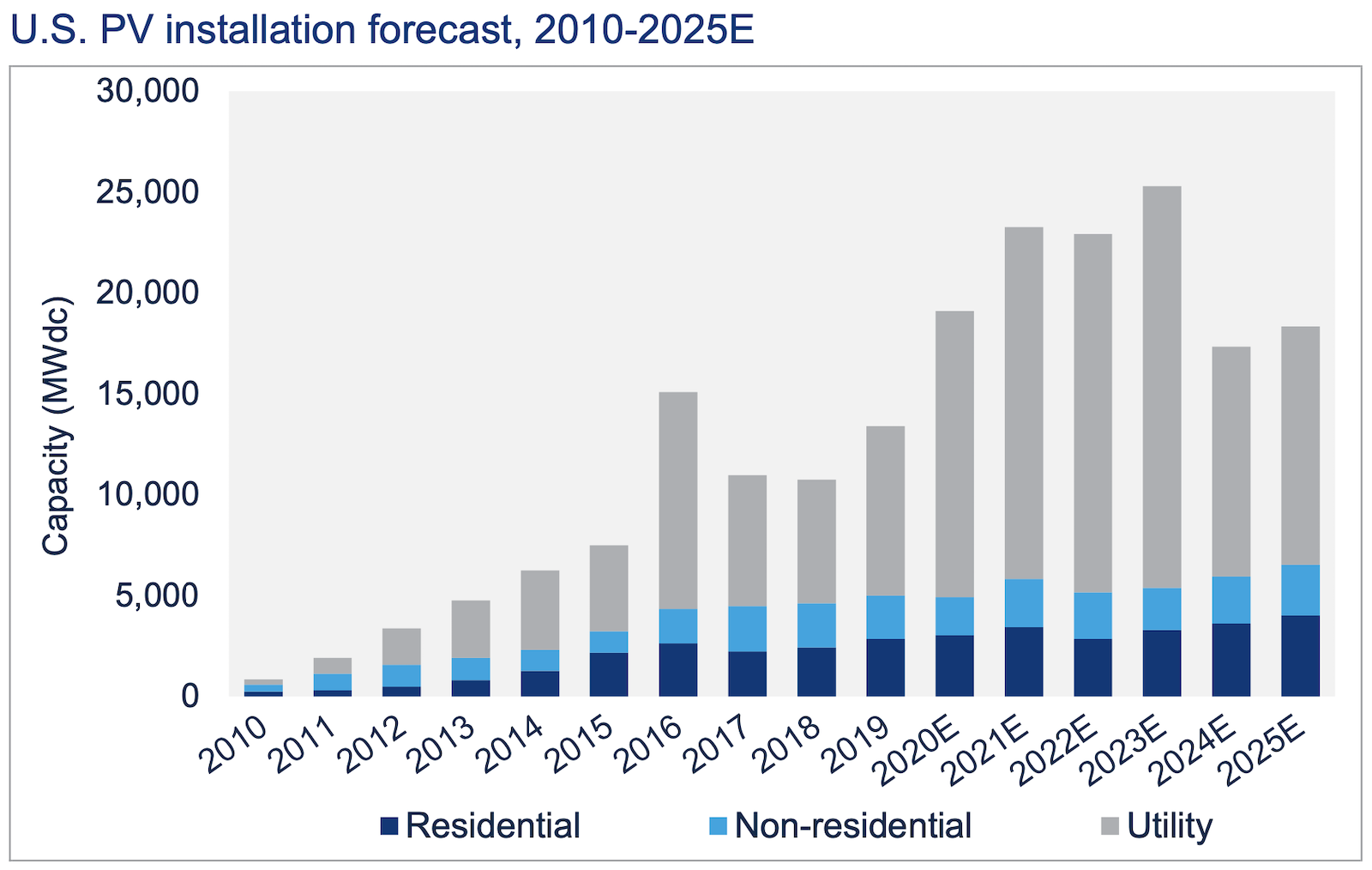
New data released this morning shows that total U.S. solar installations will reach a new record this year.
Why it matters: It's one of several recent signs that the trajectory of the renewables sector has been less hampered by COVID-19 than initially feared.
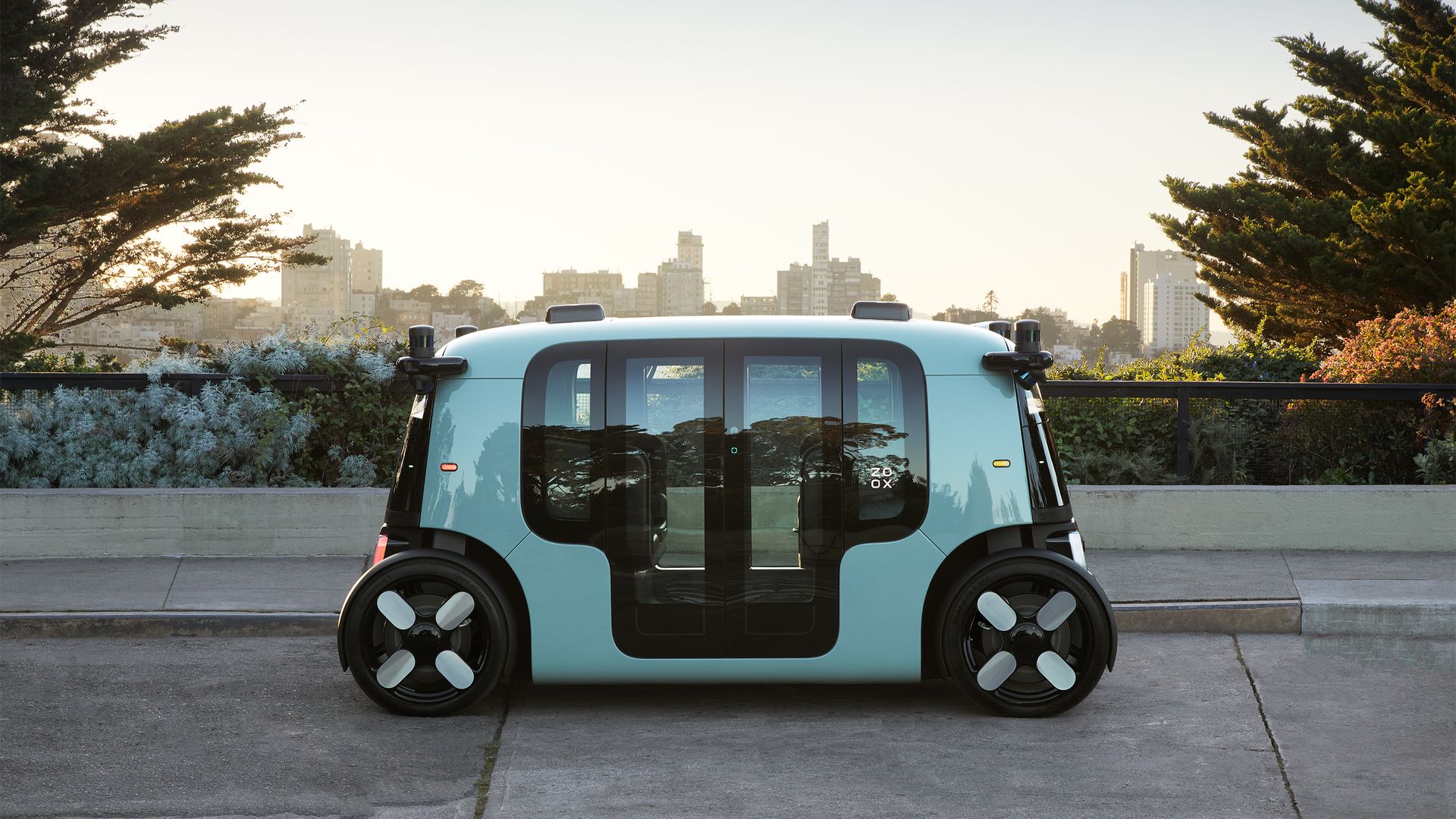
Amazon-backed Zoox unveiled on Monday its version of the future of transportation: an autonomous electric vehicle with no steering wheel that might one day be summoned with a ride-hailing app.
Why it matters: It's an important milestone for Zoox, which has ambitious plans to launch an urban robotaxi service using purpose-built vehicles designed and built in-house. Those efforts received a boost in June when Amazon acquired the six-year-old startup for a reported $1.2 billion.
Exxon unveiled new targets on Monday for reining in greenhouse gas emissions in the coming years.
Why it matters: Exxon and Chevron are the two most powerful U.S. based multinational oil giants, and face increasing pressure from activists and investors to take stronger steps on climate.
A new battery material design relying on more nickel could lead to electric vehicle power systems that are cheaper and offer greater range.
Why it matters: Today's batteries are often bulky and expensive, provide limited range and rely on rare materials that are often sourced from conflict-torn regions.
A group of Europe's largest commercial truck manufacturers are about to announce plans to end sales of fossil-fuel-powered models by 2040, the Financial Times reports.
Driving the news: "An alliance of Daimler, Scania, Man, Volvo, Daf, Iveco and Ford have signed a pledge to phase out traditional combustion engines and focus on hydrogen, battery technology and clean fuels," according to the FT. Scania's chief executive, Henrik Henriksson, tells the FT that the industry may pour well over $100 billion into the effort.
Julian Brave NoiseCat, an expert at a progressive think tank, doesn’t like nuclear power, but he’s willing to support it because of climate change.
Why he matters: NoiseCat personifies a shift in mindset among individuals, corporations and governments that’s set to accelerate under President-elect Joe Biden: The urgency of climate change is compelling support for controversial technologies.