Oil giant BP said this morning that it has taken a majority stake in Finite Carbon, a U.S.-based company that according to BP is the country's largest developer of forest carbon offsets.
Why it matters: BP, which made a $5 million investment in the firm's parent last year, said the new deal would help the company expand and reach new markets. The size of the deal was not disclosed.
ZeroAvia, a startup looking to commercialize hydrogen fuel cell-powered aviation, secured over $21 million from backers including the Bill Gates-led Breakthrough Energy Ventures, Amazon and Shell.
Why it matters: Aviation is a substantial source of carbon emissions and finding ways to wring emissions from the sector is a big challenge, so these efforts are worth watching.
The incoming Joe Bidenadministration just filled in some of the biggest blanks on its energy and climate team, and the decisions say plenty about its approach.
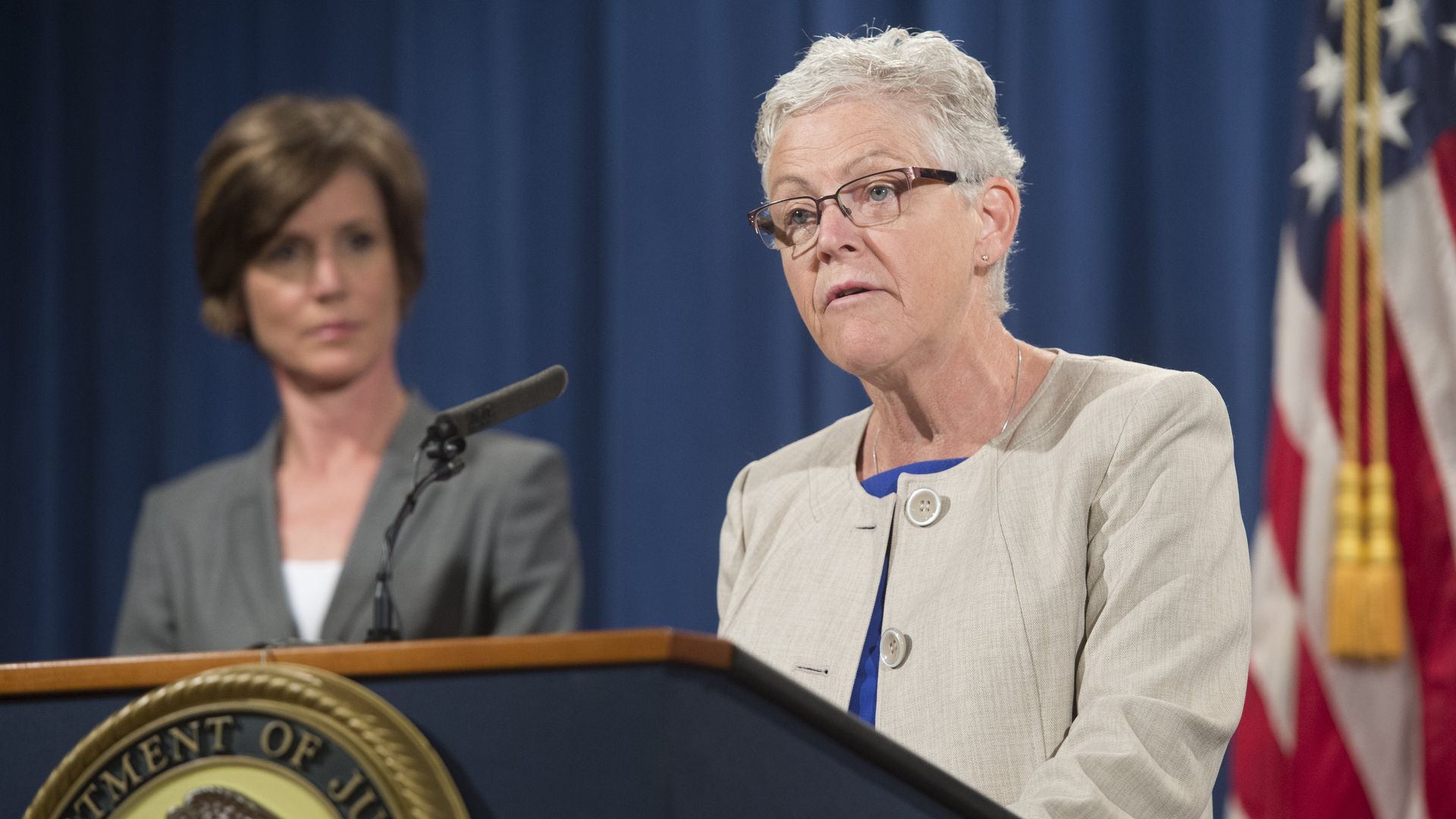
Catch up fast: Obama-era EPA boss Gina McCarthy is slated to be named Biden's White House domestic climate policy adviser to lead a government-wide policy push.
President-elect Joe Biden will tap Gina McCarthy, who led the Environmental Protection Agency under former President Obama, as White House climate czar, according to a person familiar with the news and multiple reports.
Driving the news: McCarthy will manage domestic climate policy alongside her deputy, Ali Zaidi, New York's current deputy secretary for energy and environment, as first reported by the Washington Post.
President-elect Joe Biden is expected to tap former Michigan Gov. Jennifer Granholm to serve as secretary of energy, people familiar with the matter tell Axios.
Why it matters: Granholm will play a key role in making good on Biden’s promise to shift the U.S. to clean energy. Her prior experience in the auto industry is largely seen as a strength that will appeal to blue-collar workers, Politico, which first reported the news, writes.
A major Princeton University-led analysis concludes there's a range of economically beneficial and technologically feasible options for reaching "net-zero" U.S. greenhouse gas emissions by 2050 — but big investments and supportive policies would need to begin now.
The big picture: President-elect Joe Biden has embedded that 2050 target in his plan, and a number of states and major corporations share that goal or similar ones. More broadly, net-zero emissions by midcentury is considered a global goal for avoiding some of the most damaging effects of climate change.
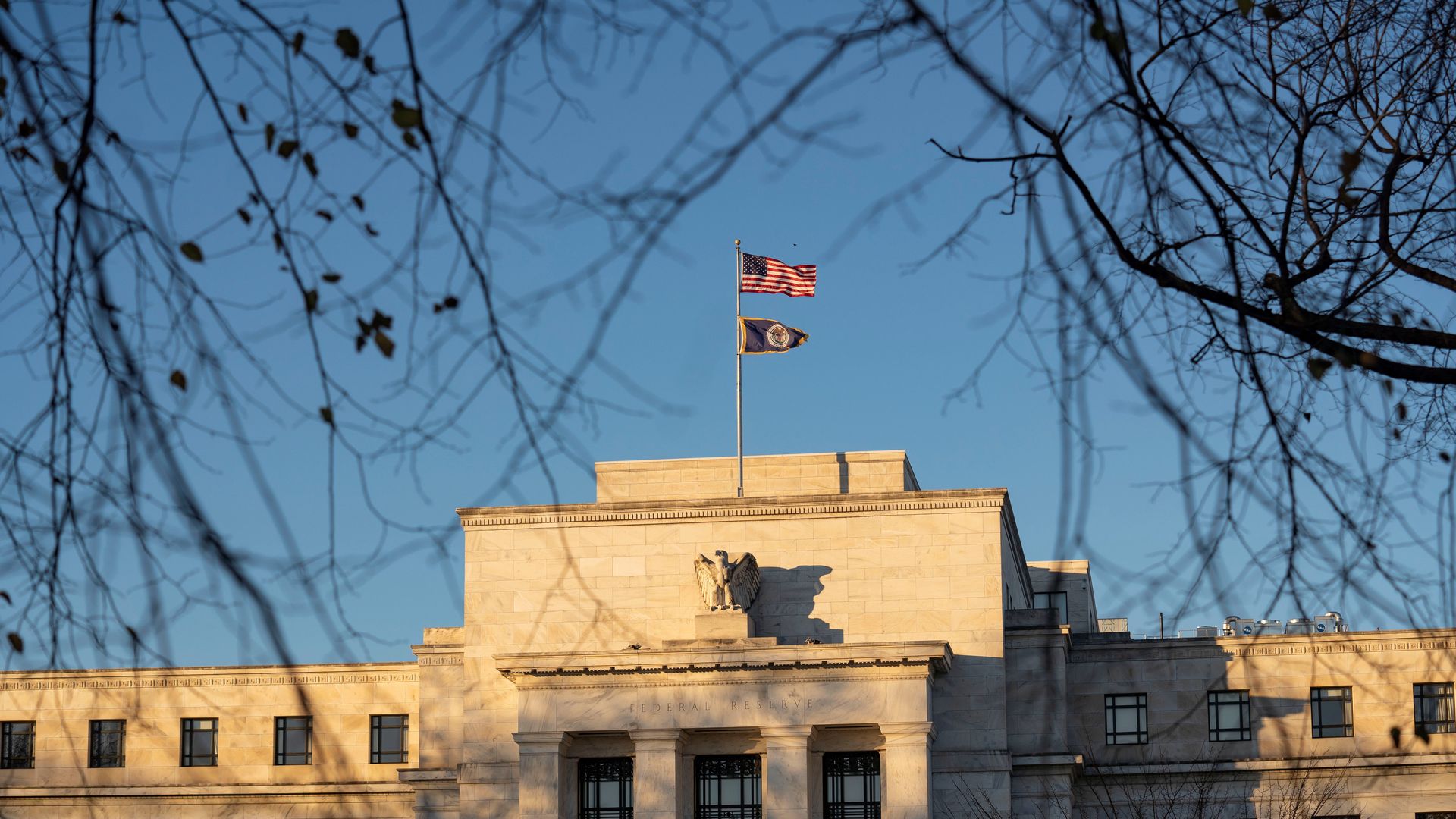
The Federal Reserve said Tuesday that it has joined a three-year-old network of central banks working to manage climate-related risks to the financial system and help mobilize low-carbon investments.
Why it matters: The Fed board's unanimous vote to join the Network of Central Banks and Supervisors for Greening the Financial System shows how the Fed has increasingly been devoting attention to the topic.
Progressives are demanding Joe Biden's domestic climate policy czar, who he is expected to name this week, have "direct access to the president" and "wide-reaching power," according to a memo to Biden transition officials obtained by Axios.
Why it matters: After focusing on personnel and policy, progressives are pivoting to focus on other ways to wield power with the Biden-Harris administration — including spelling out explicit demands.
The latest IEA analysis of oil markets provides a window into how long it will take for life to return to normal despite the arrival of COVID-19 vaccines.
Driving the news: This morning the agency slightly trimmed its 2021 oil demand outlook even further.
All kinds of strange things can happen in a lame-duck session — ahead of a White House transition no less — and apparently a bipartisan energy deal is among them.
Driving the news: Per multiple reports (like this Washington Examiner piece) and some of Axios' own sourcing, lawmakers are closing in on an agreement on a package that would be attached to an omnibus spending deal moving through Congress.
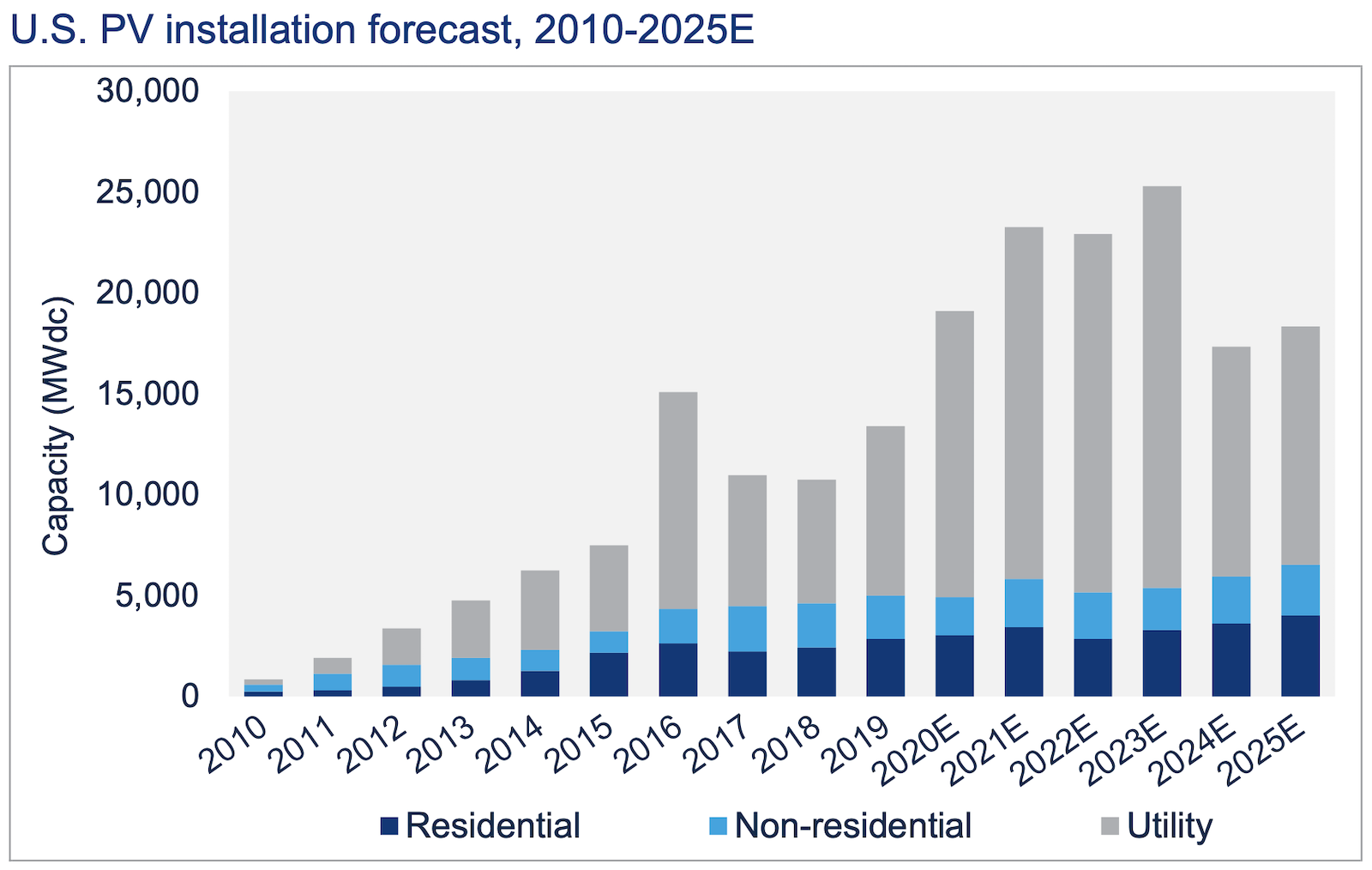
New data released this morning shows that total U.S. solar installations will reach a new record this year.
Why it matters: It's one of several recent signs that the trajectory of the renewables sector has been less hampered by COVID-19 than initially feared.