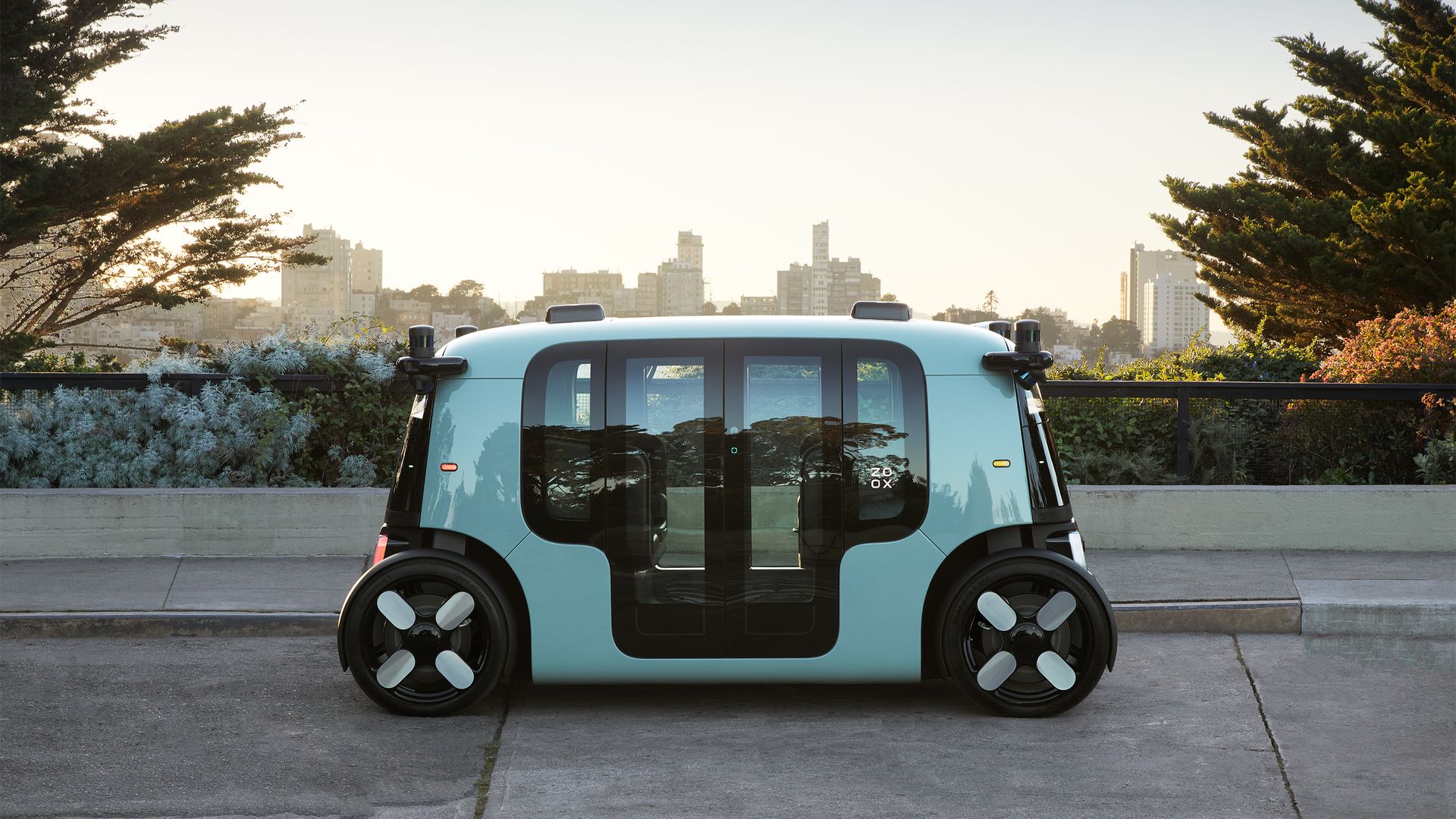
Amazon-backed Zoox unveiled on Monday its version of the future of transportation: an autonomous electric vehicle with no steering wheel that might one day be summoned with a ride-hailing app.
Why it matters: It's an important milestone for Zoox, which has ambitious plans to launch an urban robotaxi service using purpose-built vehicles designed and built in-house. Those efforts received a boost in June when Amazon acquired the six-year-old startup for a reported $1.2 billion.
Exxon unveiled new targets on Monday for reining in greenhouse gas emissions in the coming years.
Why it matters: Exxon and Chevron are the two most powerful U.S. based multinational oil giants, and face increasing pressure from activists and investors to take stronger steps on climate.
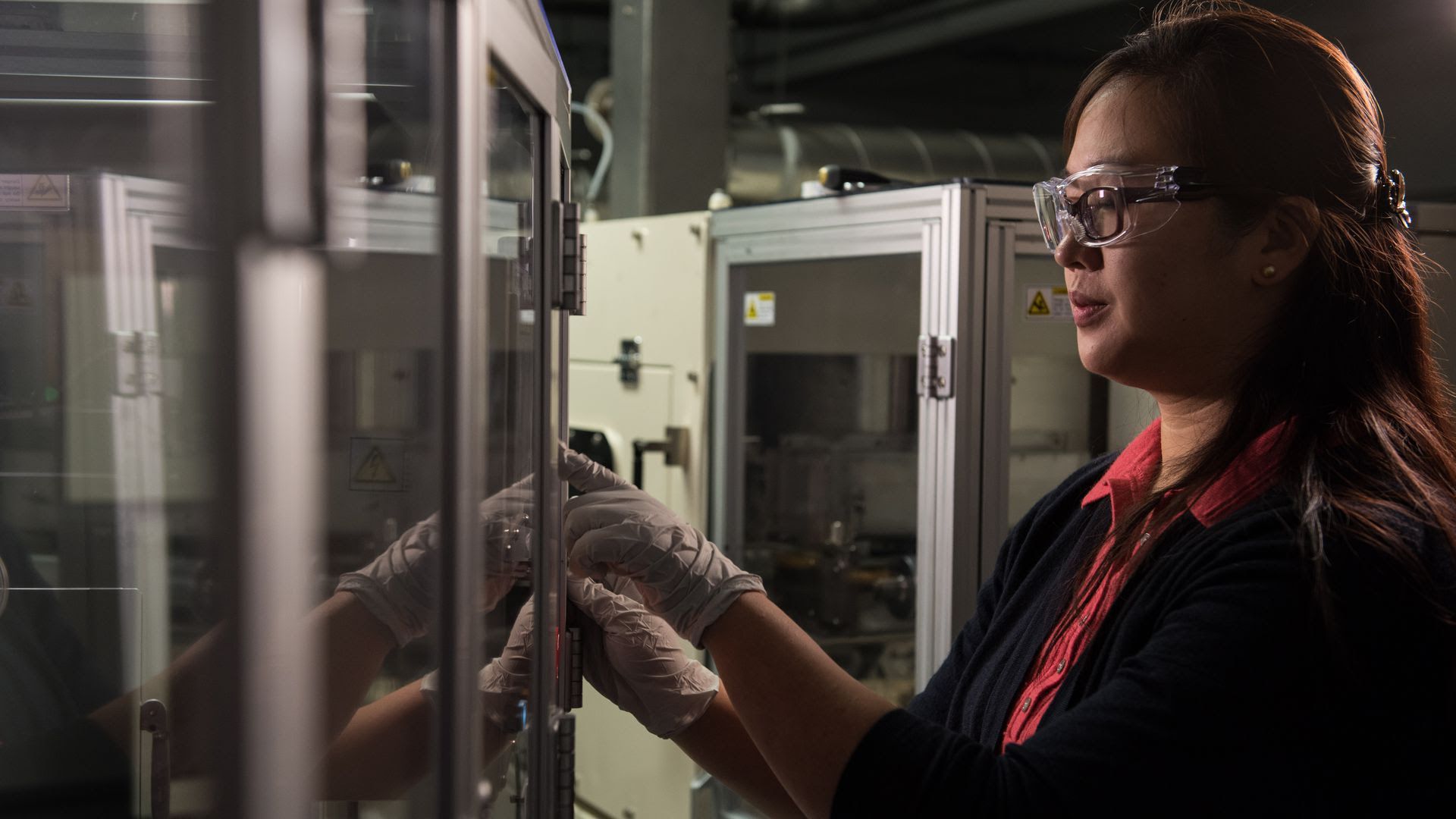
A new battery material design relying on more nickel could lead to electric vehicle power systems that are cheaper and offer greater range.
Why it matters: Today's batteries are often bulky and expensive, provide limited range and rely on rare materials that are often sourced from conflict-torn regions.
A group of Europe's largest commercial truck manufacturers are about to announce plans to end sales of fossil-fuel-powered models by 2040, the Financial Times reports.
Driving the news: "An alliance of Daimler, Scania, Man, Volvo, Daf, Iveco and Ford have signed a pledge to phase out traditional combustion engines and focus on hydrogen, battery technology and clean fuels," according to the FT. Scania's chief executive, Henrik Henriksson, tells the FT that the industry may pour well over $100 billion into the effort.
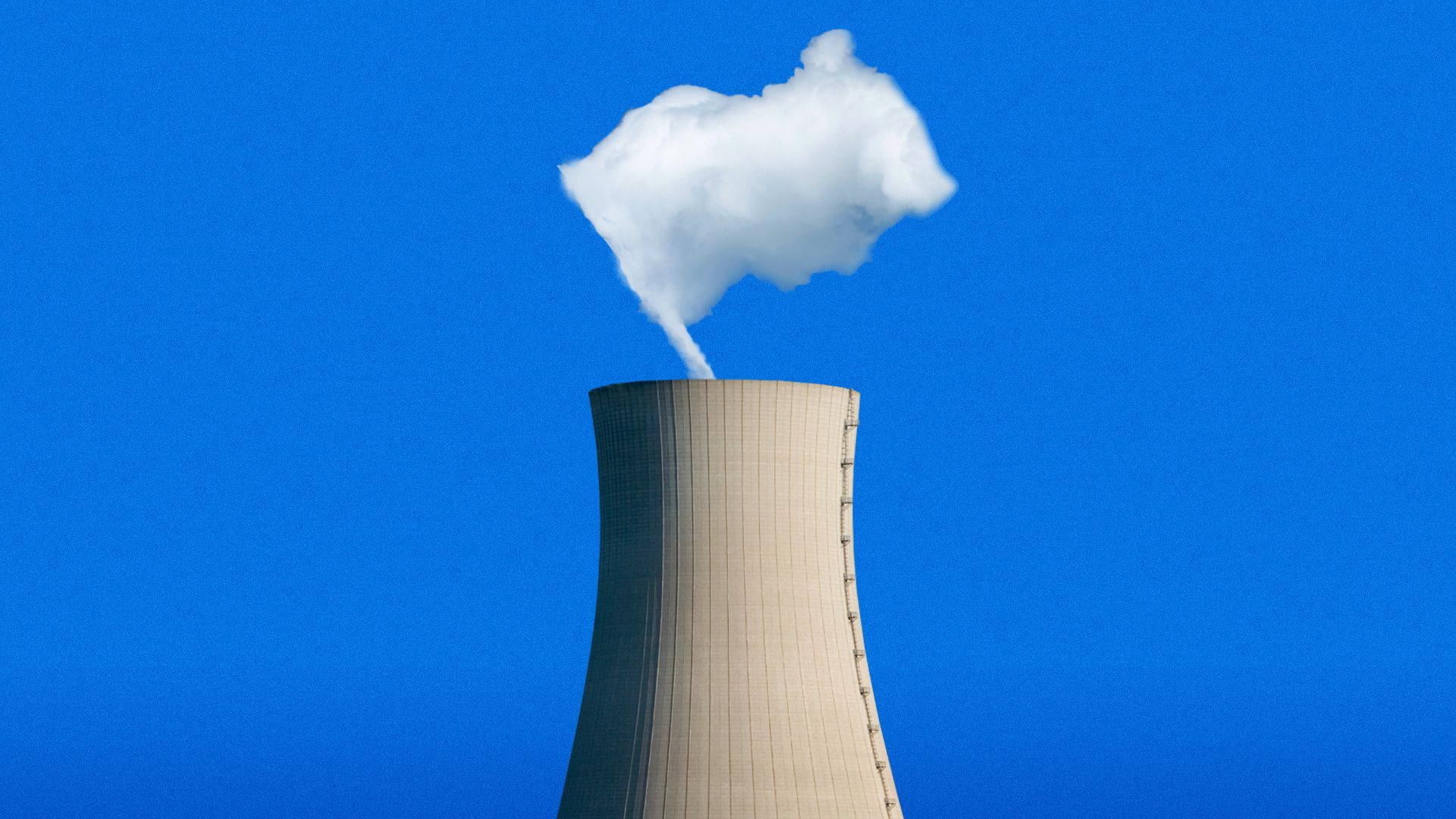
Julian Brave NoiseCat, an expert at a progressive think tank, doesn’t like nuclear power, but he’s willing to support it because of climate change.
Why he matters: NoiseCat personifies a shift in mindset among individuals, corporations and governments that’s set to accelerate under President-elect Joe Biden: The urgency of climate change is compelling support for controversial technologies.