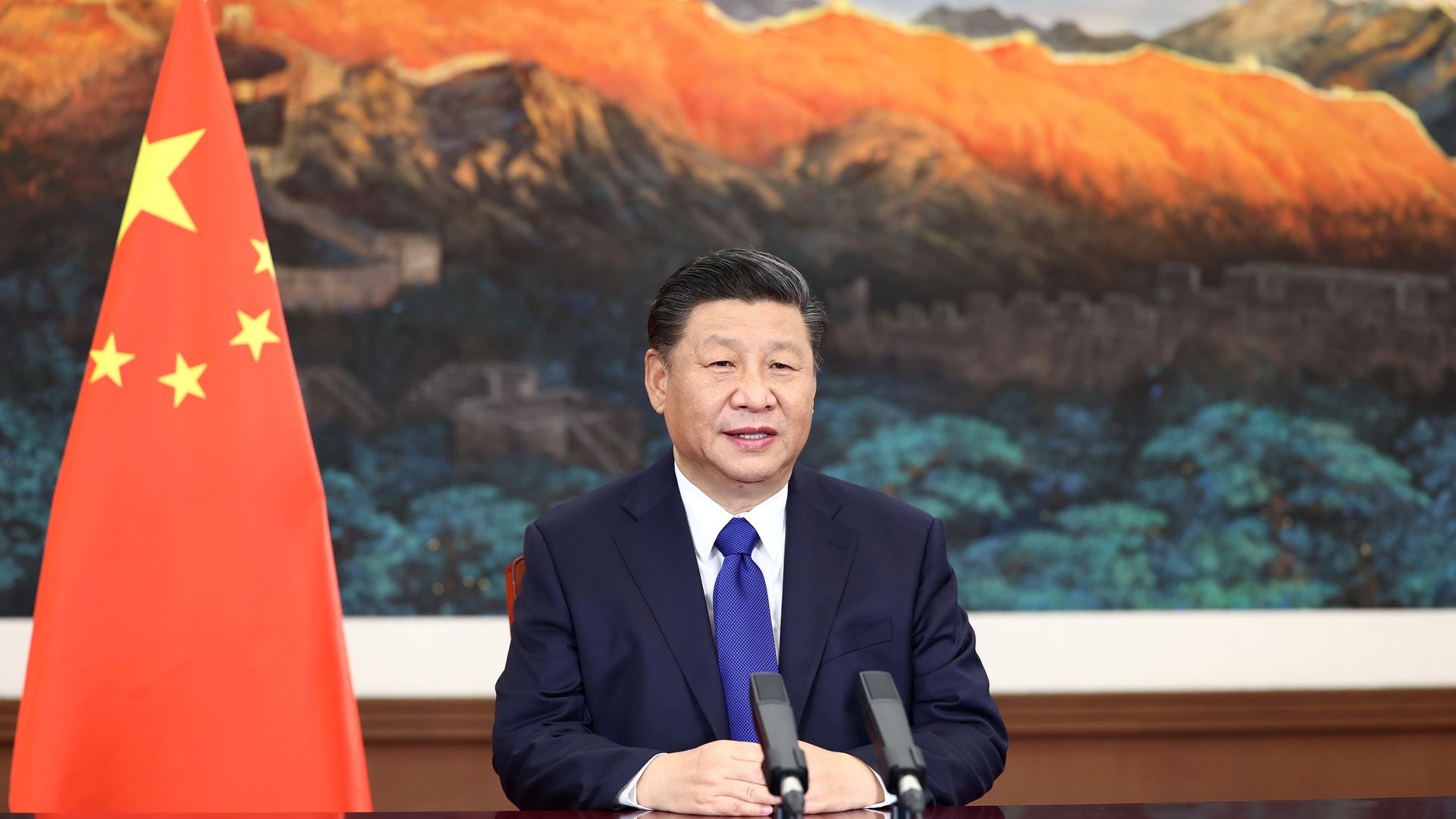
Chinese President Xi Jinping on Saturday pledged to cut carbon emissions per unit of economic output by over 65% by 2030 and boost the share of nonfossil fuels in energy consumption to roughly 25% by then.
Why it matters: China is by far the world’s largest greenhouse gas emitter, and the announcement offers new specifics about the country’s existing climate targets. However, the pledge includes a slightly strengthened emissions intensity target, and some environmentalists’ immediate response to the overall package was lukewarm.
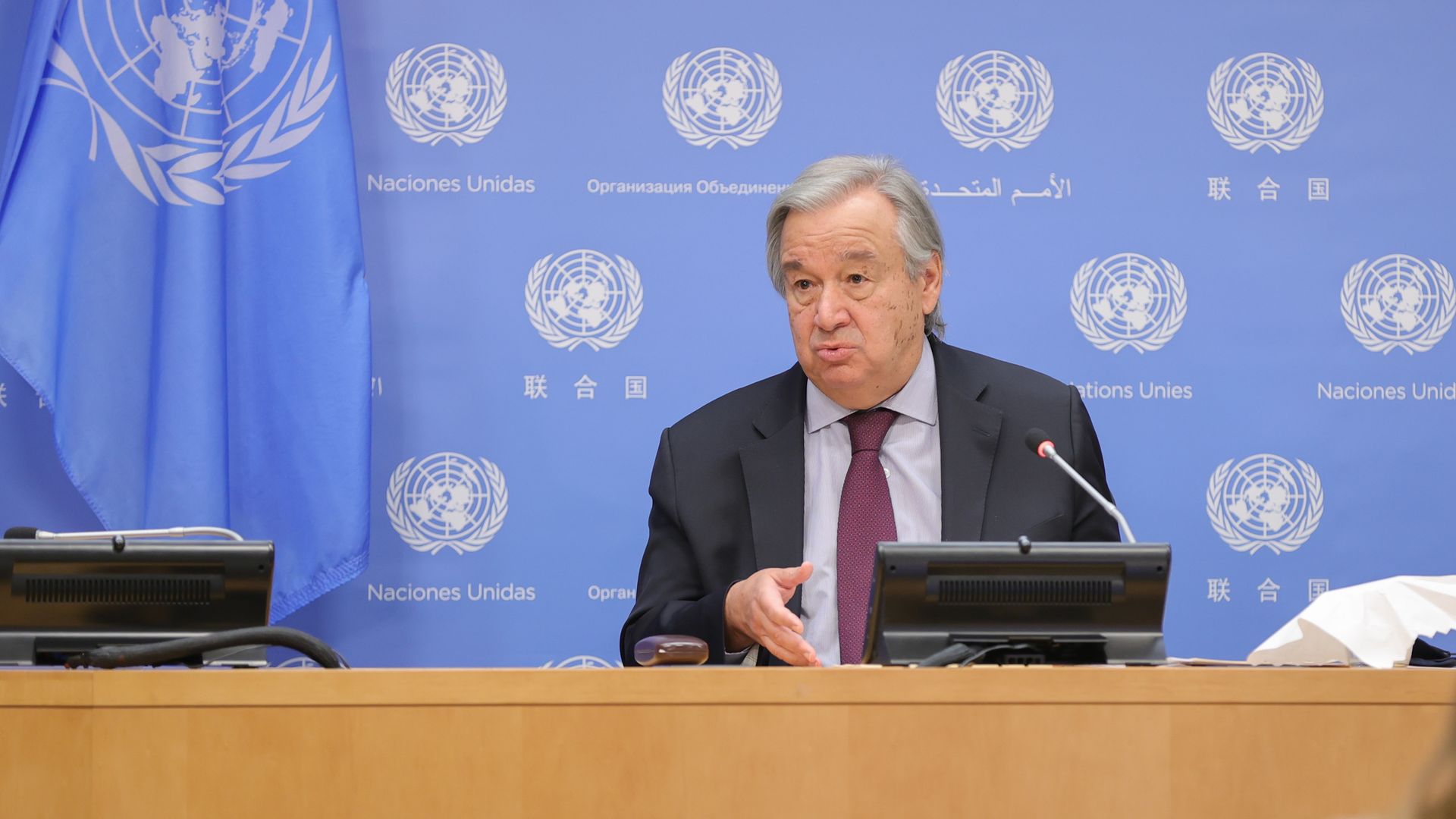
United Nations Secretary-General Antonio Guterres on Saturday implored world leaders to declare states of "climate emergency" until "carbon neutrality is reached," per Reuters.
What he's saying: Speaking at a virtual summit on the fifth anniversary of the Paris climate agreement, Guterres criticized wealthy countries for spending 50% more of their pandemic recovery cash on fossil fuel production and consumption, as opposed to low-carbon energy.
Corporate carbon pledges arrive so fast it's hard to keep up, so here's one way to bushwhack through them: Ignore the splashy top-line and look at what they're doing soon.
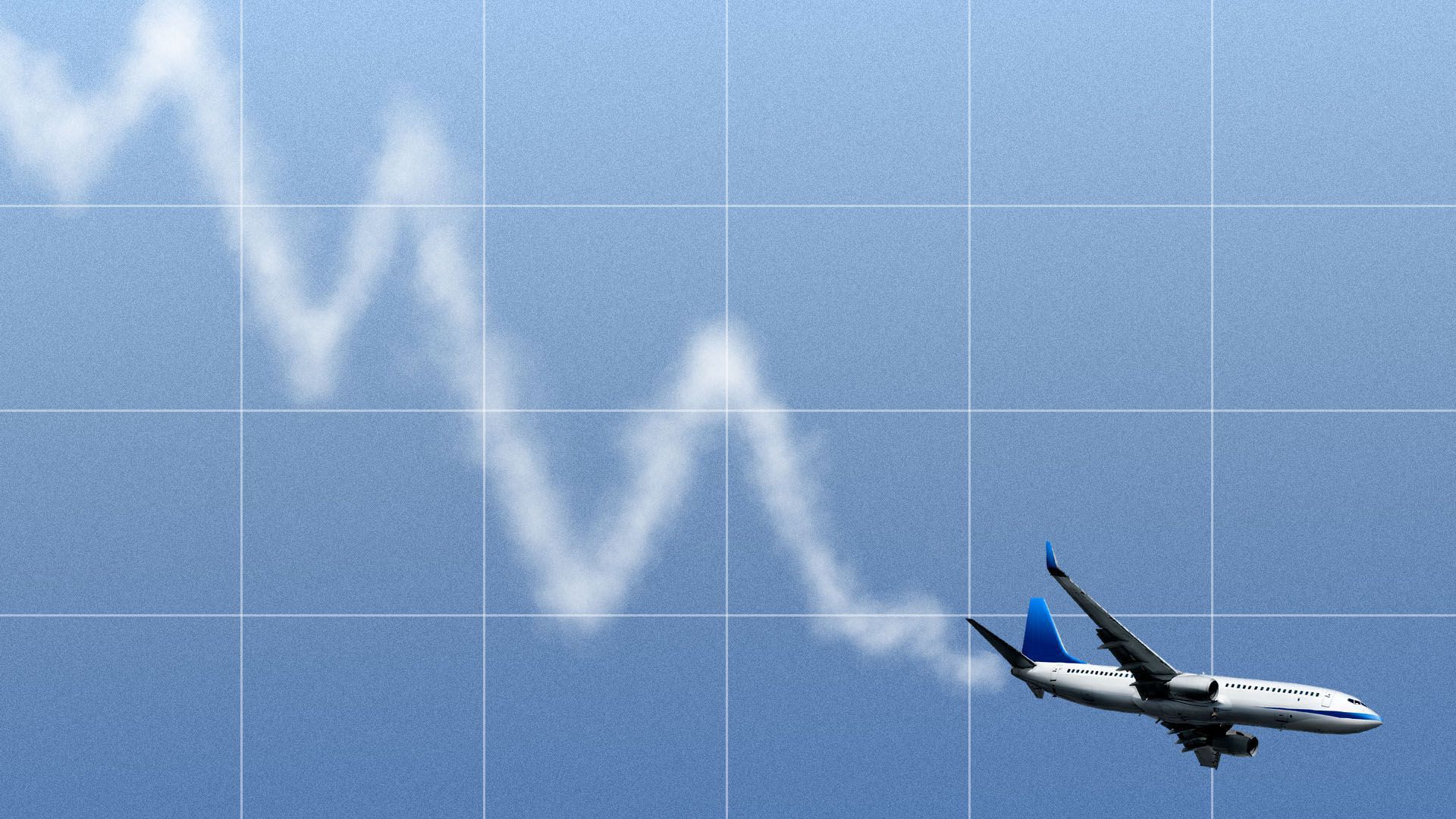
Driving the news: United Airlines yesterday vowed to cut its emissions by 100% by 2050 — but also described the more immediate step of pouring millions into efforts to commercialize nascent direct air capture technology.
Another political battle is brewing over how financial regulators and banks deal with the risks of climate change.
Driving the news: Nearly 50 GOP House members this week fired a shot across the Federal Reserve's bow as the central bank increases its focus on climate.
Newly published research shows that global CO2 emissions dropped an estimated 7% this year as the pandemic curtailed travel and economic activity.
Why it matters: It's a record decline, according to the Global Carbon Project research consortium, with transportation-related emissions accounting for the largest share of the drop.
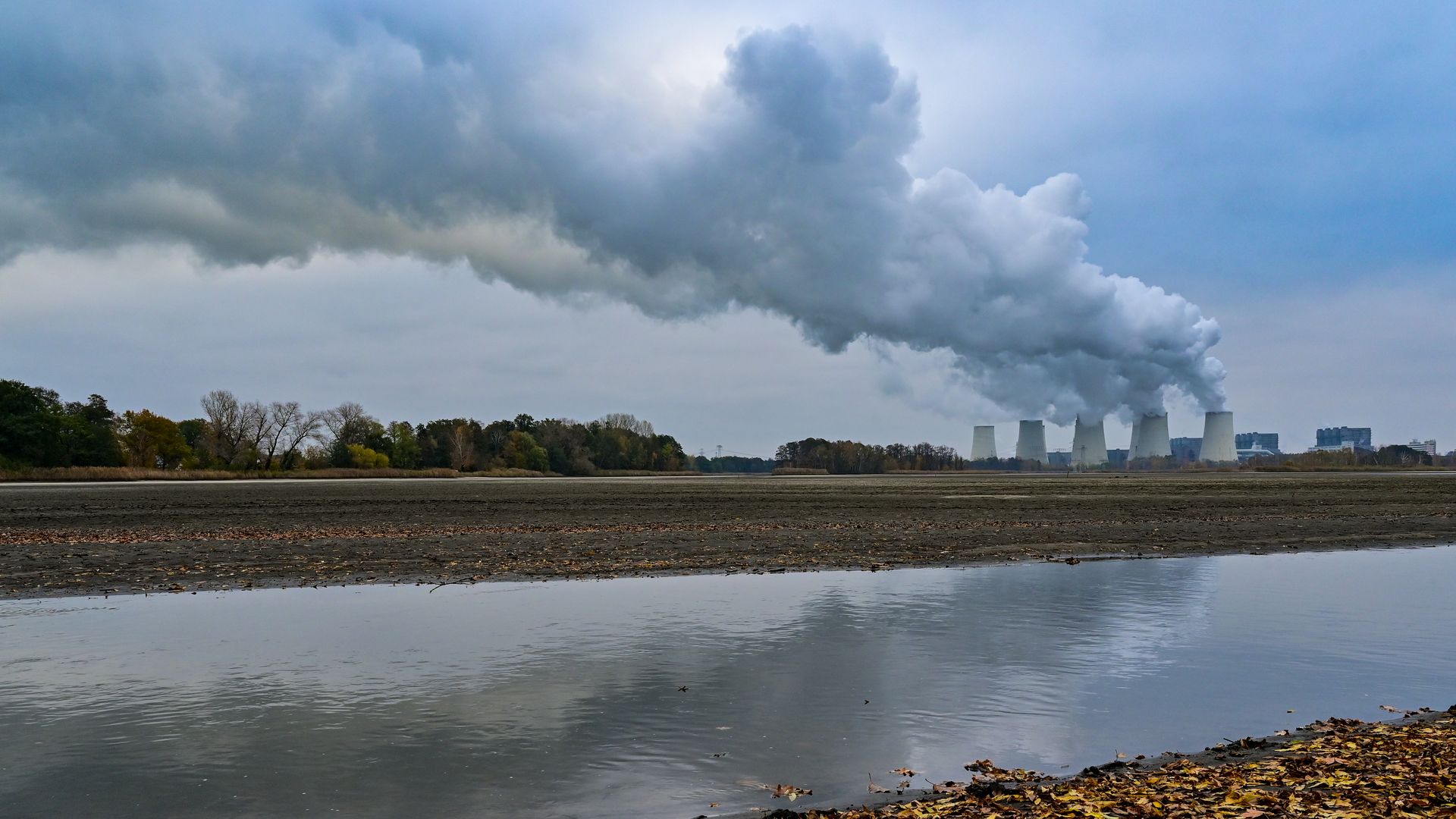
Global carbon dioxide emissions fell by an estimated 7% in 2020, according to a study by the Global Carbon Project published in the journal Earth System Science Data on Thursday.
Why it matters: It's likely the largest fall in carbon emission ever recorded and is largely the result of the coronavirus pandemic keeping people at home.