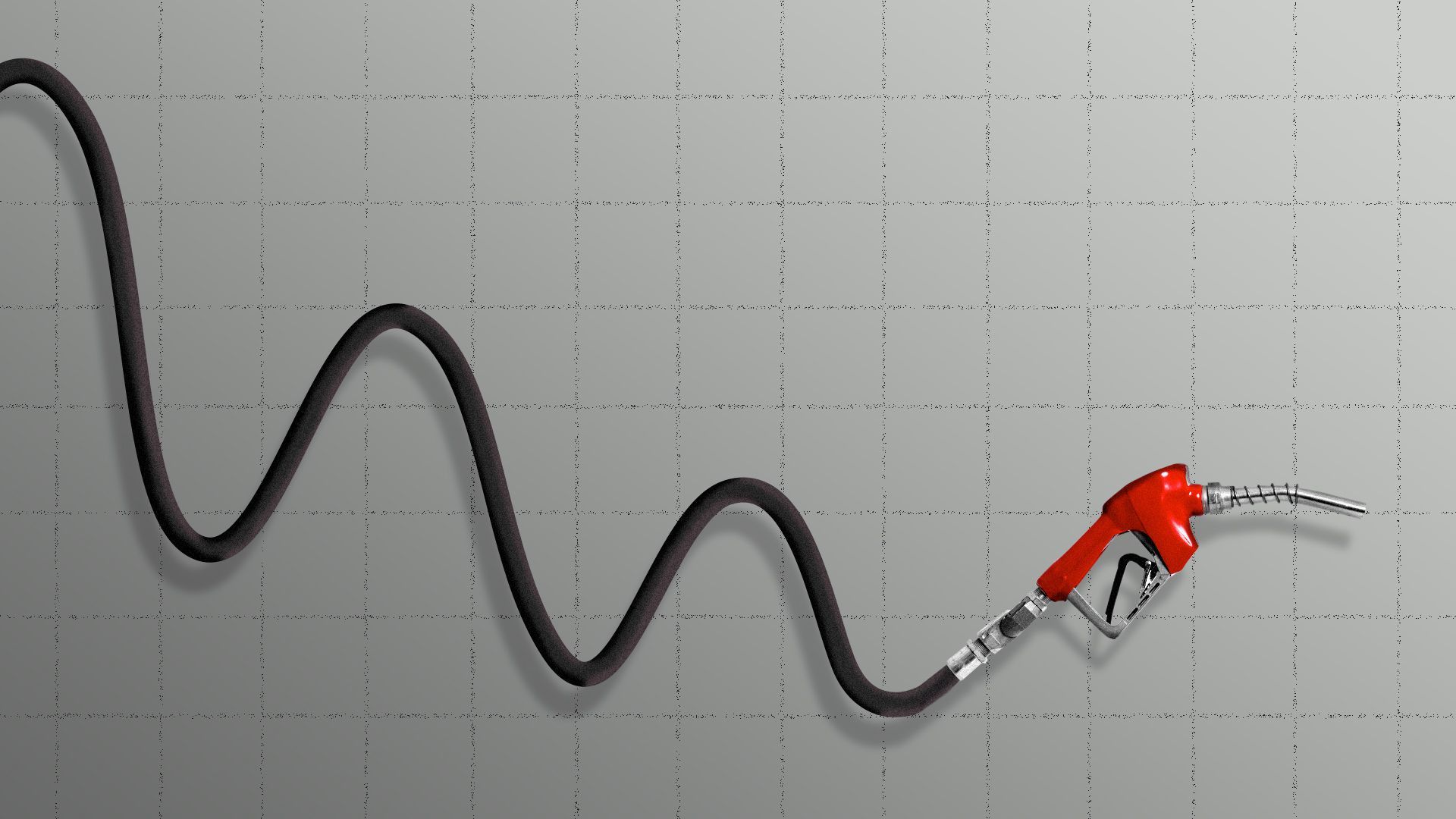
The amount of natural gas released or burned at oil-and-gas wells reached a record high in 2019 due to growth in Texas and North Dakota, per Energy Information Administration data.
Why it matters: Venting directly releases the highly potent planet-warming gas methane, while flaring (or burning) produces CO2 emissions and also allows some methane escape.
John Kerry is beginning to signal how he'll approach his new gig as President-elect Joe Biden's special envoy on climate change — including the fraught relationship with China, the world's biggest carbon emitter.
Driving the news: Kerry tells NBC News that he sees an opening to work with China even amid tensions between the countries on trade and other topics.
Agriculture startup Planet FWD has raised $2.5 million in additional seed funding, and is debuting its first product: a snack cracker that the company says boasts a fully carbon-neutral manufacturing process.
Why it matters: About 25-30% of global greenhouse gas emissions come from the food production system, according to research from the United Nations.
A new renewable-energy trade group has announced its chief executive as Heather Zichal, a top adviser to former President Barack Obama.
Why it matters: President-elect Joe Biden has promised to drastically increase clean energy, so this group — called the American Clean Power Association — will be at the center of Washington’s biggest debates over the next four years.
New York's $226 billion pension fund has set a 2040 goal to neutralize its carbon emissions and may divest from oil and gas companies in order to achieve it, the state's comptroller announced Wednesday.
Why it matters: The proposal, from America's third-largest public pension fund, is one of the more significant moves in the divestment battle that's been building over the last several years.
The UN is out with its latest analysis of the gap between global emissions trends and "least-cost pathways" to meet the Paris climate deal's ambitious temperature-limiting goals.
Why it matters: The gap remains very large, despite the emissions cuts (occurring for tragic reasons) due to the pandemic curtailing so much activity and travel.
Greenhouse gas emissions from power plants and tailpipes get lots of attention, but a new analysis offers a proposal to cut emissions from another huge source — heavy industry.
Why it matters: The Rhodium Group estimates that industry will overtake transportation as the largest source of U.S. emissions sometime in the middle of this decade (you can see the biggest sources above).
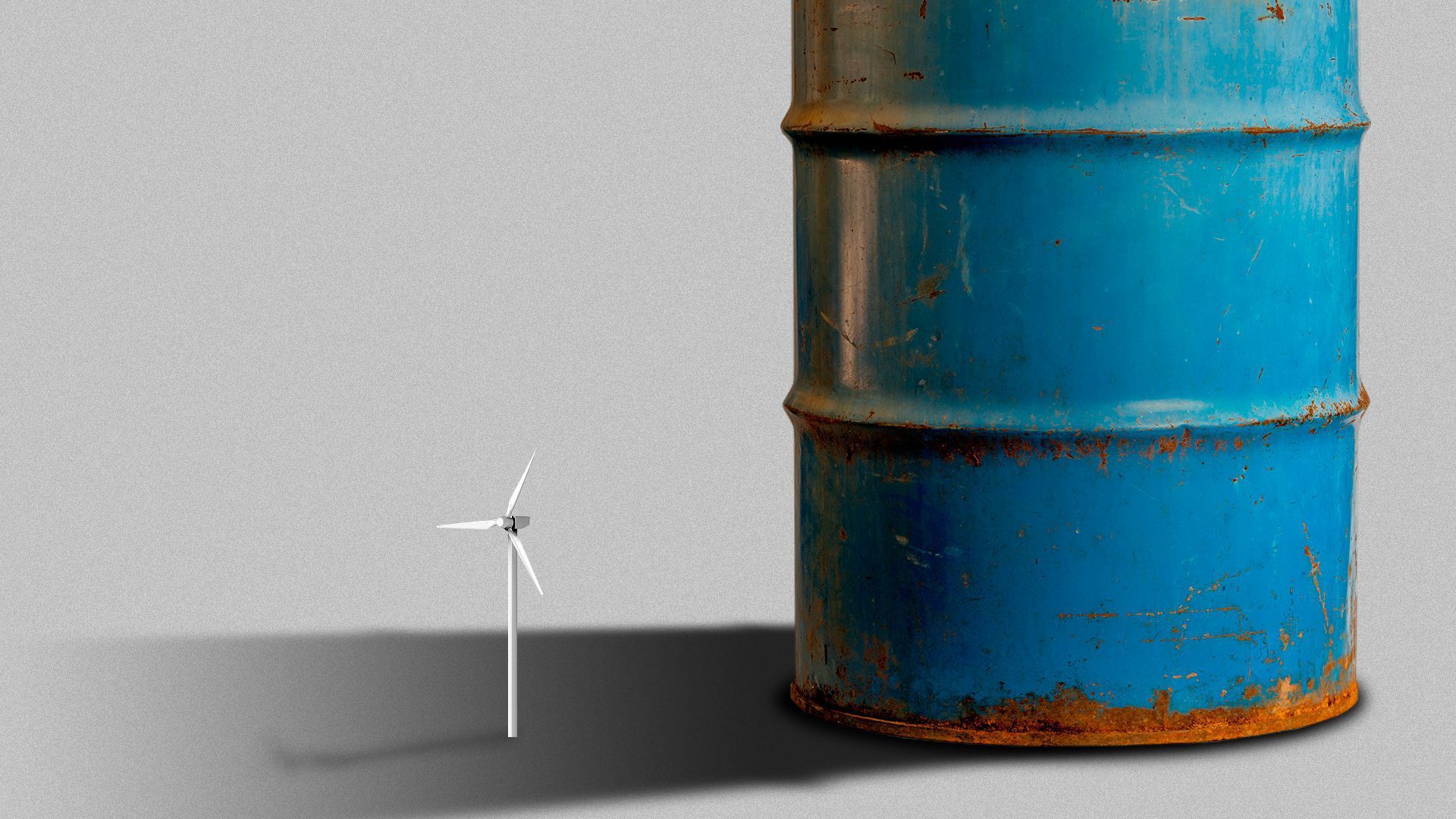
Two huge oil companies charting different paths through the industry's uneven movement toward lower-carbon sources are both coming under fresh — but different — forms of pressure and scrutiny.
Driving the news:The Financial Times scooped yesterday that several clean energy executives have left Shell "amid a split over how far and fast the oil giant should shift towards greener fuels."
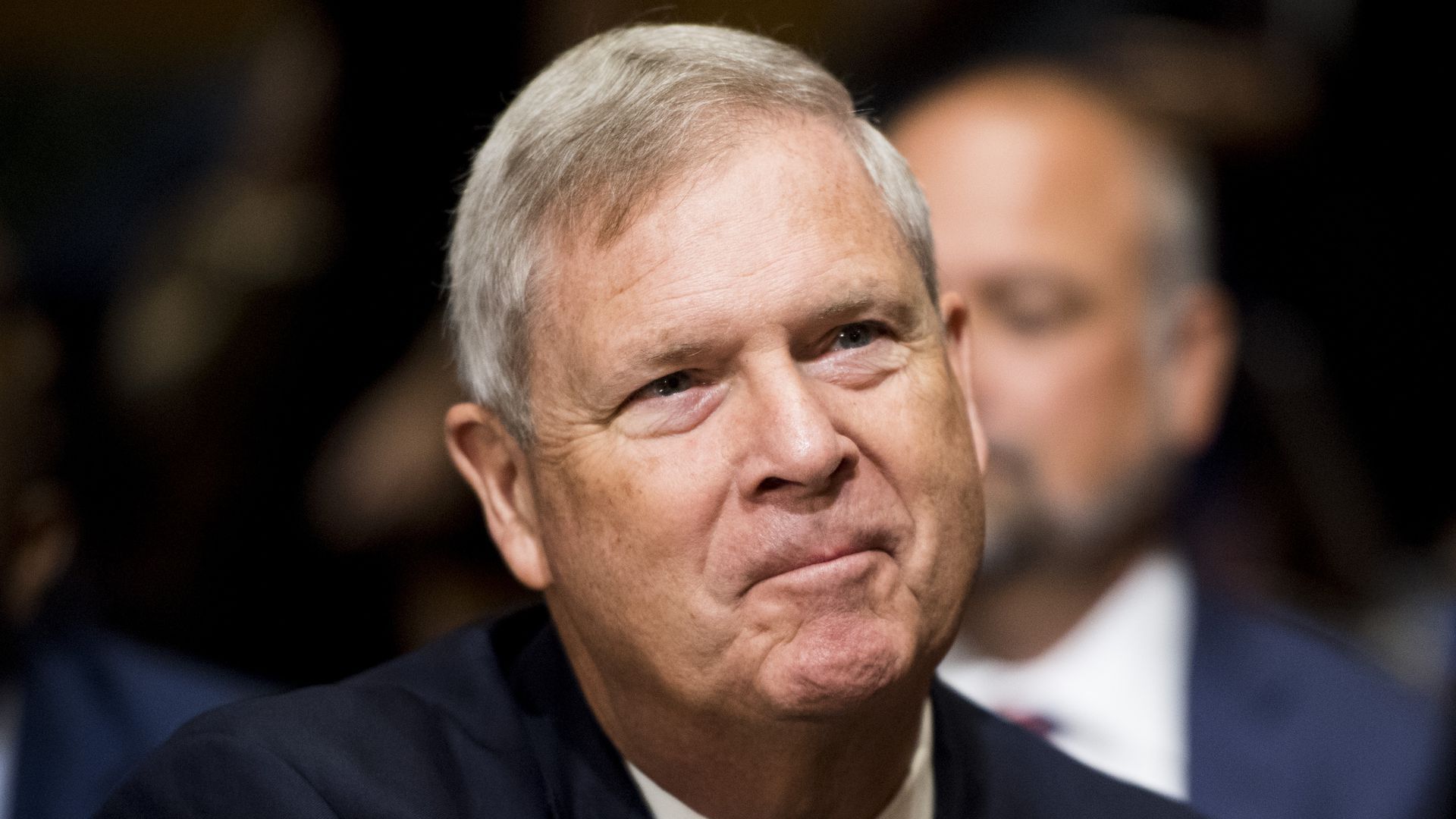
President-elect Joe Biden plans to nominate former Iowa Gov. Tom Vilsack as his agriculture secretary, giving him a role in Biden's climate agenda if confirmed to the job he also held under Barack Obama.
Why it matters: The Agriculture Department is relevant here for several reasons, including that Biden's platform calls for investing in practices that increase CO2 storage in soil and removing "regulatory roadblocks."