As part of our What Matters 2020 series on the critical trends that will outlive this moment, Axios co-founders Jim VandeHei and Mike Allen discuss climate change and the need for global cooperation on the issue.
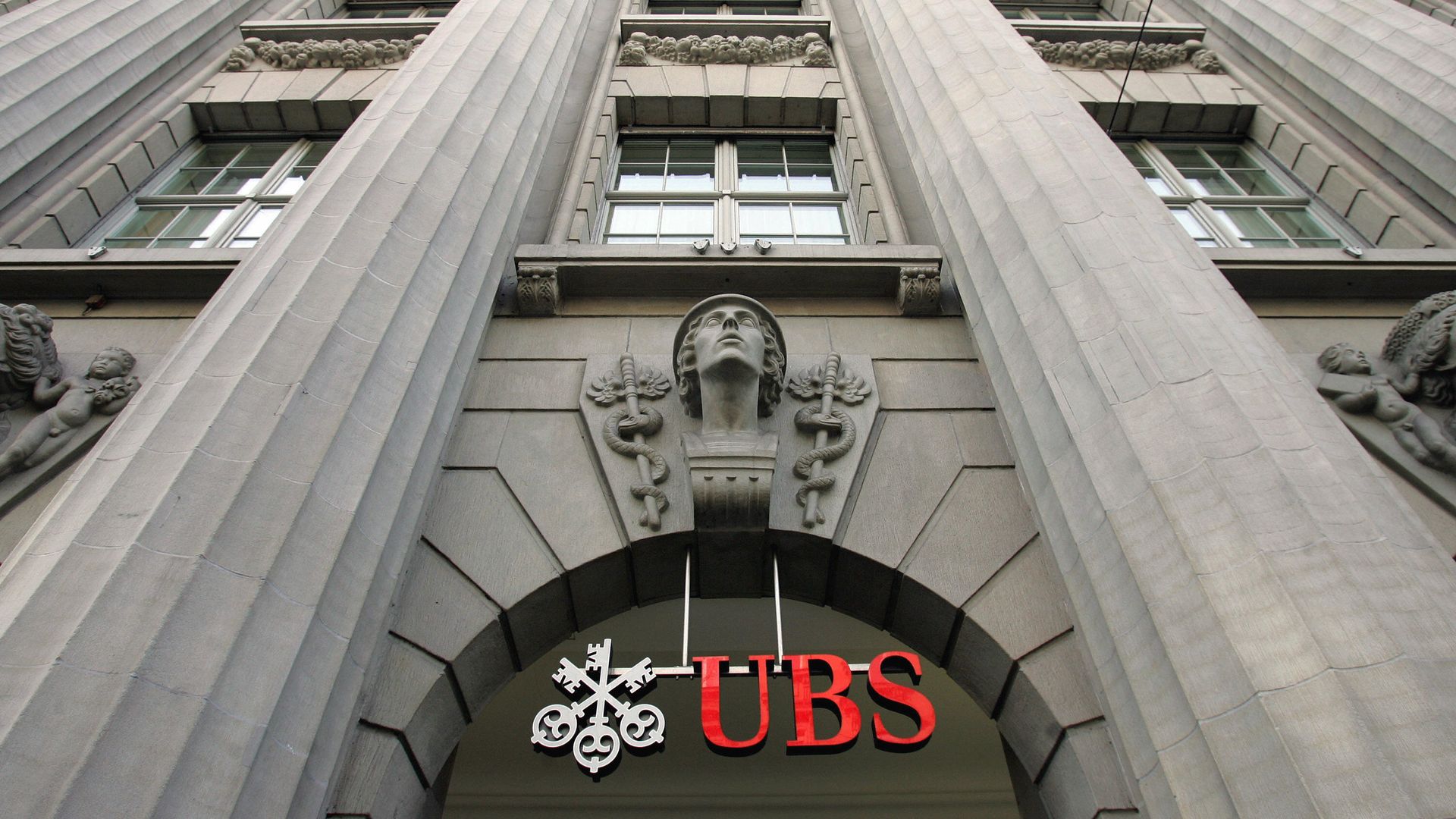
UBS said Thursday it will not finance new Arctic offshore oil projects, new coal mines or new oil sands projects.
The big picture: The Swiss banking giant is the latest in a string of banks to announce wider restrictions on fossil fuel finance as investor and activist pressure grows.
A Wood Mackenzie analyst note shows that the gap in global investment between offshore wind and offshore oil-and-gas is expected to narrow as the 2020s progress.
The intrigue: The brief report explores why investors should be interested in a sector in which projects typically offer lower returns than oil-and-gas projects.
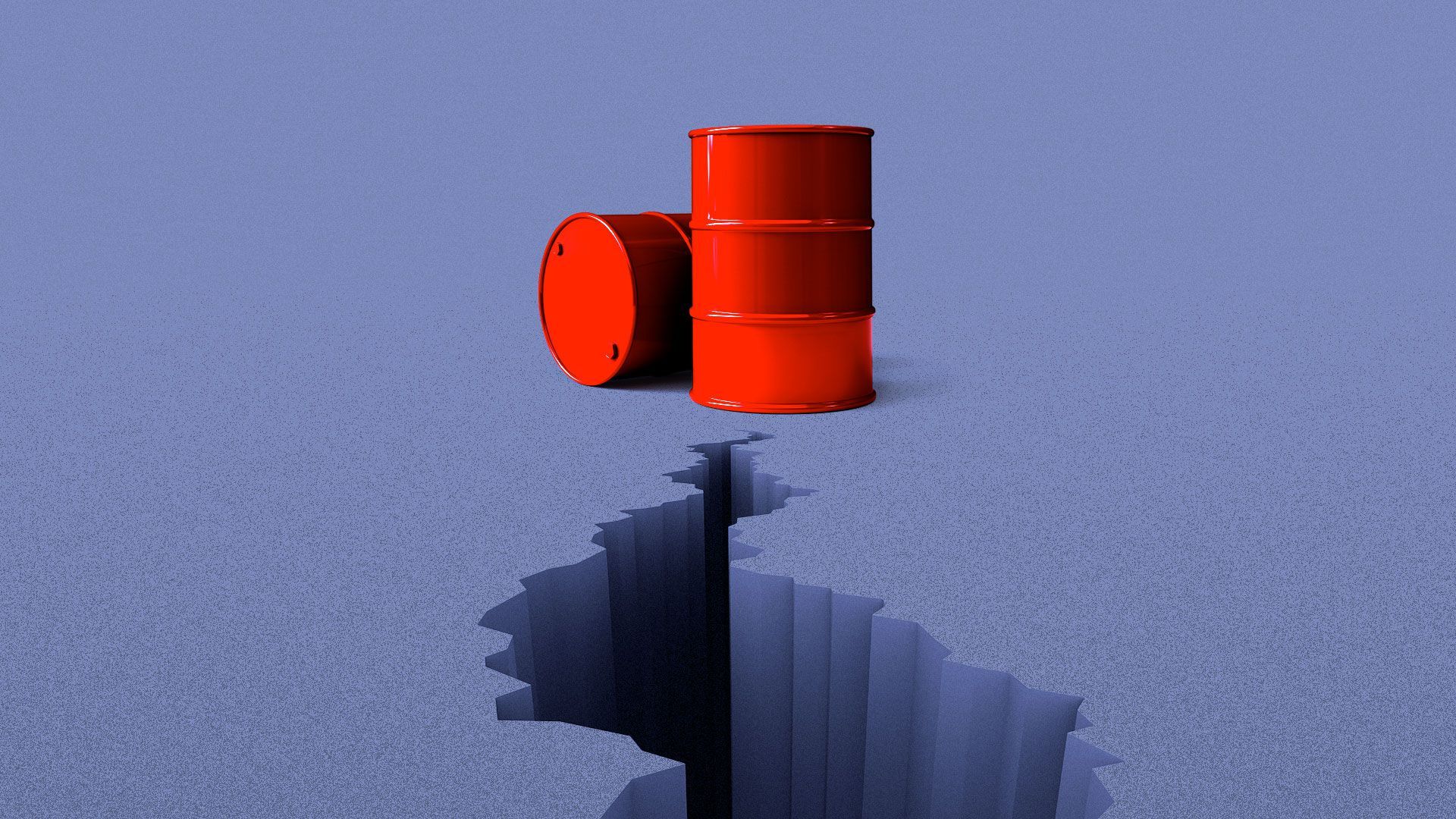
OPEC ministers have agreed to push for deepening their joint production-cutting agreement with Russia and allied producers by 1.5 million barrels per day, per reports from Vienna.
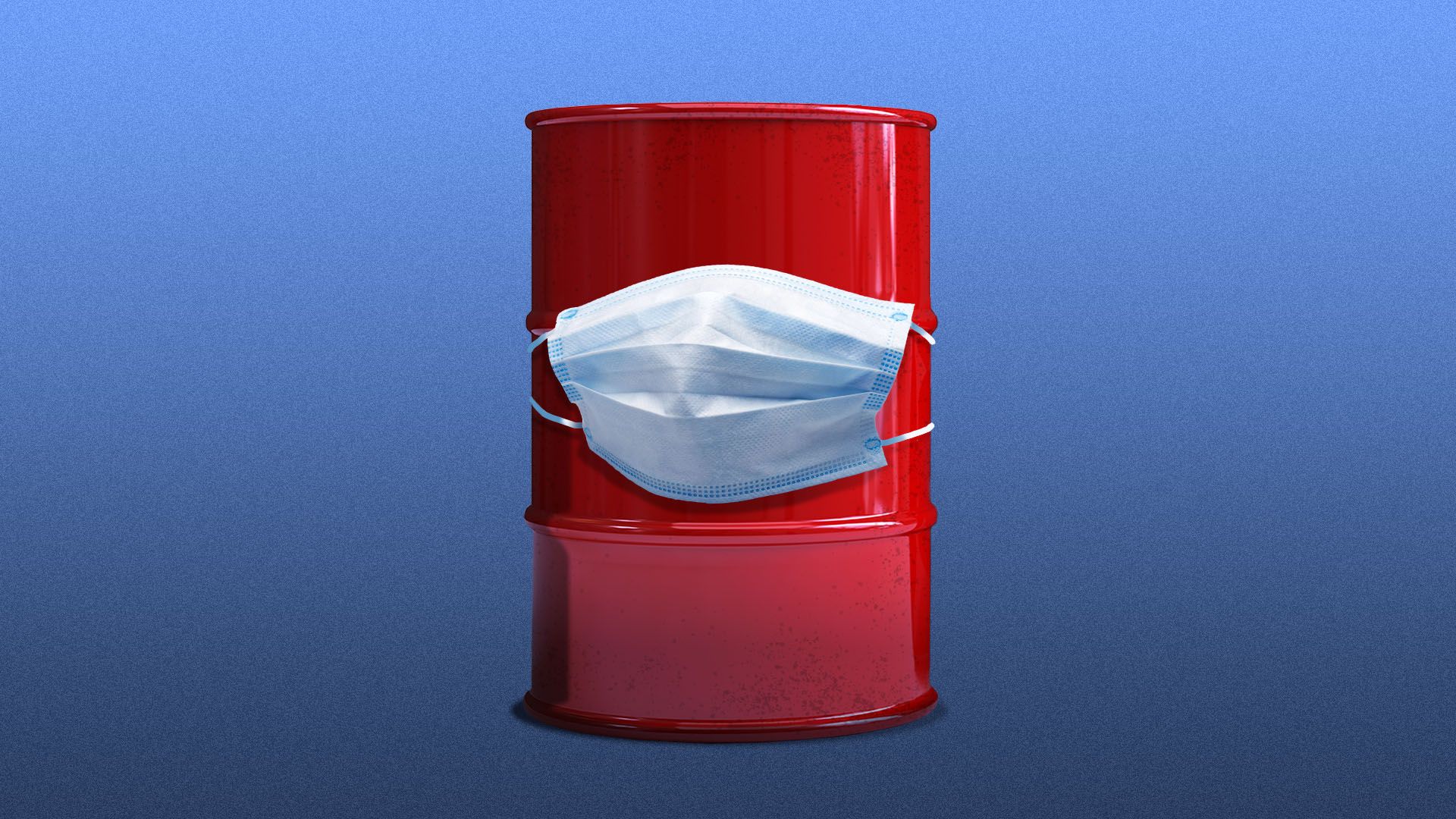
Why it matters: The cartel is trying to grapple with how the novel coronavirus is sapping oil demand and depressing prices.
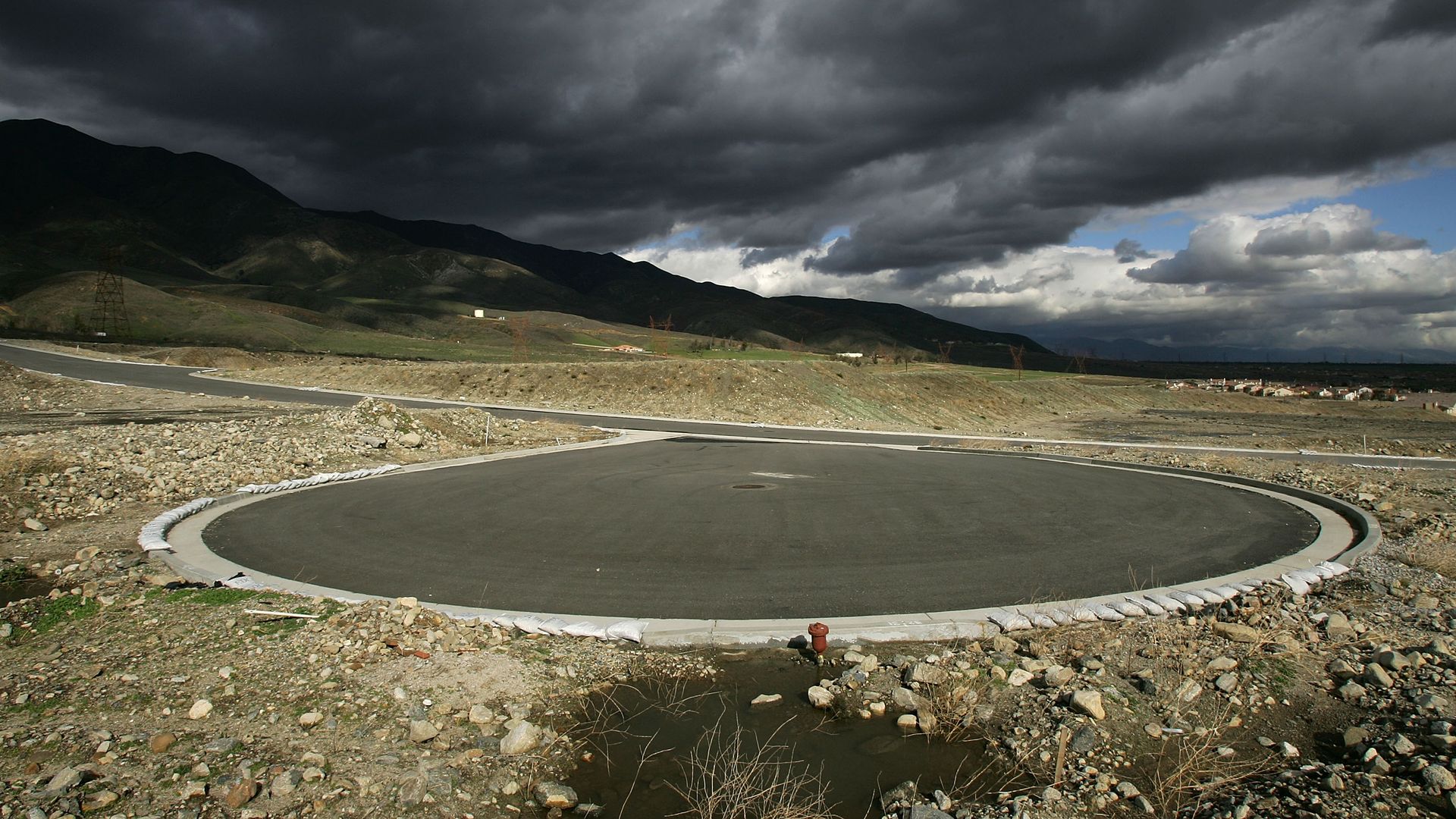
The cul-de-sac has been a staple of urban development — and families' real estate wish lists — for the last 50 years. Now some cities are banning them from new developments.
Why it matters: Street-network sprawl determines a city's energy footprint.
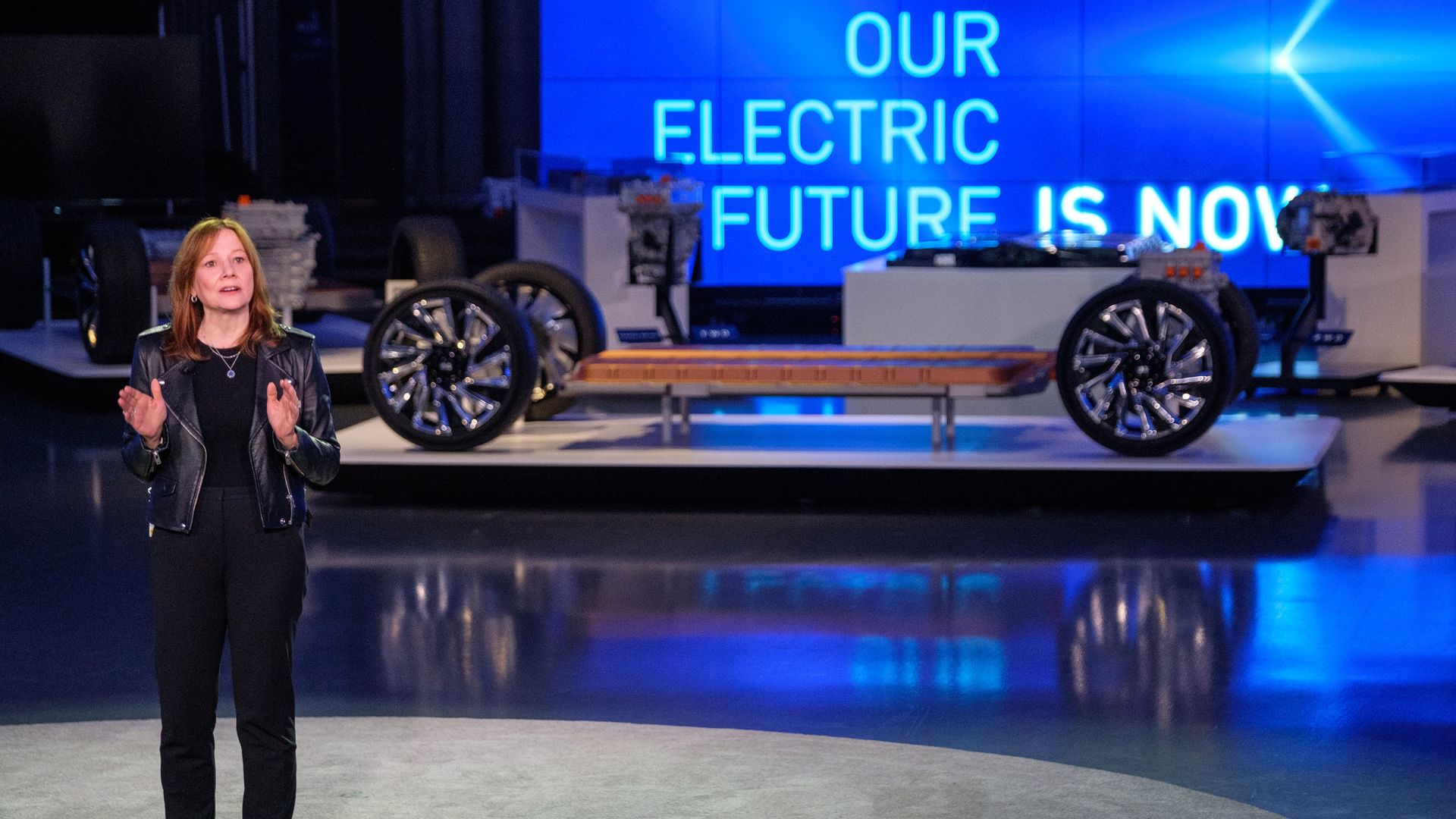
General Motors on Wednesday took the wraps off a broad lineup of electric vehicles powered by a new proprietary battery technology, representing a dramatic transformation of the 112-year-old automaker.
Why it matters: It's a $20 billion bet over the next five years that GM hopes both consumers and investors will endorse as the company walks a tightrope between maximizing sales of its profitable gas-powered trucks and SUVs and delivering on a long-term vision for a cleaner, less congested world.
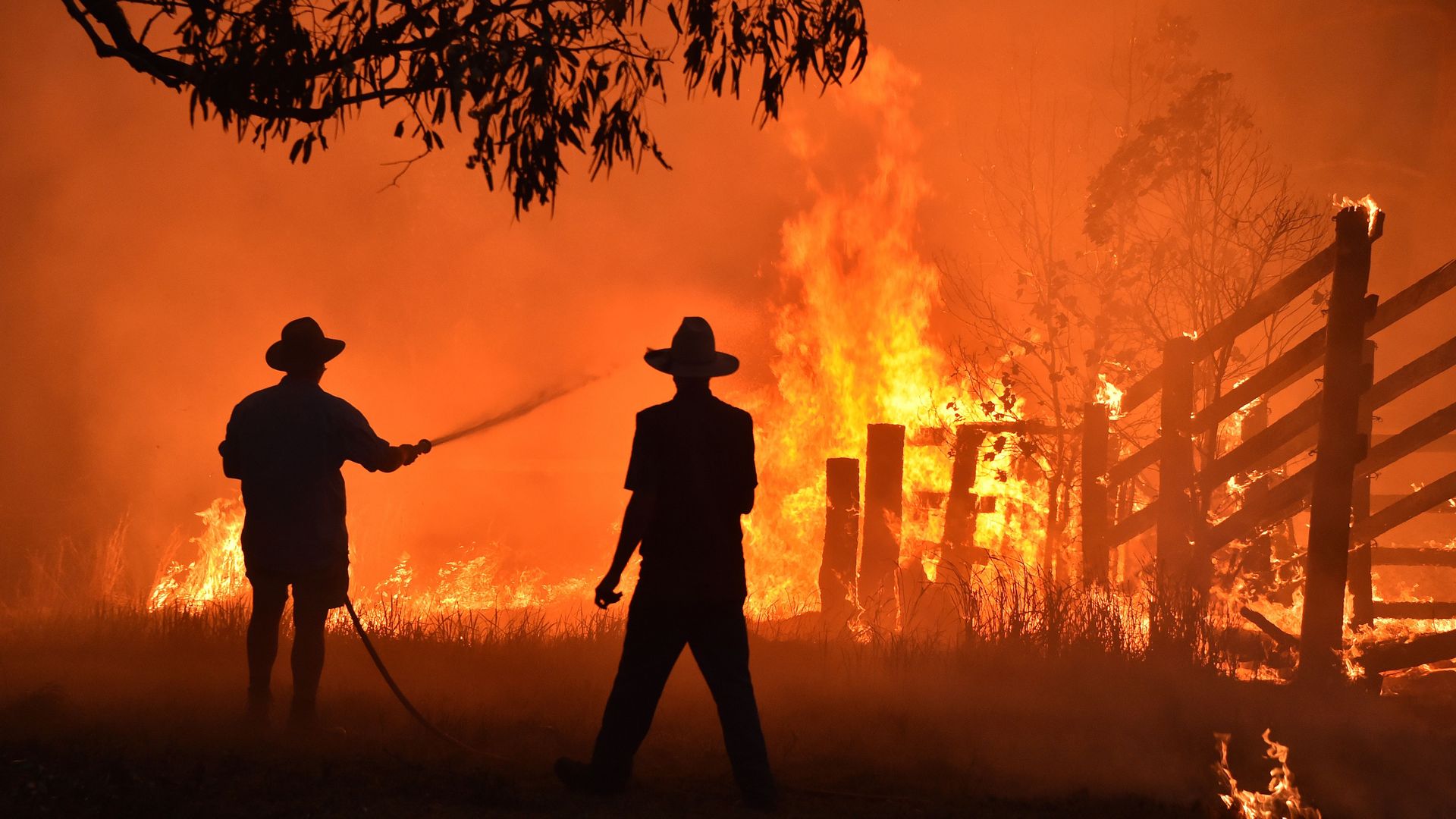
Why it matters: The conditions increased the chances of Australia experiencing extreme fire danger by at least 30%, an estimate researchers told a news briefing was conservative. This is the first time scientists have been able to quantify how climate change has affected the risk of fires, they said.
This week is providing a rolling demonstration of the divide between U.S. and European-headquartered multinational oil giants when it comes to climate change.
Driving the news: Chevron CEO Mike Wirth yesterday made the case for their posture, which eschews the deep, long-term, emissions-cutting targets of companies like BP and Shell.
A top business trade association official and the CEO of a major pipeline company said Tuesday they want the federal government to do more on climate change — but they’re not actually backing any such plans.
Driving the news: Marty Durbin, a top official at the U.S. Chamber of Commerce, and Williams Company CEO Alan Armstrong, speaking at a Bipartisan Policy Center event Tuesday, both said they think the government should create an economy-wide policy to cut greenhouse gas emissions.
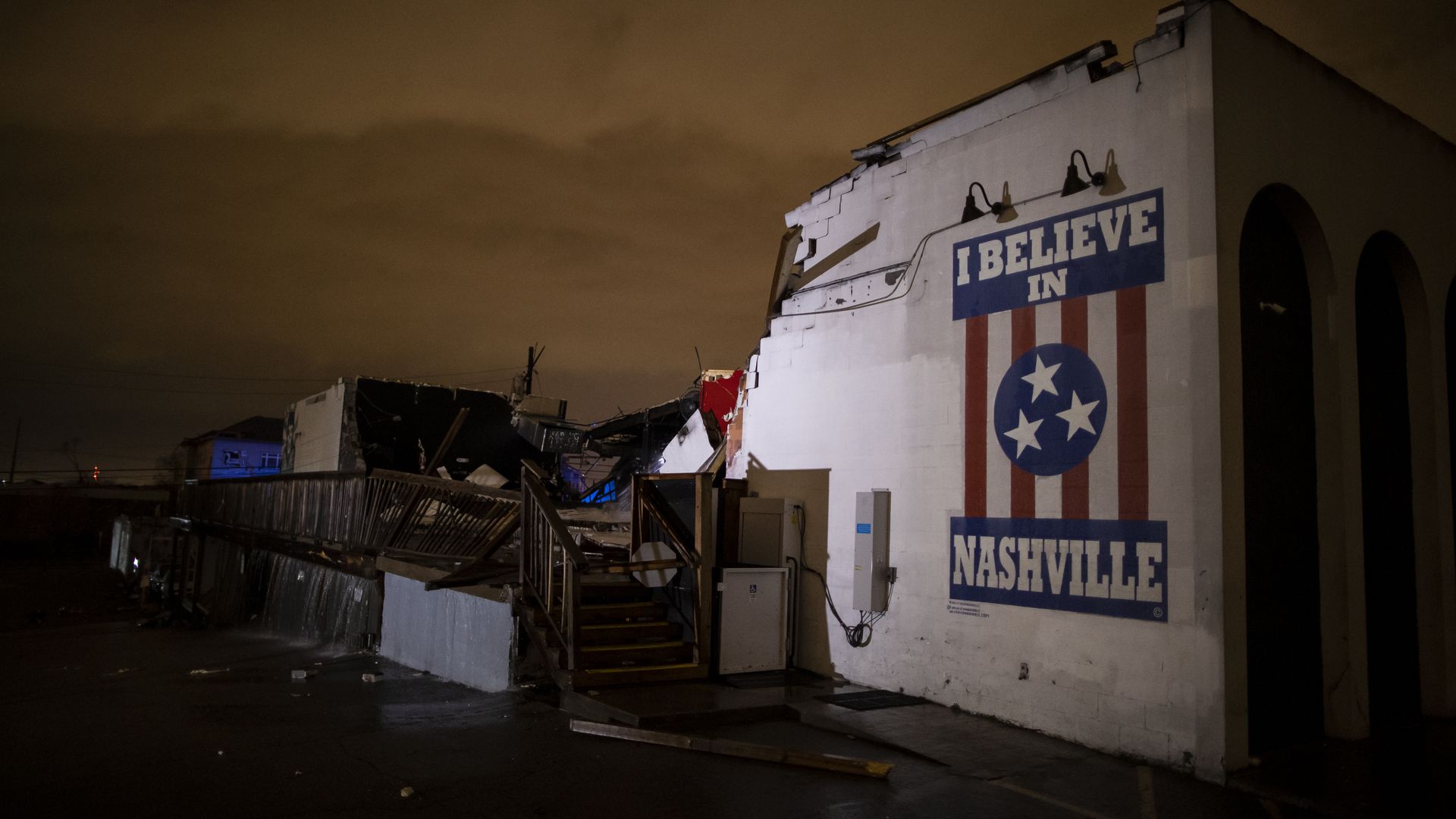
Intense thunderstorms across Tennessee early Tuesday morning spawned tornadoes, including one that struck downtown Nashville. The tornadoes destroyed at least 140 buildings and killed at least 25 people in the state, Tennessee Gov. Bill Lee (R) said.
What we know: Schools, courts and transit lines in Nashville were closed Tuesday, and more than a dozen polling stations were damaged before Super Tuesday voting began in the state.