Talks between OPEC and Russia ended Friday without a deal to deepen or extend oil production cuts as the economic slowdown from the novel coronavirus saps global demand, sending already-soft prices sharply downward.
Why it matters: The collapse of OPEC+ negotiations in Vienna marks a massive rupture in the three-year-old collaboration between giant producers Saudi Arabia and Russia to exert more control of the market amid the rise of U.S. shale production.
The electric vehicle startup Lucid Motors has a strategy for drumming up interest in its upcoming Lucid Air luxury vehicle that begins production late this year: ultra-designed retail spaces that offer virtual reality test drives.
Why it matters: The luxury EV market is getting more crowded. Startups like Silicon Valley-based Lucid — a largely unknown brand in what's still a very small market — need a way to differentiate themselves and gain cachet.
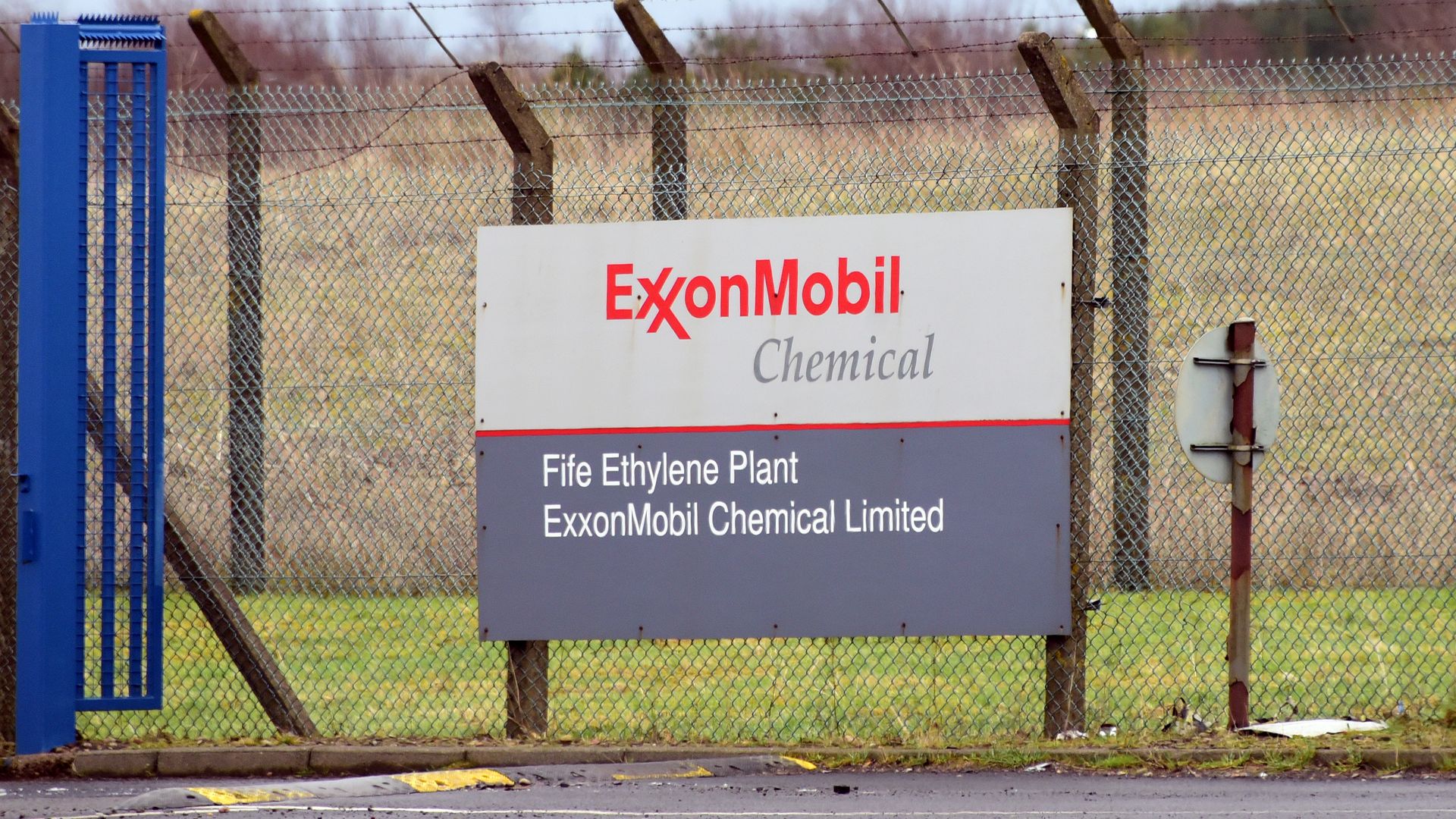
Exxon CEO Darren Woods put quite an exclamation point on the idea that U.S.-based oil majors aren't getting into an arms race with European rivals over long-term climate ambition.
What he's saying: Woods defended the company's approach at yesterday's investor day in New York, telling analysts that Exxon looks at the topic on a "global scale" rather than engaging in a "beauty match."
A big reason the novel coronavirus-fueled economic slowdown is hammering oil demand is because China — the center of the outbreak — has grown into such a powerhouse petroleum consumer.
What they're saying: The International Energy Agency's executive director Fatih Birol said China's slowdown is a key reason why the organization is slated to announce a major downward revision in this year's global oil demand estimates next week. Last year China accounted for 80% of total global oil demand growth, he said.
As part of our What Matters 2020 series on the critical trends that will outlive this moment, Axios co-founders Jim VandeHei and Mike Allen discuss climate change and the need for global cooperation on the issue.
UBS said Thursday it will not finance new Arctic offshore oil projects, new coal mines or new oil sands projects.
The big picture: The Swiss banking giant is the latest in a string of banks to announce wider restrictions on fossil fuel finance as investor and activist pressure grows.
A Wood Mackenzie analyst note shows that the gap in global investment between offshore wind and offshore oil-and-gas is expected to narrow as the 2020s progress.
The intrigue: The brief report explores why investors should be interested in a sector in which projects typically offer lower returns than oil-and-gas projects.
OPEC ministers have agreed to push for deepening their joint production-cutting agreement with Russia and allied producers by 1.5 million barrels per day, per reports from Vienna.
Why it matters: The cartel is trying to grapple with how the novel coronavirus is sapping oil demand and depressing prices.