France is aiming to lower carbon emissions by raising its pollution tax on large vehicles with a new law adopted by parliament earlier this week, Bloomberg reports.
By the numbers: Cars that emit carbon dioxide above a certain threshold will be subject to a 20,000 euro penalty — more than the current fine of 12,500 euros. France's finance ministry is projecting 50 million euros annually in revenue from the tax — those yields will be used to support automakers' shift to cleaner energy.
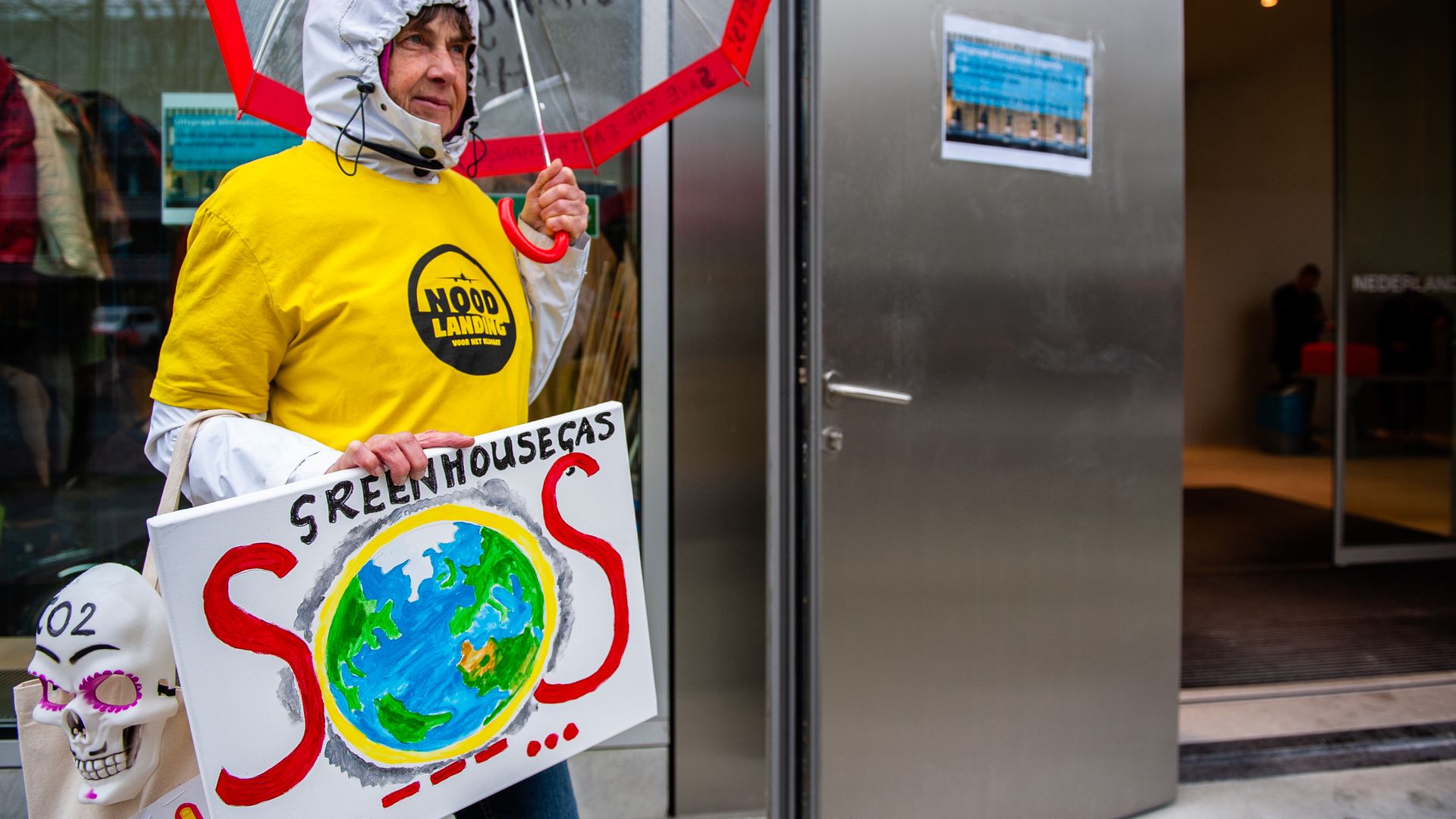
The Supreme Court in the Netherlands on Friday ordered the government there to cut national greenhouse gas emissions by 25% by the end of 2020.
Why it matters: This is the first time the courts have ever forced a country to address climate change and could set a precedent for courts in other nations, including the United States, in the absence of other action.
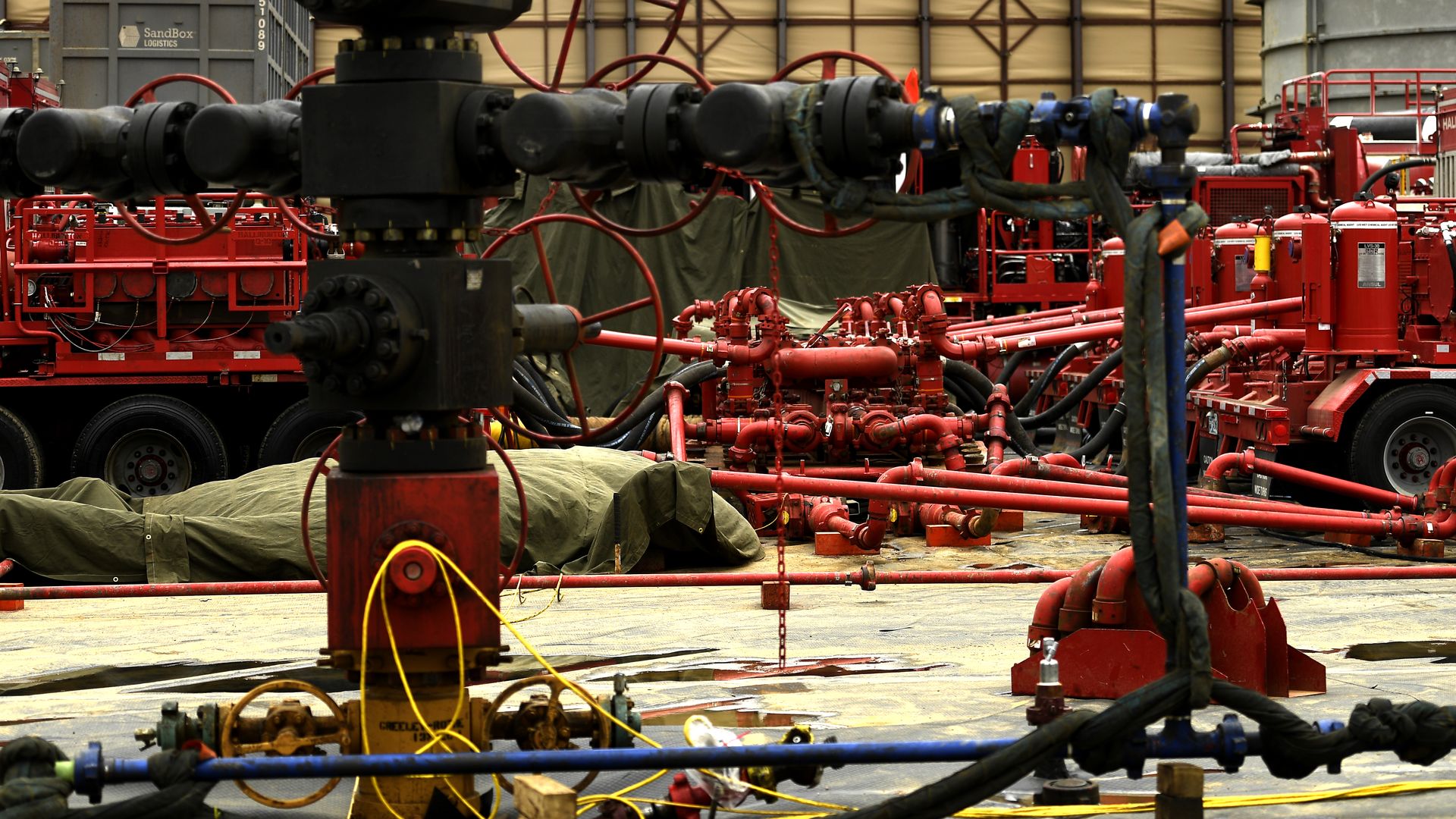
One of the higher-profile energy topics in the primary fight has been a push by several Democrats to ban or restrict fracking, although it didn't surface at the primary debates Thursday night.
Driving the news: A new note from the data analytics firm Kayrros sizes up what a president might actually be able to do — thwart fracking on federal lands. They account for a relatively small but hardly trivial share of U.S. oil and gas production.
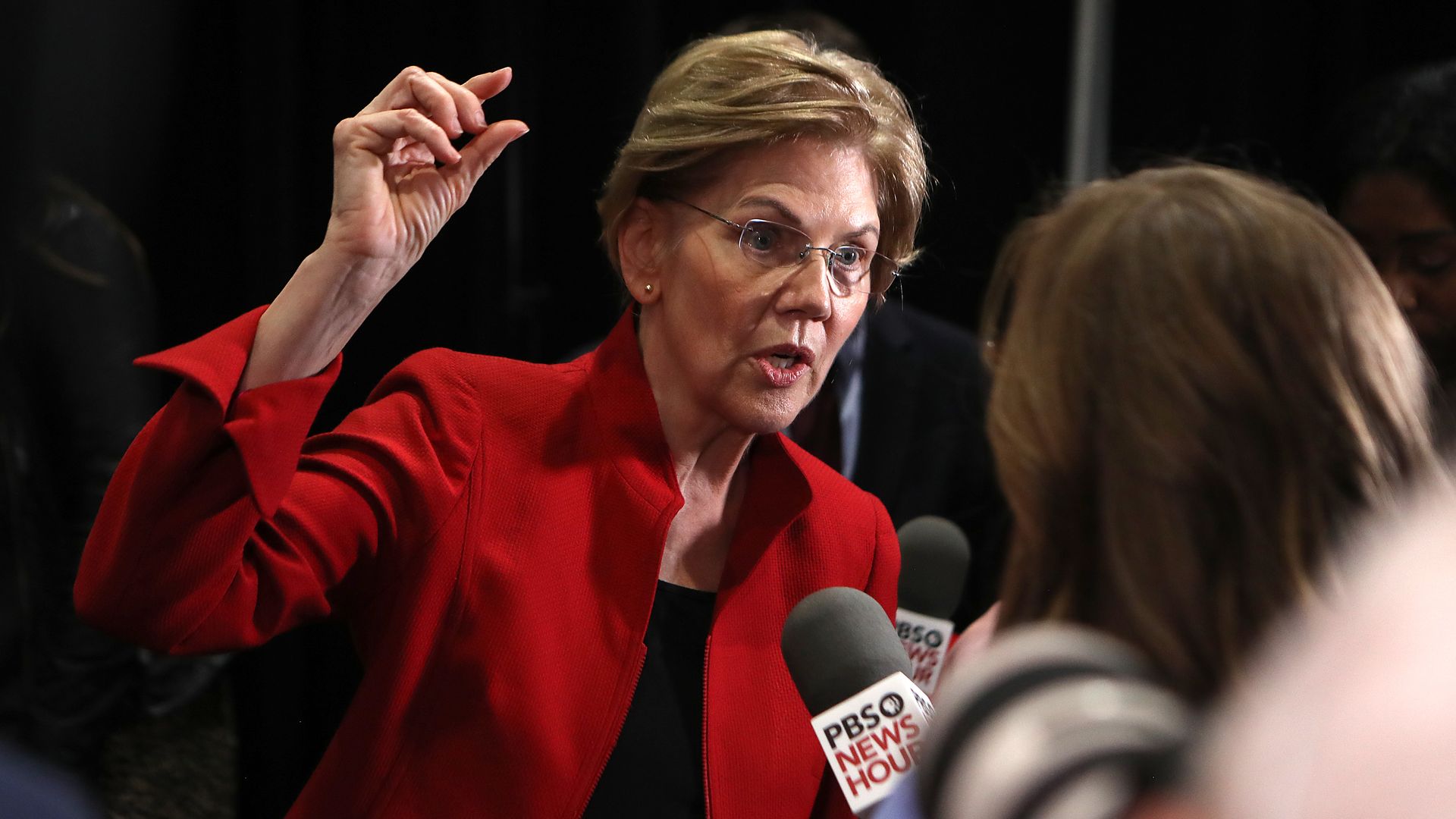
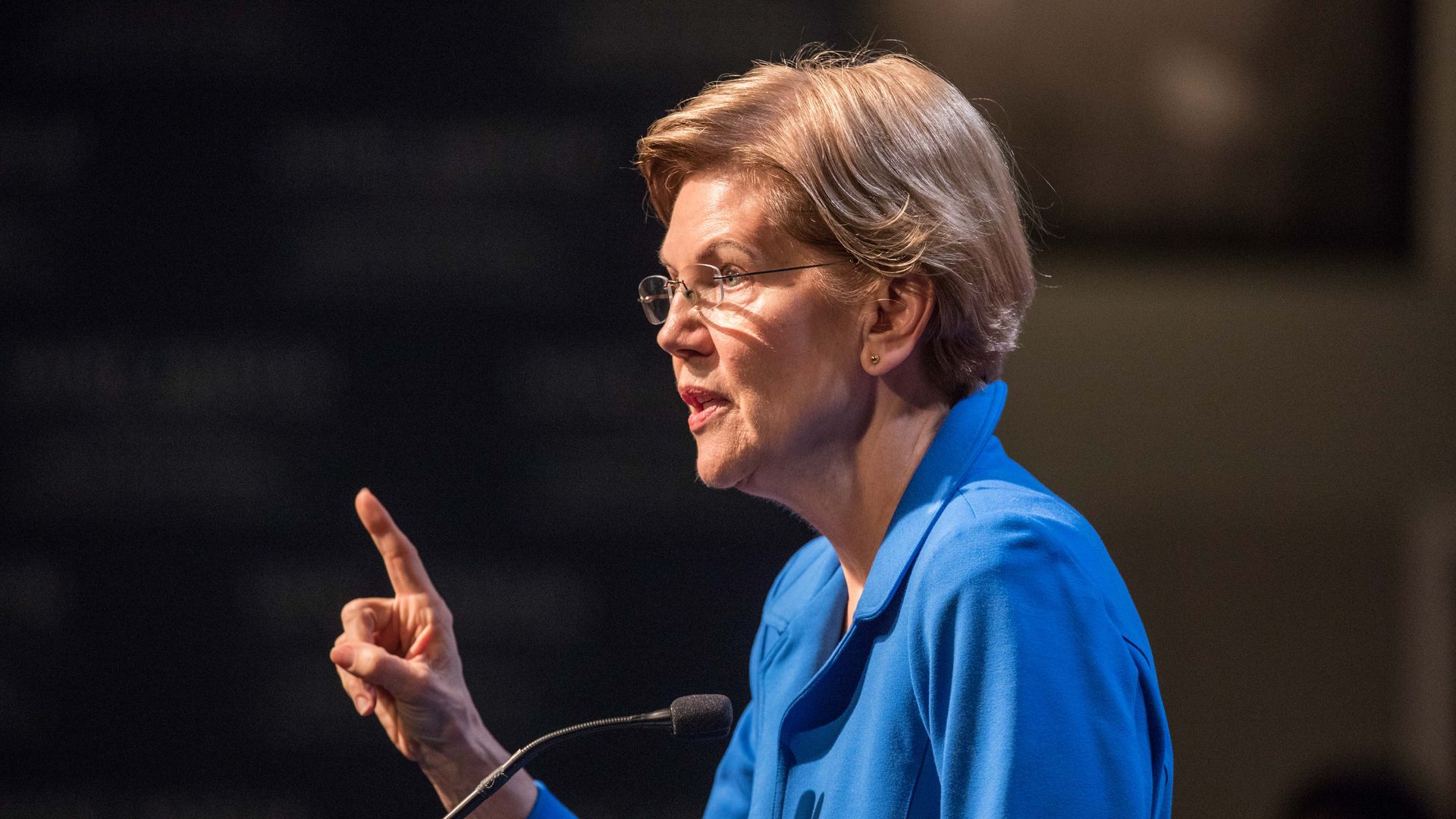
Elizabeth Warren is making an economically focused push on climate Friday as she seeks to regain momentum after briefly challenging for frontrunner status months ago.
Driving the news: The campaign is circulating a new analysis from the progressive think tank Data for Progress, which concludes her proposals would yield roughly 10.6 million jobs over 10 years.
Thursday's debate nicely encapsulated the way that climate change has become stitched into the fabric of wider Democratic policy and messaging on many topics.
The state of play: While a huge Green New Deal-style mobilization lacks legs in Congress, its all-encompassing conceptual framing — climate as inseparable from industrial policy, human rights and much more — is carrying the day.
Forty-six percent of U.S. homeowners say they have seriously considered installing solar panels at their homes, a new Pew Research Center poll shows.
Why it matters: It signals that the residential solar market has lots of room for growth. The survey notes that only 6% of homeowners polled have already installed systems — but the Solar Energy Industries Association's (SEIA) current estimate sits at 2.1%.
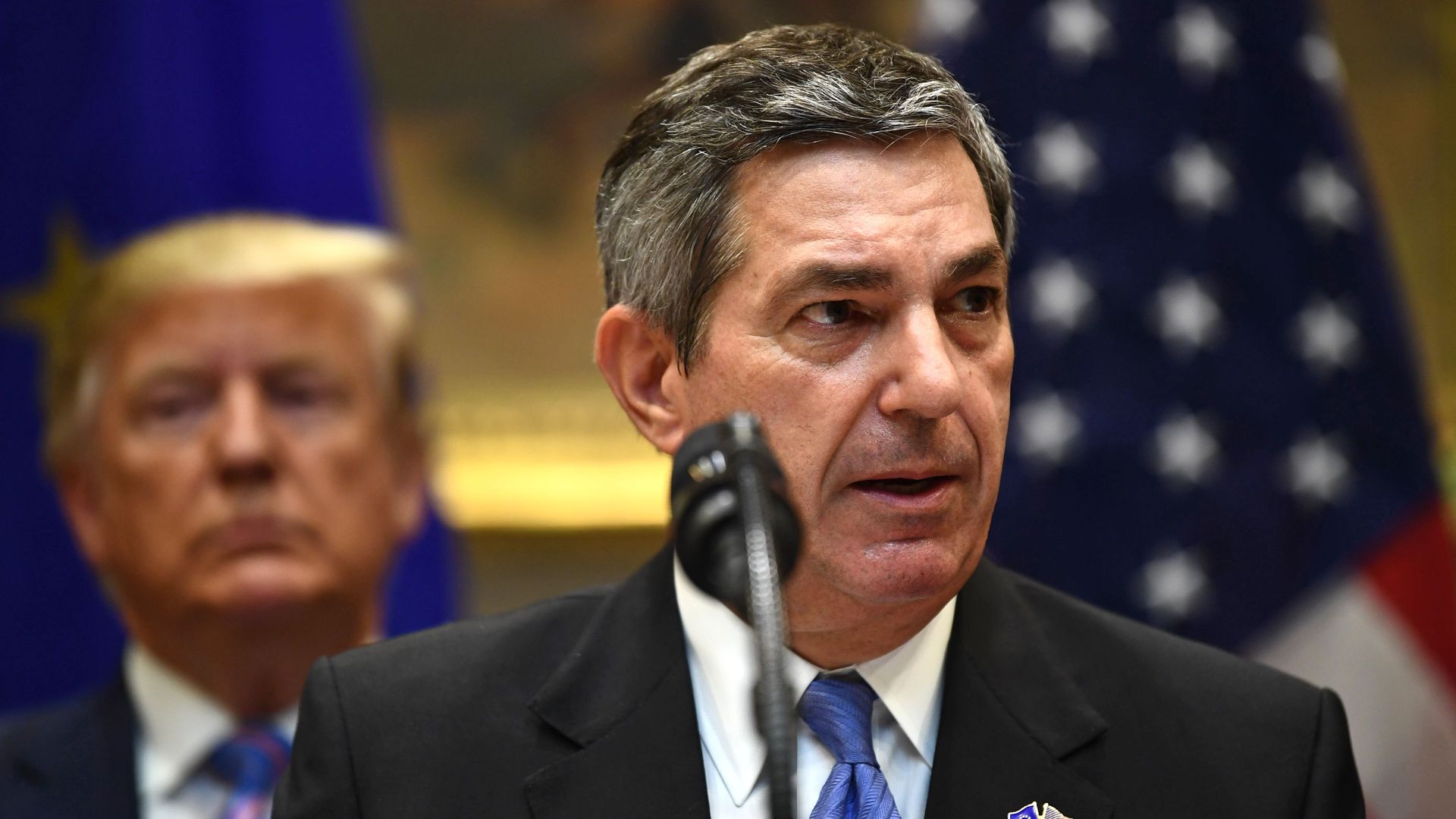
The European Union’s ambassador to the U.S., Stavros Lambrinidis, is criticizing America’s outsized impact on climate change, increasing tension between two allies that are already oceans apart on this problem.
Why it matters: The comments, made to reporters Thursday afternoon in Washington, come a week after the bloc said it may impose financial penalties on imports from nations that are less aggressive on climate change as part of its broader European Green Deal plan to curb emissions.
Sen. Bernie Sanders said at the Democratic debate on Thursday night that the USMCA free trade deal that President Trump negotiated is a "modest improvement" over NAFTA, but that he will not vote for it because it will not stop outsourcing to Mexico and does not mention climate change.
Why it matters: The House overwhelmingly passed the USMCA on Thursday after Democrats secured certain labor provisions. Passing the deal is one of Trump's top policy goals of 2019 and is tailor-made for protectionist Democrats, but Sanders — who has long opposed free trade agreements — still plans to vote against it when it reaches the Senate.
A new analysis could take a step toward resolving a fiery debate: how to think about — and describe — likely levels of future emissions and warming in light of current trends and planned policies.
Driving the news: Two scientists, in a lengthy post via the Breakthrough Institute, conclude Earth is on track to warm by roughly 3°C above pre-industrial levels by 2100.
Sierra Club executive director Michael Brune is really upset with congressional Democrats about year-end deals they cut with Republicans and the White House.
Why it matters: His tweet thread this week kind of, maybe, suggested that it could affect the Sierra Club's big political operation.
BP and corporate giants including Unilever announced a new consortium Thursday that aims to transform "difficult to recycle" plastic wastes into materials that can be repeatedly used to make high-quality packaging.
Why it matters: The world has a gigantic plastics waste problem, and these are some big players — others involved include food and beverage giant Danone and the big packaging company Alpla.
A new study helps to show that experts are all over the map when it comes to gaming out the rise of electric vehicles in the global marketplace.
Why it matters: The speed at which EVs become truly mainstream is one variable affecting the future of oil demand and carbon emissions. Passenger cars account for roughly a fourth of world oil demand.
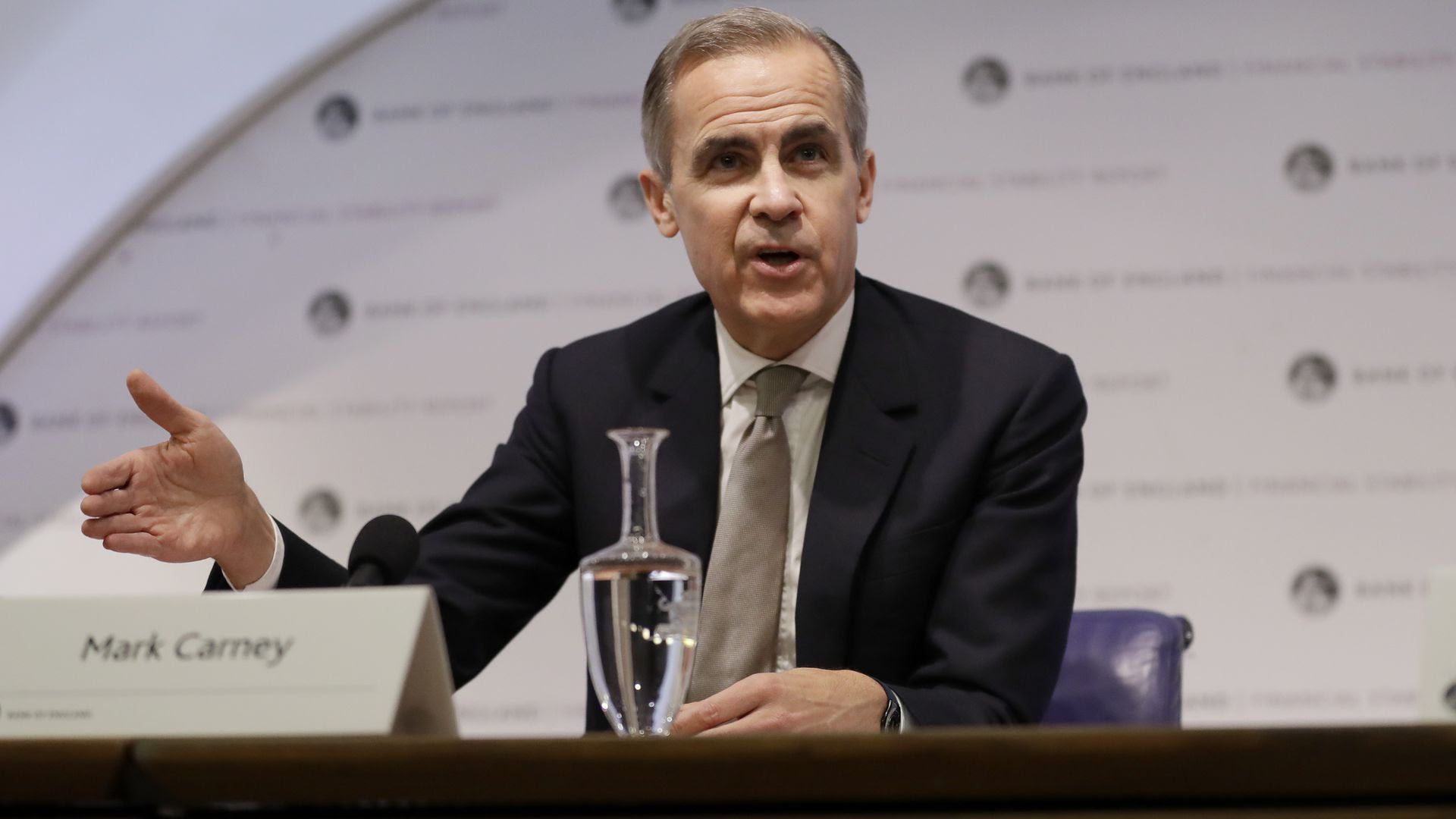
With just a month left before he steps down as head of the Bank of England (BoE), Mark Carney is putting the finishing touches on his legacy at the British central bank.
Driving the news: The BoE laid out how it planned to test the resilience of the U.K.'s largest banks and insurers in increasingly threatening environmental scenarios. It’s a notable step for Carney who's "played a key role in highlighting financial risks from global warming," as Bloomberg notes.
More companies from across the corporate spectrum are joining a long-shot advocacy effort to pass a carbon tax in a bitterly divided Congress.
Driving the news: General Motors, Ford, IBM and two electricity companies — Calpine Corporation and Vistra Energy — are putting money toward a lobbying campaign that would put a price on CO2 emissions and refund revenue back to consumers.
Australia smashed its hottest day record just one day after it was set, preliminary findings from the Bureau of Meteorology (BOM) released Thursday show.
The big picture: The country has also experienced its worst ever spring for wildfire danger, the BOM said in a climate statement Wednesday.
The driest spring on record has left more than 95% of Australia experiencing dangerous fire weather that has been above average, and much of the country is in severe drought.
The historic heat wave comes as firefighters continue to fight wildfires across the country. The Australian state of New South Wales declared a seven-day state of emergency Thursday.
What they're saying: Blair Trewin, a senior climatologist with the BOM, said in a video posted to the agency's website that many areas would shatter hottest December records and perhaps even the hottest temperature for any time of the year, with Saturday forecast to be a particularly searing day.