Temperatures could be 15–20 degrees higher than average in parts of the country ahead of the holidays, while two storms may bring as much as half a foot of rain to the Southeast and a mix of snow and rain to the Pacific Northwest, the Washington Post reports.
What to watch: A storm is brewing and is expected to move through the middle of the country late next week, as many people plan post-Christmas travel, the Post writes. It's too early to know for sure, but the storms could be disruptive to those plans, per the Post
ExxonMobil said Friday night that the company has begun oil production off the coast of Guyana, where the energy giant has made a string of huge discoveries in recent years.
Why it matters: Guyana is a major focus of Exxon's portfolio, and the development is slated to make the South American nation the world's newest substantial oil producer.
Ukraine has agreed to allow Russia to continue sending gas through the country to the rest of Europe over the next five years, AP reports.
Why it matters: Europe relies on a large amount of gas from Russia for heating and industry, AP writes. Russia sends roughly 40% of its European gas deliveries through pipelines that cross through Ukraine.
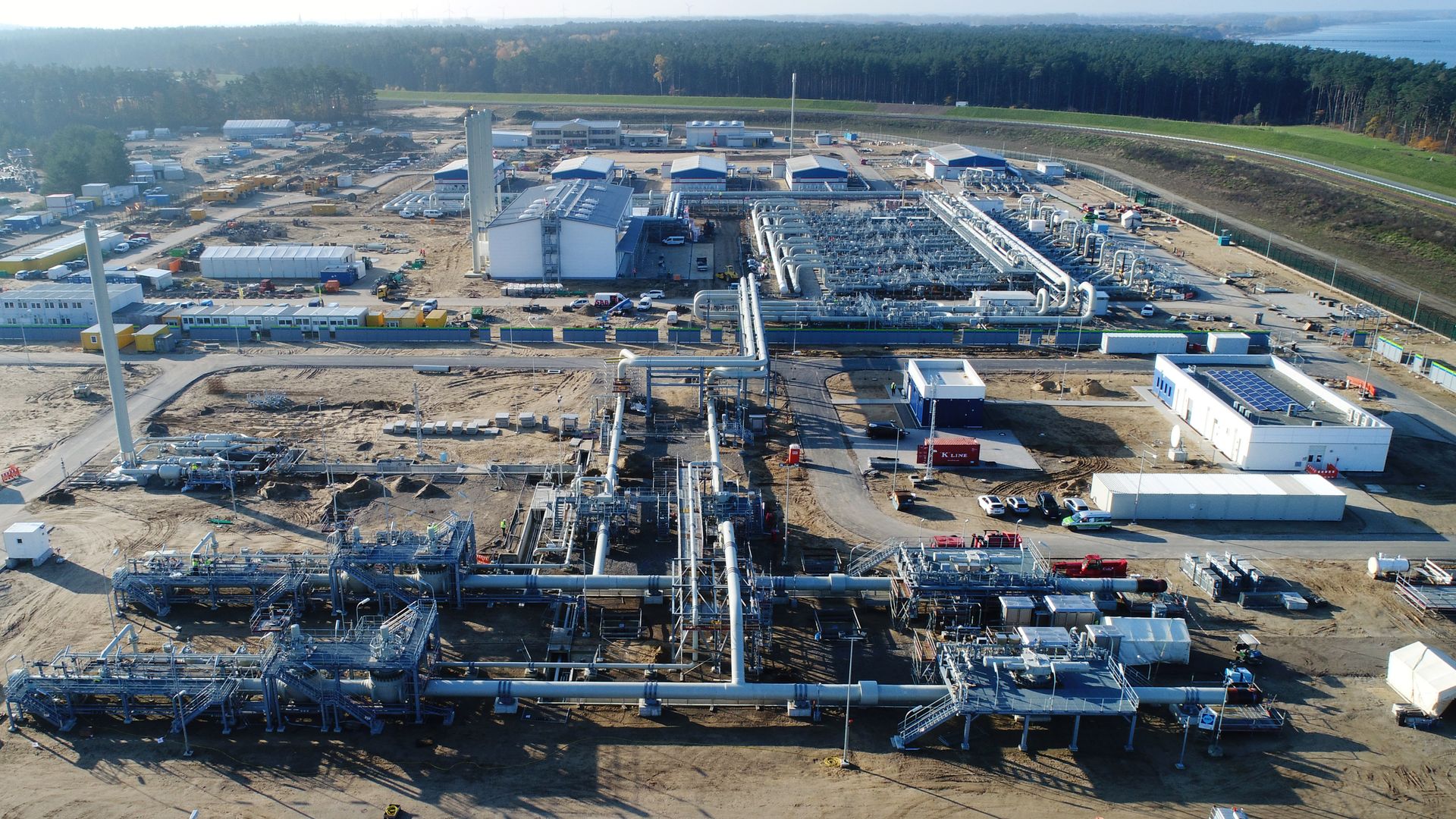
A major contractor on Russia's Nord Stream 2 natural gas pipeline to Germany is halting work to avoid sanctions that would be imposed under legislation that President Trump signed Friday night.
Why it matters: The move by the Switzerland-based Allseas to stop laying subsea pipeline sections in the Baltic Sea creates new hurdles for the controversial pipeline project.
The Trump administration announced plans on Friday to block a George W. Bush-era rule intended to mandate Americans use energy-efficient general purpose light bulbs.
Details: The rule was required by legislation passed in 2007, and would have gone into effect on Jan. 1, 2020, per the New York Times.It required the majority of bulbs sold in the U.S. be LED or fluorescent.
France is aiming to lower carbon emissions by raising its pollution tax on large vehicles with a new law adopted by parliament earlier this week, Bloomberg reports.
By the numbers: Cars that emit carbon dioxide above a certain threshold will be subject to a 20,000 euro penalty — more than the current fine of 12,500 euros. France's finance ministry is projecting 50 million euros annually in revenue from the tax — those yields will be used to support automakers' shift to cleaner energy.
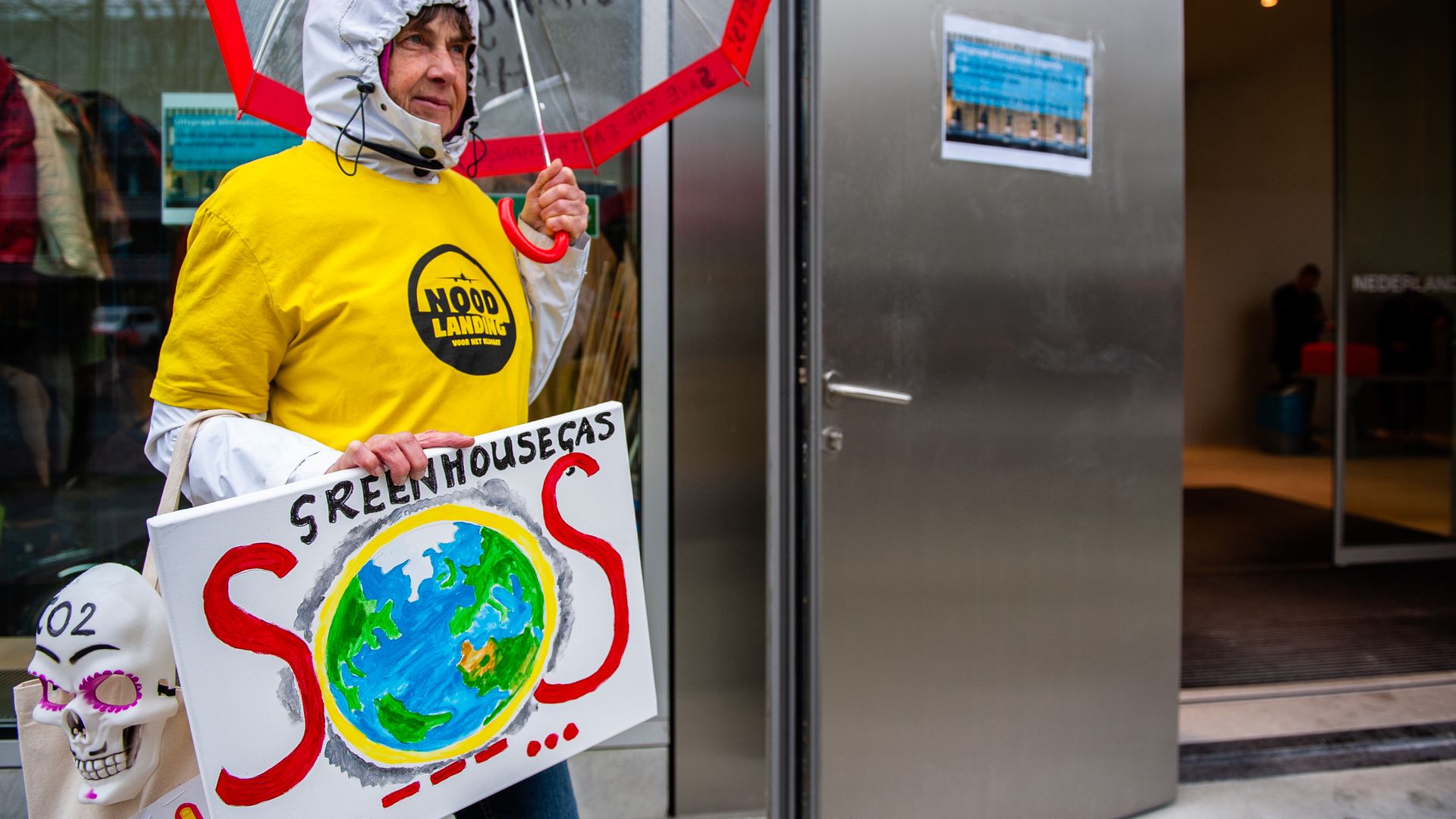
The Supreme Court in the Netherlands on Friday ordered the government there to cut national greenhouse gas emissions by 25% by the end of 2020.
Why it matters: This is the first time the courts have ever forced a country to address climate change and could set a precedent for courts in other nations, including the United States, in the absence of other action.
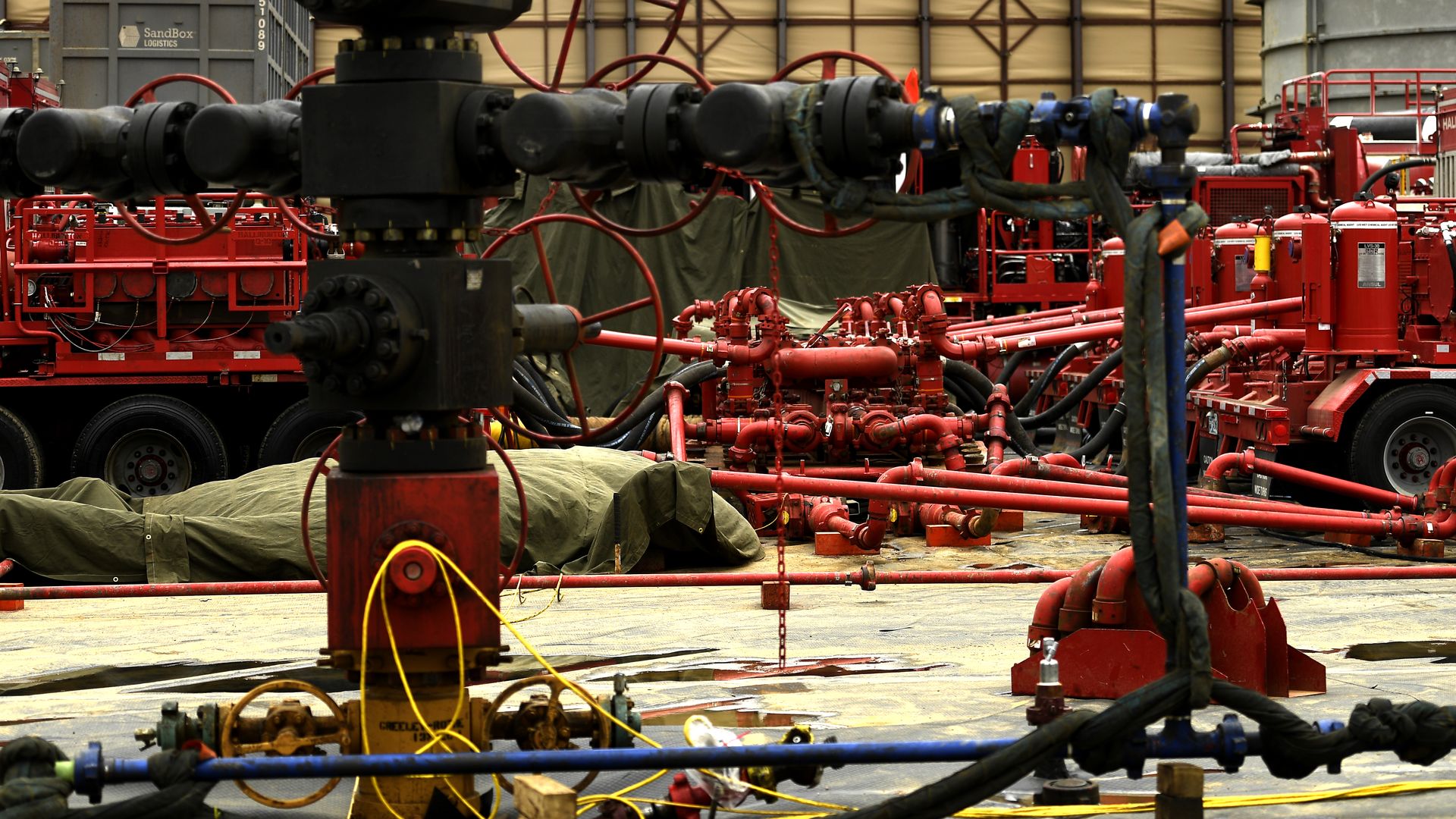
One of the higher-profile energy topics in the primary fight has been a push by several Democrats to ban or restrict fracking, although it didn't surface at the primary debates Thursday night.
Driving the news: A new note from the data analytics firm Kayrros sizes up what a president might actually be able to do — thwart fracking on federal lands. They account for a relatively small but hardly trivial share of U.S. oil and gas production.
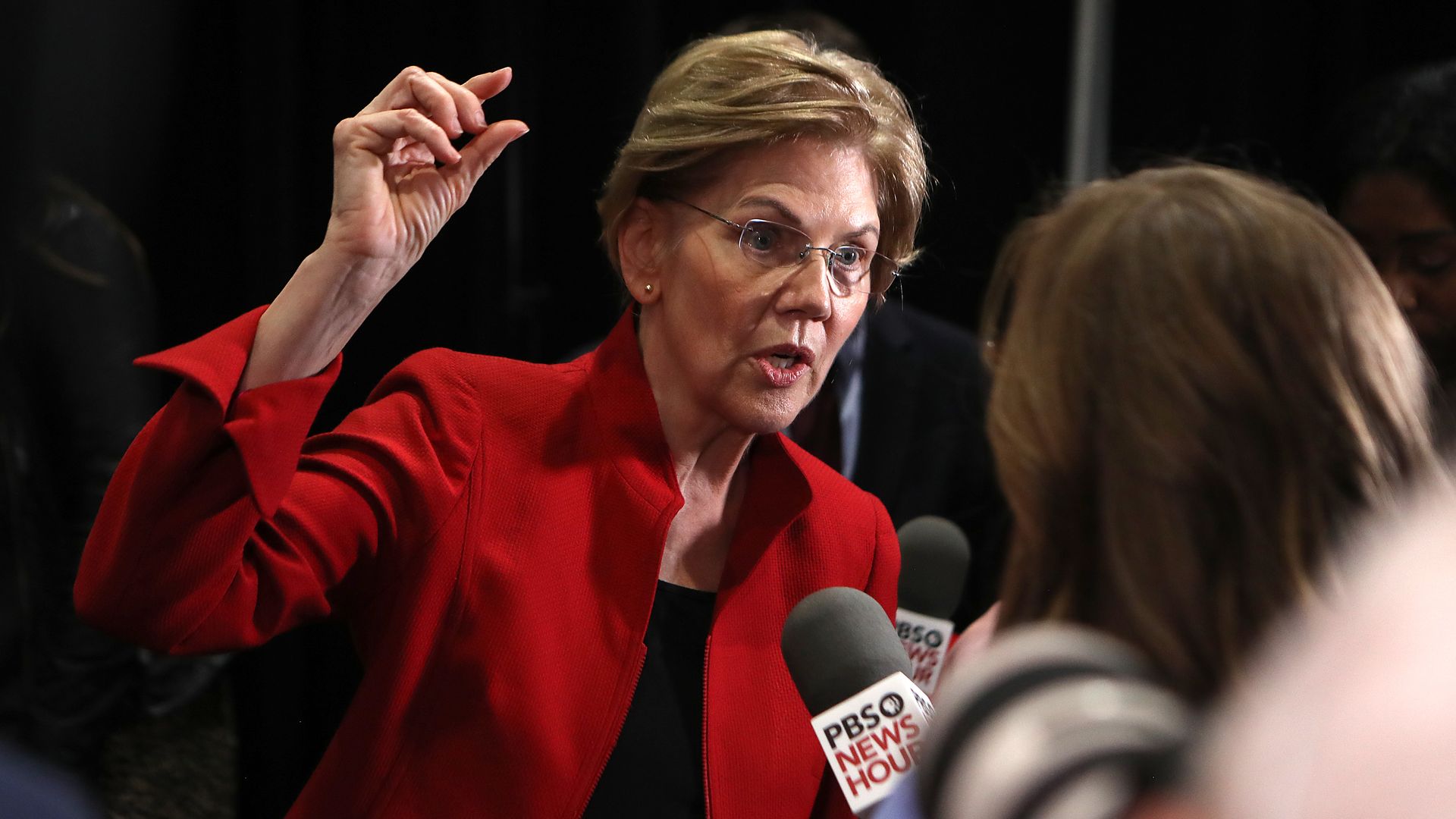
Elizabeth Warren is making an economically focused push on climate Friday as she seeks to regain momentum after briefly challenging for frontrunner status months ago.
Driving the news: The campaign is circulating a new analysis from the progressive think tank Data for Progress, which concludes her proposals would yield roughly 10.6 million jobs over 10 years.
Thursday's debate nicely encapsulated the way that climate change has become stitched into the fabric of wider Democratic policy and messaging on many topics.
The state of play: While a huge Green New Deal-style mobilization lacks legs in Congress, its all-encompassing conceptual framing — climate as inseparable from industrial policy, human rights and much more — is carrying the day.
Forty-six percent of U.S. homeowners say they have seriously considered installing solar panels at their homes, a new Pew Research Center poll shows.
Why it matters: It signals that the residential solar market has lots of room for growth. The survey notes that only 6% of homeowners polled have already installed systems — but the Solar Energy Industries Association's (SEIA) current estimate sits at 2.1%.
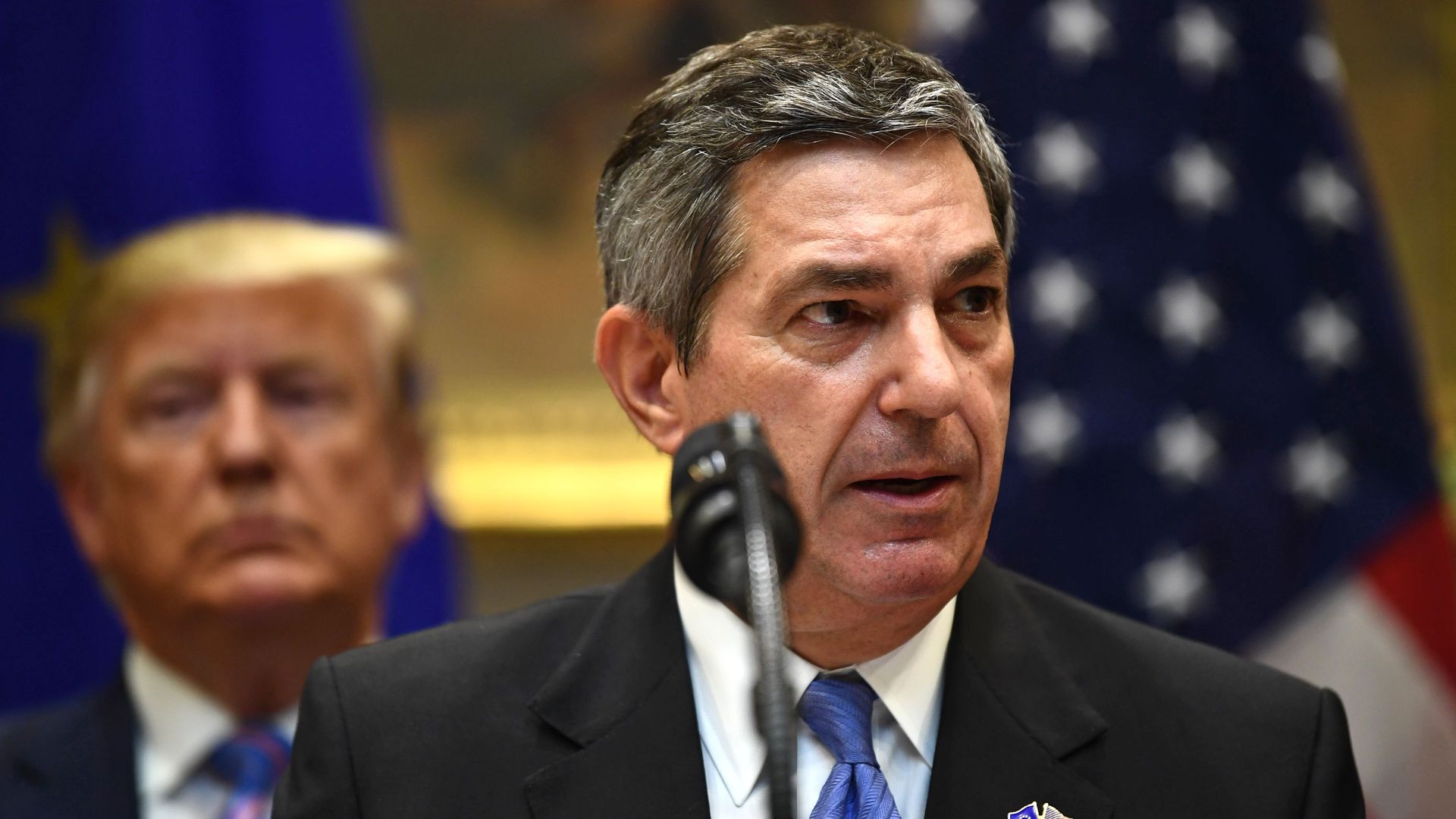
The European Union’s ambassador to the U.S., Stavros Lambrinidis, is criticizing America’s outsized impact on climate change, increasing tension between two allies that are already oceans apart on this problem.
Why it matters: The comments, made to reporters Thursday afternoon in Washington, come a week after the bloc said it may impose financial penalties on imports from nations that are less aggressive on climate change as part of its broader European Green Deal plan to curb emissions.
Sen. Bernie Sanders said at the Democratic debate on Thursday night that the USMCA free trade deal that President Trump negotiated is a "modest improvement" over NAFTA, but that he will not vote for it because it will not stop outsourcing to Mexico and does not mention climate change.
Why it matters: The House overwhelmingly passed the USMCA on Thursday after Democrats secured certain labor provisions. Passing the deal is one of Trump's top policy goals of 2019 and is tailor-made for protectionist Democrats, but Sanders — who has long opposed free trade agreements — still plans to vote against it when it reaches the Senate.