At Wednesday night's climate change town hall, top Democratic presidential candidates will be challenged to lay out a climate strategy that is both effective and politically viable.
The big picture: Despite efforts by state governments and the private sector, the U.S. has a long way to go to formulate a coherent and globally credible climate strategy. A dedicated town hall offers Democratic primary voters a chance to scrutinize proposals like the sweeping Green New Deal and it reflects their growing sense of urgency around climate change.
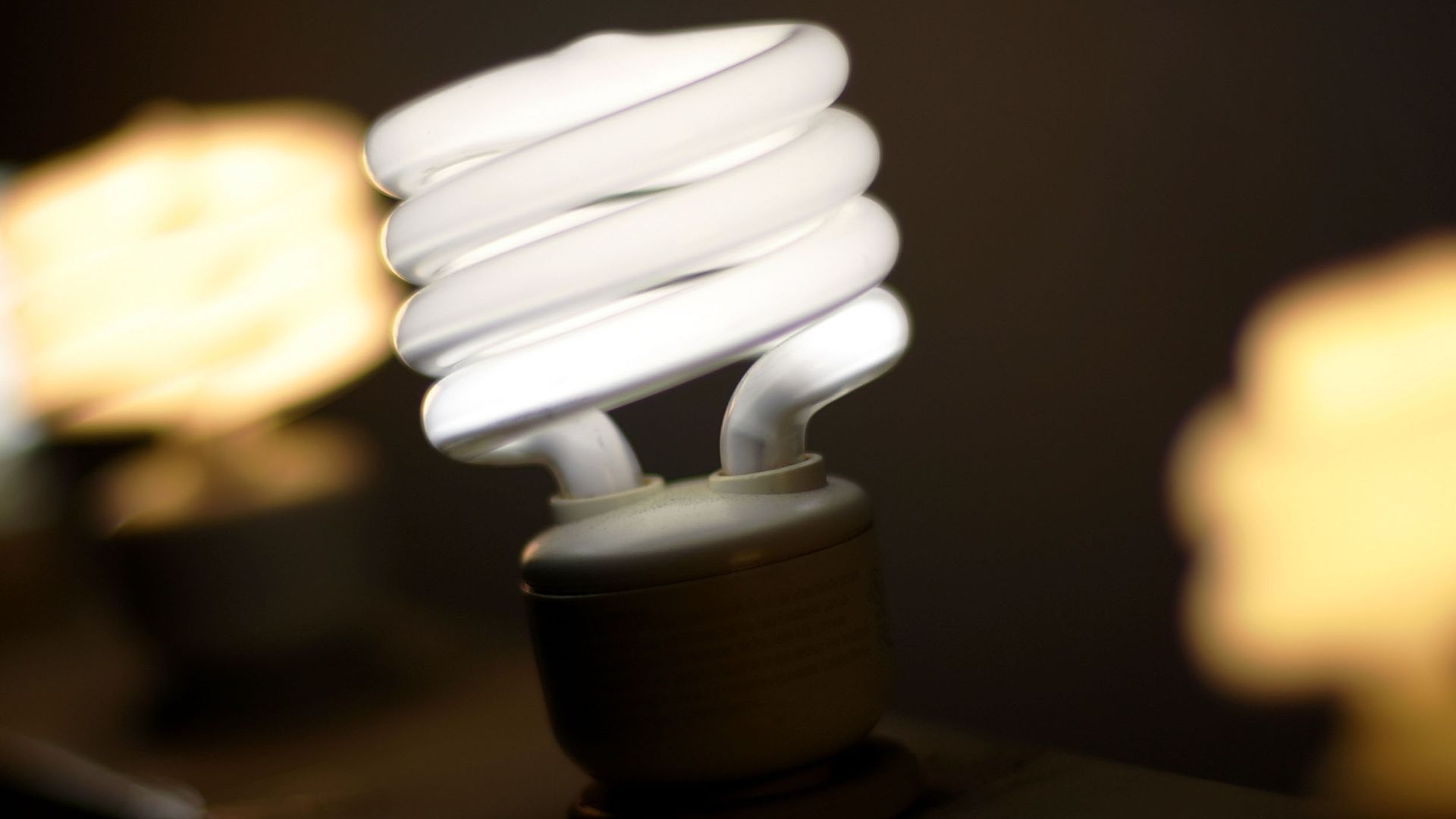
The Department of Energy on Wednesday unveiled new rules that annul Bush-era requirements on energy-saving lightbulbs slated to go into effect on Jan. 1, 2020, according to the New York Times.
Why it matters: The new rules could make less-efficient bulbs for certain fixtures more common, potentially contributing to man-made climate change by increasing greenhouse gas emissions. Politically, it's part of the Trump administration's broader efforts to roll back climate and other environmental regulations, such as those governing methane and auto emissions. A bipartisan Congress approved the policy to phase out less-efficient bulbs under Republican President George W. Bush in 2007.
The Highway Trust Fund, which finances road repairs, construction, and more, is paid for by the federal fuel tax — but will need a new funding model as EVs proliferate, because EV owners won't pay for fuel.
Why it matters: For years, the Highway Trust Fund has barely avoided bankruptcy, saved by marginal increases in vehicle miles driven and by cash infusions. This system will be unsustainable if EVs continue to grow in popularity.
The big picture: A new report from the nonpartisan Information Technology & Innovation Foundation shows the challenge of enacting even comparatively modest goals on that front, despite some support across the aisle for increases as Congress keeps rebuffing White House calls for deep cuts.
The last 24 hours brought a burst of climate plans from 2020 Democratic White House hopefuls — along with reminders of why some of the most ambitious proposals won’t happen unless the Senate flips too.
Why it matters: They signal how the field would go far beyond the Obama era in seeking to sharply drive down U.S. emissions, restricting fossil fuels and spurring a sweeping transition to zero-carbon fuels.
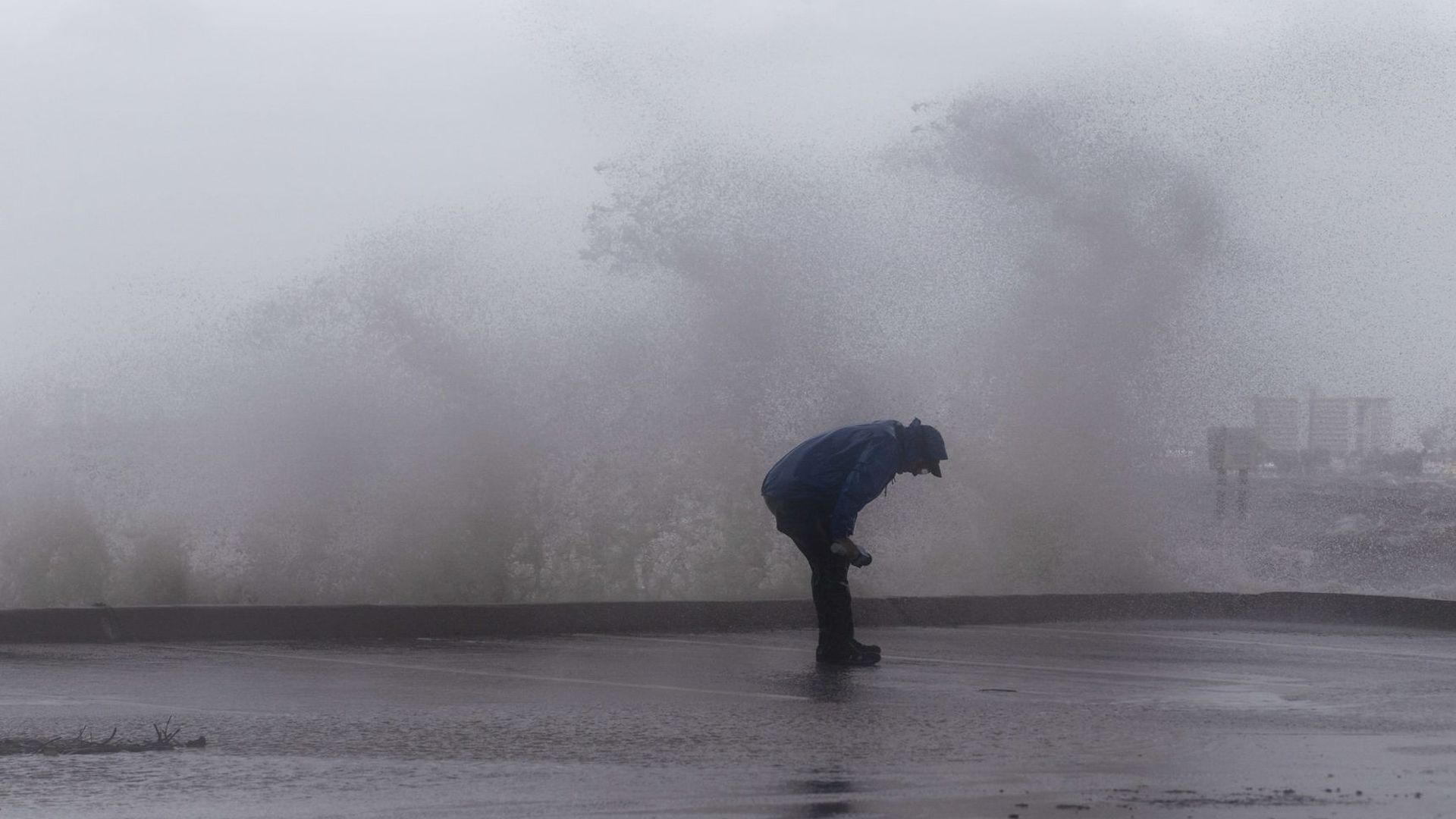
Hurricane Dorian is lashing Florida's northeast coast with tropical conditions, with dangerous winds and coastal flooding reported in the state as the deadly storm heads toward the U.S.
The big picture: Dorian was downgraded to a Category 2 storm on Tuesday, but the National Hurricane Center warns that it'll remain a powerful hurricane, and it's forecast to move near or over the Carolinas' coast Thursday through Friday morning. States of emergency have been declared in Florida, Georgia, South Carolina, North Carolina and Virginia. Mandatory evacuations had been taking place in the 5 states since the weekend, affecting millions of people, per ABC News
The National Weather Service issued a tweet Sunday to stress that Hurricane Dorian will have no impact on Alabama after President Trump claimed that the state would be affected by the category 5 storm.