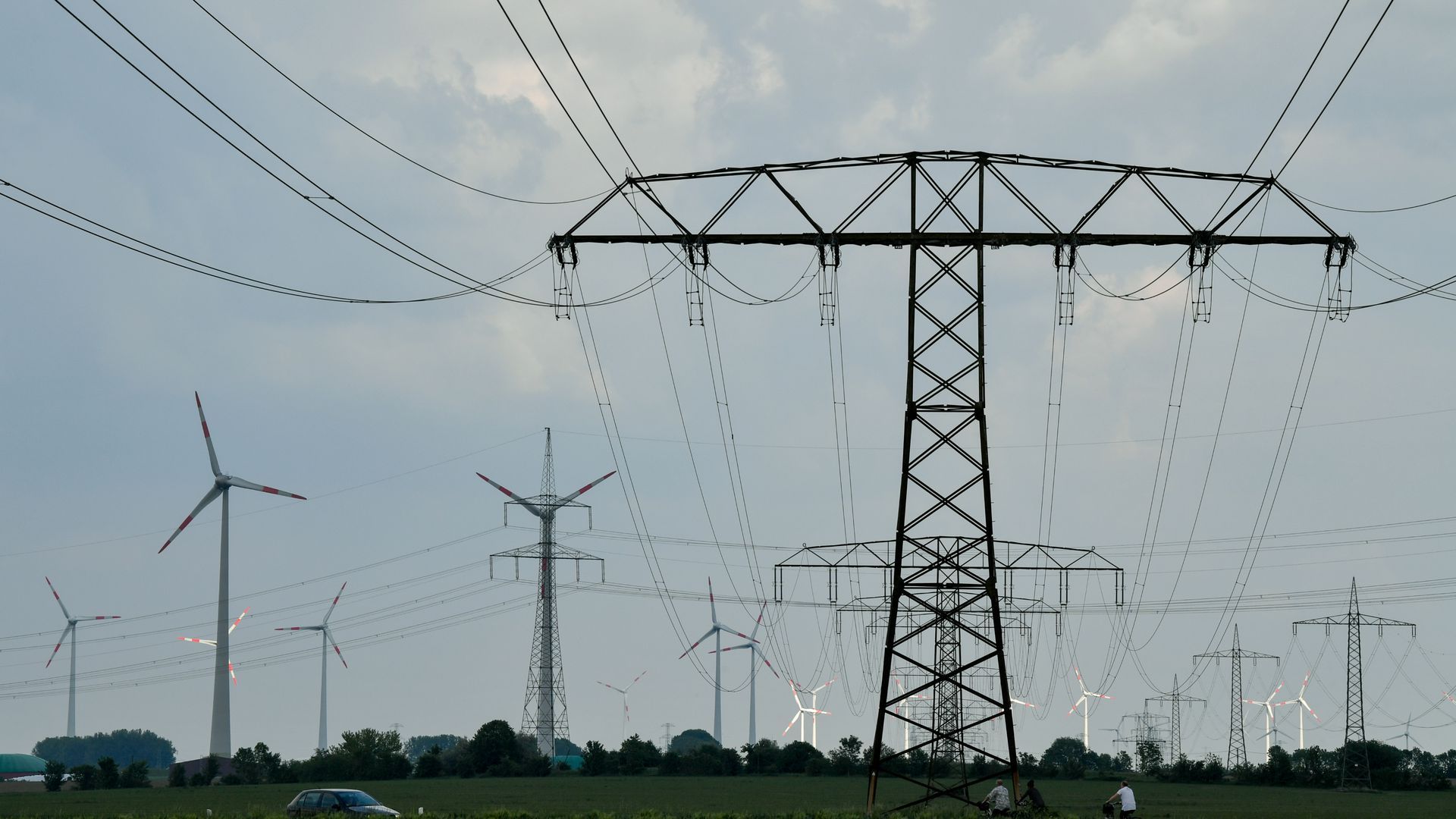
America was “tantalizingly” close to building what would have amounted to a superhighway power line sending renewable energy across the country, but local opposition, government delay and utility disinterest killed it.
What's happening: In "Superpower: One Man's Quest to Transform American Energy" (just out today), WSJ reporter Russell Gold documents in excruciating detail the reality of just how hard it is to build big infrastructure projects in the United States.
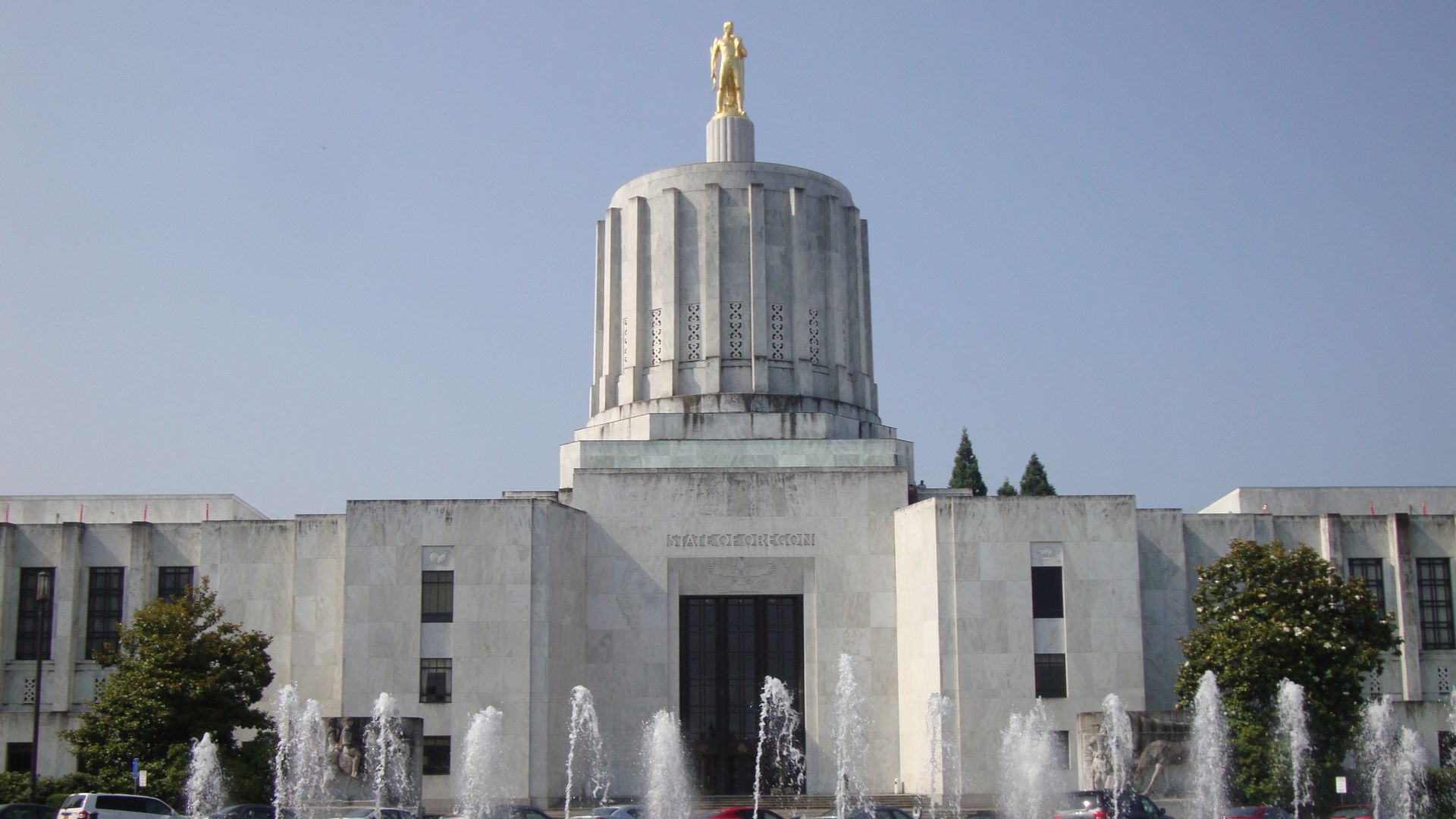
Oregon's Senate president said Tuesday that a landmark climate bill to enact carbon capping is dead after Republicans fled the state to avoid a vote, according to The Oregonian.
Catch up quick: The Democrat-controlled state Senate backed a bill to imp0se capping regulations on carbon emissions. As the bill neared a vote, Republicans left the state Capitol last week to stall the measure. However, with a June 30 deadline for Oregon's legislative session, all other legislation was halted by Republicans' absence, leaving Democrats with the choice of sticking to their climate efforts or pursuing the remainder of their agenda.
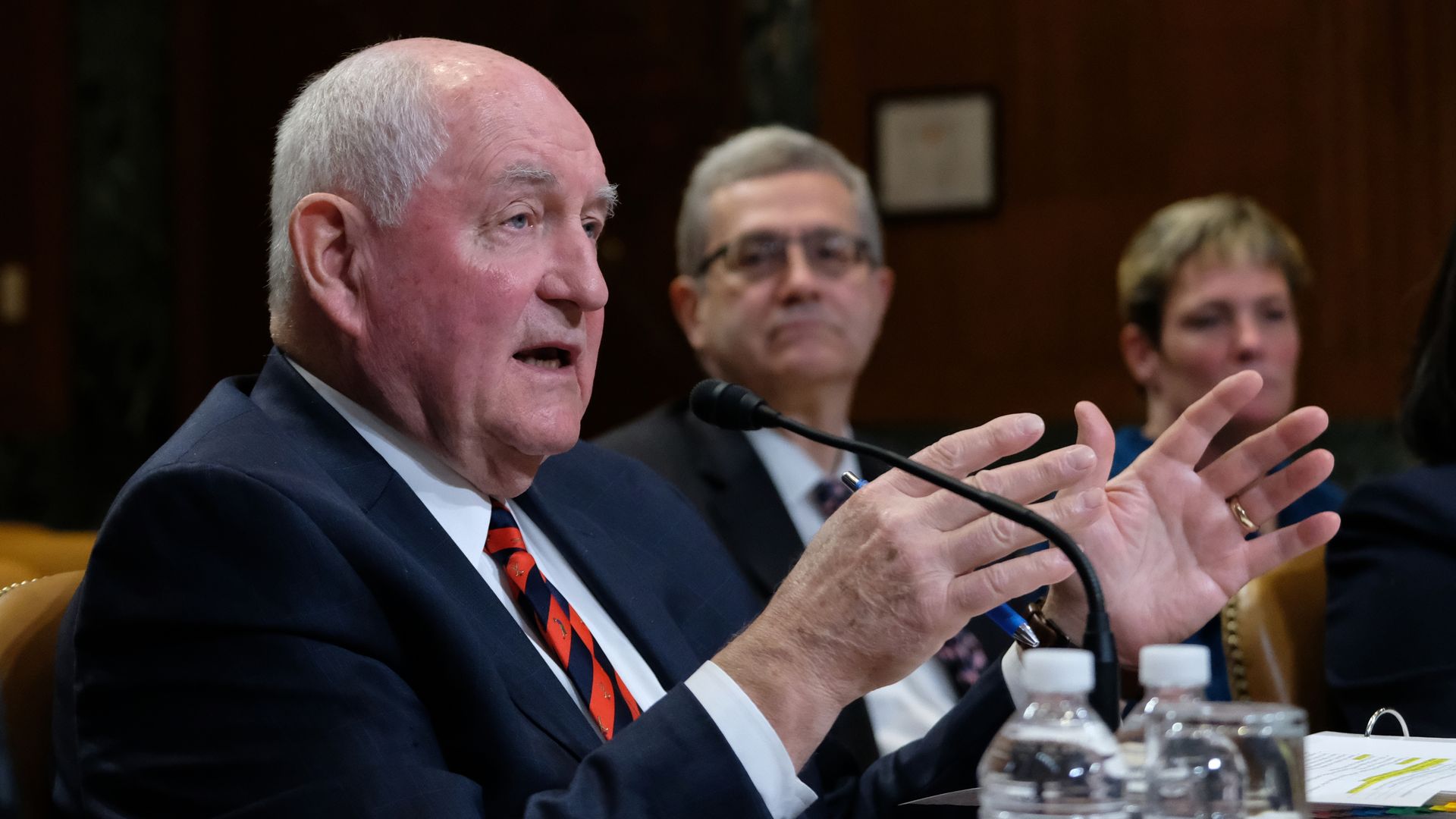
Agriculture Secretary Sonny Perdue told CNN that he believes human-caused climate change is just a result of changes in weather, stating: "You know, I think it's weather patterns. ... It rained yesterday, it's a nice pretty day today. So the climate does change in short increments and in long increments."
Why it matters: Climate change — which occurs over decades and influences extreme weather patterns — has tremendous effects on the agriculture industry, which Perdue oversees in his current role. Over the past year alone, record rainfall throughout the central U.S. has saturated farmers' fields to the point of no return, leaving large portions of land useless and resulting in stunted harvests. Such extreme weather events are symptomatic of climate change, studies show.
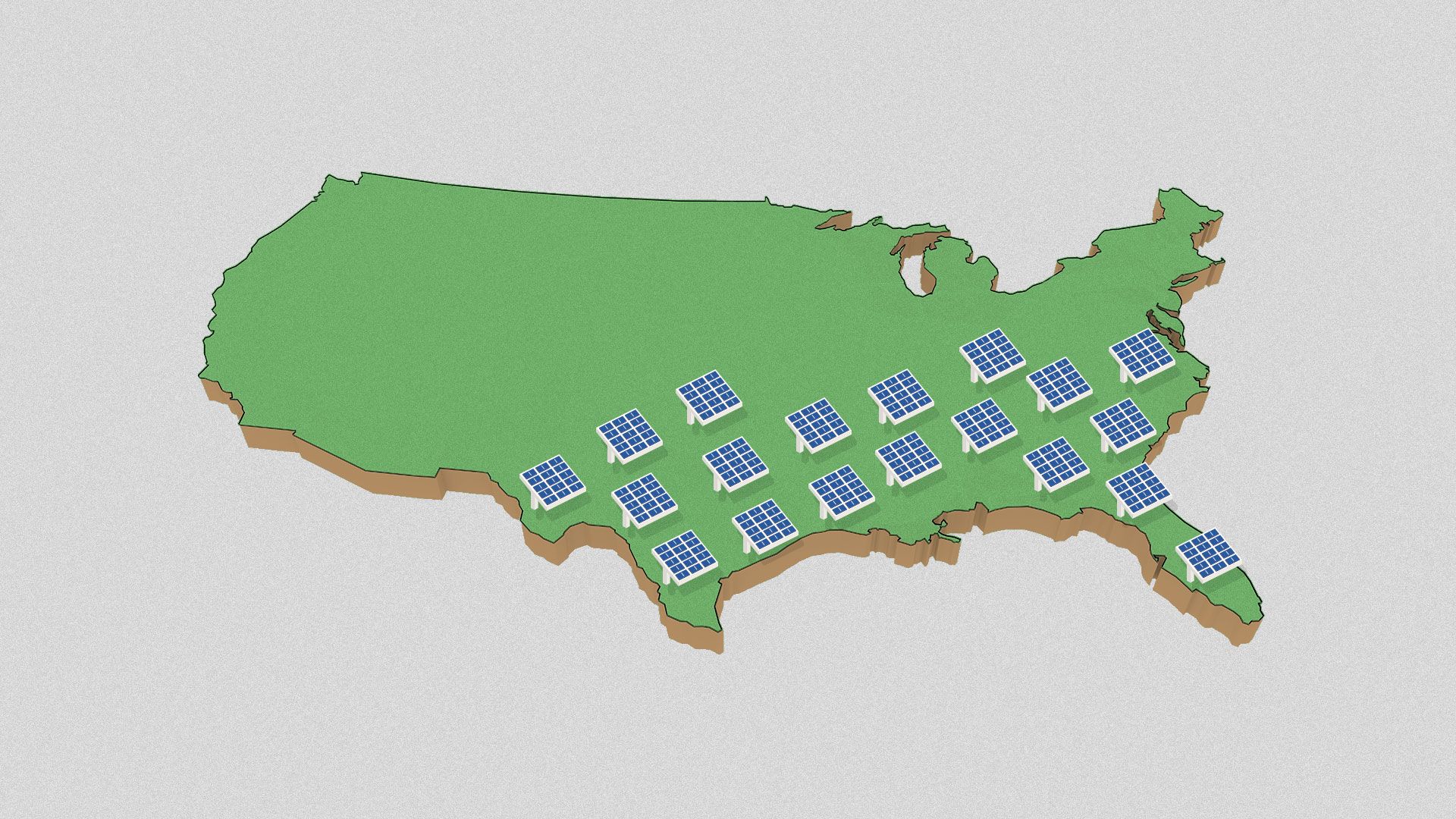
Solar panels? For investors in solar power stocks and ETFs so far this year, it's been more like solar profits.
What's happening: Invesco's solar ETF, up 51% year-to-date, has returned about four times the S&P 500's gain for 2019 and has even delivered almost double the average return of other clean energy ETFs, after a tough 2018.
Plenty of Democrats have supported natural gas as a way to kick coal out of the U.S. energy mix over the past several years, but that’s rapidly changing.
Why it matters: Natural gas, while far cleaner than coal and oil, is still a fossil fuel that emits heat-trapping emissions that cause global warming. It’s become plentiful in America over the past decade and is poised to become one of the world’s dominant energy sources. To what degree politicians embrace it or not is critical.
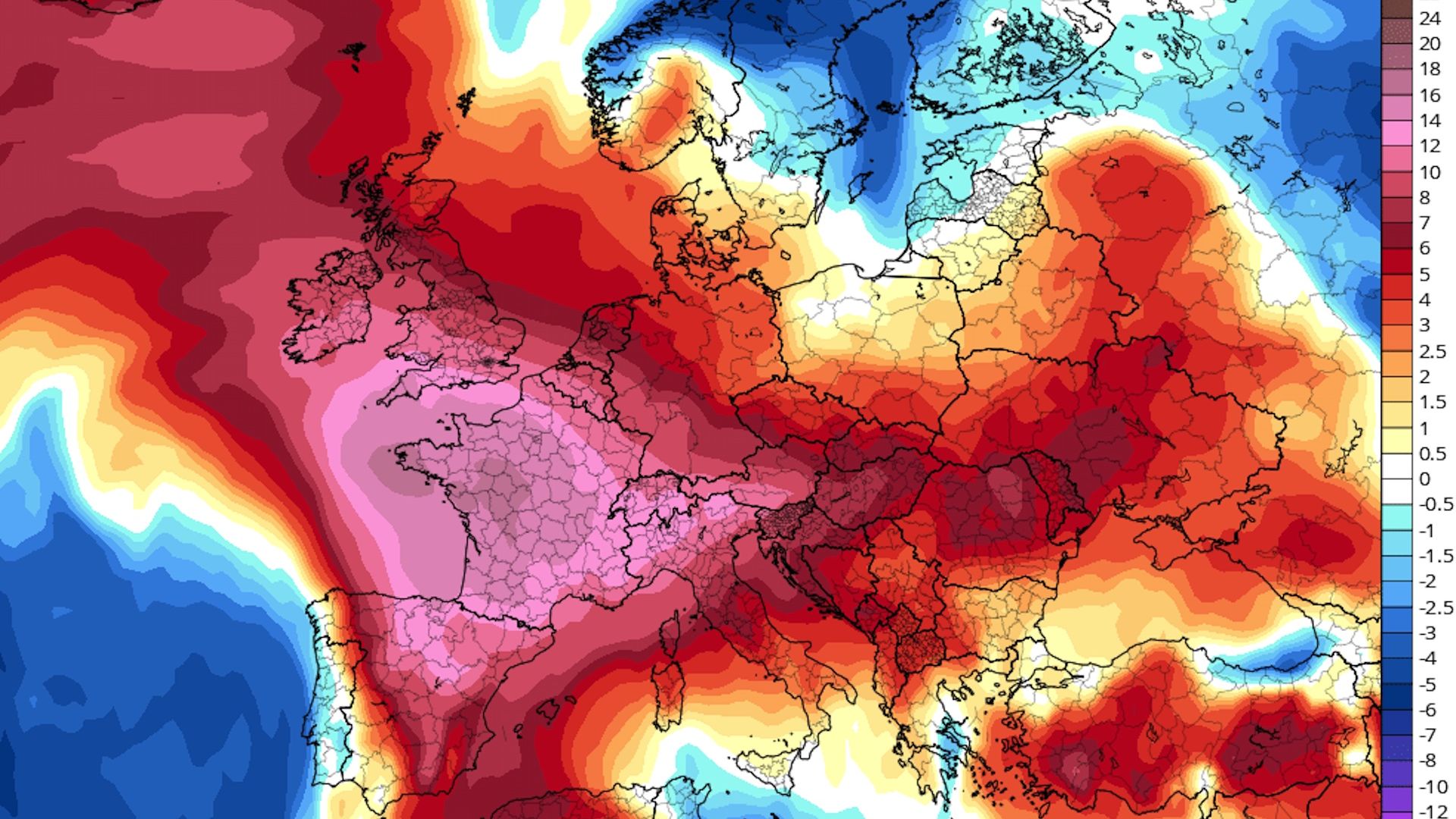
Air imported directly from the Sahara Desert into Western Europe will result in a record-shattering heat wave this week that could break all-time monthly temperature records in some locations, including Spain, France, Belgium, Germany, Poland and Denmark.
Why it matters: An extended heat wave at the start of summer is a threat to public health, since people are not yet accustomed to such high temperatures, making them more susceptible to heat-related illnesses. Europe has a history of deadly heat events in recent years. In 2003, for example, an August heat wave contributed to as many as 70,000 excess deaths, primarily in France, and became the first extreme weather event to be conclusively tied to human-caused global warming.
2020 Democratic White House hopeful Jay Inslee unveiled plans Monday aimed at weaning the U.S. off of reliance on coal, oil and gas.
Why it matters: The mix of legislative and executive proposals to restrict fossil fuel development comes just ahead of this week's first debate — and while the Washington governor is very low in the polls, his climate-focused campaign has raised the topic's profile in the race.
President Trump complained via Twitter on Monday that Asian nations heavily reliant on oil passing through the Strait of Hormuz weren’t doing enough to safeguard tanker traffic.
"[W]hy are we protecting the shipping lanes for other countries (many years) for zero compensation. All of these countries should be protecting their own ships on what has always been a dangerous journey."
Why it matters: It’s the latest wrinkle in the escalating tensions with Iran around the Strait of Hormuz — presumably what Trump meant when he cited nations’ reliance on the "Straight."
The Trump administration is not publicizing study findings on climate change effects or promoting government-funded research on how higher temperatures are damaging crops and posing health risks, Politico reports.
Details: The peer-reviewed studies, cleared through the nonpartisan Agricultural Research Service, the principal in-house research agency of the Department of Agriculture, examined the effects of carbon dioxide, rising temperatures and volatile weather, rather than specifically focusing on the causes of global warming, according to Politico.