Five current and former Tesla employees say the company is prototyping its own "advanced lithium ion battery cells," CNBC reports.
Why it matters: Creating its own batteries could allow Tesla to "offer cheaper, higher-performance electric vehicles than it does today, without having to pay or share data and resources with outside vendors or partners," per CNBC. Tesla currently relies on Panasonic to develop its batteries.
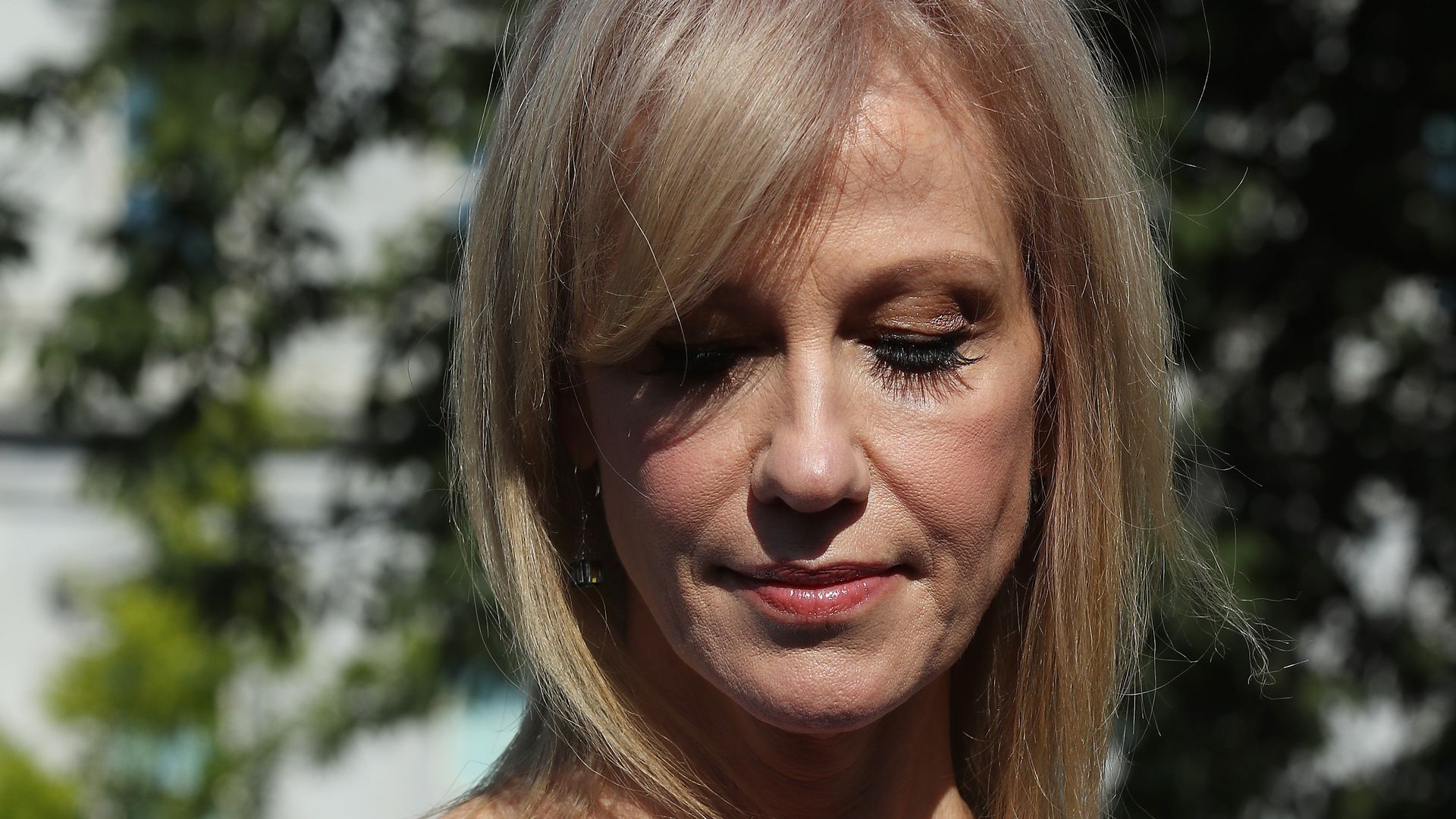
The House Oversight Committee voted 25-16 Wednesday to subpoena White House senior counselor Kellyanne Conway for testimony in connection to her alleged Hatch Act violations.
The big picture: The Office of Special Counsel said earlier this month that Conway had violated the Hatch Act multiple times by "disparaging Democratic presidential candidates while speaking in an official capacity during television interviews and on social media," and recommended she be fired from her position. The committee sought Conway's testimony Wednesday, but the White House deemed her "absolutely immune" from testifying.
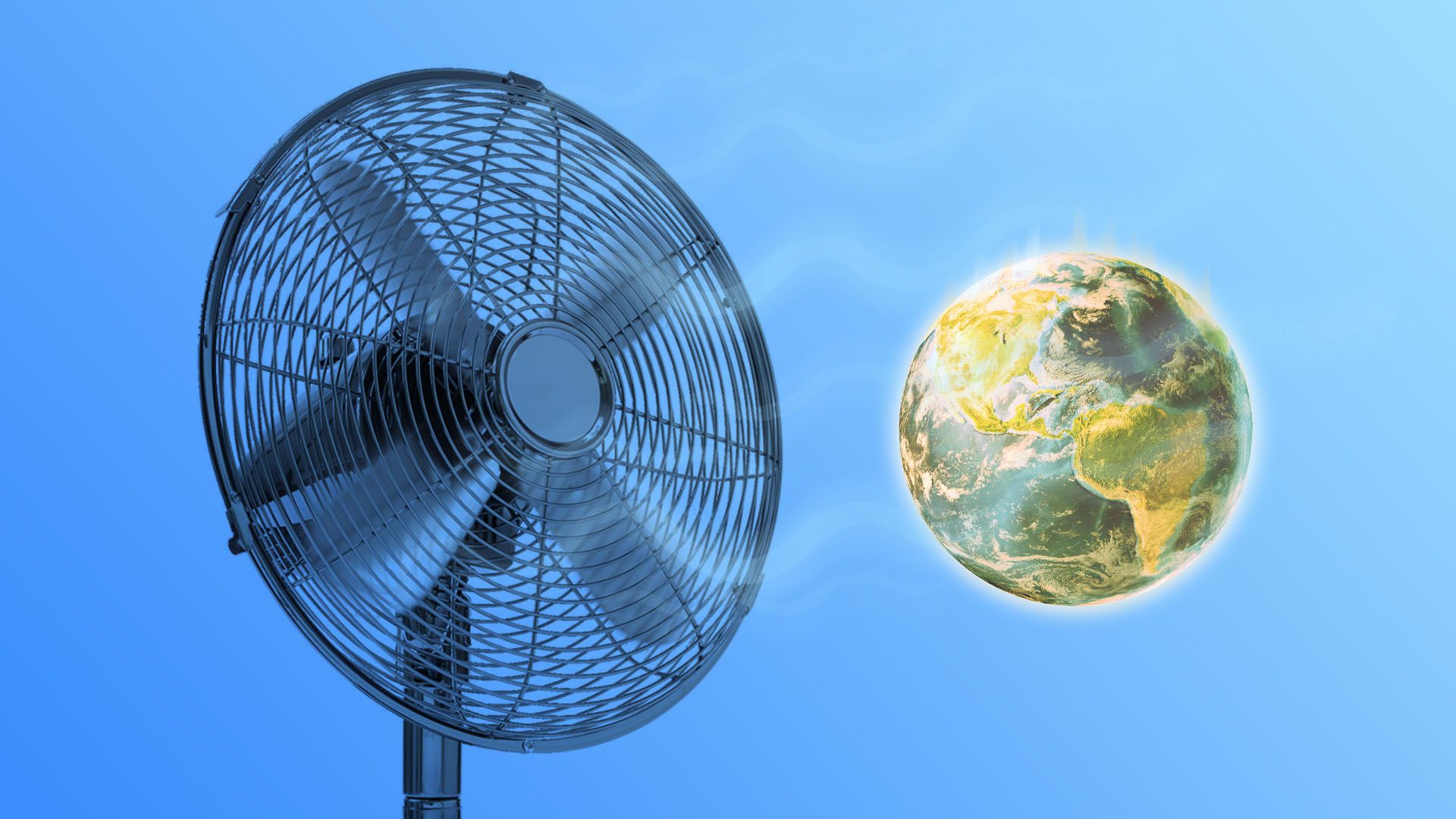
A new peer-reviewed study finds that higher temperatures could bring large increases in energy demand as use of cooling soars, far outweighing reduced need for heating.
Why it matters: The paper published in Nature Communications finds that depending on future warming levels, global demand in 2050 could be 11%–58% higher than what's otherwise expected based on economic development and population growth.
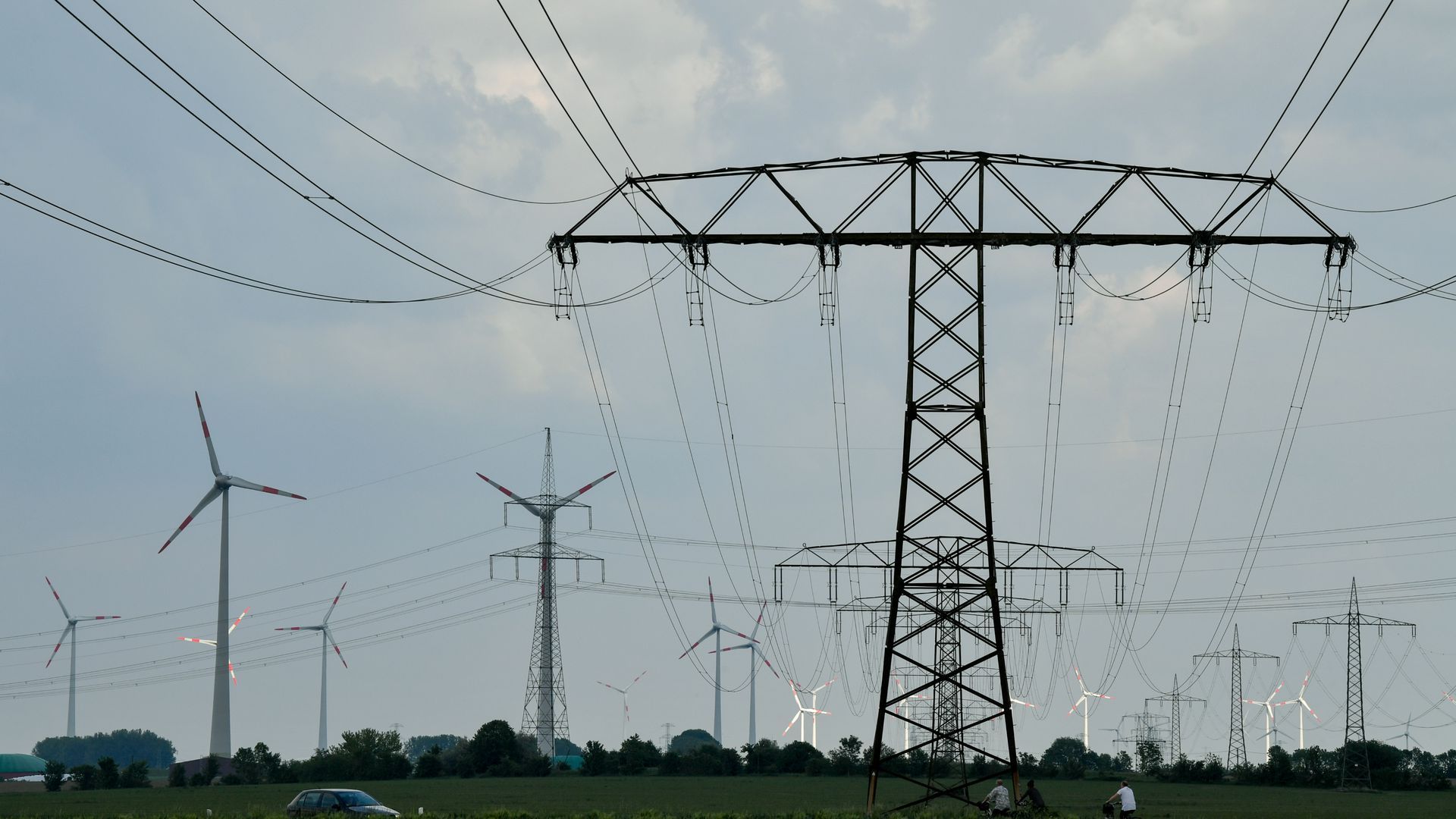
America was “tantalizingly” close to building what would have amounted to a superhighway power line sending renewable energy across the country, but local opposition, government delay and utility disinterest killed it.
What's happening: In "Superpower: One Man's Quest to Transform American Energy" (just out today), WSJ reporter Russell Gold documents in excruciating detail the reality of just how hard it is to build big infrastructure projects in the United States.
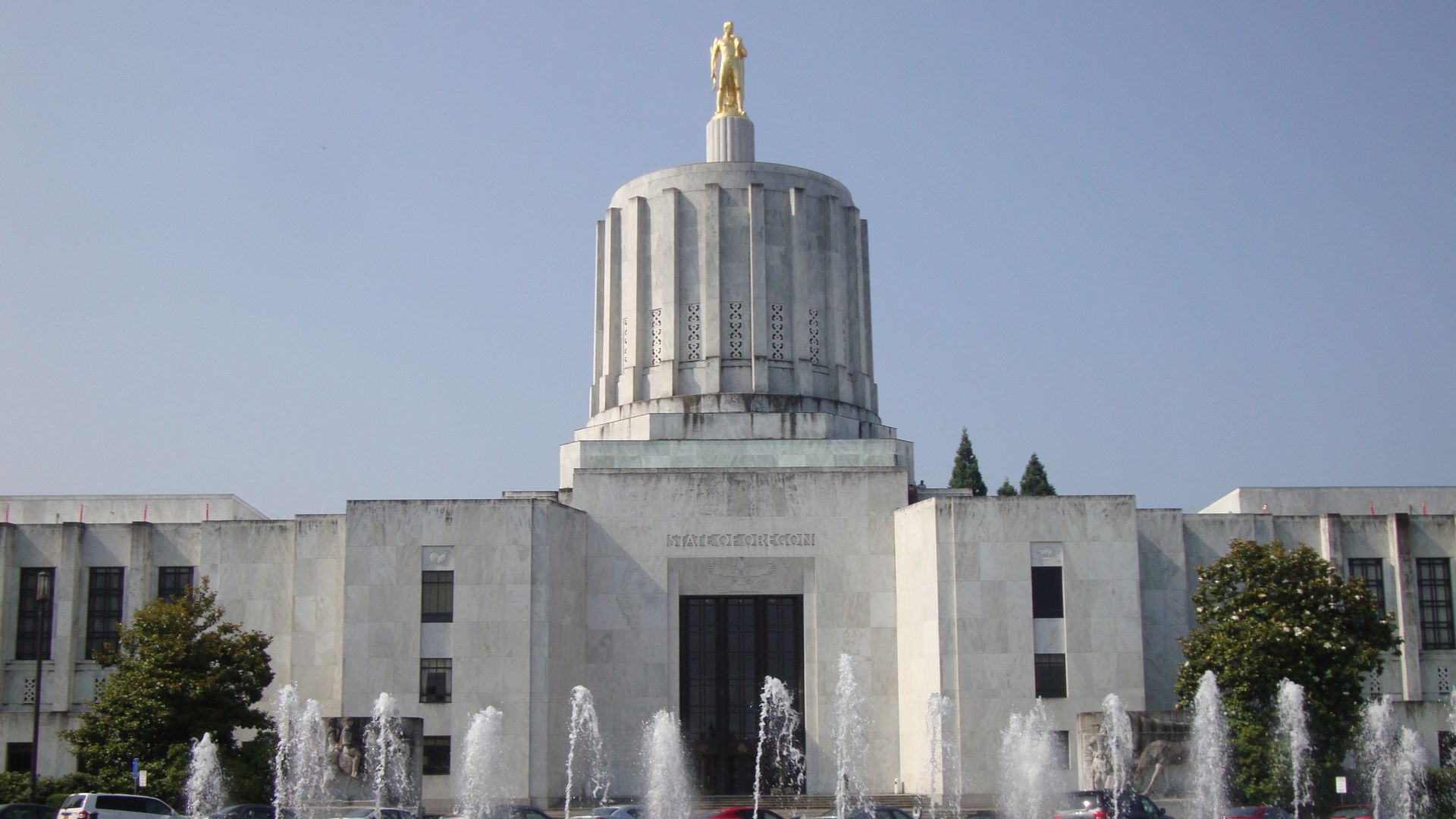
Oregon's Senate president said Tuesday that a landmark climate bill to enact carbon capping is dead after Republicans fled the state to avoid a vote, according to The Oregonian.
Catch up quick: The Democrat-controlled state Senate backed a bill to imp0se capping regulations on carbon emissions. As the bill neared a vote, Republicans left the state Capitol last week to stall the measure. However, with a June 30 deadline for Oregon's legislative session, all other legislation was halted by Republicans' absence, leaving Democrats with the choice of sticking to their climate efforts or pursuing the remainder of their agenda.
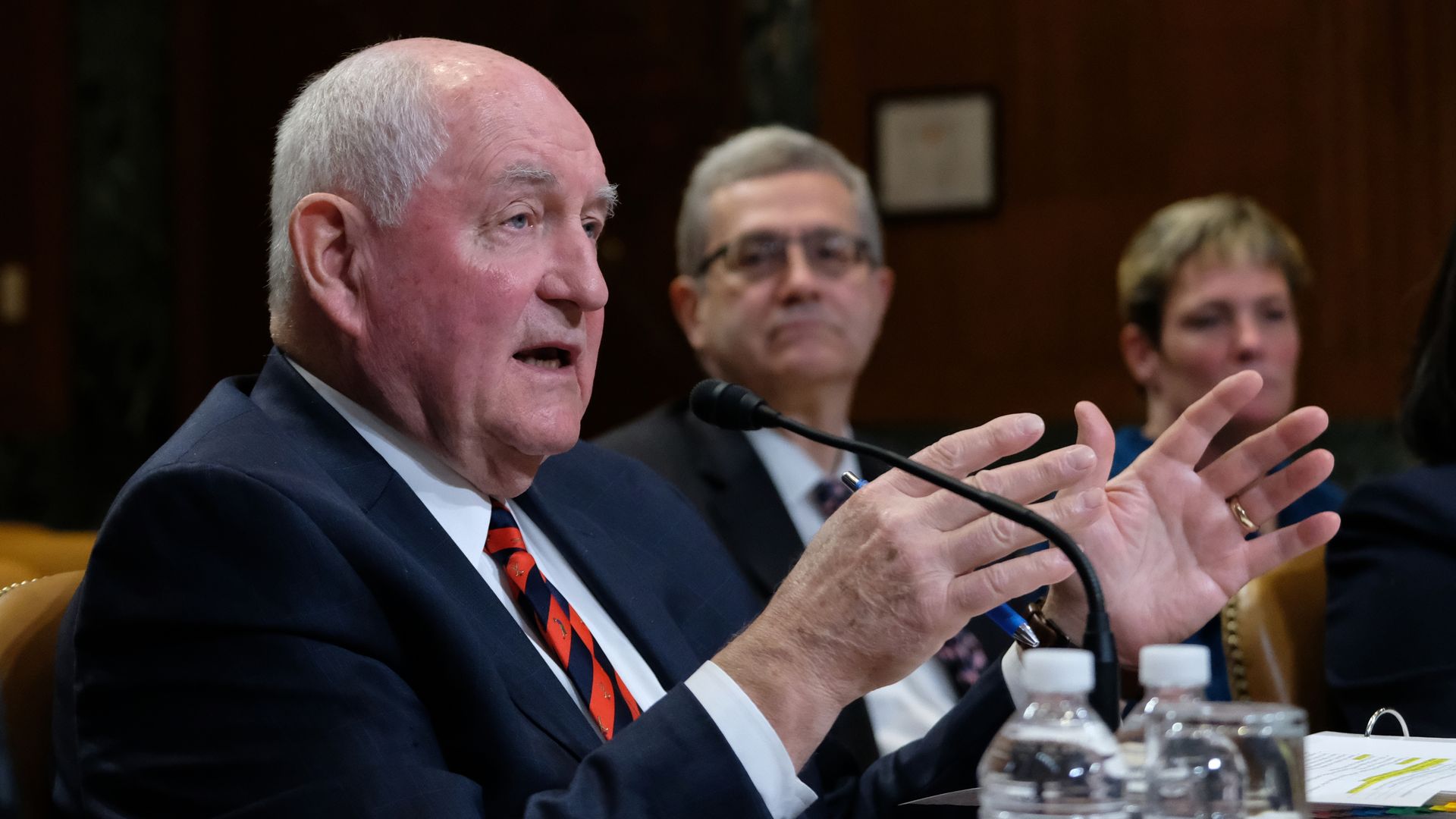
Agriculture Secretary Sonny Perdue told CNN that he believes human-caused climate change is just a result of changes in weather, stating: "You know, I think it's weather patterns. ... It rained yesterday, it's a nice pretty day today. So the climate does change in short increments and in long increments."
Why it matters: Climate change — which occurs over decades and influences extreme weather patterns — has tremendous effects on the agriculture industry, which Perdue oversees in his current role. Over the past year alone, record rainfall throughout the central U.S. has saturated farmers' fields to the point of no return, leaving large portions of land useless and resulting in stunted harvests. Such extreme weather events are symptomatic of climate change, studies show.
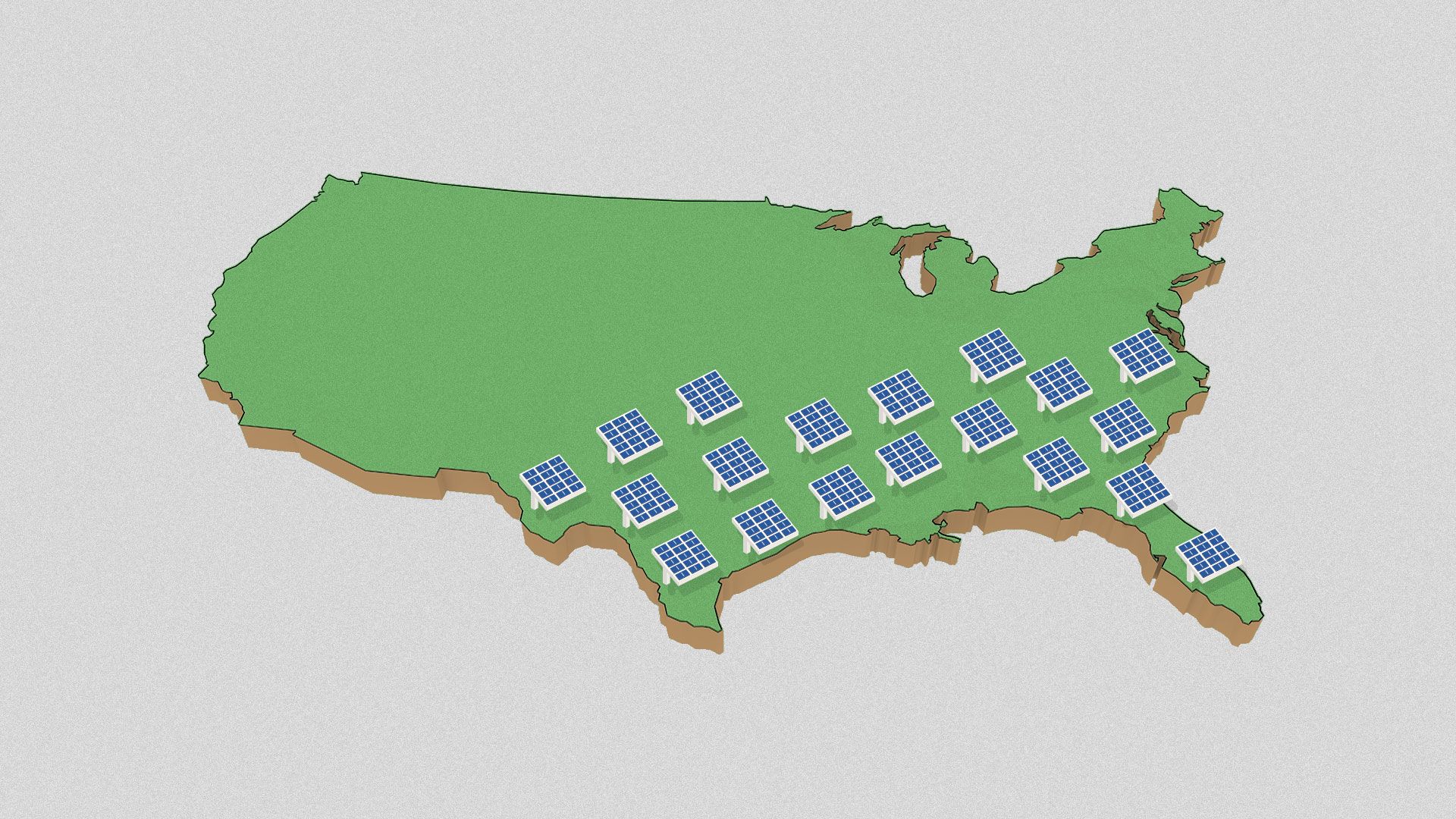
Solar panels? For investors in solar power stocks and ETFs so far this year, it's been more like solar profits.
What's happening: Invesco's solar ETF, up 51% year-to-date, has returned about four times the S&P 500's gain for 2019 and has even delivered almost double the average return of other clean energy ETFs, after a tough 2018.
Plenty of Democrats have supported natural gas as a way to kick coal out of the U.S. energy mix over the past several years, but that’s rapidly changing.
Why it matters: Natural gas, while far cleaner than coal and oil, is still a fossil fuel that emits heat-trapping emissions that cause global warming. It’s become plentiful in America over the past decade and is poised to become one of the world’s dominant energy sources. To what degree politicians embrace it or not is critical.