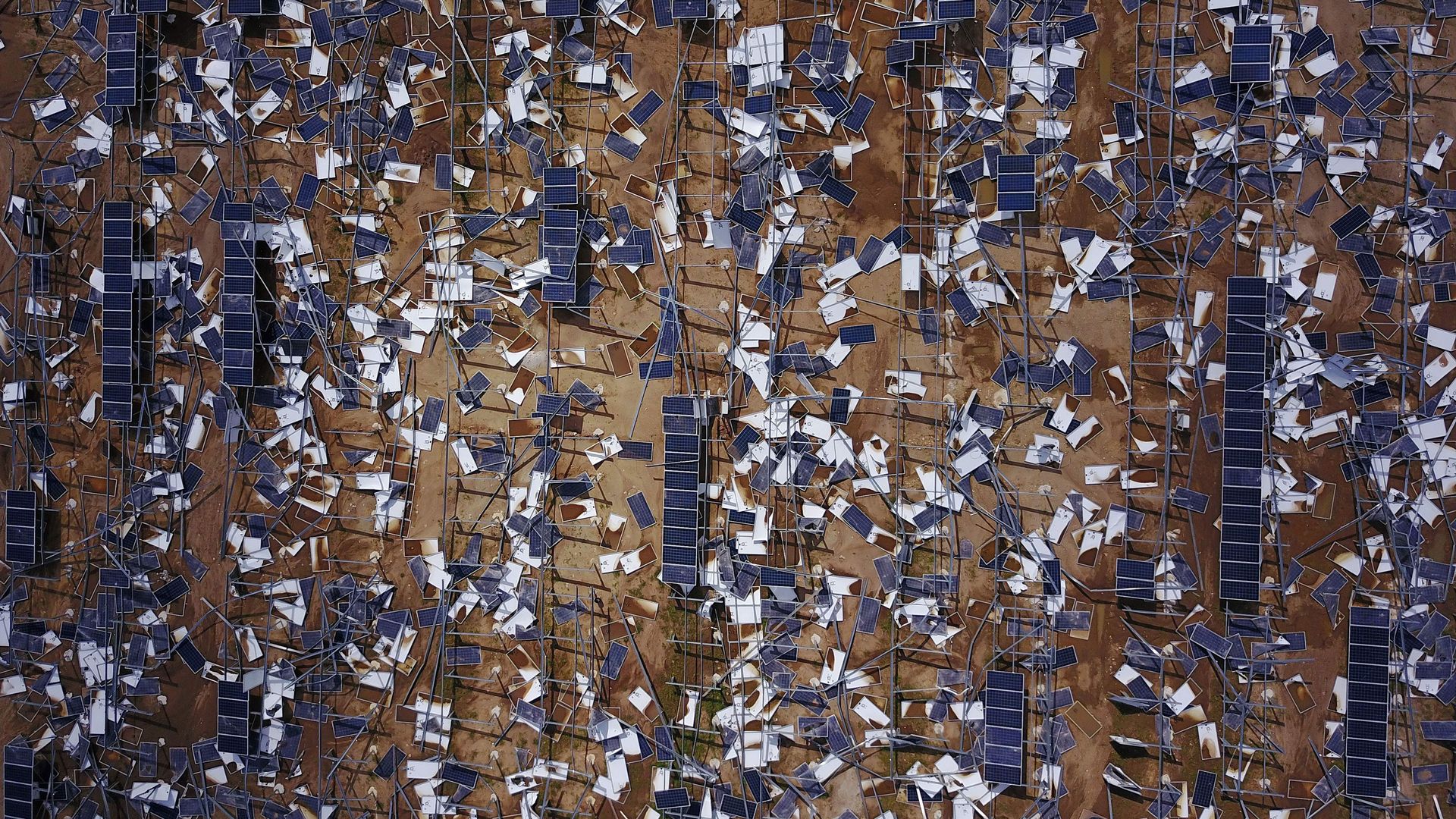
Puerto Rico has pledged to use 100% renewable power by 2050 as the island rebuilds its grid in the wake of Hurricane Maria, according to the Puerto Rico Energy Public Policy Act signed by Gov. Ricardo Rosselló this month.
The bottom line: The Puerto Rico Electric Power Authority (PREPA) has set short-term goals for reaching the 100% renewable power deadline. José Ortiz Vázquez, PREPA's CEO, tells Axios he's discussed implementing a "transitional" plan with the U.S. Department of Energy that will use natural gas as a backbone for metropolitan areas as the island works to rebuild its power grid and use more solar power.
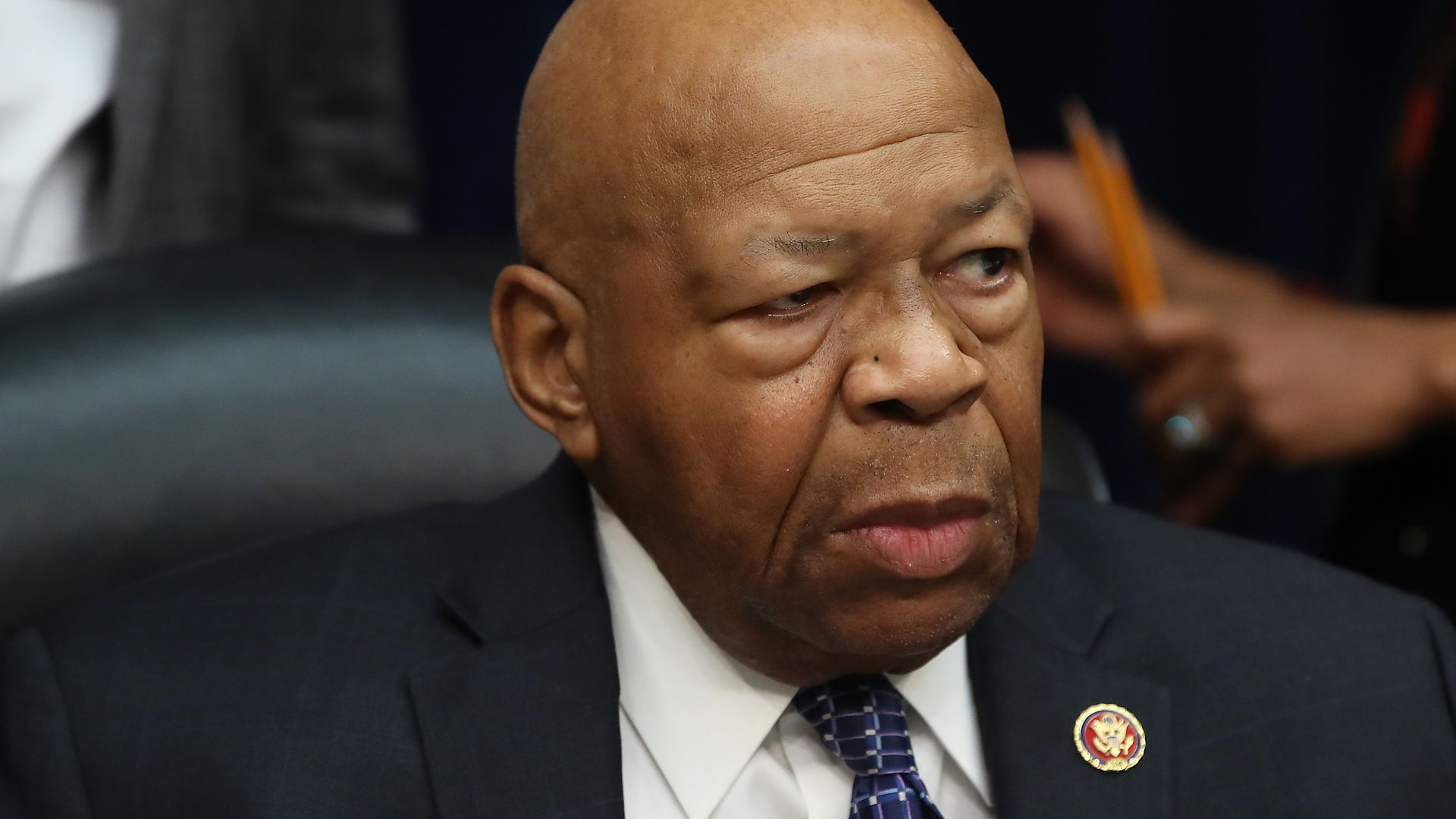
House Oversight Committee Chairman Elijah Cummings said in a statement Tuesday that he'll move to schedule a vote to hold former White House Personnel Security Director Carl Kline in contempt for refusing to comply with a subpoena at the recommendation of the Trump administration.
"The White House and Mr. Kline now stand in open defiance of a duly authorized congressional subpoena with no assertion of any privilege of any kind by President Trump. Based on these actions, it appears that the President believes that the Constitution does not apply to his White House, that he may order officials at will to violate their legal obligations, and that he may obstruct attempts by Congress to conduct oversight. It also appears that the White House believes it may dictate to Congress — an independent and co-equal branch of government — the scope of its investigations and even the rules by which it conducts them. To date, the White House has refused to produce a single piece of paper or a single witness in any of the Committee's investigations this entire year."
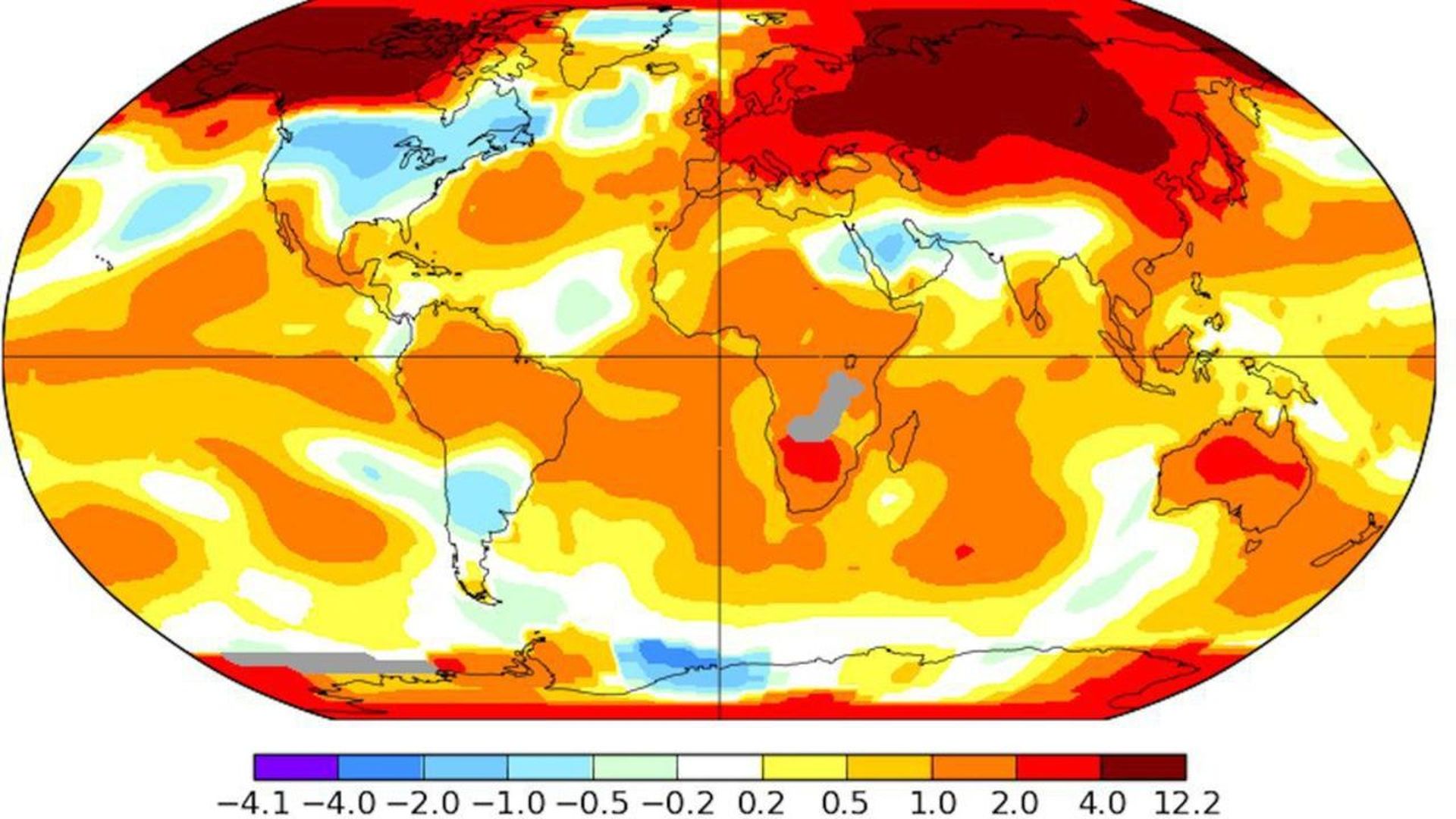
Global warming has already created winners and losers across the world, with poorer, tropical nations suffering the most even though they contributed far less to the problem in the first place, a new study finds.
Adapted from Diffenbaugh, et. al., "Global warming has increased global economic inequality", 2019; Chart: Axios Visuals
A new Boston Consulting Group paper is the latest analysis to conclude that EVs present a suite of revenue opportunities for U.S. power companies that play their cards right.
The big picture: The consultancy estimates that the rise of EVs could "create $3 billion to $10 billion of new value for the average utility" that has 2–3 million customers.
Oil prices have skyrocketed so far this year, but traders aren't filling their swimming pools with gold coins just yet.
Driving the news: Crude prices rose 3% yesterday after the State Department said it would not extend waivers allowing nations to bypass U.S. sanctions and import oil from Iran. International standard Brent crude prices have risen upwards of 30% so far this year and U.S. WTI prices close to 40%.
Energy efficiency and getting off oil-fueled cars are two of the most effective ways California could meet its ambitious new clean energy law, according to a new report.
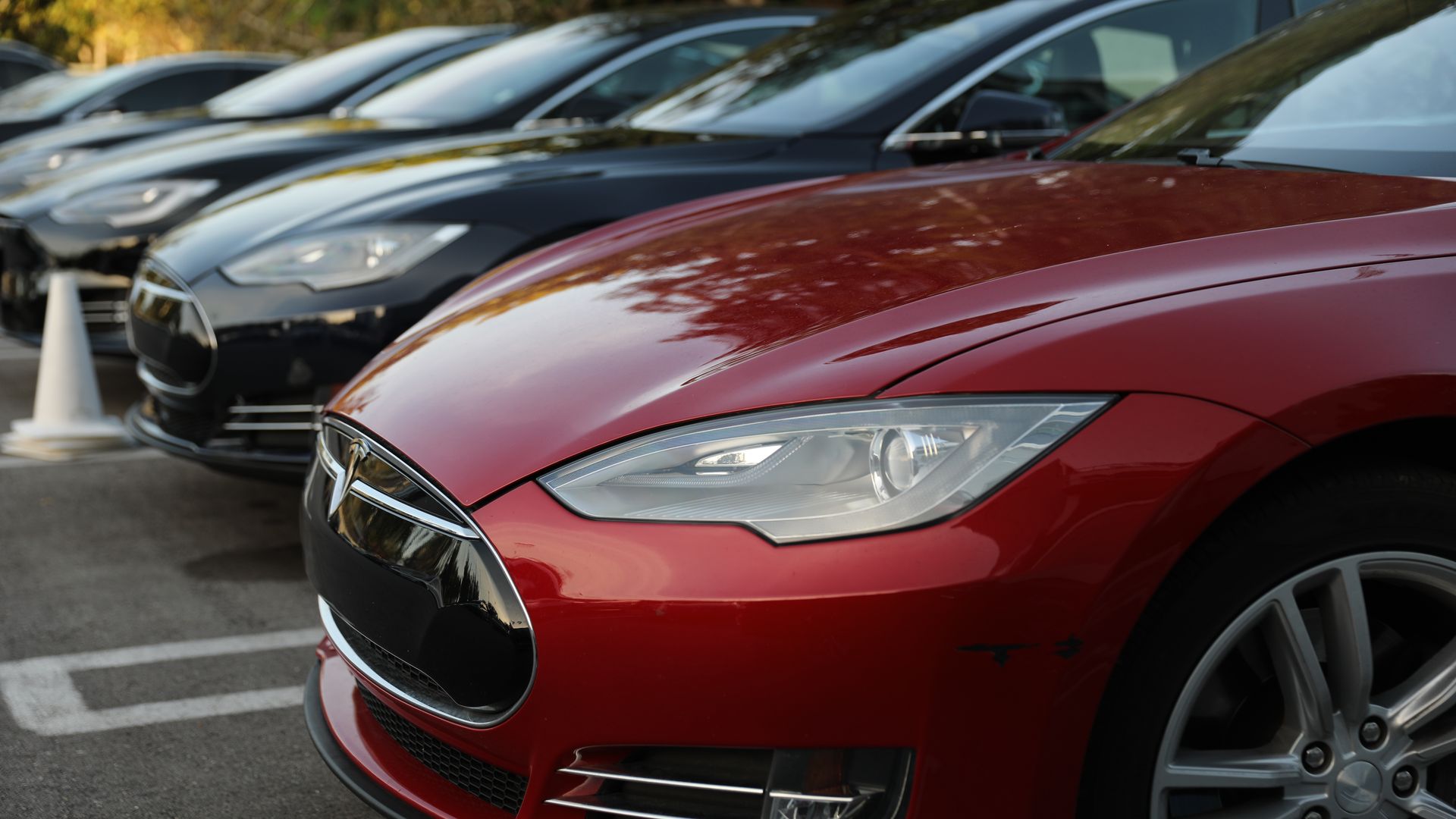
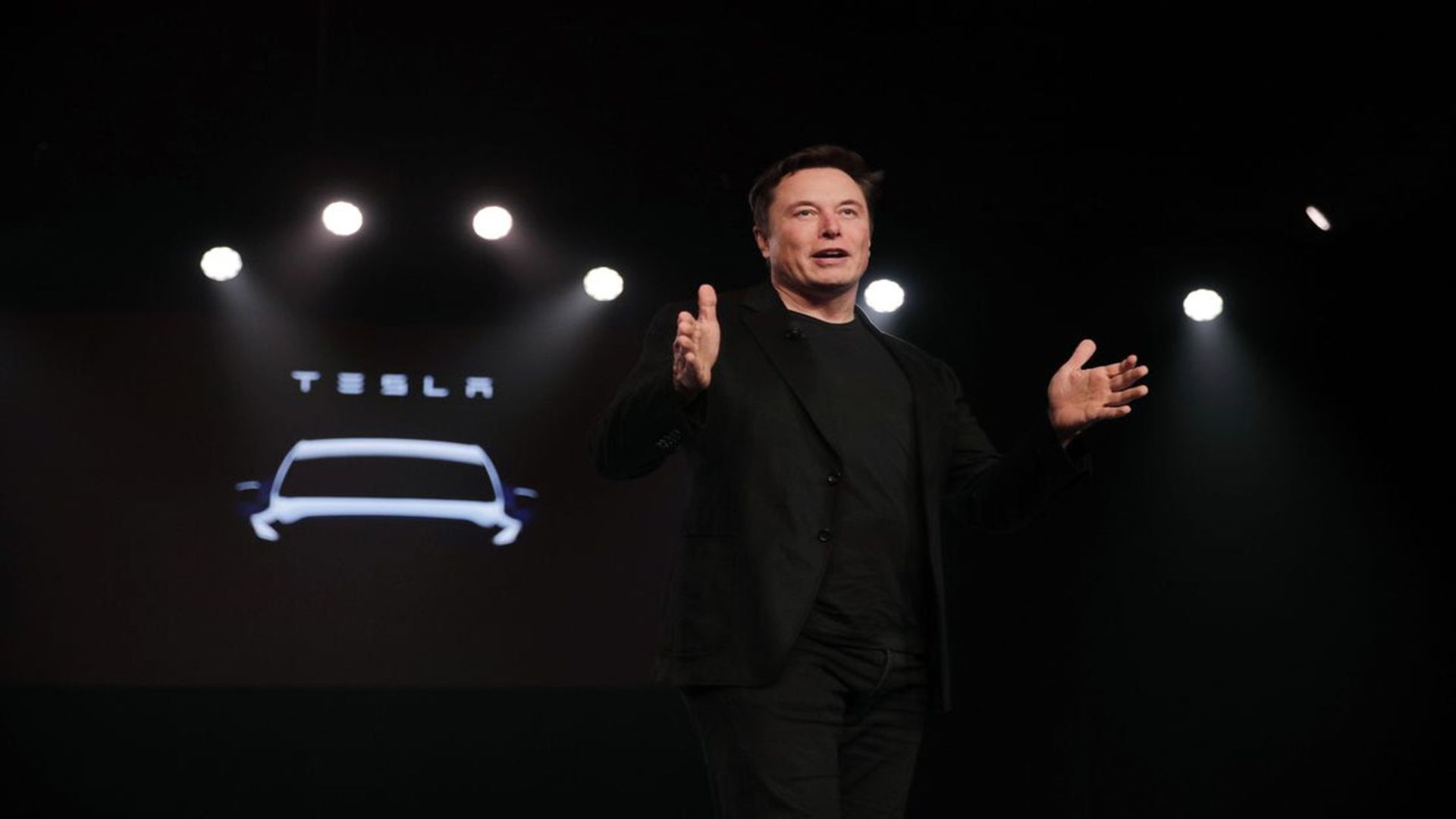
Tesla plans to introduce self-driving taxis in some U.S. cities next year, CEO Elon Musk announced on Monday at a company event for investors, during which it also unveiled a new chip to power its autonomous driving system.
The big picture: Tesla has long proclaimed its ambition to operate fleets of self-driving taxis. But limitations of the company's currently available autonomous driving tech — along with well-publicized accidents involving the limited self-driving technology its cars currently offer — raise questions about Tesla's aggressive timeline.
President Trump and the Trump Organization filed suit against House Oversight Committee chairman Elijah Cummings in federal court on Monday in an attempt to block Cummings' subpoena of Trump's longtime accountant, Mazars USA LLP.
The big picture: Cummings wrote last week that the subpoena — for all of Trump's financial records — is a result of testimony from Trump's former lawyer Michael Cohen, who claimed that the president "altered the estimated value of his assets and liabilities on financial statements."
An increasing risk of flooding across the U.S. from climate change has caused lawmakers — from Hawaii to the East Coast — to consider new measures to protect at-risk areas.
The big picture: The risks span from the nation's natural jewels to some of its most important infrastructure. Rising sea levels mean that Hawaii's Waikiki Beach could be underwater within the next 15 to 20 years — and an increasing number of U.S. nuclear plants were never designed to handle the flood risk from climate change.
Amid skepticism, Tesla CEO Elon Musk today will unveil a plan to bring full autonomy to his electric cars, making them truly driverless vehicles, AP reports.
Be smart: Musk's description of Tesla's controls as "Full Self-Driving" has alarmed some observers who think it will give owners a false sense of security and create potentially lethal situations in conditions that the autonomous cars can't handle.
One of the most popular climate-change policies in America — renewable energy mandates — is also expensive, a new study says.
Driving the news: Standards in roughly 30 states that require a portion of electricity to come from renewable sources, mostly wind and solar, are driving up power prices and imposing a high cost to reduce carbon dioxide emissions, according to a new report out today by the University of Chicago.