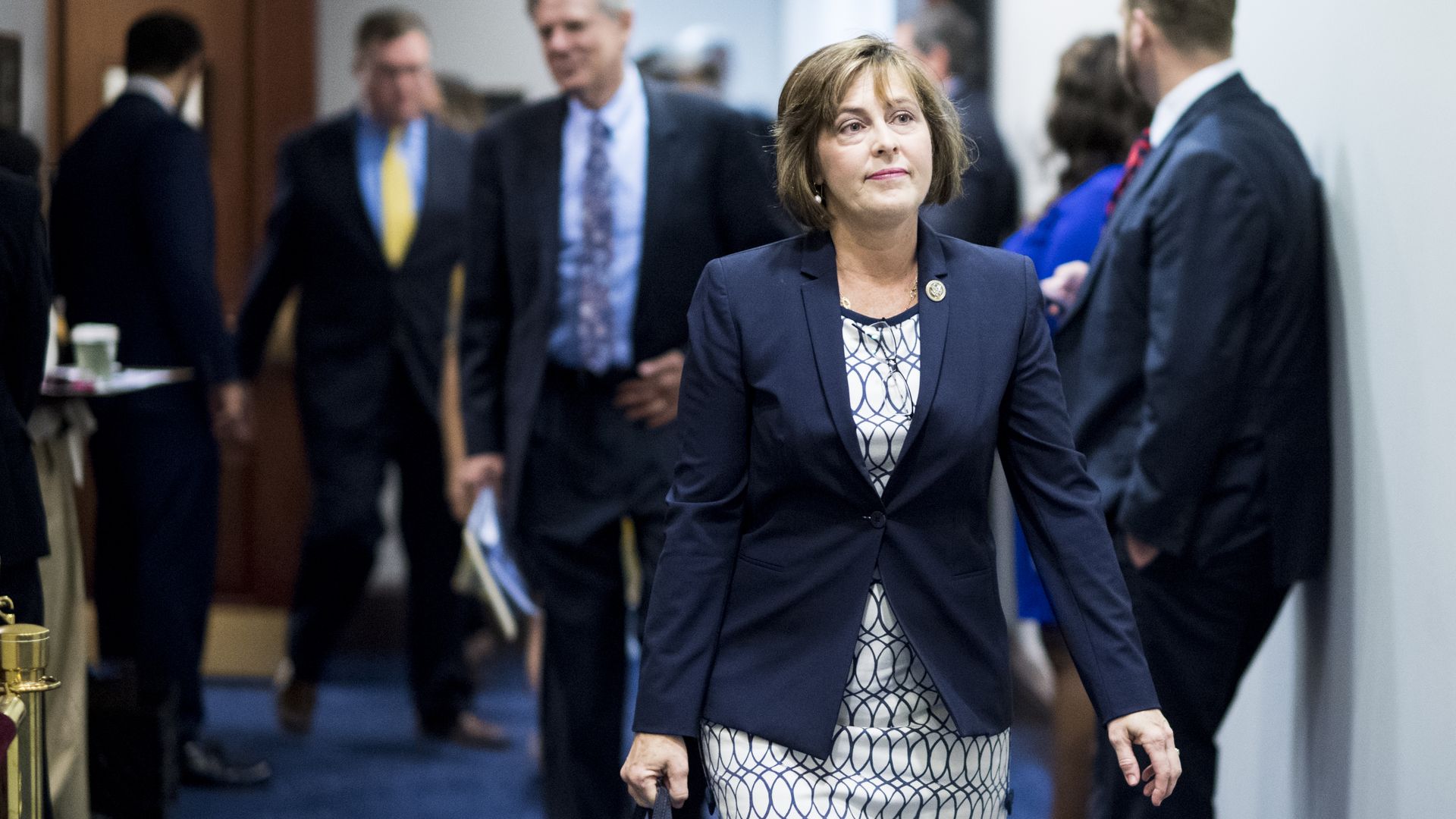
E&E News and the Tampa Bay Times report that House Democratic leaders have tentatively selected Rep. Kathy Castor (D-Fla.) to head the select committee on climate change they're reviving next year.
Why it matters: It's a tangible sign of the committee's makeup and direction. Castor represents a state and a region on the front lines of the effects of climate change, which is causing sea-level rise and more intense storms.
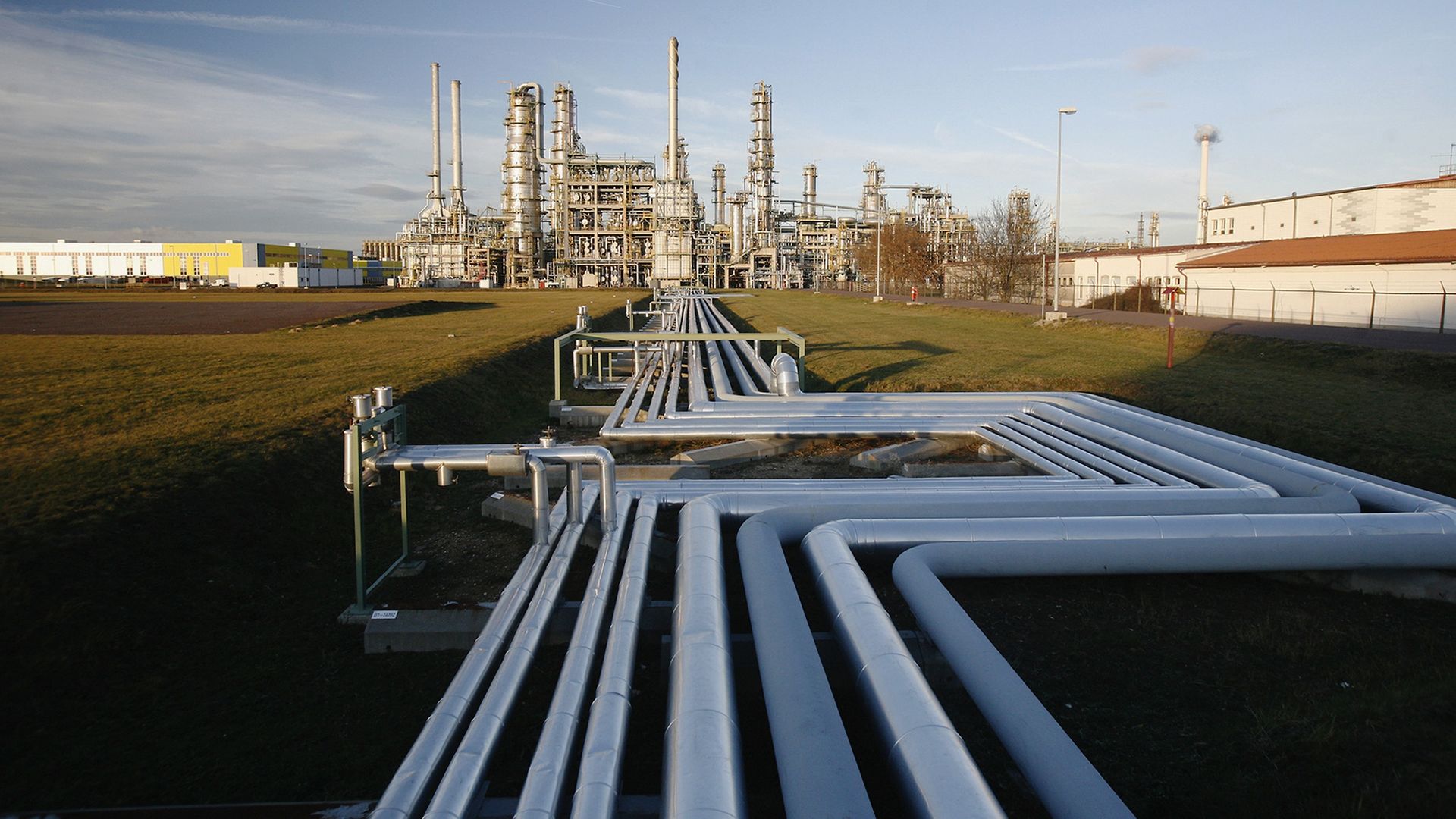
The Interior Department took a step toward allowing oil-and-gas exploration in Alaska's Arctic National Wildlife Refuge (ANWR) Thursday by releasing a draft environmental analysis.
Why it matters: The study from Interior's Bureau of Land Management is a precursor to auctioning drilling leases as soon as 2019 in the ecologically sensitive area that's believed to hold billions of barrels of recoverable oil.
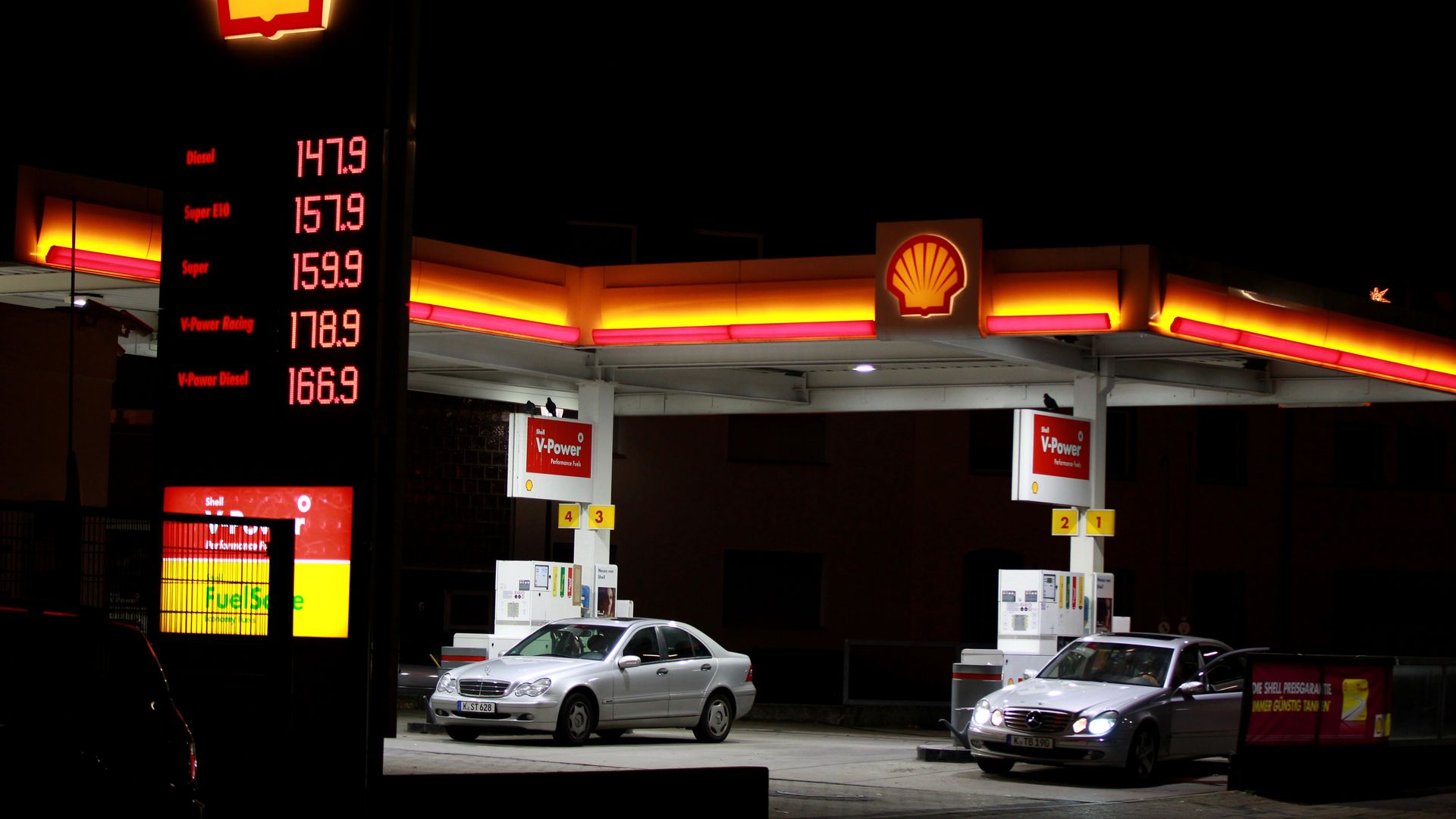
Oil prices lost more ground Friday morning, the latest declines in a remarkable 10-week slide that's greased by concerns about softening demand and, thus far, largely resistant to OPEC's pledge to tighten the market.
The latest, per Reuters: "Oil prices fell to their lowest since the third quarter of 2017 on Friday, heading for losses of more than 10 percent in a week, as global oversupply kept buyers away from the market ahead of the long festive break."
Automakers and utility companies are collaborating to develop bi-directional battery capability in electric vehicles, which enables EVs to receive and return power to the grid.
The big picture: Many AVs will likely be electric, and if they can operate as off-grid batteries, they could let owners make better use of the energy they buy from utilities and even be used as backup energy sources in blackouts.
The U.S. Energy Information Administration recently released preliminary data showing that, during the week of Nov. 30th, the U.S. exported more oil and oil products than it imported for the first time in decades.
Yes, but: The net exporter status lasted only one week, and doesn’t represent annual averages. While many celebrate the U.S.’ new status as a net oil exporter, the reality is that the U.S. will never be energy independent as long as it is tied into global markets.
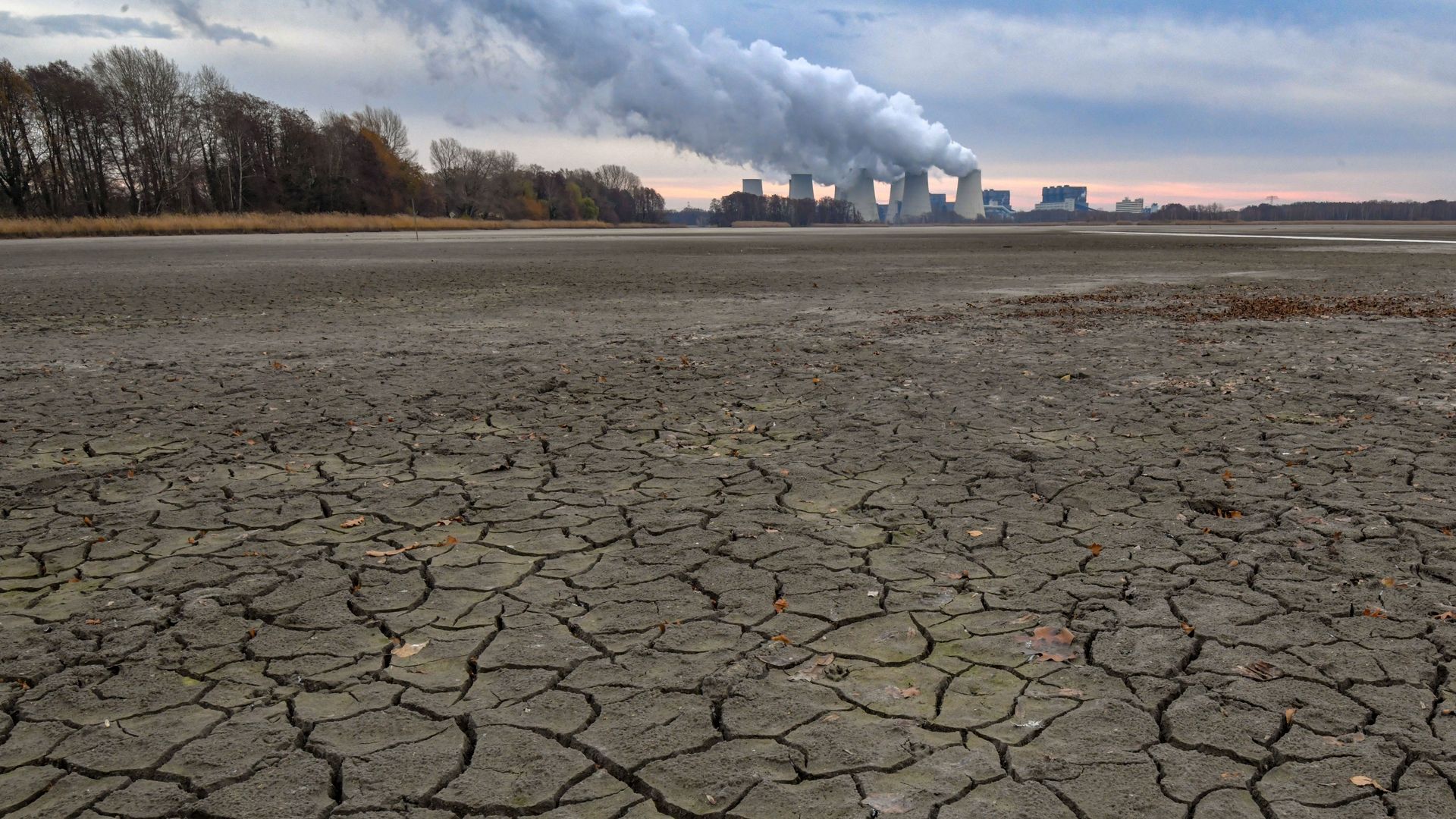
In the U.S., 45% of the water pulled from reservoirs, rivers, oceans and underground aquifers is used to cool thermal (fossil fuel) and nuclear power plants for electricity production. Of that water, 73% is fresh, amounting to significantly more than is used for agricultural irrigation — and that still doesn't include water used in processes like fracking to acquire the fuel in the first place.
Why it matters: Although power plants have made small efficiency improvements, they continue to use enormous amounts of water. As demand grows in cities and on farms, competition for water among humans, agriculture and power plants is becoming more intense, especially in drought-prone regions and large population centers.
After about 3 billion years of Earth being dominated by microbes, complex, soft-bodied organisms (up to 3 feet long) emerged in the deep oceans.
Combining evidence from the fossil record with insights from animal physiology, scientists have now put forward a new explanation for why this occurred about 570 million years ago, during a period known as the Ediacaran.
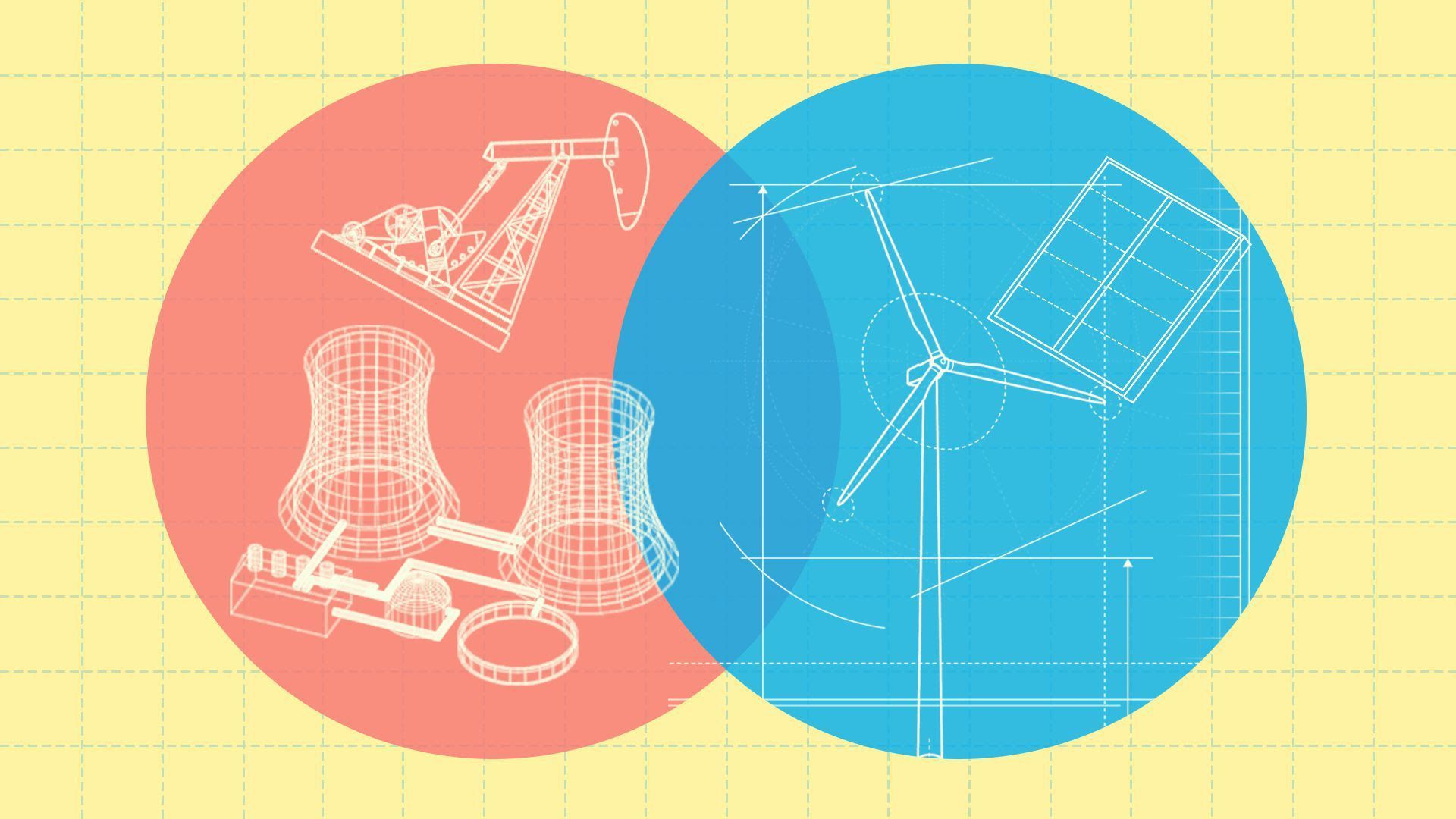
Royal Dutch Shell announced two new renewables deals on Wednesday, the latest sign that oil-and-gas behemoths — especially the European-based majors — are increasingly moving into the zero-carbon power space.
The big picture: It comes on the heels of a separate Shell-backed joint venture — this one with Portugal's EDP — submitting a $135 million winning bid Friday for a wind energy tract in federal waters off Massachusetts.
More information about House Democrats' plan to create a new select committee on clean energy and global warming is emerging — and creating tension between party leaders and insurgent progressives.
Why it matters: The inside baseball reflects broader, more consequential questions and deliberations over how the party should prepare to act on climate policy if a political window for big legislation opens after the 2020 elections.
An important new commentary in the journal Nature Climate Change offers a path for quantifying the emissions-cutting initiatives emerging from cities, states, companies and others worldwide.
Why it matters: These efforts are a key part of the climate policy landscape. And that's especially true as these parties respond to the White House's abandonment of Obama-era initiatives and plan to quit the Paris agreement, and as scientific warnings pile up about the need for steep and near-term CO2 cuts.
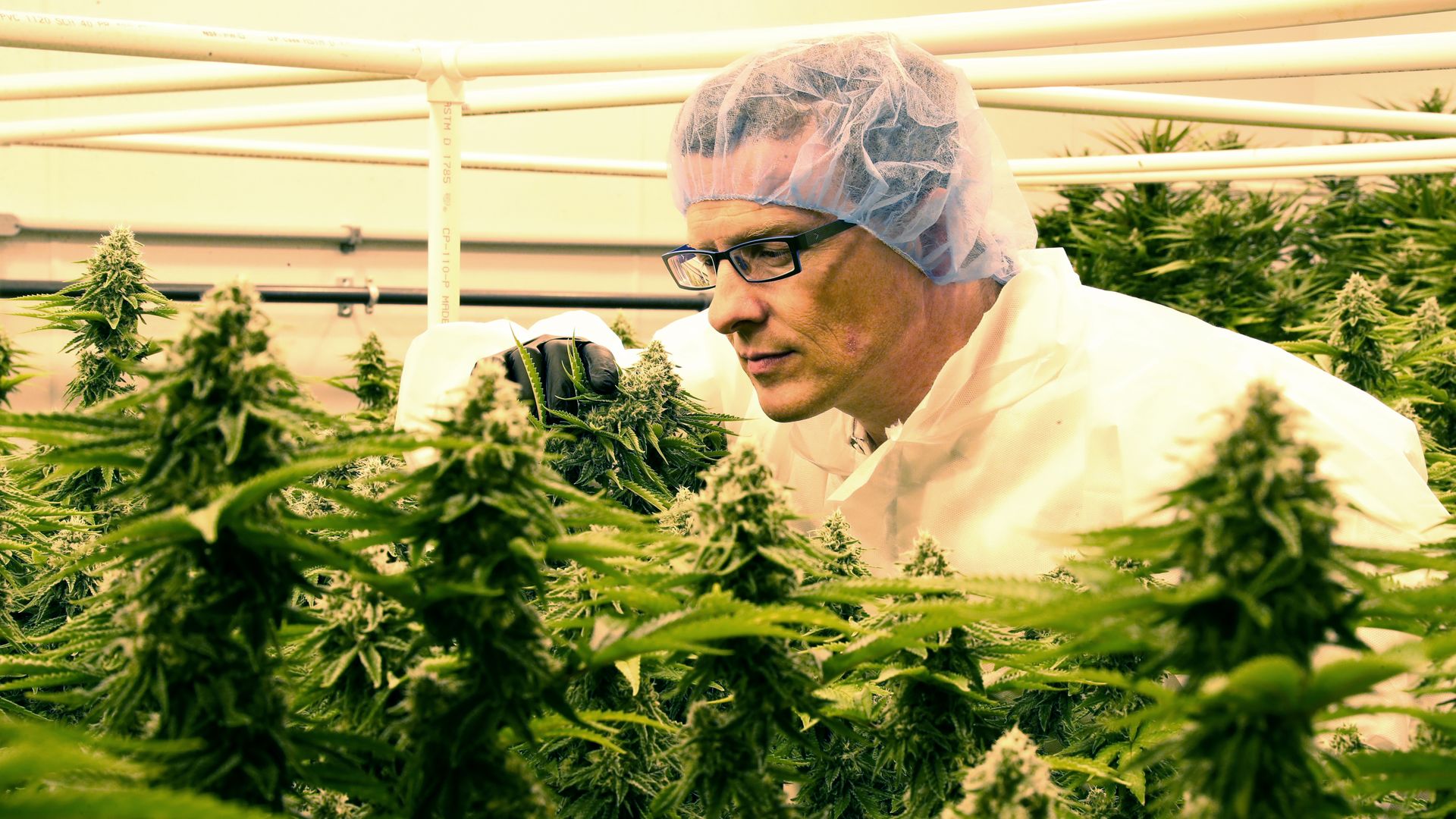
Yes, but: The state's Cannabis Control Commission’s Energy Working Group (CCCEWG) is concerned with skyrocketing greenhouse gas emissions from the cultivating facilities. Massachusetts aims to cut statewide emissions by 25% by 2020 and 80% by 2050. As of 2017, the state was at a 21% reduction, and many fear that the cultivation facilities' increasing energy demands may put the 25% goal at risk.



/2018/12/20/1545338095552.gif?w=3840)